
Heads up: If you buy through links in this review, I may earn a small commission at no extra cost to you. This doesn’t affect my ratings.
How this review was put together: Based on the product specifications, available user feedback, and comparisons with competing products, this review sums up what the serum is, what it’s likely to do, and where it falls short. It is not a record of personal lab testing. Skin varies a lot, so treat it as a guide, not a promise.Terms and Conditions
Introduction
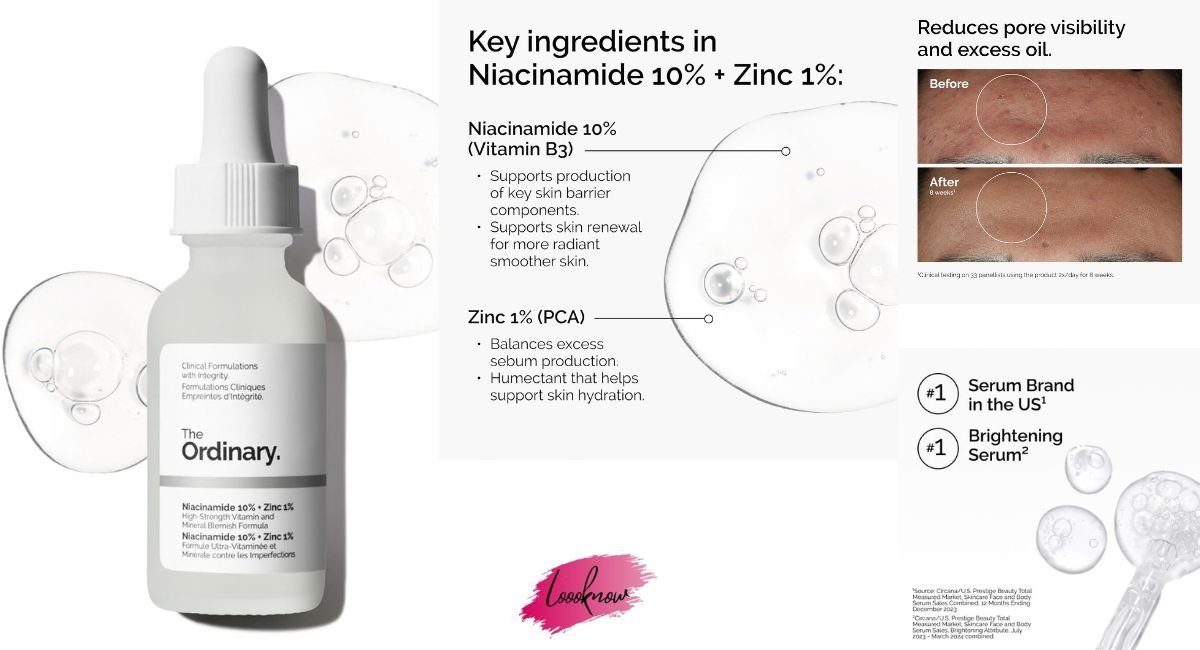
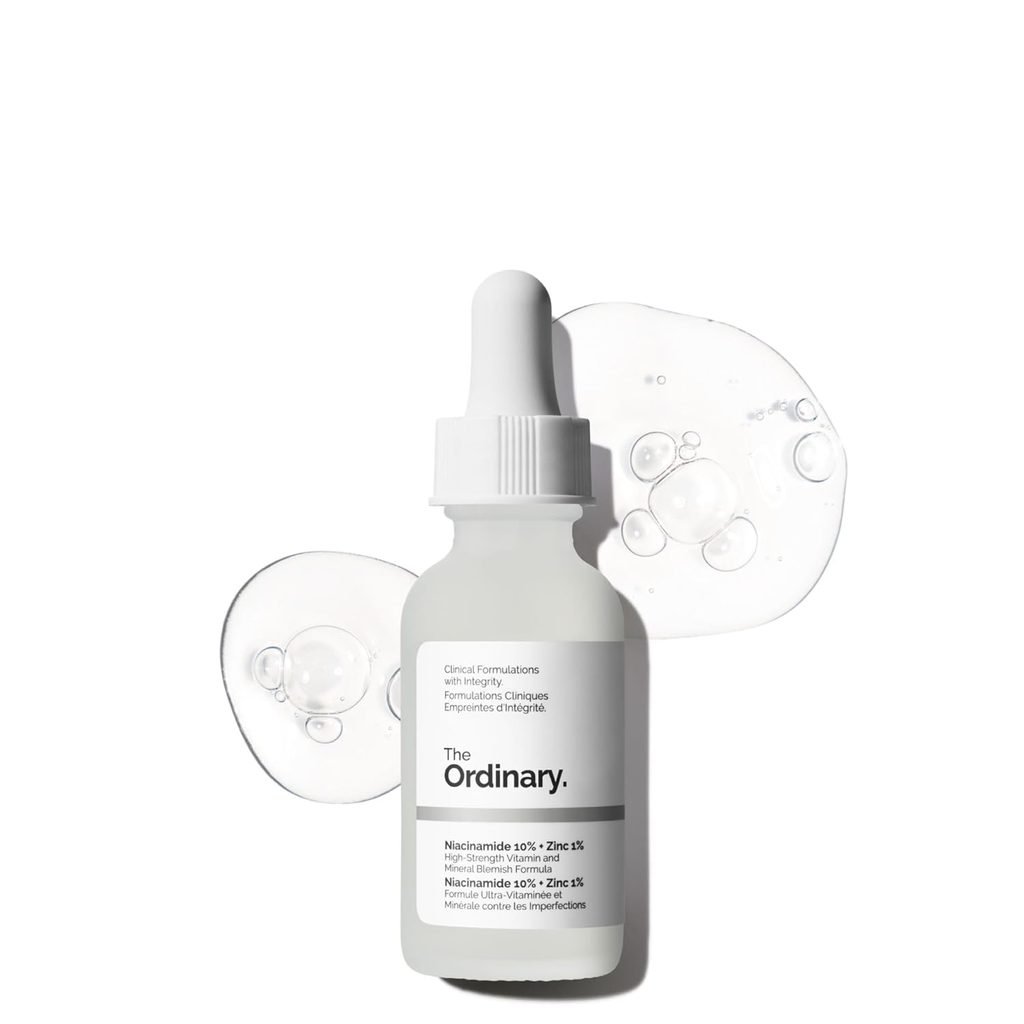
If you’ve spent any time reading about acne or oily skin online, you’ve probably seen the same small bottle over and over. It’s The Ordinary Niacinamide 10% + Zinc 1%, and it shows up in routines, forum threads, and “what should I buy?” posts all the time. It also costs less than most lunches. That combination makes people curious, and a little suspicious.
So here’s the question this review answers: does this serum deserve a spot in your routine, or is it just popular because it’s cheap?
This is The Ordinary Niacinamide 10% + Zinc 1% review for oily acne-prone skin, written for shoppers in the US who want a clear, balanced answer. It’s built from the product specifications, available user feedback, and comparisons with competing serums. It isn’t a record of personal lab testing, and I’ll be upfront about where the evidence is strong and where it’s thin.
Here’s the short background. The serum’s full name is The Ordinary Niacinamide 10% + Zinc 1%, Smoothing Serum for Blemish-Prone Skin. It’s made by The Ordinary, a brand known for plain labels and low prices. The formula centers on The Ordinary niacinamide, a form of vitamin B3 that’s been studied for oil control, uneven tone, and skin barrier support. Zinc PCA is added as a supporting ingredient for blemish-prone skin.
The 10% strength is the part that gets debated most. Plenty of people tolerate it well. Others report redness, tingling, or a tacky feel that makes layering tricky. Many of the studies behind niacinamide used lower amounts, so a higher number on the bottle doesn’t automatically mean better results.
Expectations matter here, too. Niacinamide is a helpful supporting ingredient, not a cure for acne. If you’re dealing with deep, painful, or widespread breakouts, a dermatologist can offer treatments with much stronger evidence. If your skin is oily, you get the occasional blemish, and you’d like a budget-friendly active to try, this serum is worth a closer look.
In this review, you’ll find:
- A quick verdict if you want the short version
- What the serum is and how it differs from other niacinamide products
- An ingredient check, with what research does and doesn’t support
- How it feels, absorbs, and layers under other products
- What users commonly report over weeks and months
- Honest downsides, plus who should skip it
- A side-by-side look at buying it on Amazon vs. Walmart
- A buying guide and a FAQ covering the questions people search most
I’ll also cover a few things shoppers ask about a lot, like whether it actually works for blemishes, how it compares with alpha arbutin for dark spots, and what before-and-after photos really tell you.
One last note before we start. Skin is personal, and what works for one person can irritate another. A patch test and a slow start go a long way, and I’ll explain how to do both. Let’s begin with the quick verdict.
Quick Verdict
The Ordinary Overall rating: 4 out of 5 for oily, blemish-prone skin. It’s a good value, with a few real quirks.
Based on the product specifications, available user feedback, and comparisons with competing products, this serum is a strong, low-cost pick for people with oily, combination, or mildly acne-prone skin. It’s best seen as a supporting player in a routine, not the star.
What it does well:
- Costs very little compared with most serums
- Uses a well-researched ingredient with decent evidence for oil control and tone
- Has a clear label with the percentages listed
- Is fragrance-free in its formula
- Is widely available at major US retailers
Where it falls short:
- 10% is a high dose, and some people get redness, tingling, or irritation
- The texture can feel slightly tacky
- It can pill under certain products, especially thick moisturizers or sunscreens
- Zinc PCA has less research behind it than niacinamide
- Results are gradual, not dramatic
- Some people report breakouts or purging-like reactions, though this is debated
Who it suits: Oily, combination, and mildly breakout-prone skin. Beginners who want an affordable active will find it easy to try.
Who might want something else: Very sensitive or reactive skin, people with a damaged moisture barrier, and anyone dealing with cystic or severe acne.
Bottom line: If you can tolerate it, this is one of the better value buys in drugstore-style skincare. A patch test and a slow start are strongly recommended.
What Is The Ordinary Niacinamide 10% + Zinc 1%?
The Ordinary Niacinamide 10% + Zinc 1% is a lightweight, water-based serum designed to reduce the look of blemishes, balance visible oiliness, and smooth the appearance of skin texture.
It comes in a small dropper-style bottle, typically 30 ml, and a larger size is sometimes sold. The Ordinary formula is simple. It leans on two main actives: niacinamide at 10% and zinc PCA at 1%.
Where It Fits in the Market
Niacinamide serums are everywhere now. Some are sold at 2% to 5%, usually in gentler formulas. Others, like this one, go to 10%. The Ordinary stands out by being direct about the number and keeping the price low.
The brand is also known for a “mix and match” approach. It sells single-ingredient products so shoppers can build a routine. That has a downside: it can encourage people to stack too many actives at once.
How It Differs From Other Niacinamide Serums
- Higher strength than most: Many gentler options use 4% to 5%.
- Added zinc: Zinc PCA is included for oil control and a blemish-prone focus.
- Minimal extras: You won’t find a long list of botanical or luxury add-ins.
- Budget-friendly: It costs far less than many dermatology-brand or department-store options.
Who Is It Positioned For?
The label says it’s for blemish-prone skin. In practice, it’s aimed at people with:
- Visible oil or shine, especially in the T-zone
- Enlarged-looking pores
- Uneven texture
- Occasional or mild breakouts
- Leftover marks after blemishes
It isn’t a medicated acne treatment. It has no benzoyl peroxide, salicylic acid, or retinoid. It doesn’t claim to treat acne the way those do. It’s a support product, and that’s how it should be judged.
Key Features Breakdown
This section covers the features that matter when choosing a niacinamide serum, along with where this one stands.
1. Niacinamide at 10%
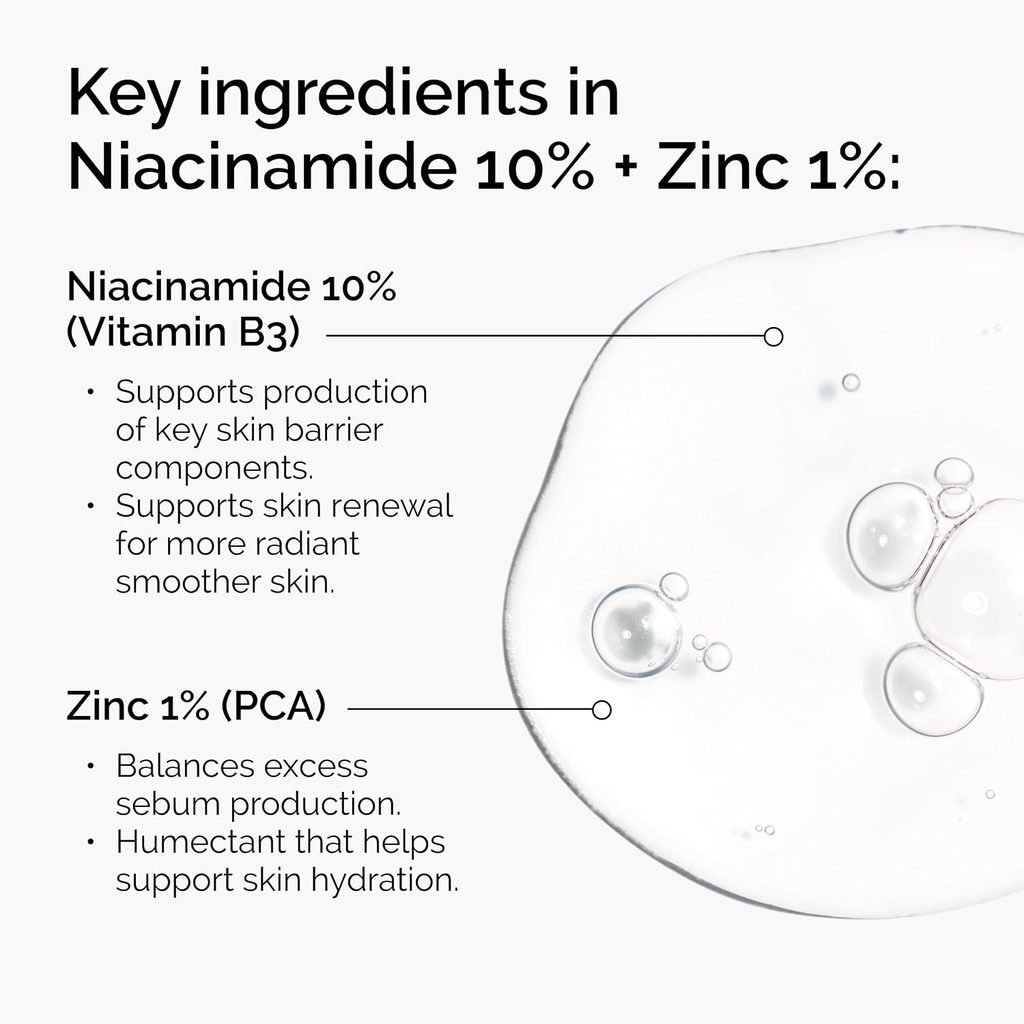
The Ordinary Niacinamide is the headline ingredient. It’s a form of vitamin B3, and skincare brands use it for several reasons:
- It may help reduce the look of excess oil.
- It may help even out skin tone over time.
- It may help support the skin barrier.
- It’s generally well tolerated at lower strengths.
At 10%, this product sits at the upper end of what’s sold over the counter. Higher doesn’t always mean better. Research on niacinamide’s benefits often uses concentrations between 2% and 5%. Some users do fine at 10%. Others find 5% works just as well with less irritation.
2. Zinc PCA at 1%
Zinc PCA is a zinc salt of pyrrolidone carboxylic acid. It’s marketed for oil balance and for blemish-prone skin. The evidence for topical zinc PCA is thinner than for niacinamide, so the name on the front of the bottle shouldn’t be read as proof of a big effect. Many dermatologists would call it a plausible supporting ingredient, not a proven star.
3. Lightweight Water-Based Texture
The Ordinary serum is thin and watery with a slight slip. That makes it easy to layer, and it’s a plus for oily skin. Some people find it feels sticky until it sets, which I cover in the texture section.
4. Simple, Transparent Labeling
The Ordinary bottle states the percentages up front. That’s rare in budget skincare, and it helps you compare against other products. It also helps you spot overlap if you use other niacinamide products.
5. Fragrance-Free Formula
The Ordinary formula has no added fragrance, which matters for people prone to irritation. Fragrance-free doesn’t mean irritation-free, though. Niacinamide itself can cause redness in some people, especially at higher percentages.
6. Vegan and Cruelty-Free Positioning
The Ordinary markets its products as vegan and cruelty-free. Always check the current packaging and brand site for the latest claims, since they can change.
7. Size and Value
The Ordinary standard bottle is small, but you only need a few drops per use. With regular use, one bottle can last a good while. Value per use is high compared with most serums.
8. Packaging
The Ordinary glass bottle with a dropper is functional. A few things to know:
- The dropper can drip, so use it over the sink or a clean surface.
- The bottle is small enough to travel with.
- Glass can break, so pack it carefully.
Feature Summary Table
| Feature | What It Means for You |
|---|---|
| Niacinamide 10% | Strong dose; may help oil and tone; can irritate sensitive skin |
| Zinc PCA 1% | Supports blemish-prone focus; less research than niacinamide |
| Water-based serum | Lightweight; layers easily; can feel tacky |
| Fragrance-free | Lower irritation risk from scent |
| Clear labeling | Easy to compare and avoid overlap |
| Low price | Easy to try without a big commitment |
Ingredient Profile & Scientific Evidence
This section looks at what’s in the bottle and what research does and doesn’t support. It’s a general overview, not medical advice.
The Main Ingredients
The formula is built on water and a small group of key ingredients. Always check the current label on your bottle, as brands can update formulas. In general, you’ll see:
- Niacinamide: The primary active
- Zinc PCA: The secondary active
- Humectants and solvents: To help with texture and spreadability
- Thickeners and gums: To give the serum its slightly gel-like feel
- Preservatives: To keep the water-based formula stable
What Research Says About Niacinamide
The Ordinary Niacinamide has been studied for years in dermatology. Here’s a fair summary of what research generally suggests:
- Oil production: Some studies found that topical niacinamide may reduce sebum output over several weeks.
- Blemishes: Some trials found niacinamide gels helped reduce inflammatory acne lesions, with results in the same general range as certain topical antibiotics in older studies.
- Skin tone: Research suggests niacinamide may help fade hyperpigmentation over time when used consistently.
- Barrier support: Niacinamide may help the skin hold on to moisture.
Keep this in mind: Many of these studies used lower concentrations, often 2% to 5%. Few compare 10% head-to-head against 5% in a way that proves the higher dose is better.
What Research Says About Zinc
Zinc taken by mouth has some evidence in acne treatment. Zinc applied to the skin is less clear. Topical zinc PCA is popular in cosmetics, but strong clinical proof for it in acne is limited. Treat it as a reasonable add-on, not a deciding factor.
The Vitamin C Myth
You may have read that niacinamide and vitamin C can’t be used together. Current understanding is more relaxed. Many people use both without problems. If your skin gets irritated when you combine them, separate them, using one in the morning and one at night.
Safety Notes
- The Ordinary Niacinamide is generally considered well tolerated.
- Flushing, itching, or redness can happen, especially at high strengths.
- A patch test is smart before applying it to your whole face.
- If you’re pregnant, nursing, or being treated for a skin condition, check with your doctor or dermatologist before adding new actives.
Evidence Summary
| Claim | Evidence Strength |
|---|---|
| Reduces look of oiliness | Moderate (mostly lower-strength studies) |
| Helps with mild blemishes | Moderate |
| Helps with dark marks | Moderate |
| Zinc PCA adds extra oil control | Limited |
| 10% beats 5% | Unclear |
Texture, Absorption & Sensory Experience
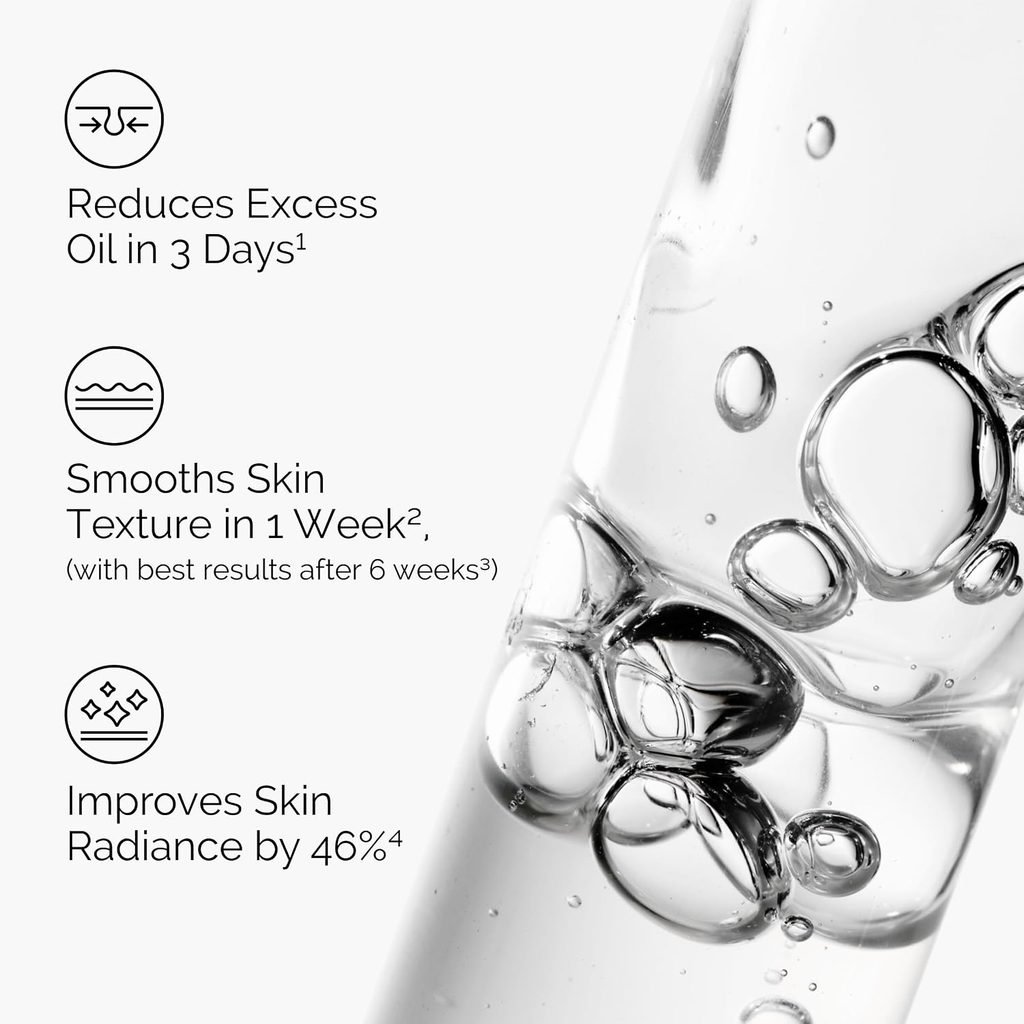
Texture matters a lot with a serum you’ll use every day. Based on user feedback and The Ordinary formulation, here’s what to expect.
The First Impression
The serum is clear to slightly cloudy, thin, and watery with a light gel quality. It doesn’t smell strongly of anything. If you notice a faint scent, it’s typically mild.
Spreadability
A few drops spread easily across the face. Because the formula is water-based, it glides on without much effort. You don’t need to massage it in for a long time.
Absorption and the “Tacky” Factor
This is one of the most discussed points in user feedback. The serum can leave a slightly sticky or tacky feel as it dries. Reports vary:
- Some people say it absorbs well within a minute or two.
- Others say it stays tacky and makes layering harder.
- Using too much is a common cause. More drops usually means more stickiness.
Tip: Start with 3 to 4 drops for the full face. Apply to slightly damp skin, since that tends to help with spreadability and may reduce the tacky feel.
Pilling
Pilling is when The Ordinary rolls into small bits when you layer. It’s a common complaint with this serum. It usually happens when:
- You use too much serum
- You layer thick creams or silicone-heavy products on top before it dries
- You rub vigorously instead of patting
Giving the serum a full minute or two to dry before the next step can help. Patting The Ordinary on, instead of rubbing, also helps.
Finish on Skin
On oily skin, the finish is usually described as light and not greasy. On drier skin, it may feel less hydrating on its own, so a moisturizer afterward is a good idea.
Makeup Compatibility
Many people use it under makeup. If you notice pilling, switch to a lighter moisturizer or sunscreen, or wait longer before applying makeup. A basic test is to try your regular routine for a week and see how it behaves.
Sensory Summary
| Factor | What Users Commonly Report |
|---|---|
| Feel at application | Light, watery, easy to spread |
| Scent | Minimal to none |
| Absorption | Moderate; can be tacky |
| Pilling risk | Moderate, especially with heavy layers |
| Makeup friendliness | Generally fine with patience |
Usage Experience
This section describes what users commonly report over time, based on available user feedback and typical timelines for The Ordinary niacinamide products. It’s not a first-hand diary. Individual results will differ.
Week 1: Getting Started
In the first days, most users report very little visible change. What they notice is how the product feels. Common first-week reports include:
- A light, slightly tacky finish
- Mild warmth or tingling for some people
- Temporary redness in a minority of users
- A bit of pilling while they adjust how much they apply
If skin turns red, burns, or feels tight, stopping is the safest move. A mild flush that fades quickly is different from lasting irritation, but if you’re unsure, back off and consider a lower-strength product.
Weeks 2 to 4: Early Changes
By weeks two to four, users who tolerate the serum often report:
- Less midday shine, especially in the T-zone
- A slightly smoother feel
- Fewer new small blemishes for some people
Others report no real change yet. The Ordinary Niacinamide works gradually. Giving it at least four to eight weeks before judging is the common advice.
Weeks 4 to 8: Where Opinions Split
This is the period where reviews tend to diverge:
- Positive reports: Reduced oiliness, calmer-looking skin, fewer breakouts, a more even look.
- Neutral reports: Minor improvements that are hard to separate from other routine changes.
- Negative reports: New bumps, irritation, dryness, or increased sensitivity.
Some users call breakouts “purging.” It’s worth being cautious with that word. Purging is usually tied to ingredients that speed up skin cell turnover, like retinoids and exfoliating acids. The Ordinary Niacinamide isn’t known as a classic purging ingredient. If you break out after starting it, the cause may be a reaction to a specific ingredient, too much product, or something else in your routine.
Months 2 to 3: Longer-Term Impressions
Users who stick with it often describe:
- More stable oil levels
- Dark marks fading slowly, if they use sunscreen daily
- A more even-looking complexion
- Pores that look slightly less noticeable, though pore size itself doesn’t change
The pore point deserves honesty. Pore size is largely genetic. The Ordinary Niacinamide may help pores look smaller by reducing oil and improving texture, but it won’t permanently shrink them.
The Role of Sunscreen
Dark spots and marks fade slowly, and sun exposure can darken them again. If your goal is more even tone, daily sunscreen matters more than any serum. Most people who report good tone results are also using sun protection.
Common Mistakes Users Report
- Using too much. More drops lead to more stickiness and pilling, not better results.
- Stacking too many actives. Pairing it with strong acids and retinoids at the start can cause irritation.
- Quitting too early. Many people stop within two weeks, before any benefit would show.
- Skipping moisturizer. Oily skin still needs hydration.
- Skipping the patch test. This leads to avoidable reactions.
Who Reports the Best Results?
Based on user feedback patterns, the happiest users tend to be those who:
- Have oily or combination skin
- Have mild blemishes or visible oil as their main concern
- Introduce it slowly
- Use sunscreen and a simple routine
- Stay consistent for at least six to eight weeks
Who Reports Frustration?
- People with sensitive or reactive skin
- People expecting it to clear moderate or severe acne
- People who layer many products
- People who judge results too quickly
A Realistic Daily Routine Example
Here is a simple routine that many people use with this serum:
Morning:
- Gentle cleanser
- Niacinamide serum
- Light moisturizer
- Broad-spectrum sunscreen
Night:
- Gentle cleanser
- Niacinamide serum (or a separate treatment if prescribed)
- Moisturizer
Starting once a day, then moving to twice, is a sensible approach if your skin is new to niacinamide.
Usage Summary
The overall pattern is consistent. This serum tends to deliver modest, gradual benefits for oily skin and fewer wins for severe acne or sensitive skin. If your expectations match that, the experience tends to be positive.
Benefits
Here are the benefits that are best supported by research and user feedback.
1. May Help Reduce the Look of Excess Oil
This is the most commonly reported benefit. Oily-skin users often say their face looks less shiny later in the day. Research on niacinamide and sebum supports this, at least in part.
2. Supports Blemish-Prone Skin
The Ordinary Niacinamide may help with mild inflammatory blemishes. Many people use it alongside a main acne treatment. It’s rarely enough on its own for stubborn acne, but it can be a useful supporting ingredient.
3. May Help Fade Dark Marks Over Time
Post-blemish marks can linger for months. The Ordinary Niacinamide may help tone look more even with consistent use and sunscreen. Results are slow, so patience matters.
4. Smoother-Looking Texture
Many users report skin that feels smoother. This is partly from better oil balance and partly from hydration support.
5. Helps Support the Skin Barrier
A healthier barrier holds moisture better and tolerates other products more easily. That’s one reason niacinamide is often recommended as a partner for stronger actives.
6. Layers Well in Many Routines
The thin texture works with many other products. It generally pairs easily with hyaluronic acid, ceramide moisturizers, and sunscreen. It’s also a common companion for other treatments, though stacking should be introduced slowly.
7. Very Affordable
Compared with many serums that claim similar benefits, this one costs a fraction. That makes it a low-risk way to test whether. The Ordinary niacinamide suits your skin.
8. Transparent and Simple
The clear labeling and short ingredient list make it easier to understand what you’re applying. That matters if you’re tracking down the cause of a reaction.
Benefits Summary
| Benefit | Likelihood for Oily Skin |
|---|---|
| Less visible oil | Good |
| Fewer mild blemishes | Moderate |
| Fading dark marks | Moderate (slow) |
| Smoother feel | Moderate |
| Barrier support | Moderate |
| Dramatic acne clearing | Unlikely |
Downsides & Limitations
No product is right for everyone. These are the main drawbacks.
1. 10% Can Be Too Strong for Some
This is the biggest concern. At 10%, some people experience redness, tingling, itching, or a sensitized feeling. If your skin is reactive, a 2% to The Ordinary 5% niacinamide serum is often a safer starting point.
2. Tackiness and Pilling
The sticky finish and pilling are widely reported. They’re manageable with technique, but they’re annoying if you wear layered skincare or makeup.
3. Zinc PCA Is Not Strongly Proven
The “Zinc 1%” in the name sounds impressive, but evidence for topical zinc PCA is limited. It may be a minor helper at best.
4. Not a Treatment for Moderate to Severe Acne
If you have cysts, deep nodules, or widespread inflammatory acne, a dermatologist can prescribe treatments with far stronger evidence. This serum won’t replace those.
5. Results Are Gradual
If you want fast changes, this will feel slow. Several weeks of daily use are often needed before you can judge.
6. Possible Breakouts for Some
Some users report new bumps. The cause isn’t always clear. It could be irritation, an ingredient reaction, or coincidence.
7. Dropper Quirks
Droppers can drip, and it’s easy to over-apply. Using the product carefully makes a difference.
8. Counterfeit and Third-Party Seller Risk
With popular products, fake or mishandled listings can show up on large marketplaces. Buying from The Ordinary official storefront or a trusted retailer reduces that risk. More on this in the buying guide.
Downsides Summary
The biggest risks are irritation from a high percentage and unrealistic expectations. Both are avoidable with a slow start and a clear sense of what niacinamide can and can’t do.
Who Should Buy This?
This serum is a good fit if you match several of the following.
Best For
- Oily or combination skin: The lightweight texture and oil-balancing focus suit these skin types.
- Mild to occasional breakouts: It works as a supporting product in a simple routine.
- Budget-conscious shoppers: It’s an affordable way to try a popular active.
- Skincare beginners: The routine is easy: apply, moisturize, use sunscreen.
- People dealing with leftover marks: With patience and sunscreen, it may help tone look more even.
- Anyone who tolerates niacinamide well: If you’ve used it before without trouble, 10% is a reasonable step.
Good Add-On For
- People using prescribed acne treatments, with their doctor’s approval
- People who want barrier support alongside stronger actives
- Those who prefer fragrance-free formulas
A Few Tips Before You Buy
- Patch test first, ideally behind the ear or along the jawline for several days.
- Start with every other day if you’re unsure.
- Keep the rest of your routine simple for the first month.
If you see yourself in this list, the serum is a sensible, low-cost pick.
Who Should Avoid This?
Skip it or check with a professional first if any of these apply.
- Very sensitive or reactive skin: The 10% strength may be too much. A lower percentage is often a gentler start.
- Damaged or compromised moisture barrier: If your skin is raw, burning, or peeling, let it heal before adding actives.
- Known niacinamide sensitivity: If a past niacinamide product caused flushing or itching, this one likely will too.
- Moderate to severe acne: See a dermatologist. This serum shouldn’t be your only plan.
- Active skin conditions like eczema, rosacea, or perioral dermatitis: Ask a doctor first, since new products can aggravate these.
- Pregnant or nursing: Check with your healthcare provider about any new skincare active.
If irritation shows up and doesn’t fade within a short time, stop using the product.
How to Use for Best Results
Here’s a simple, sensible routine to get the most from this serum.
Step-by-Step
- Patch test. Apply a small amount to a discreet area for a few days. Watch for redness, itching, or swelling.
- Cleanse. Use a gentle cleanser and pat your face dry, or leave it slightly damp.
- Apply 3 to 4 drops. Spread across the face. Avoid the eye area and any broken skin.
- Wait one to two minutes. This helps reduce pilling.
- Moisturize. Choose a lightweight, non-greasy moisturizer.
- Use sunscreen in the morning. This is key for protecting results, especially for dark marks.
Frequency
- Start: Once a day, or every other day if your skin is sensitive.
- Build up: Move to morning and night if your skin handles it well.
- Maintain: Consistency matters more than quantity.
What to Pair It With
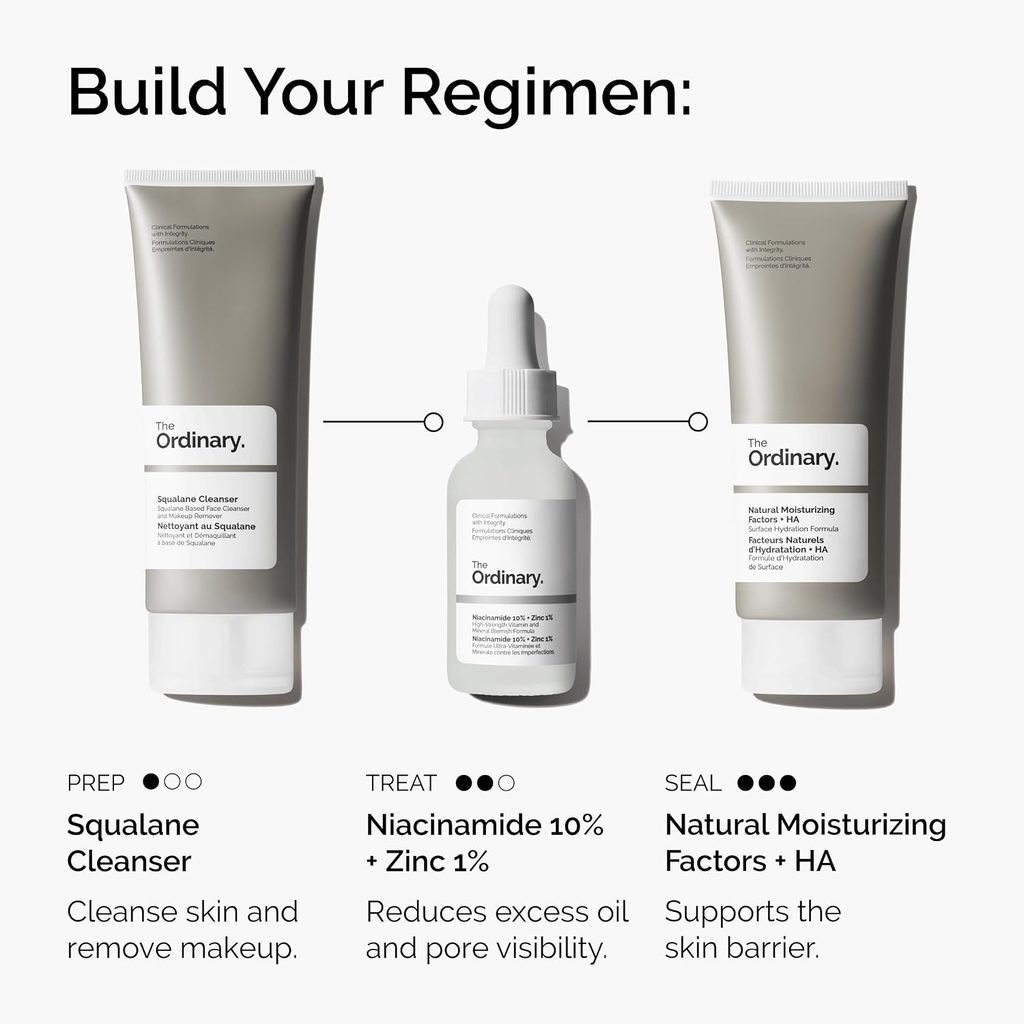
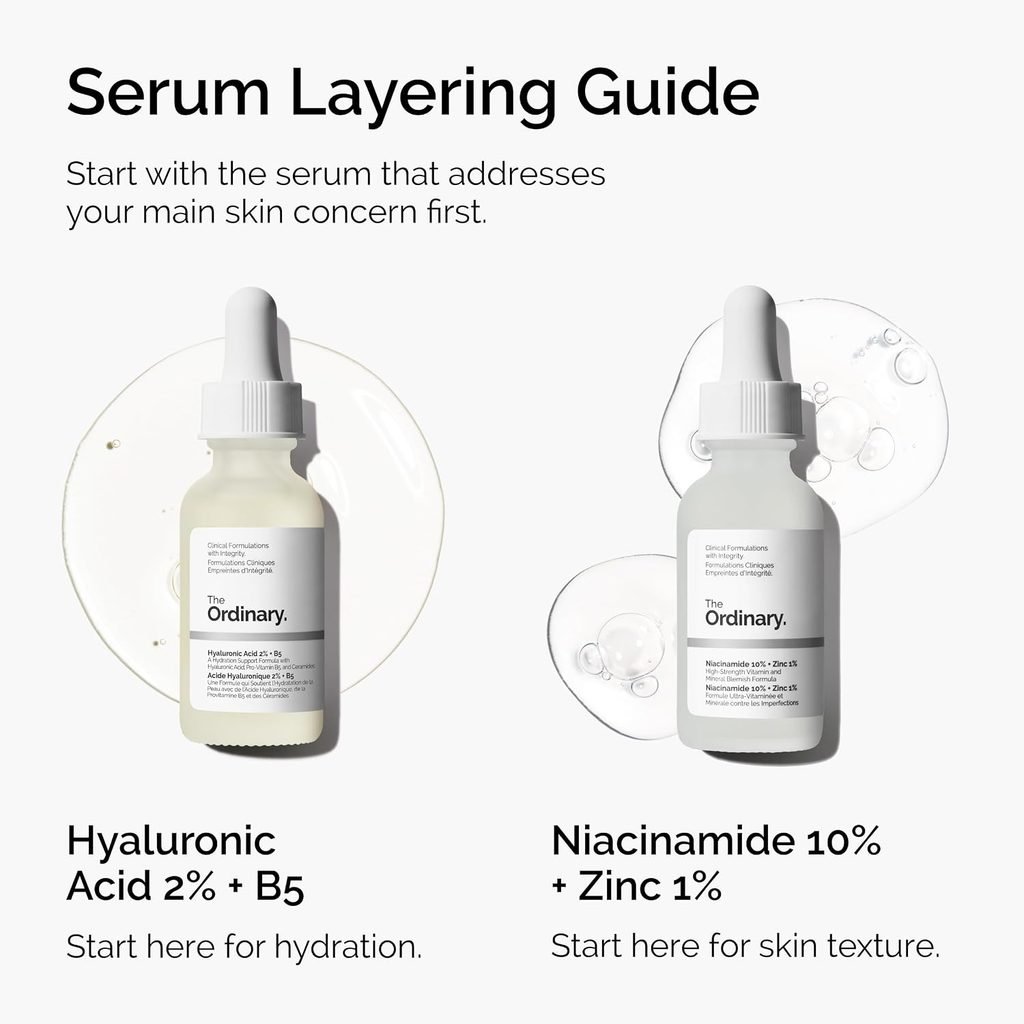
- Hyaluronic acid serums
- Ceramide moisturizers
- Broad-spectrum sunscreen
- Gentle cleansers
What to Be Careful With
- Strong exfoliating acids and retinoids: introduce one change at a time
- Multiple niacinamide products at once
- Harsh scrubs
Troubleshooting
- Pilling: Use fewer drops, wait longer, and pat instead of rubbing.
- Tackiness: Apply to damp skin and use less product.
- Tingling or redness: Cut back to fewer days, or stop and try a lower strength.
Pros & Cons
Pros
- Very affordable compared with similar serums
- Well-studied main ingredient (niacinamide)
- May help with oil, tone, and mild blemishes
- Lightweight, water-based texture
- Clear labeling with listed percentages
- Fragrance-free formula
- Widely available from major US retailers
- Easy to fit into most routines
Cons
- 10% may irritate sensitive skin
- Can feel tacky and pill under other products
- Zinc PCA has limited evidence
- Gradual results, not a quick fix
- Not a treatment for moderate to severe acne
- Some users report breakouts or irritation
- Counterfeit risk on some marketplace listings
Product Comparisons
Here’s how this serum compares with other popular options, and where you can buy it.
Comparison With Similar Products
| Product | Main Active(s) | Best For | Typical Texture | Notes |
|---|---|---|---|---|
| The Ordinary Niacinamide 10% + Zinc 1% | Niacinamide 10%, Zinc PCA 1% | Oily, blemish-prone skin | Thin, slightly tacky | Strong dose, budget price |
| Lower-strength niacinamide serums (about 2% to 5%) | Niacinamide | Sensitive or beginner skin | Varies, often smooth | Gentler start |
| The Ordinary Alpha Arbutin 2% + Hyaluronic Acid | Alpha arbutin 2% | Dark spots, uneven tone | Light serum | Targets pigment more directly |
| Dermatologist-recommended niacinamide products | Niacinamide plus supporting ingredients | Sensitive or reactive skin | Often creamier | Usually higher price |
Niacinamide vs. Alpha Arbutin for Dark Spots
Many shoppers ask whether The Ordinary niacinamide serum vs. alpha arbutin for dark spots is the better pick. The two work differently.
- Niacinamide works on several fronts: oil, texture, barrier support, and tone. Its effect on dark spots is moderate and gradual.
- Alpha arbutin is more focused. It’s designed to slow pigment production and is often chosen when dark marks are the main goal.
If your main concern is oily, blemish-prone skin with a few leftover marks, The Ordinary niacinamide is the more useful all-rounder. If dark spots are your top issue and oil isn’t a big problem, alpha arbutin may be a more direct choice. Some people use both, introducing them one at a time. Either way, sunscreen is essential for any dark-spot plan.
Where to Buy: Amazon vs. Walmart
Both retailers carry this serum. Here’s how they compare in general terms. Prices, stock, and shipping change, so check the current listing before buying.
| Factor | Amazon | Walmart |
|---|---|---|
| Availability | Usually widely stocked | Usually widely stocked |
| Shipping options | Fast shipping for Prime members | Free shipping above a threshold; store pickup available |
| Price | Often competitive; varies by seller | Often competitive; varies by seller |
| Seller variety | Many third-party sellers | Mix of Walmart and marketplace sellers |
| Returns | Generally straightforward for items sold by Amazon | Generally straightforward; in-store returns possible on store-sold items |
| Counterfeit risk | Higher with third-party sellers | Higher with third-party sellers |
| Best for | Convenience and fast delivery | In-store pickup and returns |
Which Should You Choose?
- Choose Amazon if you want quick delivery, easy reordering, or you’re already a Prime member. Look for listings sold and shipped by Amazon or the brand’s official storefront.
- Choose Walmart if you like in-store pickup or want to see the box before buying. Check that the item is sold by Walmart and not a third party.
For both, confirm the seller before you buy. If a price looks far below normal, be careful.
You can check the current listing here: Check Price on Amazon
Overall Comparison Takeaway
This serum wins on price and simplicity. It loses to gentler formulas for sensitive skin, and it isn’t as targeted as alpha arbutin for dark spots. For oily, mildly breakout-prone skin on a budget, it holds up well.
Buying Guide: How to Choose a Niacinamide Serum
If you’re shopping around, these are the criteria worth checking.
1. Concentration
- 2% to 5%: Gentler, good for beginners and sensitive skin.
- 10%: Stronger, better for people who’ve tolerated niacinamide before.
Start lower if you’re unsure. You can move up later.
2. Skin Type Match
- Oily or combination: Lightweight, water-based serums suit you.
- Dry: Look for formulas with added hydrators, or pair with a rich moisturizer.
- Sensitive: Choose a lower percentage and fragrance-free formulas.
3. Supporting Ingredients
Check the label for ingredients like:
- Hyaluronic acid or glycerin for hydration
- Ceramides for barrier support
- Panthenol for soothing
Be careful with products that pack in many actives at once.
4. Fragrance and Irritants
If your skin is reactive, avoid added fragrance and essential oils. A shorter ingredient list makes it easier to find the cause of any reaction.
5. Texture and Layering
Think about your routine. If you wear sunscreen and makeup daily, a serum that pills may frustrate you. Look at user feedback on texture before you buy.
6. Packaging
- Dropper or pump: Both are fine; pumps usually give more controlled amounts.
- Opaque or dark bottles: Help protect certain ingredients from light.
The Ordinary Niacinamide itself is fairly stable, but good packaging is still a plus.
7. Price and Size
Compare price per milliliter, not just the sticker price. A small bottle can be a better value than a big one if you use a few drops at a time.
8. Where You Buy
- Buy from the brand’s official store, a major retailer, or a seller you trust.
- Check the seller’s name on the listing.
- Look at the expiration or batch information when the product arrives.
9. Reviews and Evidence
Read a mix of reviews, including middle-of-the-road ones. Be careful with before-and-after photos, since lighting and editing can change how skin looks.
10. Your Own Goals
Be clear about what you want:
- Less shine: niacinamide is a reasonable choice.
- Fading dark marks: consider alpha arbutin or a vitamin C product too.
- Treating acne: see a dermatologist for evidence-based options.
If you’re deciding on the best niacinamide serum for blemish-prone skin on Amazon, apply these criteria to whatever’s in the top results, since rankings and sellers change often.
Glow, Hydration & Long-Term Skin Results
Many people hope for a brighter, healthier-looking complexion. Here’s what’s realistic.
Does It Add Glow?
The Ordinary Niacinamide doesn’t add a glow the way a highlighter or an exfoliating acid might. What many users notice instead is a more even, balanced look. Less shine and a more even tone can read as healthier skin.
Hydration
The Ordinary serum isn’t a heavy hydrator. It may help the skin hold on to water by supporting the barrier, but it’s not a replacement for a moisturizer. Oily skin still needs hydration. If you feel tight after using it, add a hyaluronic acid serum or a richer moisturizer.
Before and After Results: What to Expect
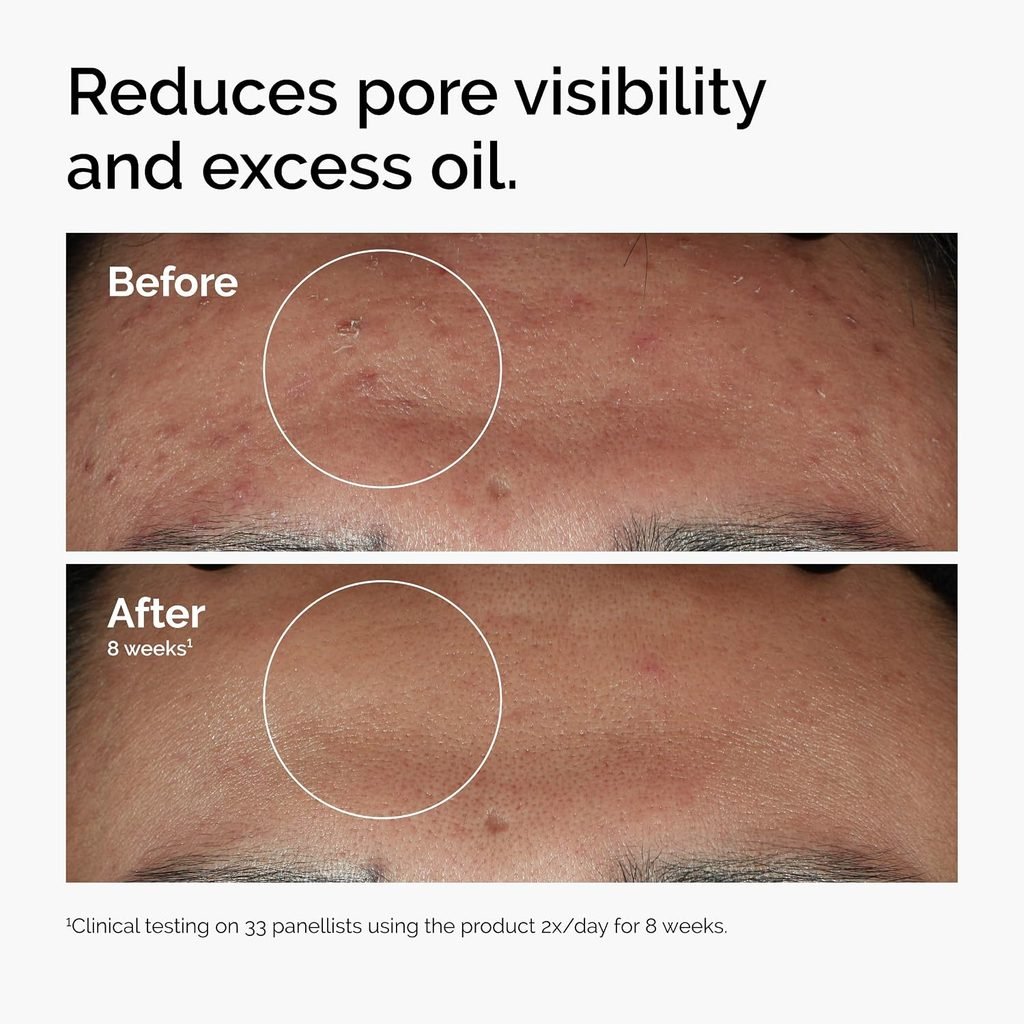
Searching for The Ordinary niacinamide 10% + zinc 1% before and after results turns up plenty of photos. Here’s how to read them:
- Lighting, camera angle, and filters can change how skin looks.
- Some photos come from people using several products at once.
- Typical changes are subtle: less oil, fewer small bumps, a slightly more even tone.
If you want to track your own progress, take photos in the same light and at the same time of day, every two weeks.
Long-Term Use
Over several months, users who tolerate the serum often describe stable oil levels and fewer minor flare-ups. Continued benefits usually depend on consistent use, along with sunscreen and a simple routine.
When to Reassess
Consider changing course if:
- You’ve used it consistently for 8 to 12 weeks with no change
- Your skin becomes more irritated over time
- Your acne is getting worse
At that point, a dermatologist can help build a more targeted plan.
FAQ
What is The Ordinary Niacinamide 10% + Zinc 1%?
It’s a lightweight serum that combines. The Ordinary 10% niacinamide and 1% zinc PCA. It’s designed for oily, blemish-prone skin and aims to reduce the look of excess oil and smooth skin texture.
Does The Ordinary Niacinamide 10% Zinc 1% actually work for blemishes?
It may help with mild blemishes and visible oil, based on research on niacinamide and user feedback. It’s not a medicated acne treatment, and it’s unlikely to clear moderate or severe acne on its own.
Is The Ordinary Niacinamide 10% Zinc 1% worth buying?
For oily, mildly breakout-prone skin, many people find it a good value. It’s low-cost, widely available, and easy to try. It’s less suitable for very sensitive skin or severe acne.
How long does it take to see results?
Most people need four to eight weeks of consistent use to judge results. Some changes, like less shine, may show up earlier. Dark marks can take longer.
Can I use it every day?
Many people use it once or twice a day. If your skin is new to niacinamide, start once a day or every other day and build up.
Should I use it in the morning or at night?
Either works. Many people use it in the morning under sunscreen, and some use it at night. What matters most is consistency.
Can I use it with vitamin C?
Many people use both without issues. If your skin gets irritated, use them at different times of day.
Can I use it with retinol or exfoliating acids?
Often yes, but introduce one product at a time. Combining several actives at once raises the chance of irritation.
Does it shrink pores?
It can make pores look smaller by reducing oil and improving texture. It doesn’t permanently change pore size, which is mostly genetic.
Why does it feel sticky or pill?
Using too much product is the most common cause. Try fewer drops, apply to damp skin, wait a minute or two, and pat your next products on.
Can it cause breakouts?
Some users report new bumps. The cause may be irritation, a reaction to another ingredient, or other routine changes. Stop use if breakouts continue and talk to a professional.
Is 10% niacinamide too strong?
For some people, yes. Many do well at 10%, but others get redness or tingling. A lower-strength serum is a sensible start for sensitive skin.
Is it safe during pregnancy?
Many people use The Ordinary niacinamide during pregnancy, but you should check with your doctor or healthcare provider before adding new skincare products.
Where is the best place to buy it in the US?
Amazon and Walmart both carry it, and the brand’s official site does too. Check that the seller is the retailer or the brand itself to reduce counterfeit risk.
Is it better than alpha arbutin for dark spots?
They do different jobs. The Ordinary Niacinamide is a broader choice for oil and tone. Alpha arbutin is more focused on pigment. Some people use both.
Final Verdict
After weighing the product specifications, available user feedback, and comparisons with competing products, this is my overall take for The Ordinary Niacinamide 10% + Zinc 1% review for oily acne-prone skin.
This serum is a good-value, widely recommended option for oily and mildly blemish-prone skin. It delivers modest, gradual benefits, not dramatic transformations.
What It Gets Right
- It’s affordable, which makes it easy to try.
- Niacinamide has a solid research base for oil control, tone, and barrier support.
- The formula is simple and fragrance-free.
- It’s easy to find in the US.
What to Watch For
- The 10% strength can irritate sensitive skin.
- Tackiness and pilling are common complaints, though they can be managed.
- Zinc PCA is a minor player with limited proof.
- It won’t replace professional care for moderate to severe acne.
My Recommendation
If you have oily or combination skin, mild breakouts, and some patience, this serum is worth trying. Patch test first, start slowly, use sunscreen daily, and give it at least six to eight weeks.
If your skin is very sensitive, consider a lower-strength niacinamide product first. If your acne is severe, see a dermatologist and treat this serum as an optional extra, if at all.
Where to Buy
If you decide to try it, compare the current listing and price at your preferred retailer. Check the seller before you order. You can see the latest price here: Check Price on Amazon
Final Score
| Category | Rating |
|---|---|
| Value for money | 4.5 / 5 |
| Effectiveness for oily skin | 4 / 5 |
| Gentleness | 3 / 5 |
| Texture and layering | 3 / 5 |
| Availability | 4.5 / 5 |
| Overall | 4 / 5 |
This review is for general information and isn’t medical advice. For persistent or severe skin concerns, consult a qualified dermatologist.

I’m an SEO content writer and product researcher with experience creating well-researched product reviews, comparisons, buying guides, affiliate articles, and helpful website content. At LoookNow, I focus on researching products, comparing features and value, and creating clear, engaging, search-optimized content to help readers make more informed purchasing decisions. My goal is to provide useful, trustworthy, and easy-to-understand information that saves readers time and reduces confusion when choosing products online.