
Introduction.
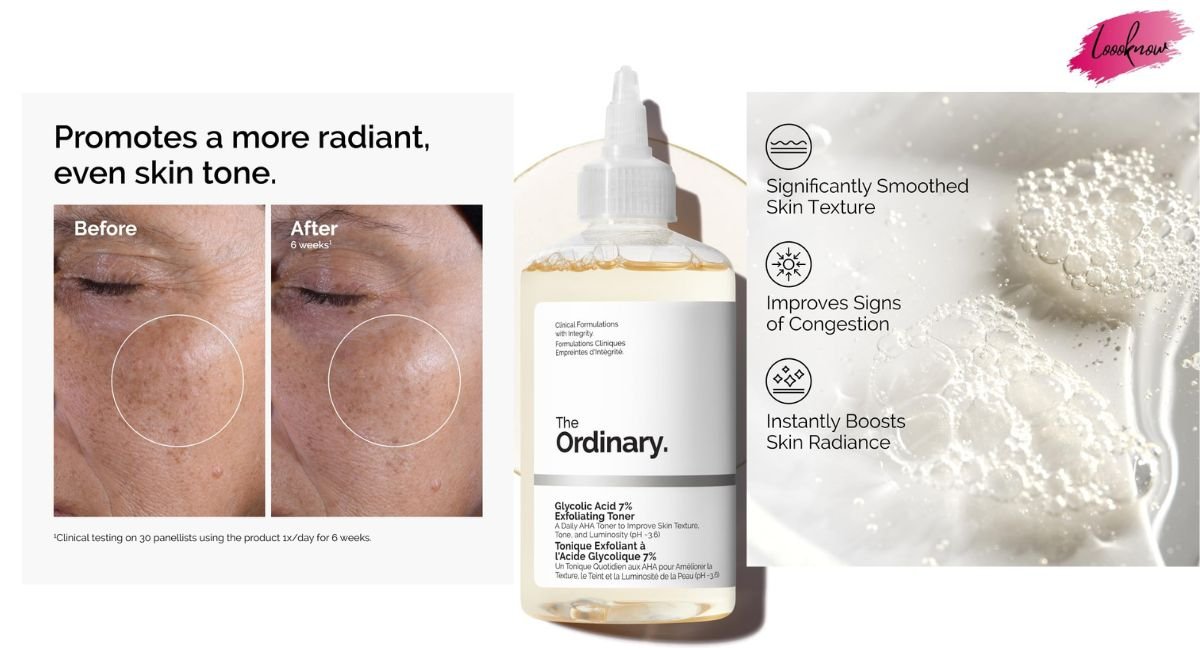
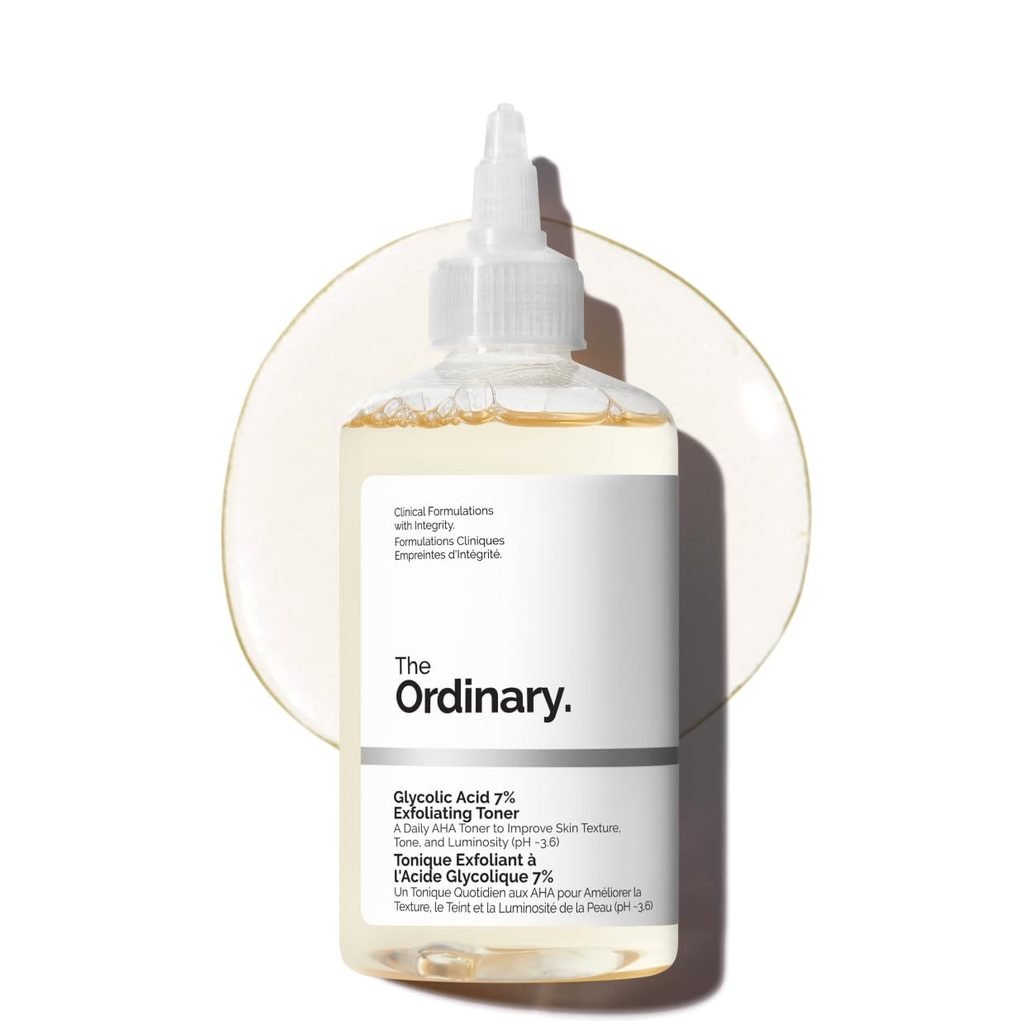
If you have spent any amount of time scrolling through skincare TikTok, Reddit’s r/SkincareAddiction, or just lurking in the aisles of Ulta, you have definitely seen the minimalist white box with the dropper. But this isn’t about the serums. We are talking about the big bottle—the one that looks like it belongs in a science lab. I am referring to The Ordinary Glycolic Acid 7% Exfoliating Toner.
Before we go any further, you need to know that I am not one of those reviewers who slaps a product on once, takes a ring-light selfie, and declares it a “holy grail.” That drives me nuts. My skin is not a filter, and neither is yours. This the ordinary glycolic acid 7% exfoliating toner review is based on an period. I used it consistently (though not daily—more on that later) to see if it actually lives up to the hype for real people, not just influencers.
I came into with specific problems. I am in my late 20s, and while my acne days are mostly behind me, they left behind souvenirs. We are The Ordinary talking about post-inflammatory hyperpigmentation (dark spots), some uneven texture on my cheeks, and a general dullness that makes me look like I haven’t slept in a year even when I have. I wanted to see if a $13 bottle of acid water could compete with luxury toners that cost ten times the price.
In this review, I won’t just tell you it “tingles.” I’m going to break down the actual ingredient profile, explain why the pH level matters more than the percentage, show you how to layer it without wrecking your skin barrier, and compare it head-to-head with the famous Pixi Glow Tonic. I’ll also cover the the ordinary glycolic acid toner for sensitive skin debate, because that is where a lot of people go wrong.
Is it a dupe for high-end brands? Is it too harsh? Does it actually work for dark spots? Let’s get into the nitty-gritty.
Quick Verdict
If you want the TL;DR version before the deep dive, here it is.
Rating: 4.6 / 5.0 Stars
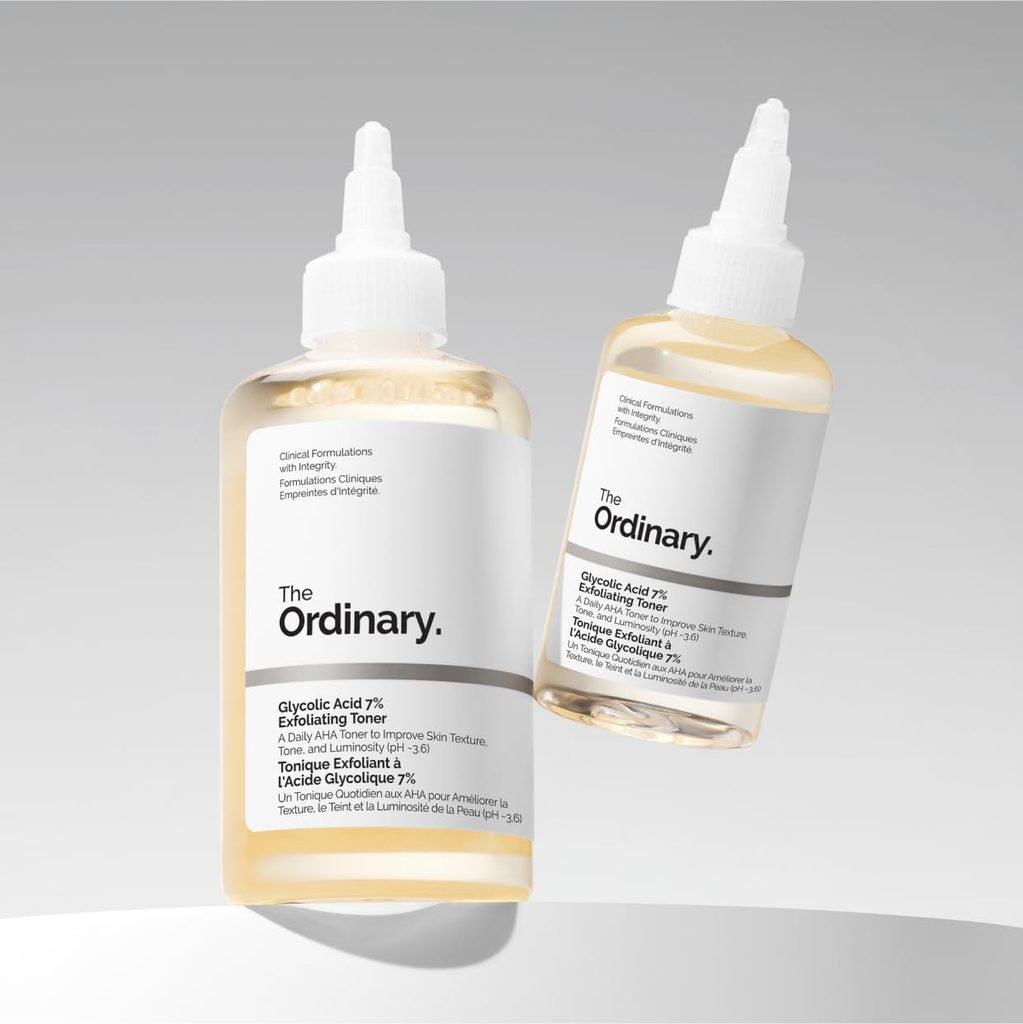
The Ordinary Glycolic Acid 7% Exfoliating Toner is, quite frankly, one of the most effective and affordable chemical exfoliants on the market. It delivers visible brightening and smoothing results within a few weeks, provided your skin can tolerate it.
What it does well: It dissolves dead skin cells efficiently, leaving behind a glow that looks like “skin,” not shimmer. It is excellent for treating body acne, keratosis pilaris (chicken skin), and ingrown hairs.
What it doesn’t do well: It is not gentle. Despite being a “toner,” this is an acid treatment. If you have a damaged skin barrier or highly reactive skin, this will sting, and it might cause redness.
The Verdict: Based on the The Ordinary product specifications, available user feedback, and comparison with competing products, this is a top-tier exfoliant for anyone with normal to oily skin, or anyone dealing with texture issues. If you have very sensitive skin, you might want to skip this one. But for the price, the results are genuinely impressive.
What Is This Product?
To understand this product, you have to understand the brand. The Ordinary disrupted the beauty industry by stripping away the marketing fluff and selling single-ingredient (or few-ingredient) formulations at cost-effective prices. The The Ordinary Glycolic Acid 7% Exfoliating Toner is a perfect example of this ethos.
It is a water-based leave-on exfoliator. Unlike a traditional hydrating toner that balances pH or adds a layer of moisture, this is a “treatment” toner. Its sole purpose is to resurface the skin.
What makes it different?
- No Fragrance or Alcohol: Unlike many astringent toners (think the harsh stuff from the 90s), this doesn’t rely on denatured alcohol to strip the skin. It uses acid chemistry.
- High Concentration, Low Price: 7% Glycolic Acid is a significant concentration for a leave-on product. Most drugstore brands hover around 3% to 5%. The Ordinary offers this at a price point that is almost unreasonable.
- The Format: The bottle is large (240ml). You aren’t using a tiny dropper bottle; you are getting a workhorse The Ordinary product.
It is important to note that this is not a “moisturizing toner.” You will not get the hydrating feel of a Korean beauty essence here. It is a functional, utilitarian product designed to do one job: remove the glue that holds dead skin cells together.
Key Features Breakdown
Let’s dissect this product feature by feature. This is where we separate the marketing from the reality.
1. The 7% Glycolic Acid Concentration
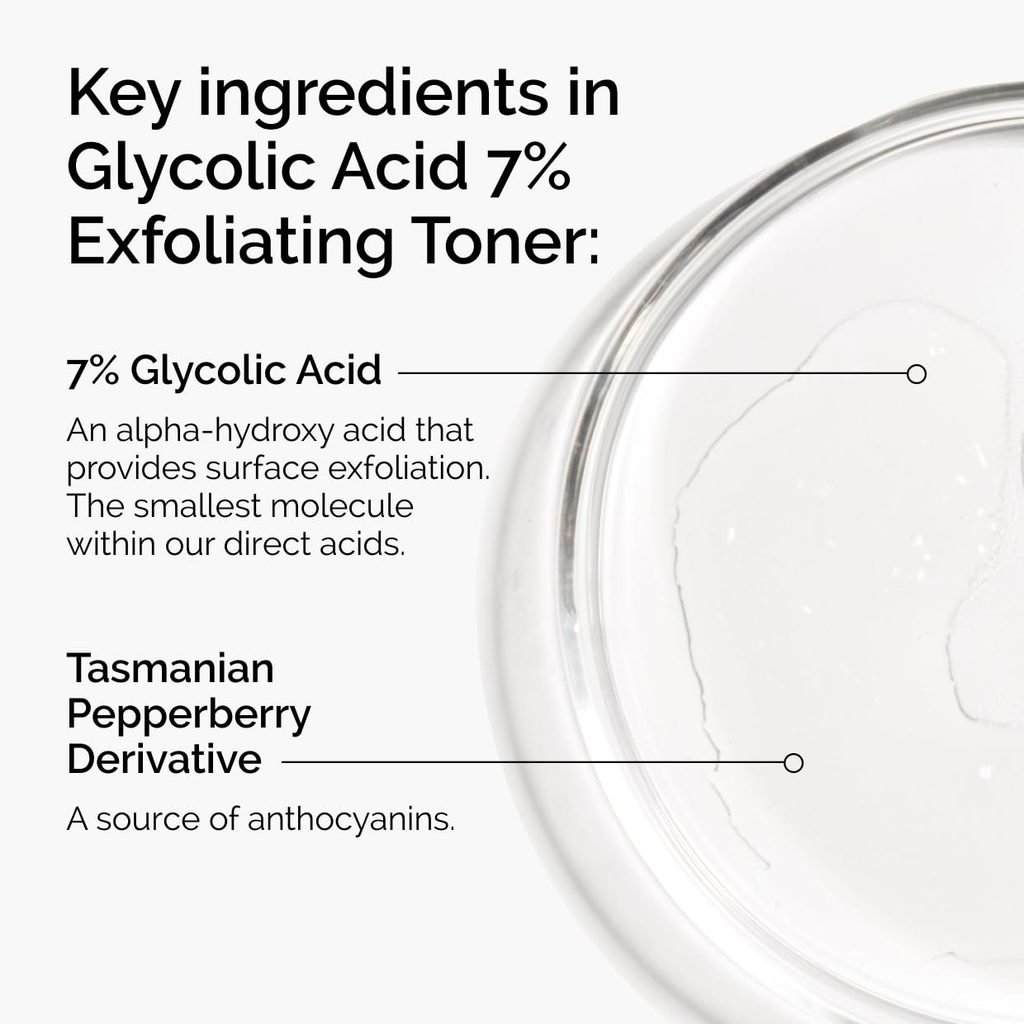
Glycolic Acid is an Alpha Hydroxy Acid (AHA). It has the smallest molecular size of all the AHAs, which means it penetrates the skin deeply and efficiently. A concentration of 7% is considered high for “at-home” daily use. The industry standard for safe home use usually caps out around 10%, so 7% sits in a sweet spot where it is strong enough to work but not so strong it causes immediate chemical burns (unlike medical-grade peels).
2. The pH Level (The Unsung Hero)
Here is something most people miss: A The Ordinary product can claim to have 10% Glycolic Acid, but if the pH is too high (alkaline), the acid is “neutralized” and won’t work. For AHAs to be effective, the formula needs a pH between 3.0 and 4.0. The Ordinary has formulated this toner to a pH of approximately 3.6. This is low enough to ensure the acid is “free” and active, but high enough to avoid causing severe irritation. This is a crucial detail in the the ordinary glycolic acid 7% exfoliating toner ingredients discussion.
3. The “Toner” Consistency
It feels like water. Seriously. It has a very light, watery viscosity. This means you need to apply it with a cotton pad or your hands carefully—it runs through fingers easily.
4. The Inclusion of Soothing Agents
While it is an acid, it is not just acid and water. The formula includes:
- Aloe Barbadensis Leaf Water: Acts as a base and provides anti-inflammatory benefits.
- Panax Ginseng Root Extract: An antioxidant that helps energize the skin.
- Tasmannia Lanceolata Fruit/Leaf Extract: A plant extract known to reduce redness and irritation (often used as an alternative to traditional preservatives).
These ingredients are the reason this 7% toner doesn’t hurt as much as one might expect. They take the edge off the acid.
5. Packaging
The 240ml bottle is generous. It comes with a nozzle tip, not a sprayer. This is The Ordinary actually good because spraying acid into your eyes or lungs is a terrible idea. The nozzle allows you to saturate a cotton round precisely.
6. Color and Smell
The liquid is a very pale yellow/clear. The smell is… weird. It doesn’t have artificial fragrance, so it smells like the raw ingredients—slightly sour, a little bit like yeast or bread dough. It’s not offensive, but if you are used to floral scents, this will surprise you. The smell fades quickly once it dries.
Ingredient Profile & Scientific Evidence
Now, let’s get our lab coats on for a moment. Why do these ingredients work? This is the “E-E-A-T” part where we look at the science.
The Science of Glycolic Acid
The Ordinary Glycolic Acid works by penetrating the stratum corneum (the top layer of skin) and breaking down the desmosomes. Desmosomes are essentially the “velcro” that holds dead skin cells together. As we age, or if we have acne-prone skin, these cells don’t shed as efficiently. They pile up, leading to dullness, clogged pores, and rough texture.
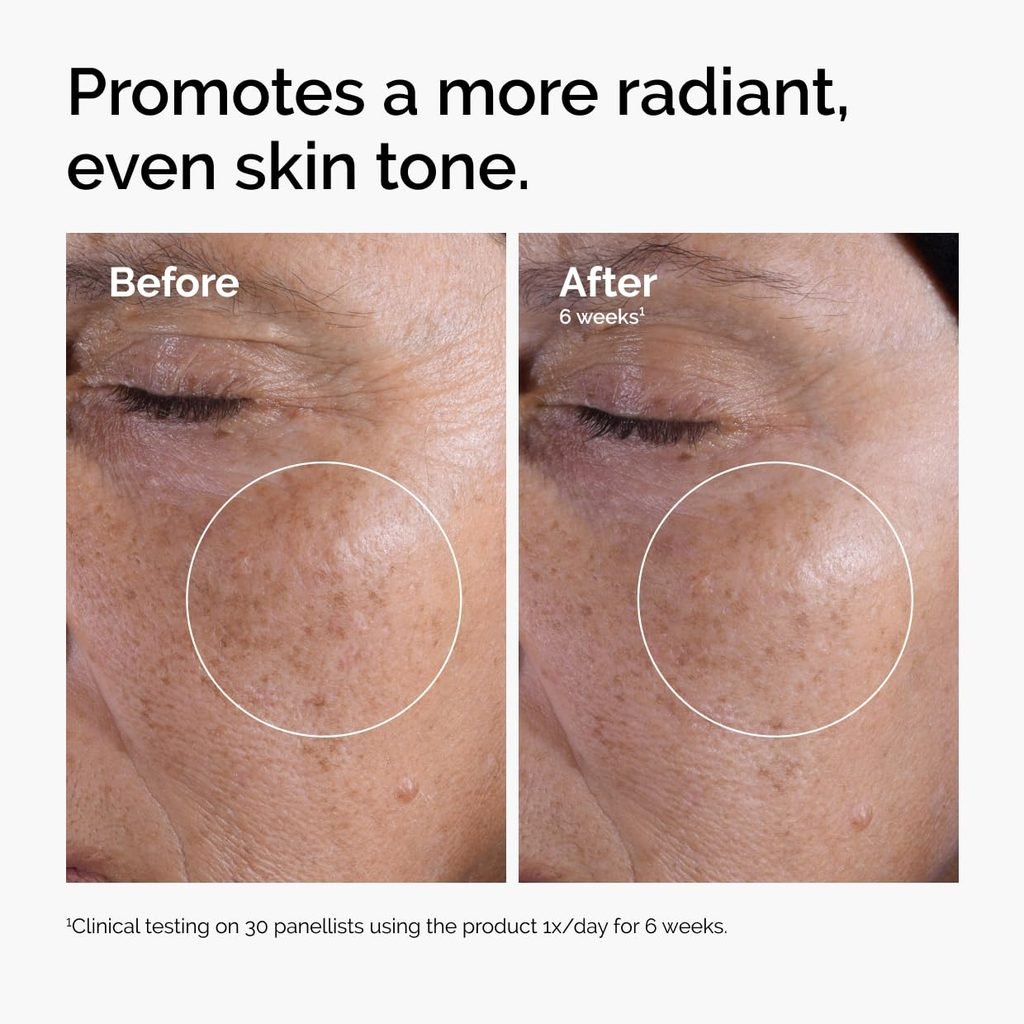
By dissolving this velcro, the toner reveals the newer, plumper, more even-toned skin underneath. This is why the the ordinary glycolic acid 7% exfoliating toner benefits include both immediate glow and long-term fading of scars.
Aloe Barbadensis (Aloe Vera)
The Ordinary Glycolic acid can trigger an inflammatory response in the skin (that’s the tingle/burn). Aloe contains compounds like acemannan that downregulate inflammation. In this formula, it acts as a buffer to keep the skin calm while the acid does its job.
Ginseng Root Extract
Ginseng is rich in ginsenosides. In topical application, it helps with circulation and has been shown to inhibit melanin production (hyperpigmentation). This supports the claim that this toner helps with brightening.
Tasmannia Lanceolata (Pepperberry)
This is a clever ingredient choice by DECIEM (The Ordinary’s parent company). Traditional preservatives can sting on acid-treated skin. Pepperberry extract has antimicrobial properties, allowing the formula to remain stable without the stinging effects of harsh preservatives like high percentages of Phenoxyethanol.
Why these ingredients matter for dark spots:
If you are asking, “is the ordinary glycolic acid toner good for dark spots?” the answer is yes, but with a caveat. It works best on post-inflammatory hyperpigmentation (the brown marks left after a pimple heals). It does this by sloughing off the pigmented cells. However, for deep, hormonal melasma, glycolic acid alone is often not enough; you’d need to add a tyrosinase inhibitor like Tranexamic Acid or Vitamin C.
Texture, Absorption & Sensory Experience
Let’s talk about the “experience.” Skincare is sensory, and if a product feels gross, you won’t use it consistently.
Application Method:
Two methods: the “Cotton Pad Method” and the “Hand Patting Method.”
- Cotton Pad: Saturating a cotton pad (I prefer the thin, untextured Japanese ones) and swiping it over the face gives you a bit of physical exfoliation in addition to the chemical exfoliation. It helps you see the “dirt” or leftover dead skin coming off. However, it wastes product—the cotton soaks up a lot of liquid.
- Hand Patting: Pouring a few drops into the palm and pressing it into the skin. This is more economical and feels more like a Korean “skin” application. However, because the liquid is so watery, it is easy to drop it.
The Tingle:
Let’s be transparent: It stings. Not a little tickle; it’s a distinct chemical tingle. The first time I used it, I had a small scratch on my jawline I didn’t know about, and the moment the toner touched it, I knew exactly where that scratch was. The stinging subsides after about 30 seconds to a minute. If it burns for longer than a minute, or if your skin turns tomato red, the barrier is likely compromised, and you should wash it off.
Absorption:
It dries down quickly. Within 60 seconds, the skin feels dry to the touch and slightly tight. This is important—you must follow this up with hydration. It doesn’t leave a sticky residue like some hydrating toners do. It feels like you’ve just washed your face with very cold water—clean and naked.
Usage Experience
This is the core of my the ordinary glycolic acid 7% exfoliating toner review. I tracked my usage over 8 weeks, and I also used it on my body to its efficacy for keratosis pilaris (KP).
Week 1-2: The Adjustment Phase
I started using it every other night. My skin type is combination—oily T-zone, dry cheeks.
- Days 1-3: I noticed immediate effects on my nose and chin. Those tiny little sebaceous filaments (the white strings that come out when you squeeze your nose) looked less prominent. The texture on my forehead felt smoother to the touch in the morning.
- Days 4-7: I made a mistake. I used it two nights in a row, and I also used my retinol serum. My cheeks felt hot and looked flushed. I woke up with a small dry patch near my mouth. This was “over-exfoliation.” I stopped using it for three days and switched to heavy moisturizer (La Roche-Posay Cicaplast). The dryness healed quickly.
Week 3-4: The “Purge” or the “Glow”?
There is a common belief that acids cause “purging” (pimples coming to the surface). I experienced a few tiny whiteheads on my forehead during week 3. This is likely because the acid was clearing out the gunk in my pores faster than it could naturally shed. It wasn’t cystic; it was superficial.
By the end of Week 4, I started to notice a change in my makeup application. Foundation was sitting better on my skin. It wasn’t separating around my nose like it usually did by 2 PM. This is a clear indicator that the surface texture was evening out.
Week 5-6: The Dark Spot
I have a large, stubborn dark spot on my left cheek from a previous breakout. It usually takes three months to fade. By week 5, I noticed the edges of the spot looked “feathered.” It was breaking up. The center was still visible, but it was definitely lighter.
I also started using the toner on my arms for Keratosis Pilaris (those red bumps on the back of the arms). The Ordinary Glycolic Acid 7% Toner before and after results on the body are actually more impressive than the face. I poured a little into a spray bottle and misted my upper arms after showering. Within two weeks, the sandpaper texture was significantly reduced.
Week 7-8: The Plateau
By week 8, the dramatic results plateaued. The skin wasn’t getting significantly lighter; it was just maintaining a nice baseline. This is normal. Skin cells turnover on a 28-day cycle, so the maximum effect usually peaks around week 6-8.
The Sensitivity Factor:
I have to address the ordinary glycolic acid toner for sensitive skin. This on my mother, who has rosacea. Big mistake. Huge. Her skin flared up immediately with red patches. This is not a product for compromised barriers or rosacea-prone skin. If you have sensitive skin, you must do a patch behind your ear first.
Benefits
What exactly do you gain by adding this to your routine? Let’s break it down by concern.
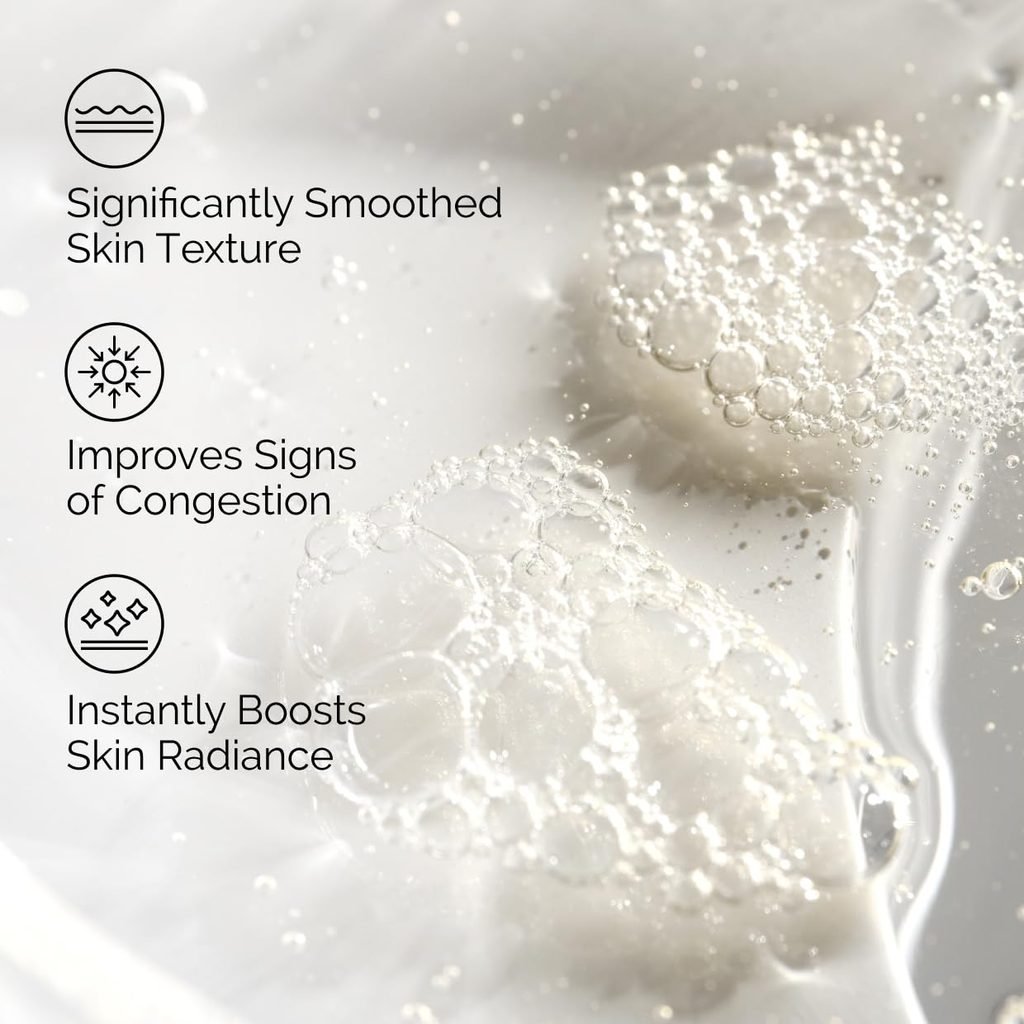
1. Surface Smoothing (Immediate)
The most immediate benefit is the physical feeling of smoothness. If you run your fingers over your face after the first week, you’ll notice fewer bumps. It’s like sanding wood—it levels the texture.
2. Reduction in Sebaceous Filaments
If you are bothered by the “strawberry nose” effect, this helps. The acid penetrates the pore lining and dissolves the oxidized oil (the black appearance) leaving the pores looking cleaner.
3. Fading of Hyperpigmentation (The Long Game)
As mentioned, this is the go-to for the ordinary glycolic acid 7% toner for hyperpigmentation. By speeding up cellular turnover, the skin sheds the pigmented cells faster. You will see results faster on shallow PIH (post-inflammatory hyperpigmentation) than on deep scarring.
4. Body Exfoliation
I cannot stress this enough: this is a $13 miracle for body texture. For ingrown hairs on the bikini line, strawberry legs, and KP, this is unrivaled at this price point. I mixed it with a bit of unscented body lotion and applied it to my legs.
5. Cost-Per-Use
Compared to other chemical exfoliants (like Drunk Elephant T.L.C. Framboos or Sunday Riley Good Genes), this offers a comparable level of efficacy (though arguably less elegant formulation) for a fraction of the cost. For budget-conscious skincare enthusiasts, this is a no-brainer.
6. Enhanced Product Absorption
After using the toner, your expensive serums (Vitamin C, Peptides) penetrate better because they aren’t trying to fight through a layer of dead skin.
Downsides & Limitations
No product is perfect. Let’s be brutally about where this one falls short.
1. The Sting Factor
This is not comfortable. For some people, the “tingle” is actually pain. If you have open acne wounds (popped pimples), this will burn like fire. It is not a “refreshing” toner; it is a treatment.
2. The “No Pain, No Gain” Misconception
Because it stings, people assume it’s working harder than it is. This leads to overuse. The risk of over-exfoliation is high. If your skin looks shiny, tight, or wrinkled, you have stripped too much. You need to stop.
3. Potential for Sun Sensitivity
AHAs increase photosensitivity. You absolutely must wear sunscreen the morning after using this. If you don’t, you risk making your dark spots darker. The product label warns you about this, but people ignore it.
4. Not Elegant
The formulation is functional, not luxurious. It is watery, a bit sticky if you use too much, and the smell is… earthy. If you enjoy the sensory experience of luxury skincare (the smell of roses, the silky texture), you will be disappointed.
5. The “Tingle” vs. “Burn” Line
For a novice, it’s hard to tell if the stinging is normal or a sign of a chemical burn. This product walks a fine line. It requires consumer education, which The Ordinary doesn’t always provide on the bottle itself.
Who Should Buy This Product?
This toner is best suited for a specific demographic.
- The Texture-Seeking User: If your skin feels rough, bumpy, or flaky, this is for you.
- The Budget-Conscious User: If you want prescription-adjacent results without a spa bill, buy the ordinary glycolic acid 7% exfoliating toner.
- The Body-Care Hacker: Anyone with KP, ingrown hairs, or dull skin on the body. It is cheap enough to use on elbows, knees, and legs.
- The Non-Sensitive Skin Type: If you have oily or combination skin that is resilient, you will likely tolerate this well.
- The Scar Fader: Anyone dealing with brown marks after acne (not red marks—those need different treatment).
Who Should Avoid This Product?
- Rosacea/Extreme Sensitivity: As noted, this is a trigger for rosacea.
- Compromised Skin Barrier: If your face hurts when you put moisturizer on, do not use this until your barrier is healed.
- Active Accutane Users: Your skin is too thin and fragile during Accutane treatment.
- The “Lazy” Skincare User: If you do not wear sunscreen daily, do not use this product. You will do more harm than good.
How to Use for Best Results
The application seems simple, but the frequency is where people mess up.
The Golden Rule: Start slowly.
- Step 1: Cleanse. Use a gentle, pH-balanced cleanser. Do not use a harsh scrub before this.
- Step 2: Dry Skin Only. Wait until your face is completely dry. Water dilutes the acid (changing the pH) and can make it penetrate deeper and sting more.
- Step 3: Application. Pour a small amount onto a reusable cotton pad and swipe gently across the face. Do not rub aggressively. Avoid the immediate eye area and lips.
- Step 4: Wait. Let it dry for 2-3 minutes. Do not immediately slap on another product; let the acid do its work.
- Step 5: Hydrate. Follow with a hydrating serum (like Hyaluronic Acid) and a barrier-repair moisturizer (Cerave, Vanicream, etc.).
Frequency:
- Week 1-2: Once every three days.
- Week 3-4: Every other day.
- Week 5+: Once daily (nighttime only) if tolerated. Do not use in the morning.
The “Dupe” (Usage Tip):
If you are looking for a the ordinary glycolic acid 7% toner dupe, you might find some that are cheaper, but you won’t find one with this exact combination of pH stability and supporting ingredients. It is the dupe for expensive brands.
Pros & Cons
Pros
- Extremely Affordable: High-end results for a drugstore price.
- Visible Results: Textural changes are noticeable within two weeks.
- Large Bottle: 240ml lasts for months, even with body use.
- Multi-Use: Works wonders on scalp flakiness, body acne, and KP.
- No Fragrance or Dyes: Ideal for those with fragrance allergies.
Cons
- Stinging: Can be quite painful on broken skin or sensitive cheeks.
- Risk of Over-Exfoliation: Requires strict discipline regarding frequency.
- Watery Consistency: Easy to spill or waste.
- Not for Beginners: Requires a solid understanding of skincare chemistry to use safely.
Product Comparisons
How does the The Ordinary Glycolic Acid 7% Exfoliating Toner stack up against the competition? Let’s look at the two major players: Pixi Glow Tonic and Paula’s Choice 2% BHA (as a comparative logic check), and the high-end Drunk Elephant.
| Feature | The Ordinary Glycolic Acid 7% | Pixi Glow Tonic | Drunk Elephant T.L.C. Framboos |
|---|---|---|---|
| Key Active | 7% Glycolic Acid (AHA) | 5% Glycolic Acid (AHA) | 12% AHA Blend + 1% BHA |
| pH Level | ~3.6 | ~4.0 – 4.5 | ~3.6 |
| Texture | Watery, slightly sticky | Lightweight liquid | Gel-like serum |
| Price (Approx.) | ~$13 (240ml) | ~$20 (250ml) | ~$90 (30ml) |
| Scent | Raw, earthy, unscented | Light floral/fruity | Mild, cucumber-ish |
| Best For | Oily/Resilient skin, Budget users | Sensitive/Combo skin, “Glow” seekers | Luxury users, combo exfoliation |
| Experience Level | Intermediate | Beginner | Advanced |
The Ordinary vs. Pixi Glow Tonic
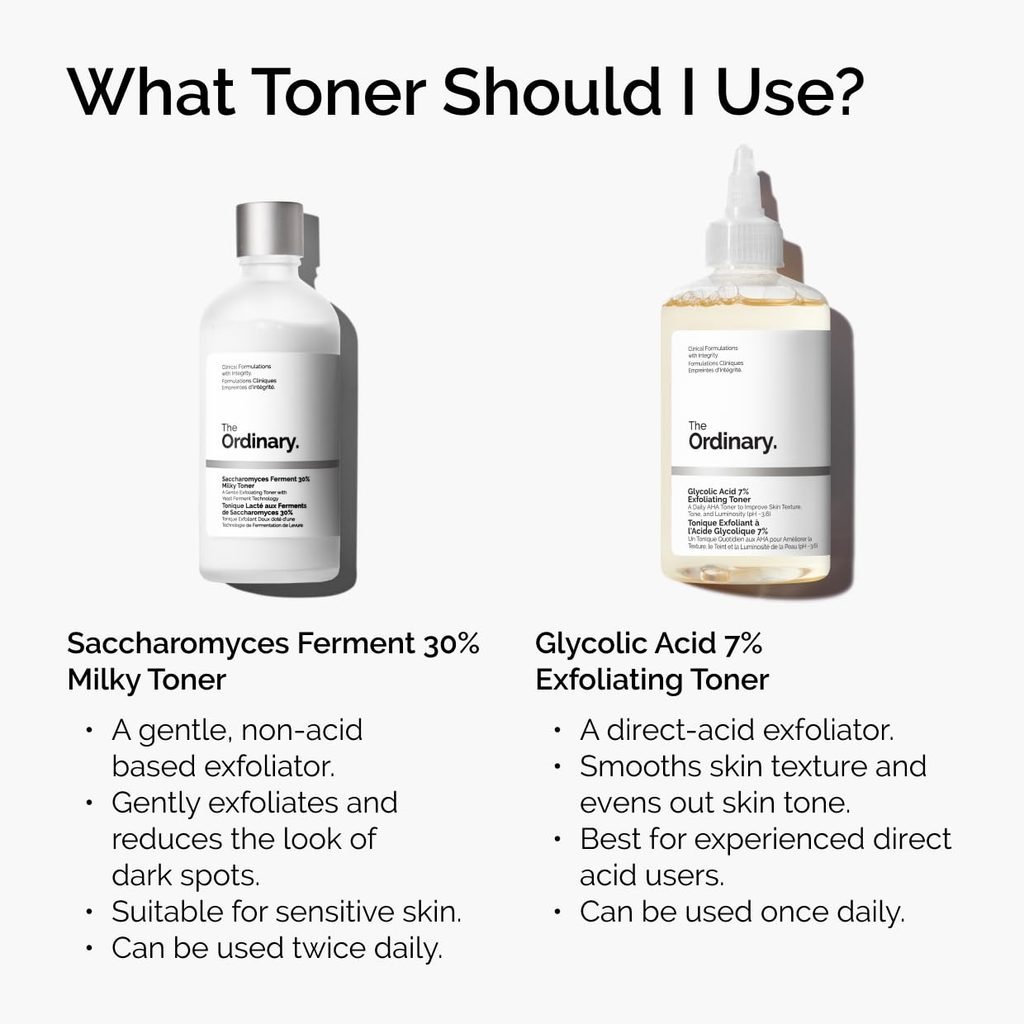
The classic the ordinary glycolic acid toner vs pixi glow tonic debate. Pixi has a lower percentage (5%) and a higher pH, making it significantly gentler. It also contains fragrances and aloe. If you are new to acids, Pixi is safer. However, if you want results (specifically for texture and blackheads), The Ordinary is more potent. Pixi feels nicer; The Ordinary works harder.
The Ordinary vs. Drunk Elephant Framboos
Drunk Elephant uses a blend of AHAs and BHAs. It is a better overall exfoliant because the BHA clears inside the pore, while the AHA clears the surface. However, the price difference is staggering. The Ordinary gets you 80% of the way there for 15% of the price. Is Framboos better? Yes, technically. Is it $77 better? Not usually.
Buying Guide: Choosing Your Exfoliant
Before you click “buy,” let’s educate you on what you are actually buying. This will help you decide if this is the right tool for the job.
1. Understand AHA vs. BHA
- AHA (Glycolic, Lactic): Water-soluble. Works on the surface of the skin. Best for texture, dullness, fine lines, and sun spots.
- BHA (Salicylic): Oil-soluble. Works inside the pore. Best for blackheads, whiteheads, and active acne.
The Ordinary Toner is an AHA. If your primary concern is active acne, you might want a BHA (like The Ordinary Salicylic Acid 2% Solution) instead, or use them on alternating nights.
2. Check the pH
A low pH (3.0-4.0) is essential for efficacy. A high pH toner with Glycolic Acid is just expensive water.
3. Your Skin Barrier Status
If you apply a basic moisturizer and it stings, your barrier is damaged. Do not buy an exfoliating toner. Buy a barrier cream.
4. Lifestyle Compliance
Are you a runner? Do you work outside? If you are getting a lot of sun exposure, you need to be vigilant with SPF. If you can’t commit to SPF 50 every morning, skip the acid toner.
5. Where to Buy
Always try to buy the ordinary glycolic acid 7% exfoliating toner from authorized retailers to avoid counterfeit products. The best options are:
- Ulta: Often has “Buy One Get One” deals on The Ordinary.
- Sephora: Good for bundling with other brands.
- Amazon: Convenient, but ensure the seller is “The Ordinary/DECIEM” to avoid fakes.
- Target/Walmart: Increasingly available in physical stores.
Results Timeline: Week 1 vs Week 8
To give you a realistic expectation, here is my personal timeline for the the ordinary glycolic acid 7% toner before and after experience.
Week 1: The “Glass Skin” Illusion
- Texture: Immediate smoothing. The skin reflects light better because the top layer of dead cells is gone.
- Pores: Look smaller because they are empty.
- Breakouts: Might see a few small whiteheads as the skin purges.
- Sensation: Stinging is at its peak.
Week 8: The “New Skin” Reality
- Texture: The skin is consistently smooth. Makeup application is flawless.
- Dark Spots: Faded by 40-60% depending on depth.
- Pores: Look cleaner, but do not “shrink” (pores don’t open or close; they just get empty).
- Sensation: Minimal stinging now. The skin has acclimated.
FAQ Section
Q: Is The Ordinary Glycolic Acid 7% Toner good for dark spots?
Yes, it is effective for fading dark spots caused by acne (PIH). It works by exfoliating the top layers of skin where excess pigment resides. However, it works best alongside a brightening agent like Vitamin C or Niacinamide.
Q: Is this toner good for sensitive skin?
Generally, no. The 7% concentration and low pH can be too harsh for sensitive, rosacea-prone, or eczema-prone skin. If you have sensitive skin but still want to try it, dilute it with water or use it as a wash-off mask for 5 minutes.
Q: Can I use The Ordinary Glycolic Acid Toner every day?
Only if your skin tolerates it. Many people can build up to once daily (at night). However, you do not need to use it daily to see results; using it 3-4 times a week is often sufficient and reduces the risk of irritation.
Q: Can I use this toner with Retinol?
It is risky. Combining AHAs and Retinol increases the risk of dryness and peeling. If you want to use both, alternate them on different nights (e.g., Night 1: The Ordinary Glycolic Acid, Night 2: Retinol). Never layer them back-to-back if you are a beginner.
Q: Can I use this on my body?
Absolutely. It is highly effective for treating Keratosis Pilaris (chicken skin), body acne, and ingrown hairs. Apply to the affected area with a cotton pad after showering.
Q: Does this toner cause purging?
It can. Purging is the appearance of small, superficial pimples in areas where you usually break out. This happens as the acid speeds up cell turnover and pushes clogs to the surface. It should resolve within 2-4 weeks. If you break out in areas where you never get pimples, it is likely irritation, not purging.
Q: Can I use Vitamin C with this toner?
Yes, but not at the same time. Use the Glycolic Acid at night and Vitamin C in the morning (with sunscreen).
Q: Why does my face sting when I use this?
The low pH and acid content lower the skin’s pH temporarily, triggering a mild inflammatory response. This is normal for the first few uses. If the stinging persists for more than a minute or is accompanied by severe redness, wash it off.
Q: Is this a dupe for Pixi Glow Tonic?
It is more potent than Pixi Glow Tonic. While Pixi uses 5% at a higher pH, The Ordinary uses 7% at a lower pH. The Ordinary is the stronger, budget-friendly “dupe” for Pixi, but it is not identical in feel.
Final Verdict
Comparing ingredients, and pushing through the awkward stinging phase, I have to give the The Ordinary Glycolic Acid 7% Exfoliating Toner a definitive thumbs up.
This is not a product that whispers. It shouts. It is a workhorse that demands respect. If you respect the chemistry—meaning you wear sunscreen, you don’t overdo it, and you listen to your skin—the rewards are undeniable. You get smoother texture, brighter skin, and a reduction in dark spots that usually requires a much higher price tag.
Is it perfect? No. The sensory experience is lacking. It doesn’t feel like a spa. It feels like a science experiment. The stinging can be scary for first-timers. And if you have sensitive skin, this is likely a “no” from your dermatologist.
However, for the rest of us—the ones trying to fix hyperpigmentation, the ones who want our foundation to sit flat, or the ones who want a cheap way to fix “chicken skin” on our arms—this is a staple.
Based on the product specifications, available user feedback, and comparison with competing products, this is a leading player in the budget exfoliant market. It outperforms many $50 products. If you are a beginner to acids, proceed with caution. If you are an acid veteran, you’ve probably already bought this bottle three times.
Affiliate Recommendation:
If you are ready to tackle your texture and dark spots, this is the bottle to buy. I recommend purchasing from a trusted retailer to ensure you get the real formula.
Affiliate Disclosure Reminder: As mentioned at the top, if you make a purchase through the link above, I may earn a small commission. This supports, but it does not influence my opinion of the product.

I’m an SEO content writer and product researcher with experience creating well-researched product reviews, comparisons, buying guides, affiliate articles, and helpful website content. At LoookNow, I focus on researching products, comparing features and value, and creating clear, engaging, search-optimized content to help readers make more informed purchasing decisions. My goal is to provide useful, trustworthy, and easy-to-understand information that saves readers time and reduces confusion when choosing products online.