
Heads up: If you buy through links in this review, I may earn a small commission at no extra cost to you. This doesn’t affect my ratings.
Introduction
Some dry skin never seems to get the memo. You moisturize after your shower, and by lunchtime your shins are tight, your elbows look ashy, and your lotion feels like it never happened. Hot water, cold air, and long days indoors keep pulling moisture out faster than a basic cream can replace it.
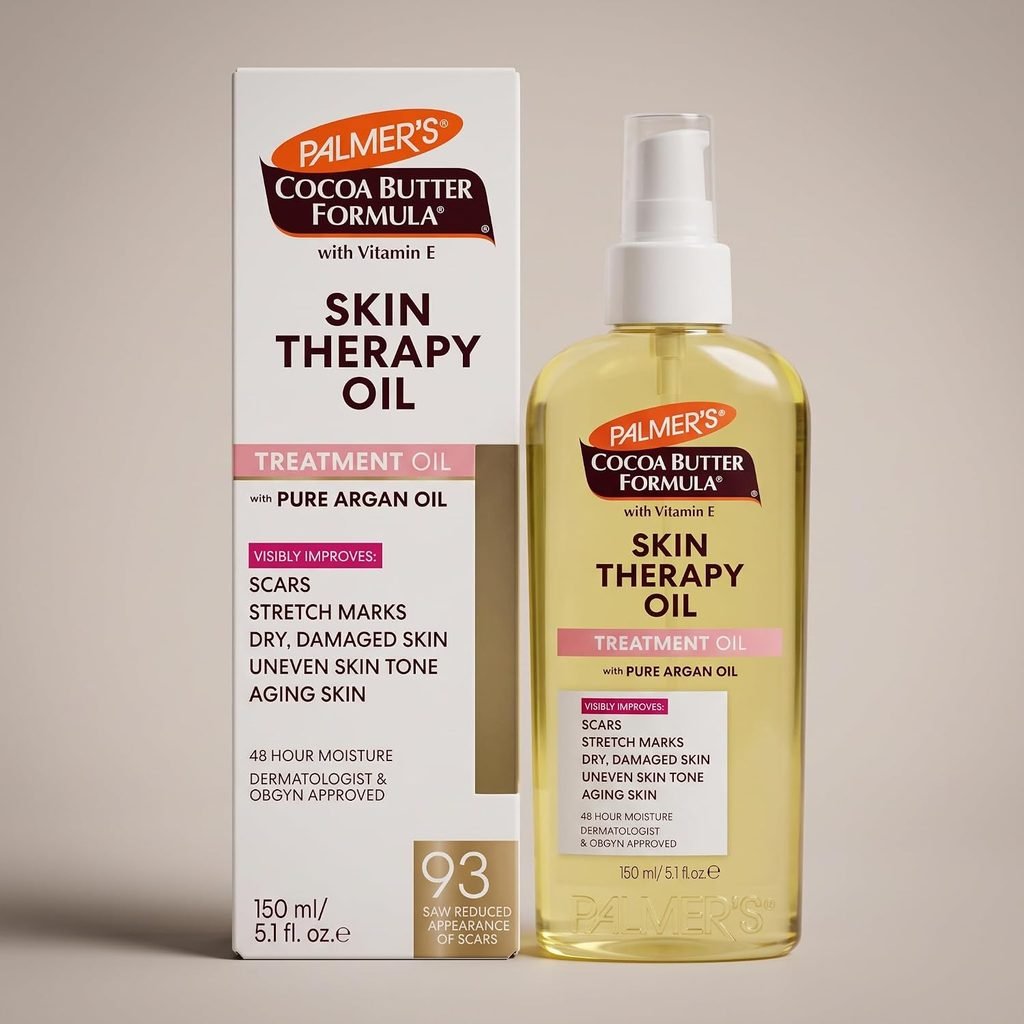
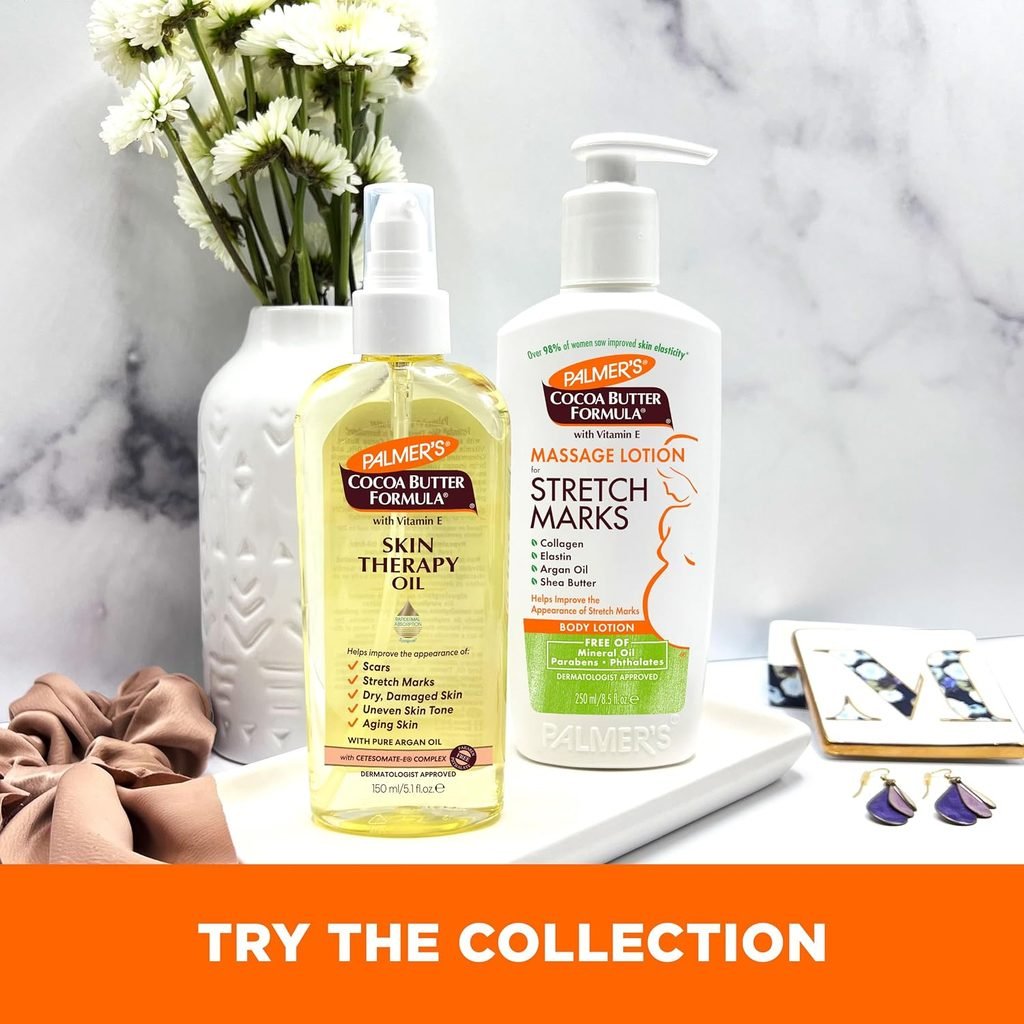
That is why so many people try a Palmer’s Skin Therapy Body Oil. Oils help seal in moisture, feel silky on the skin, and turn a quick routine into something you might actually keep doing. One of the most common picks in drugstores and online carts is Palmer’s Skin Therapy Body Oil, a 5.1 oz bottle built around cocoa butter, vitamin E, and argan oil. The brand also markets it for stretch marks, scars, and uneven skin tone, which is a lot to ask of one small bottle.
So does it deliver? This palmer’s cocoa butter body oil review breaks it down in plain language. I’m not a dermatologist, and nothing here is medical advice. Everything is based on the product’s specifications, its ingredient list, available customer feedback, and comparisons with similar body oils.
Here is what you will find inside:
- A quick verdict if you are short on time
- A closer look at the formula, including what sits high and low on the ingredient list
- How the scent and texture are likely to feel day to day
- Which results are realistic, and which marketing claims deserve a second look
- Who should buy it, and who should skip it
- How it compares with Palmer’s cocoa butter lotion, plus where to buy it on Amazon and Walmart
If you have been asking, “Is Palmer’s Skin Therapy Body Oil worth it?”, the answer depends on your skin type, your scent preferences, and what you expect it to do. The sections below will help you decide with confidence.
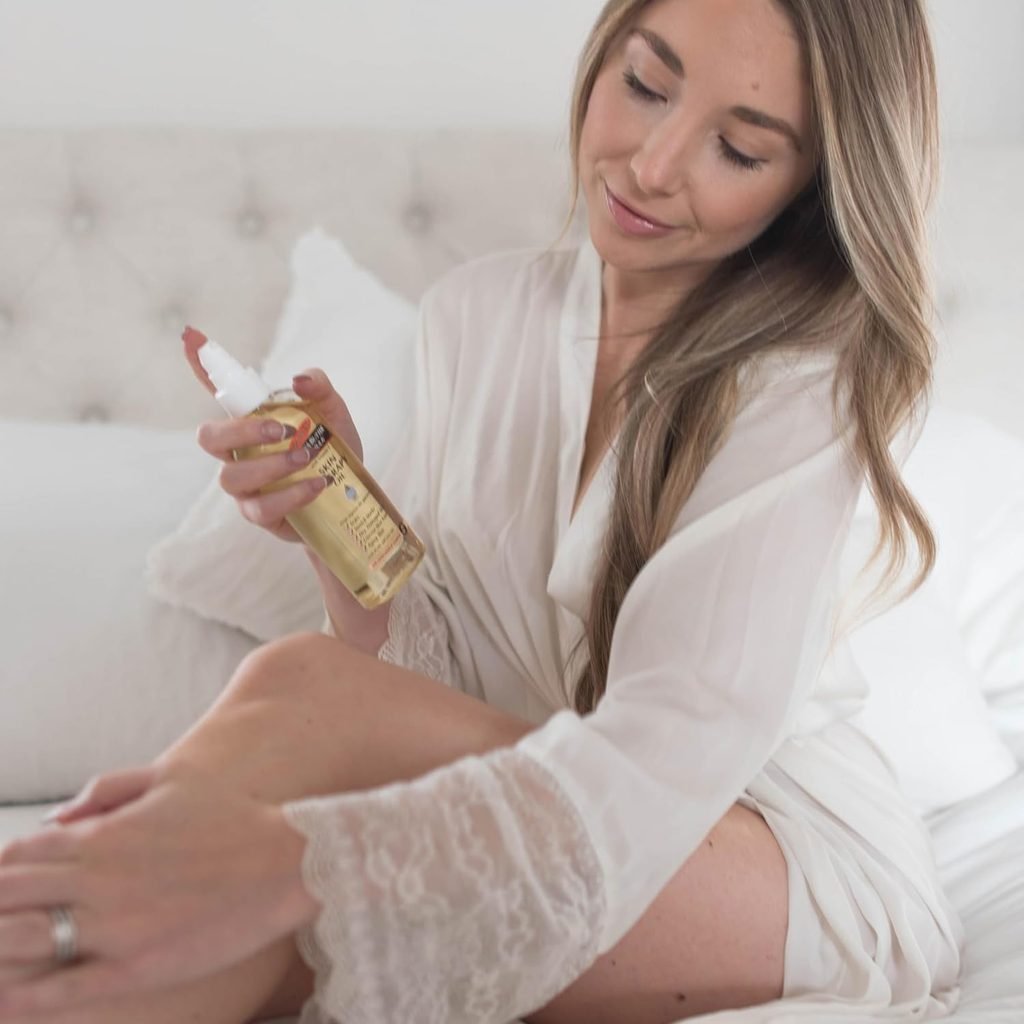



👉 Check Price on Amazon “See how we review products”
Quick Verdict
Overall rating (based on specs, feedback, and category comparison): 4 out of 5.
Palmer’s Skin Therapy Body Oil is a solid, affordable body oil for people with dry or rough skin who want a lightweight, easy-to-use option. It is not a miracle product, and it is not for everyone.
What it does well:
- Gives a smooth, soft feel to dry skin, especially when applied right after a shower
- Uses a light texture that many users describe as non-greasy compared with heavier oils
- Combines cocoa butter, argan oil, and vitamin E in a familiar Palmer’s formula
- Costs less than many premium body oils
- Works on the body, and the brand says it can be used on the face too
Where it falls short:
- It contains fragrance, which can bother sensitive skin
- It contains sesame oil, so anyone with a sesame allergy should check the label carefully
- Despite the “argan oil” claim on the front, argan sits well down the ingredient list
- The scar, stretch mark, and skin tone claims come from the brand’s own consumer trial, not independent research
- It is an oil, so it does not replace a thicker cream for very dry skin on its own
Best for: Normal to dry skin, post-shower moisturizing, and anyone who likes a cocoa-scented routine.
Not ideal for: Fragrance-sensitive skin, known sesame allergy, or anyone who wants clinical-level treatment for scars or stretch marks.
If you want a simple, budget-friendly oil that makes dry skin feel softer, it earns a place on the shortlist. If you have reactive skin, read the ingredients and downsides sections before buying.
What Is Palmer’s Skin Therapy Body Oil?
Palmer’s Skin Therapy Body Oil is a cocoa butter–based body oil made by Palmer’s, a brand best known for cocoa butter creams, lotions, and pregnancy skincare. The 5.1 oz bottle is a multi-purpose oil for dry, rough, or uneven-looking skin.
Palmer’s has been in the cocoa butter business for a long time, and its products are easy to find in grocery stores, pharmacies, and big retailers. The Skin Therapy Oil sits in the brand’s “Cocoa Butter Formula” line. It is positioned somewhere between a basic moisturizer and a targeted skin treatment.
How it is positioned
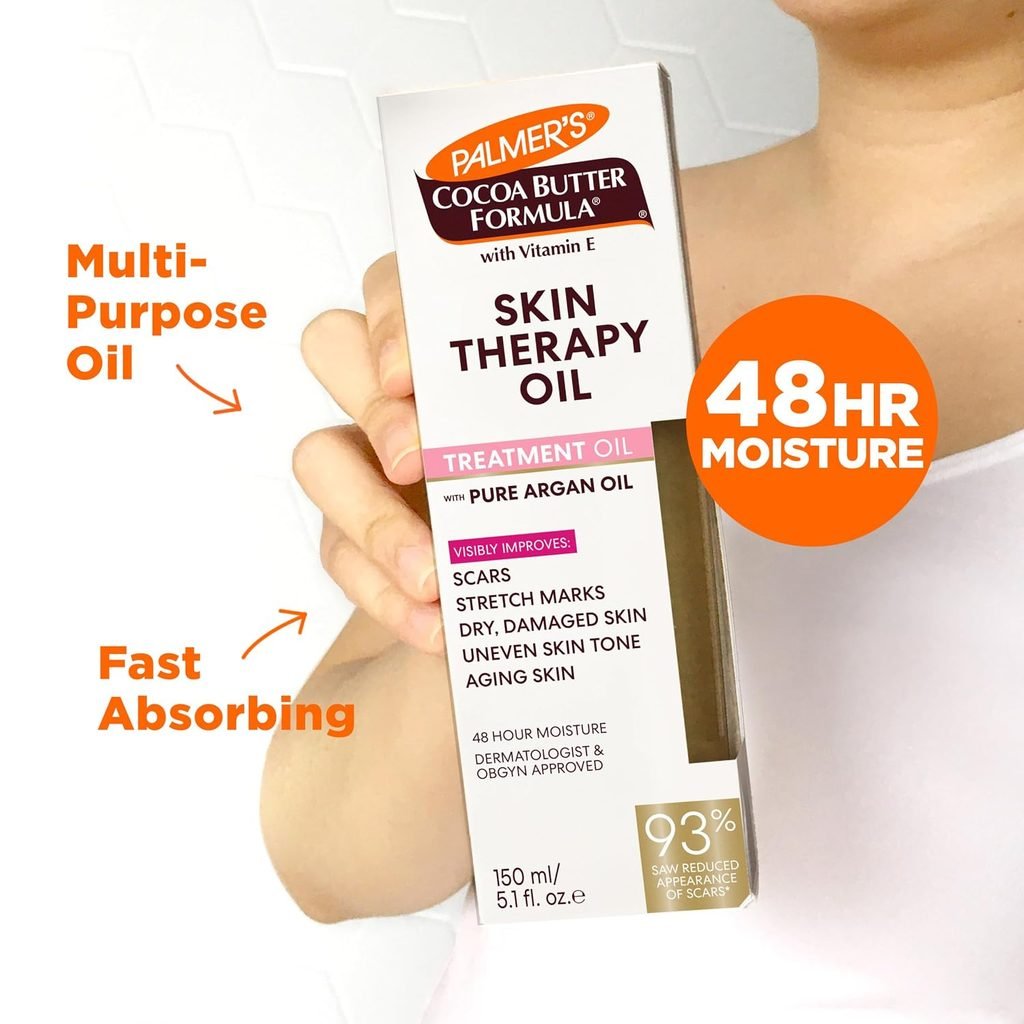
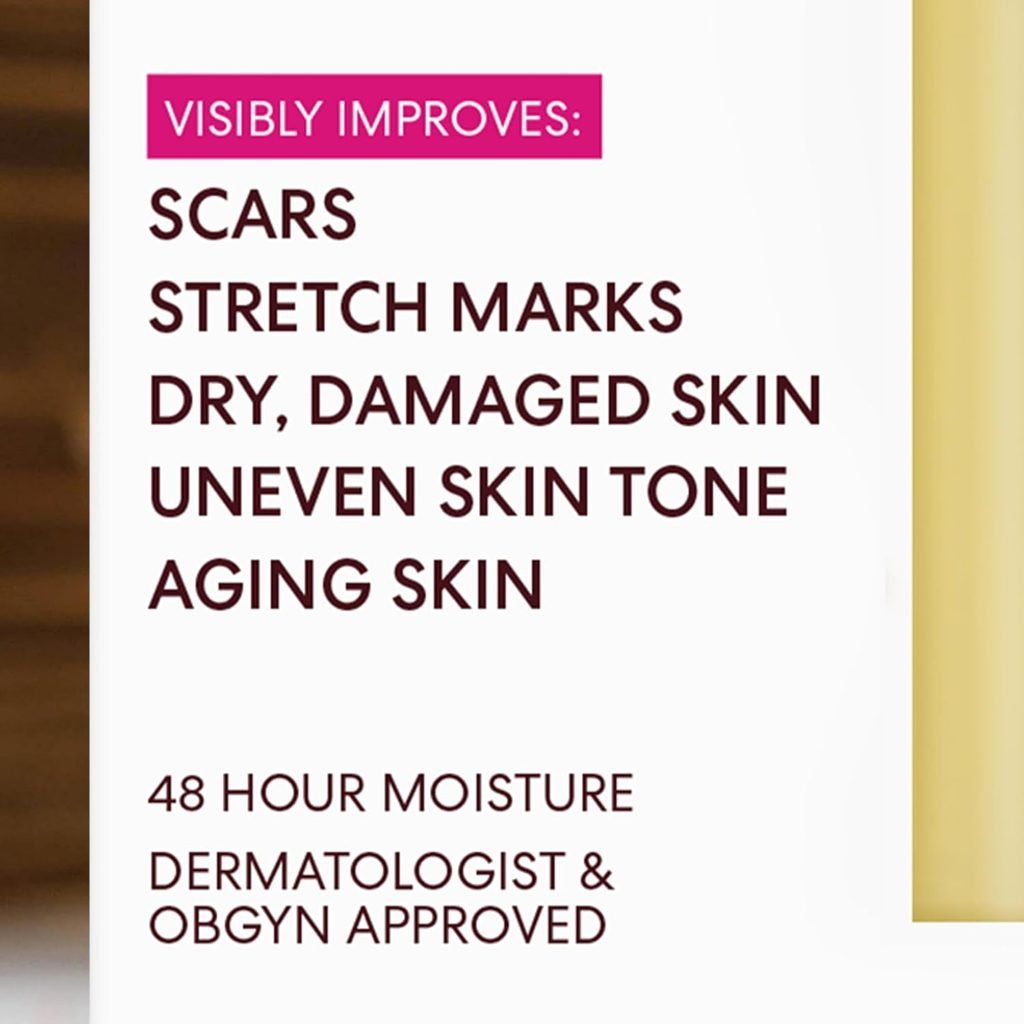
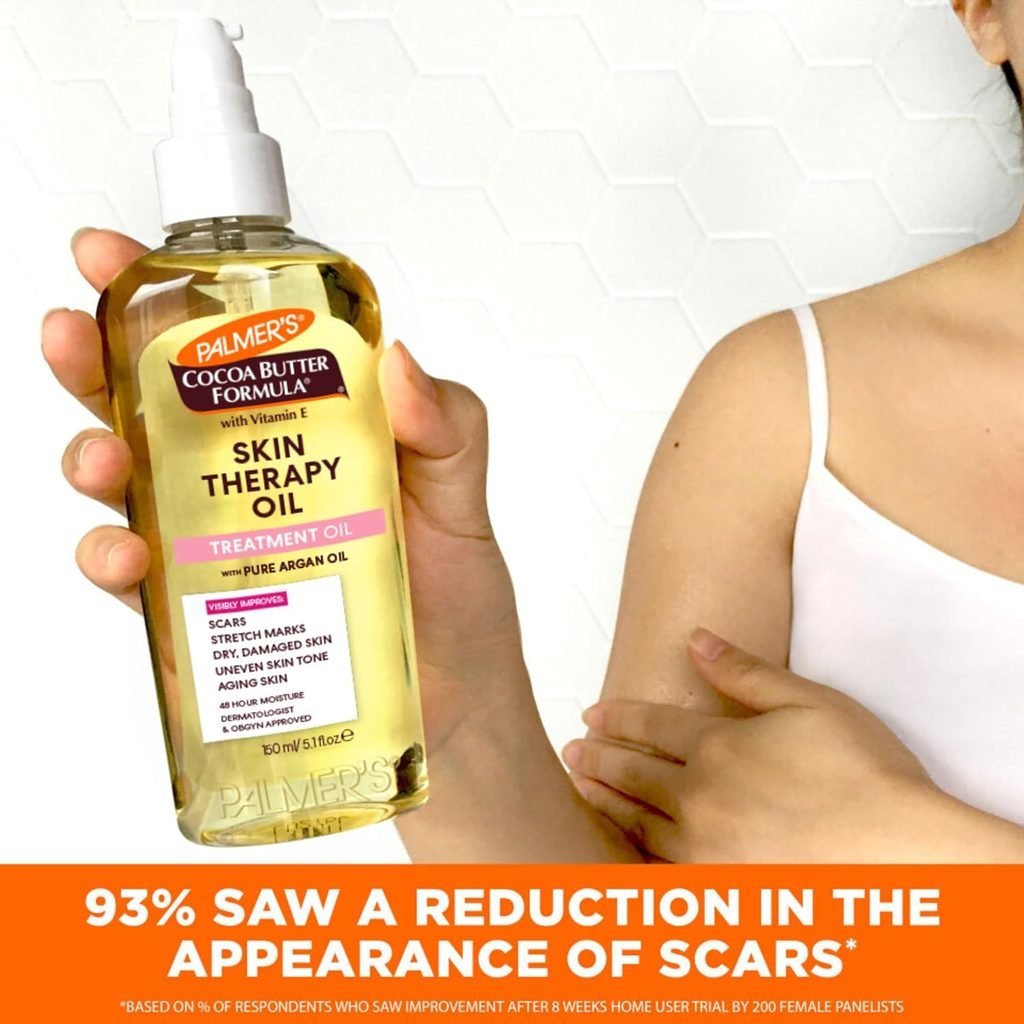
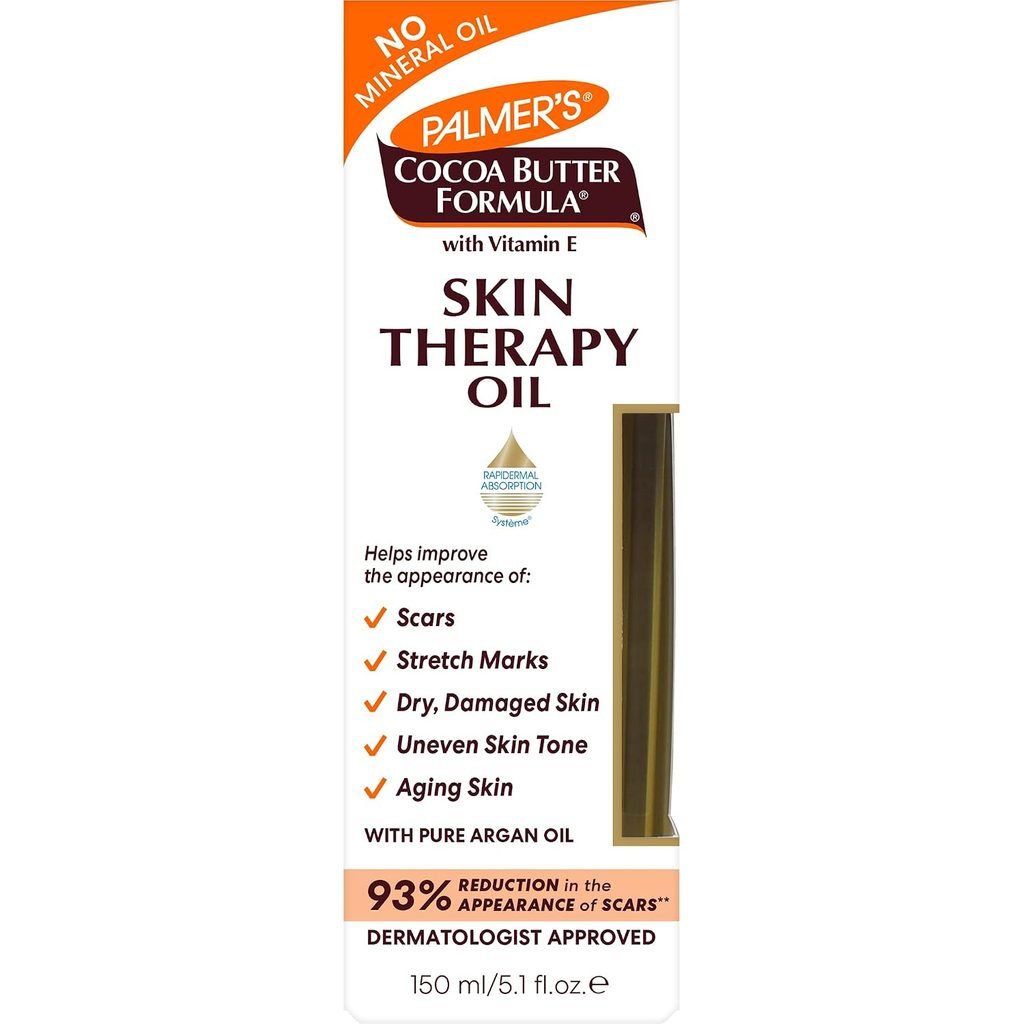
According to retailer listings that reproduce the manufacturer’s description, the oil is described as a multi-purpose, all-over-body skin product aimed at scars, stretch marks, dry or damaged skin, uneven tone, aging skin, and fine lines. The same listing describes the formula as lightweight and non-greasy. Palmer’s also promotes a proprietary blend called Cetesomate-E and a “rapidermal absorption system,” which are brand marketing terms. They are not standard industry ingredients, and I could not find independent data on how they perform.
What makes it different
Most body oils fall into one of two camps. Some are simple single oils, like pure coconut or almond oil. Others are luxury blends with a high price tag. Palmer’s sits in the middle. It is a blend of several oils and lightweight emollients, with cocoa butter and vitamin E as headline ingredients.
Three things stand out:
- It is a blend, not a single oil. That helps with texture and spreadability.
- It includes lightweight emollients. Ingredients like isopropyl myristate and cetearyl ethylhexanoate help the oil feel thinner and less heavy.
- It carries the Palmer’s name. For many shoppers, that familiarity matters when trying a new product.
The brand also says the oil is mineral oil–free and made without animal ingredients or animal testing. Those are claims from the manufacturer, so check the label on your bottle for current wording.
Who Palmer’s is built for
The Palmer’s audience has long included pregnant women, new mothers, and anyone concerned about stretch marks. The Skin Therapy Oil fits that crowd, but it is not limited to it. Anyone with dry skin who likes oils can use it. Keep one point in mind for later sections: a brand marketing a product for pregnancy-related skin concerns does not mean every ingredient has been reviewed for pregnancy. If you are pregnant, ask your doctor before adding new products.
Key Features Breakdown
Here are the main features of the oil, what each one means, and how much weight I would give it.
Size and format
The bottle holds 5.1 fl oz (about 150 ml). It comes with a pump-style or flip-style cap depending on the version and retailer, so check the listing photos. A 5.1 oz bottle lasts a few weeks to a couple of months, depending on how much of your body you cover and how often you apply.
My take: The size is good for trying the product without a big commitment. Heavy daily users will go through it faster than they expect.
Cocoa butter formula
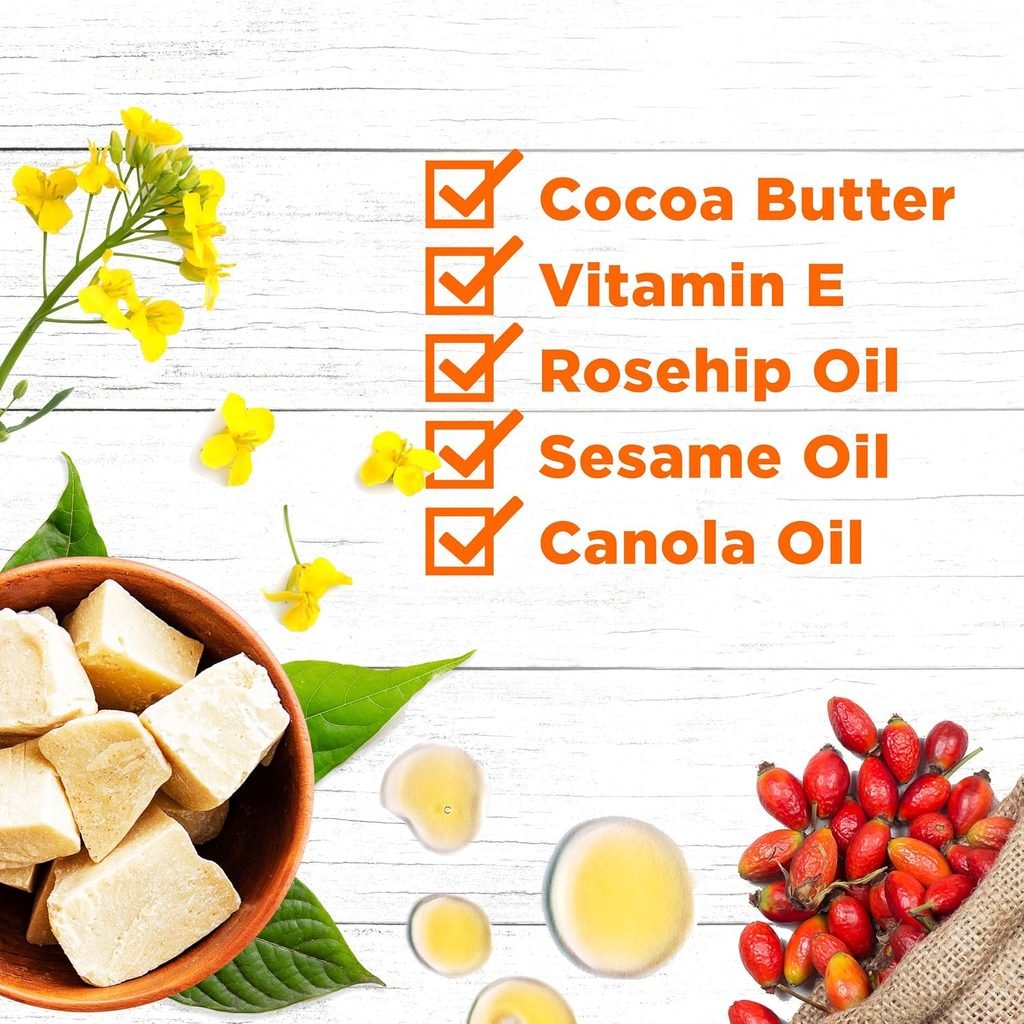
Cocoa butter is the star of the Palmer’s brand. It is a rich plant fat known for softening skin. In this oil it appears as theobroma cacao seed butter on the ingredient list. It is not the first ingredient, though. The oil is mostly a lighter blend with cocoa butter added in.
My take: Do not expect the thick, balm-like feel of Palmer’s cocoa butter jar. The oil is lighter and more fluid.
Vitamin E
Vitamin E shows up on the label as tocopherol. It is a common antioxidant used in skincare and also helps protect oils in a formula from going rancid. Retailer listings describe vitamin E as one of the oil’s key ingredients.
My take: Vitamin E is helpful, but it is not unique. Many oils contain it. It is a nice bonus, not a reason to buy on its own.
Argan oil
Argan oil is popular in hair and skincare for its fatty acid content. Palmer’s markets this product as having pure argan oil. The ingredient list shows argania spinosa kernel oil, which is argan oil, but it appears after canola oil, a lightweight emollient, cocoa butter, and sesame oil.
My take: Argan oil is present, but it is not the main ingredient. If you want a body oil that is mostly argan, look at single-ingredient argan oils instead.
Lightweight, non-greasy feel
The manufacturer describes the oil as lightweight and non-staining. Customer feedback on retailer pages often mentions that it absorbs quickly and works well after a shower. That fits what you would expect from the blend of lighter emollients.
My take: The “non-greasy” claim is relative. It is lighter than many oils, but if you use too much, it will still feel slick.
Multi-use positioning
Palmer’s says the oil can be used all over the body, face, or on targeted spots. Some customer reviews mention using it on feet, elbows, and even the face. The brand also sells a separate Skin Therapy Face Oil with a different formula, so the body oil may not be the best choice for everyone’s face.
My take: Treat the body oil as a body product first. If you try it on your face, patch test it and watch for breakouts if you are acne-prone.
Marketing claims worth reading carefully
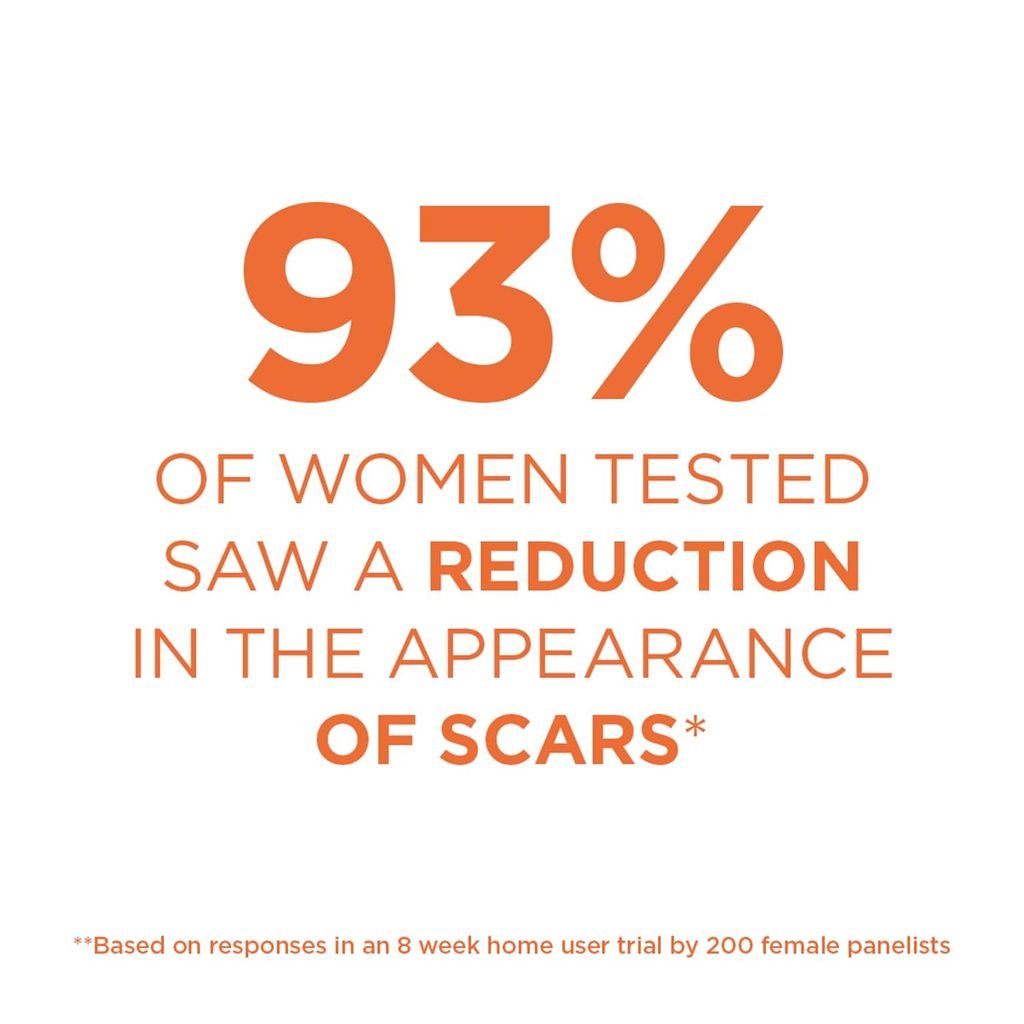
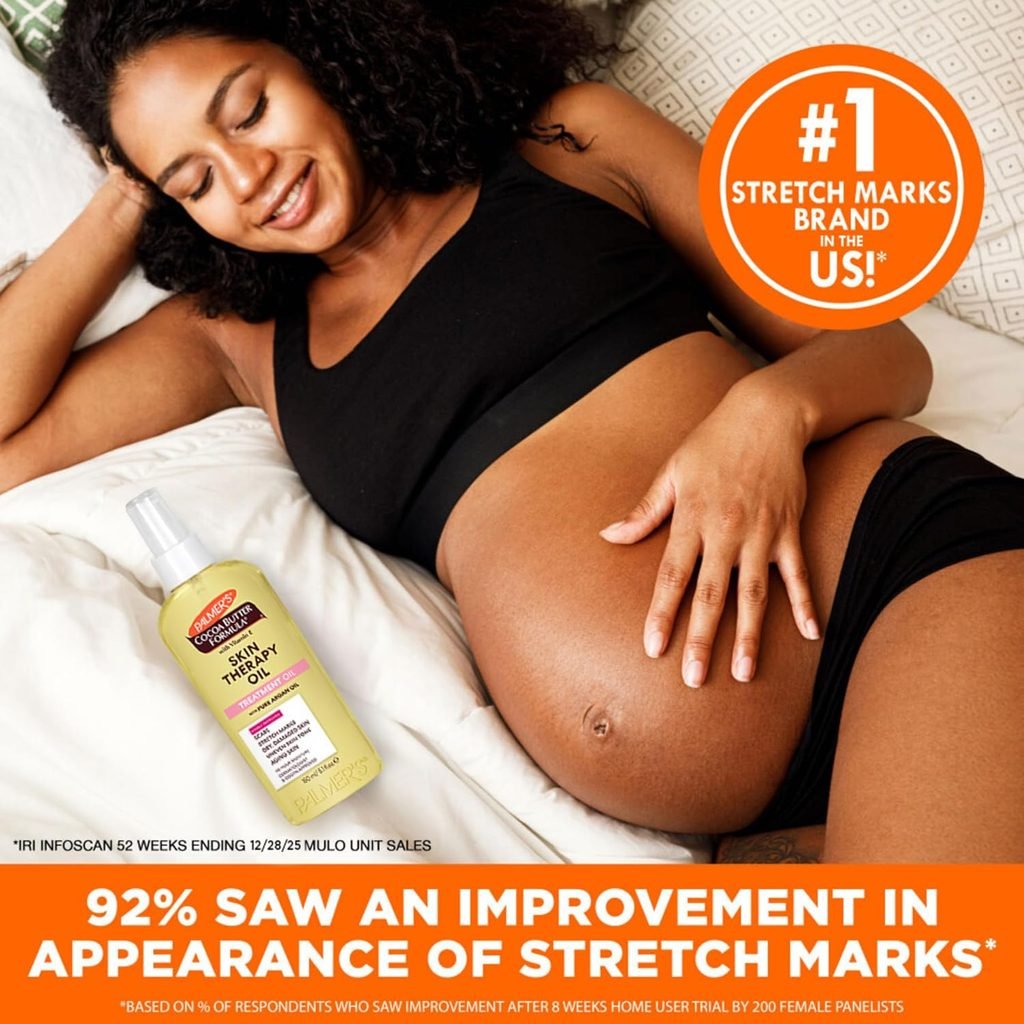
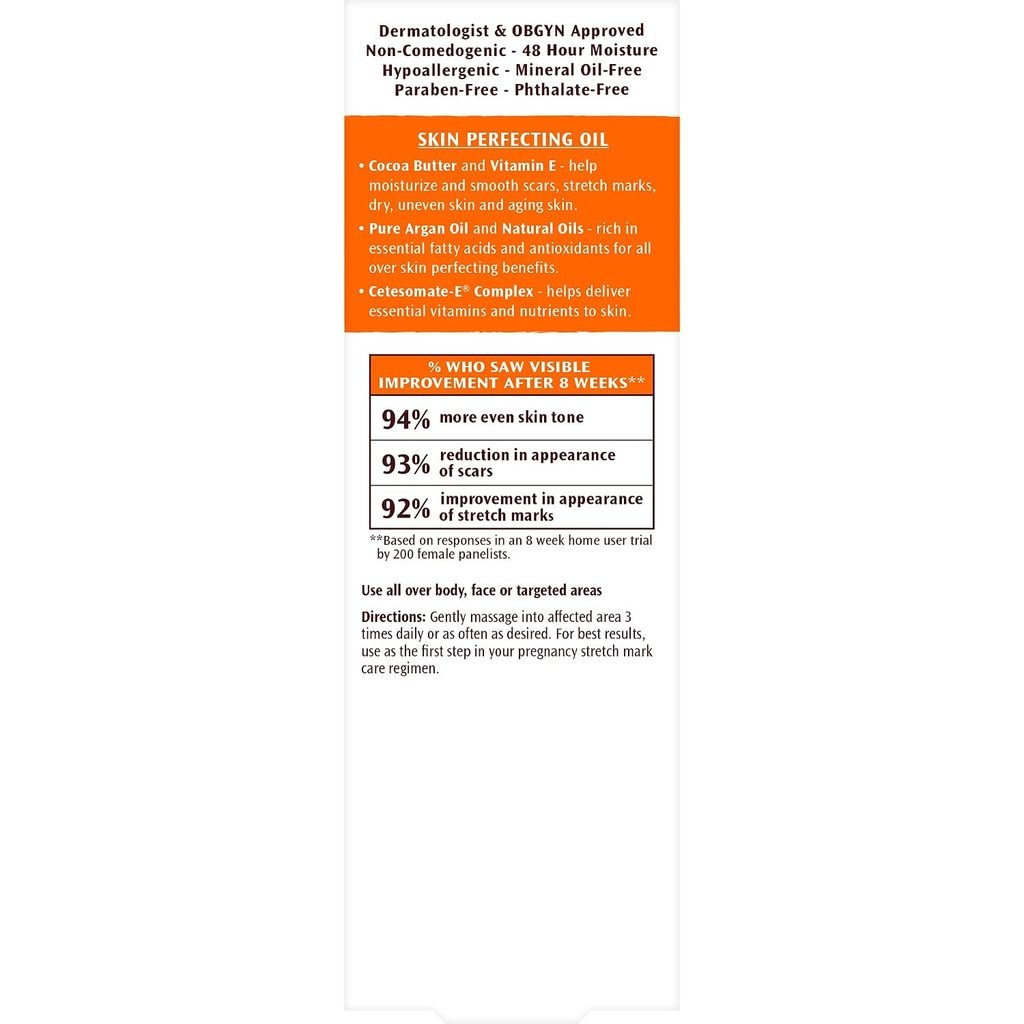
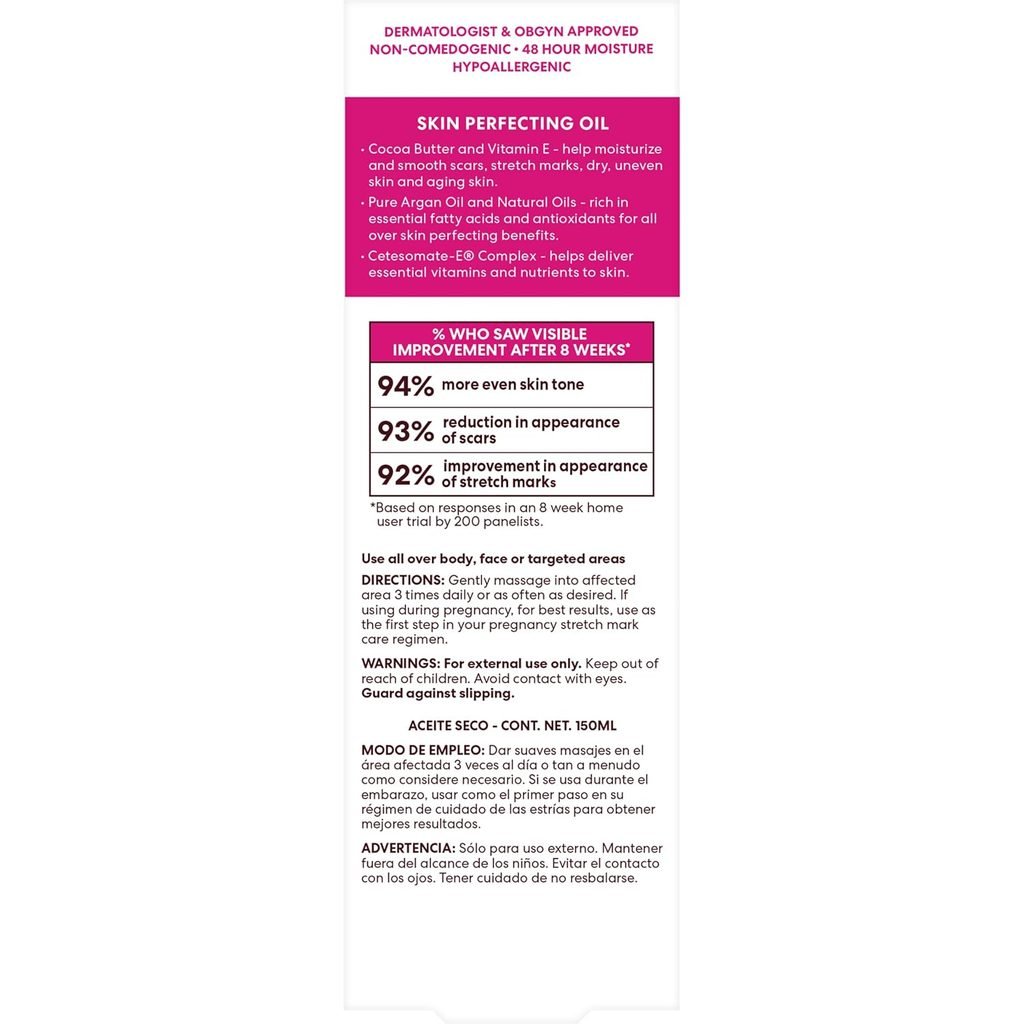
The manufacturer cites an eight-week home-use trial of 200 female panelists. According to the product listing, the reported results include 94% saying skin tone looked more even, 93% seeing less visible scarring, and 92% noticing improved stretch marks.
These numbers come from the brand’s own consumer perception survey, not from a clinical trial reviewed by independent researchers. They tell you what users said, not what a dermatologist measured. That does not make them meaningless, but it does mean you should read them as marketing.
Quick feature summary
| Feature | What it means | Weight I’d give it |
|---|---|---|
| Cocoa butter | Rich, softening plant fat | Moderate |
| Vitamin E (tocopherol) | Antioxidant, also protects the oil | Low to moderate |
| Argan oil | Popular skin oil, lower on list | Low to moderate |
| Lightweight emollients | Thinner feel, faster absorption | High for texture |
| Fragrance | Cocoa-style scent | Depends on you |
| 5.1 oz size | Good trial size | Moderate |
Ingredients & Formulation Analysis
Reading an ingredient list tells you more about a product than the front label does. Here is how the formula breaks down, based on the ingredient list shown on retailer pages. Formulas change, so check the label on the bottle you buy.
According to listings that reproduce the label, the ingredients are canola oil, isopropyl myristate, cetearyl ethylhexanoate, sesame seed oil, cocoa seed butter, argan kernel oil, tocopherol, sunflower seed oil, dimethicone, rosehip fruit oil, and fragrance.
Ingredient by ingredient
Canola oil. This is the first ingredient, so it makes up the largest share of the formula. It is a light, inexpensive plant oil high in unsaturated fatty acids. It spreads easily and gives the oil its fluid feel.
Isopropyl myristate. A lightweight emollient that helps oils spread and absorb. It gives that quick, silky glide. It can be an issue for acne-prone skin, since some people find it clog-prone, especially on the face. Reactions vary.
Cetearyl ethylhexanoate. Another light emollient, often used as a silicone alternative for slip and softness. It makes the oil feel smooth, not heavy.
Sesame seed oil. A plant oil with a rich feel. It is also a known allergen for some people. Anyone with a sesame allergy should read the label closely and talk to a doctor before using it.
Cocoa seed butter. The signature ingredient. It softens and smooths skin and gives the formula its cocoa identity. In this blend it is present but not dominant.
Argan kernel oil. Rich in fatty acids and vitamin E. It sits mid-list, so it contributes to the blend without carrying it.
Tocopherol. Vitamin E, used as both a skin antioxidant and a stabilizer for the oils.
Sunflower seed oil. A lightweight, linoleic-acid-rich oil often used to support the skin barrier.
Dimethicone. A silicone that adds slip and a smooth finish. It also forms a thin, breathable layer that helps reduce water loss. Some shoppers avoid silicones by preference, and others like the soft feel.
Rosehip fruit oil. A popular oil in the scar-and-tone category. The amount in this formula is unknown, but its position near the end suggests a smaller share.
Fragrance. A scent blend. The label does not break it down. This is the most common trigger for sensitive skin.
What the formula tells us
- It is a blend built for feel. The lighter emollients and silicone are there to make the oil spread well and finish smooth.
- The “natural oils” are real, but not all in large amounts. Canola, sesame, and sunflower oils come first, which means the more famous names (cocoa butter, argan, rosehip) are supporting players.
- It is mineral oil–free, according to the brand. That matters to shoppers who avoid petroleum-based ingredients.
- Fragrance is part of the formula. If you avoid fragrance, this is not the right fit.
Allergy and sensitivity notes
- Sesame: A concern for anyone with a sesame allergy.
- Fragrance: A concern for sensitive or eczema-prone skin. The brand’s FAQ says the oil can be used on eczema-prone skin, but individual reactions vary. If you have eczema, a patch test is smart, and a quick check with your dermatologist is smarter.
- Isopropyl myristate: Can be an issue for acne-prone skin.
Formulation verdict
The formula is well designed for a lightweight, pleasant-feeling body oil. It is less impressive if you are looking for a high concentration of argan or rosehip, or a fragrance-free product. Think of it as a good everyday body oil, not a specialty treatment.
Scent Profile & Sensory Experience
Scent is a big part of whether people keep using a body product. It is also where reviews are most divided.
What it smells like
Retailer listings describe the scent in slightly different ways. One manufacturer description calls it a warm cocoa vanilla fragrance, and another listing calls it a pleasant cocoa and shea scent. Both point the same direction: warm, sweet, and chocolate-leaning, with a soft vanilla feel. It is not a candy smell, but it is clearly a cocoa butter scent in the traditional Palmer’s style.
Palmer’s also sells other versions of this oil, including rose-scented options, so double-check which version you are ordering.
How strong is the scent?
Based on typical customer feedback for Palmer’s cocoa butter products, the scent is noticeable when you apply the oil and fades into a faint, warm background note within an hour or so. It is not designed to work as a perfume. If you wear a strong fragrance, the two can compete.
Texture and feel
Here is what to expect from the texture, based on the formula and common customer descriptions:
- Pour: Fluid and thin, closer to a light massage oil than a thick butter.
- Spread: Easy. A small amount covers a large area.
- Absorption: Quick on damp skin, a little slower on very dry skin that needs more product.
- Finish: Soft and smooth, with a light slip. If you apply too much, you will feel a thin film for a while.
- Staining: The brand describes it as non-staining, though any oil can leave marks on light fabrics if you dress before it absorbs.
The application experience
Oil moisturizers feel different from lotion. Lotion is mostly water, and it can feel cooling. Oil is warmer and more slippery. Many people like the ritual of massaging it in after a shower, especially on legs, arms, and shoulders.
A few practical points:
- It is easy to overuse. Start with a few drops or a small pump.
- It works best on damp skin, which helps it spread and trap moisture.
- Give it a minute or two before dressing.
Who will like the sensory experience
- People who enjoy warm, sweet scents
- People who like a quick, easy, post-shower step
- People who want a lighter feel than a heavy butter
Who may not like it
- People who prefer fragrance-free products
- People who dislike any slick feeling on the skin
- People who are sensitive to sweet or gourmand scents
Bottom line: The sensory experience is one of the oil’s strongest points, as long as you like the scent. If you do not, it is a deal-breaker.
Usage Experience
I want to be upfront about how this section works. I have not personally tested this bottle over weeks of daily use. What follows is a realistic picture of the experience, built from the formula, the manufacturer’s directions, common patterns in customer feedback, and how similar blended oils behave. Treat it as an informed guide, not a diary.
Day one: first impressions
Out of the box, you will notice the scent first. It is warm and sweet, with a cocoa edge. The oil itself looks light and golden, and it pours or pumps easily.
On the first use, most people apply it after showering, on damp skin. A small amount spreads far. Within a minute or two, the skin feels softer and slightly slick, and the film fades as the oil absorbs. Dry areas like shins, knees, and elbows tend to look less ashy right away. That is a cosmetic effect of oil sitting on the skin’s surface, and it does not mean deeper change has happened yet.
The first week
By the end of the first week of daily use, a typical user with dry skin would expect:
- Less tightness after showers
- Skin that feels smoother to the touch
- Fewer flaky patches on legs and arms
- A routine that feels easier to stick with because the oil is quick to apply
Some people notice that oil alone does not last all day on very dry skin. Oil helps seal in moisture, but it does not add water. That is why it works best on damp skin or layered over a water-based lotion.
Weeks two to four
If the oil suits your skin, this is where you would expect to see steadier softness. Consistent use tends to help dry, rough skin look and feel better, because regular moisturizing supports the skin barrier. This is true for most good moisturizers, not just this one.
If you use it for scars, stretch marks, or uneven tone, this is also the point where expectations matter. Those concerns change slowly, and results vary a lot from person to person. The brand’s own trial ran for eight weeks. Visible changes in scars and marks, if they happen at all, would usually be gradual and modest.
Specific use cases
After the shower. This is the most natural fit. Apply to damp skin, pat or rub in, and let it absorb.
On legs and arms. Easy to spread, and a good match for the oil’s light texture.
On elbows, knees, and heels. These rough spots may need a second layer or a thicker cream at night.
On feet. Some customer reviews describe using the oil on chapped feet after soaking. Put on socks only after the oil has absorbed, to avoid slipping.
On the belly during pregnancy. Palmer’s is a common choice for this, but it is wise to check with your doctor first, especially since the formula contains fragrance and sesame oil.
On the face. The brand says the oil can be used on the face, and some customers do. But the body oil is not the same as Palmer’s separate face oil. If your face is sensitive or breakout-prone, a patch test and a more cautious approach are smart.
On hair ends or cuticles. Some people use body oils this way. It is not an official use, so go lightly.
How much to use
A common mistake is using too much. A few drops or one small pump per limb is usually enough. If your skin feels greasy after ten minutes, you used too much.
How it layers with other products
- Under sunscreen: Not ideal. Oil can interfere with sunscreen film formation. Apply sunscreen first, or use the oil at night.
- Over lotion: Works well. The lotion adds water, and the oil seals it in.
- With retinol or active products: The brand suggests using the oil after a retinol product in some cases. If your skin is irritated by actives, introduce one change at a time.
Common friction points
- Slipperiness in the shower or tub: If you apply oil before stepping onto a hard floor, be careful.
- Fabric transfer: Let it absorb before dressing, especially with light-colored clothes.
- Scent clash: If you use a perfume or scented lotion, the layers can compete.
- Running out faster than expected: If you use it daily over your whole body, 5.1 oz will not last as long as a bigger bottle.
Overall usage experience
The experience is simple and pleasant, which is a real advantage. A product you actually use beats a better product you skip. The oil’s light texture and quick routine make it easy to turn into a habit. The tradeoff is that it may need a partner product for very dry skin.
Benefits
Here are the benefits you can reasonably expect, with notes on how strong the evidence is for each.
1. Softer, smoother skin
This is the most reliable benefit. Oils and emollients help soften the skin’s surface and reduce that rough, dry feel. The blend here is built for that. Confidence: high.
2. Reduced tightness after bathing
Applying oil to damp skin helps lock in moisture and reduce the tight feeling many people get after a hot shower. Confidence: high.
3. A lightweight, non-greasy feel
Compared with heavy butters and thick creams, the oil is easier to spread and does not leave a heavy layer. Confidence: moderate to high. It depends on how much you use.
4. Help with dry, ashy-looking skin
Oils can make dry skin look healthier by adding sheen and softness. This is especially noticeable on medium and deeper skin tones, where dryness shows as ashiness. Confidence: moderate to high.
5. A pleasant, comforting routine
The warm cocoa scent and easy application make it feel more like a small ritual than a chore. That helps with consistency. Confidence: depends on your scent preference.
6. Vitamin E and plant oil support
Vitamin E and plant oils like sunflower and argan add antioxidants and fatty acids. They support the skin barrier, though this formula is not a high-concentration treatment. Confidence: moderate.
7. Possible help with the look of stretch marks, scars, and uneven tone
This is where the evidence gets thinner. The brand cites consumer trial results, but those are self-reported. Moisturizing can make skin look smoother and may help skin stay supple, but no body oil can promise to remove stretch marks or scars. Confidence: low to moderate. If these concerns matter to you, a dermatologist can discuss options with stronger evidence.
8. Versatility
You can use it on legs, arms, shoulders, and rough spots, and some people use it on feet. Having one bottle do several jobs is a real convenience. Confidence: moderate.
9. Value
Palmer’s products are generally priced lower than premium body oils. For the amount of product and the formula, it sits in a fair range. Prices change by retailer and by time, so compare before buying. Confidence: moderate.
Benefits at a glance
| Benefit | Evidence strength |
|---|---|
| Softer, smoother skin | Strong |
| Less post-shower tightness | Strong |
| Lightweight feel | Moderate to strong |
| Looks better on dry, ashy skin | Moderate to strong |
| Stretch mark and scar appearance | Limited |
| Skin tone evenness | Limited |
Downsides & Limitations
No product is perfect, and a fair review needs a real list of drawbacks. Here are the main ones.
1. It contains fragrance
The scent is part of the appeal for many people. But fragrance is one of the most common causes of skin irritation and contact allergies. If your skin is reactive, or if you have eczema, rosacea, or very sensitive skin, a fragranced oil is a risk. The brand says the oil can be used on eczema-prone skin, but that does not guarantee your skin will agree.
2. It contains sesame oil
Sesame is a recognized allergen. Anyone with a sesame allergy should avoid it or talk to their doctor first. This is easy to miss, since the front label talks about cocoa butter and argan oil.
3. Argan oil is not the main ingredient
The label highlights argan oil, but the ingredient list shows canola and other oils ahead of it. If you want a body oil that is mainly argan, this is not it. That is not a flaw in the product so much as a gap between marketing and formula.
4. Marketing claims lean on self-reported results
The percentages for scars, stretch marks, and skin tone come from a consumer panel, not an independent clinical study. They are worth noting but should not be treated as proof.
5. Silicone and lightweight emollients may not suit everyone
Dimethicone and isopropyl myristate help the oil feel smooth. But some people prefer silicone-free products, and isopropyl myristate may bother acne-prone skin, especially on the face or upper back.
6. Oil alone may not be enough for very dry skin
Oil seals in moisture, but it does not add much water. If you have very dry or cracked skin, you may need a cream or lotion underneath, or a thicker product at night.
7. Sun and clothing considerations
Oils can leave a film. Apply sunscreen separately, and give the oil time to absorb before dressing, especially in light-colored fabrics.
8. Not a replacement for medical care
Persistent dryness, rashes, or itching can signal a skin condition. A moisturizer will not fix that, and a doctor should look at it.
9. Version and listing differences
Palmer’s sells several versions of this oil in different scents and sizes, and some third-party listings describe the product slightly differently. Always check the exact name, size, scent, and ingredient list before you buy.
How serious are these downsides?
For most people with normal or dry skin and no allergies, the downsides are minor. For people with sensitive skin, allergies, or strict ingredient preferences, they could be deal-breakers. That is why the next two sections matter.
Who Should Buy This?
Palmer’s Skin Therapy Body Oil is a good fit for people who want an affordable, lightweight body oil with a warm cocoa scent and no major skin sensitivities.
You are likely to be happy with it if you:
- Have normal to dry skin and want an easy way to soften it
- Like to moisturize after showering and want something quick
- Enjoy cocoa or vanilla-style scents
- Want a lighter option than a heavy butter or thick cream
- Are shopping on a budget and want a recognizable brand
- Want a body oil you can layer over lotion for more moisture
- Have dry, ashy-looking skin on legs, arms, or elbows
- Like the Palmer’s brand and want to try a different format from the lotion or butter
- Want a modest, supportive product for the look of stretch marks or scars, and understand it will not erase them
It also works well as a “bridge” product. If you have not used body oils before and want to try one without spending much, this is a low-risk place to start, as long as you pass the ingredient check in the next section.
Who Should Avoid This?
Skip this oil, or talk to a professional first, if any of these apply to you:
- You have a sesame allergy. Sesame oil is in the formula.
- You have fragrance-sensitive or reactive skin. The oil contains fragrance.
- You have active eczema, dermatitis, or open skin. Ask your dermatologist before adding a fragranced oil.
- You are acne-prone and plan to use it on your face or back. Some ingredients may clog pores for some people.
- You avoid silicones. The formula includes dimethicone.
- You want a mostly argan or mostly cocoa butter product. Look for a simpler formula.
- You want a fragrance-free routine. Choose an unscented body oil instead.
- You are pregnant or nursing and unsure about ingredients. Ask your healthcare provider.
- You expect medical-level results for scars or stretch marks. A dermatologist can talk through options that have stronger evidence.
A patch test is a simple safety step for anyone new to a product. Apply a small amount to your inner forearm, wait 24 hours, and watch for redness, itching, or irritation.
How to Use for Best Results
Here is a simple routine that fits how this type of oil works.
Step-by-step
- Shower or bathe. Use lukewarm water if you can, since very hot water dries skin out faster.
- Pat dry lightly. Leave your skin slightly damp.
- Dispense a small amount. A few drops or one small pump per limb is a good start.
- Warm it in your hands. This helps it spread evenly.
- Massage in gentle circles. Focus on dry areas like shins, elbows, knees, and heels.
- Wait one to two minutes. Let it absorb before dressing.
- Repeat as needed. The manufacturer’s directions suggest massaging into the affected area up to three times daily, or as often as you like.
Tips for better results
- Use it on damp skin. This helps trap moisture.
- Layer it over lotion if your skin is very dry.
- Start with less. You can always add more.
- Be consistent. Daily use over several weeks gives a fairer test than a few random uses.
- Patch test first. Especially if you have sensitive skin.
- Use sunscreen separately. Apply sunscreen to sun-exposed areas first, or save the oil for night.
- Store it away from heat. Oils last longer in a cool, dry place.
- Close the cap tightly to keep the oil fresh.
For targeted concerns
- Stretch marks and scars: Massage gently into the area once or twice a day. Keep expectations realistic, and be patient.
- Rough elbows and knees: Apply at night, then cover with clothing or leave to absorb.
- Dry feet: Apply after a bath, then wait for absorption before putting on socks.
When to stop
Stop using the oil and talk to a healthcare provider if you notice persistent redness, itching, swelling, rash, or breakouts.
Pros & Cons
Pros
- Soft, smooth feel on dry skin
- Lightweight texture compared with heavy butters
- Quick, easy application that fits into a post-shower routine
- Cocoa butter, vitamin E, and argan oil in a familiar Palmer’s formula
- Warm cocoa-vanilla scent that many people enjoy
- Mineral oil–free, according to the brand
- Budget-friendly compared with premium body oils
- Widely available online and in stores
- Versatile for legs, arms, feet, and rough spots
- Good layering product over lotion
Cons
- Contains fragrance, which may irritate sensitive skin
- Contains sesame oil, a known allergen
- Argan oil is lower on the ingredient list than the front label suggests
- Scar and stretch mark claims rely on brand-reported consumer results
- Includes silicone and lightweight emollients that not everyone wants
- May not be enough alone for very dry or cracked skin
- Can feel slick if you use too much
- Different versions and listings can cause confusion
Product Comparisons
Here is how this oil compares with a few close alternatives, followed by a look at how Amazon and Walmart compare as places to buy it.
Palmer’s Skin Therapy Oil vs Palmer’s Cocoa Butter Lotion
This is the comparison many shoppers search for: Palmer’s cocoa butter body oil vs Palmer’s cocoa butter lotion. Here is how they differ.
| Feature | Skin Therapy Body Oil | Cocoa Butter Lotion |
|---|---|---|
| Texture | Thin, fluid oil | Creamy, thicker lotion |
| Water content | Low | Higher (water-based) |
| Absorption | Quick on damp skin | Absorbs as the water evaporates |
| Feel | Silky, slightly slick | Rich, creamy, less slick |
| Best for | Post-shower sealing, light moisture | Everyday full-body hydration |
| Scent | Warm cocoa-vanilla | Classic cocoa butter scent |
| Layering | Works over lotion | Works under oil |
| Mess factor | Can feel slick if overused | Less slippery |
Which should you choose?
- Pick the oil if you like a light, silky finish and want to seal in moisture after a shower.
- Pick the lotion if you want a classic, creamy, easy-to-spread moisturizer that adds water as well as emollients.
- Use both if your skin is very dry. Lotion first, oil on top.
Palmer’s Skin Therapy Oil vs other Palmer’s body oils
Palmer’s makes several body oils, and retailers carry many of them. These include shimmer, coconut, shea, and baby versions. Each has a different formula and target audience.
- Cocoa butter Skin Therapy Oil: The version reviewed here, with a focus on dry skin, scars, and stretch marks.
- Shimmer versions: Add a glow, which is nice for special occasions and not needed for everyday use.
- Coconut or shea versions: Often priced lower and sold in larger bottles. They have different scent profiles and ingredients.
- Baby versions: Designed for a gentler use case.
If you only want a basic body oil, a larger, cheaper Palmer’s coconut or shea oil may offer better value per ounce. If you want the cocoa butter and skin-therapy positioning, this version is the match.
Palmer’s Skin Therapy Oil vs simple single oils
| Feature | Palmer’s Skin Therapy Oil | Single oils (almond, jojoba, coconut) |
|---|---|---|
| Ingredient list | Blend with fragrance | One ingredient |
| Scent | Cocoa-vanilla | Mild or none |
| Texture | Light, silky | Varies by oil |
| Sensitivity risk | Higher (fragrance, sesame) | Lower, but varies |
| Price | Moderate | Varies |
| Best for | Pleasant, ready-made routine | Simple, minimal routines |
Amazon vs Walmart: where should you buy it?
Both retailers carry Palmer’s products, and the choice often comes down to price, shipping, and which version you want.
| Factor | Amazon | Walmart |
|---|---|---|
| Selection | Often many versions and sizes, including multi-packs | Wide Palmer’s selection, including several body oils |
| Pricing | Can vary, sometimes shifting through the day | Often competitive on single bottles |
| Shipping | Fast delivery for Prime members | Free shipping on qualifying orders, store pickup available |
| Third-party sellers | Common, so check who is selling | Also present, so check the seller |
| Returns | Generally straightforward for items sold by Amazon | Easy returns, including in store |
| Reviews | Often many customer reviews on listings | Reviews available on product pages |
| Best for | Convenience, bundles, subscriptions | In-store pickup, quick checks on in-store prices |
A few things to check on either site:
- Sold by whom? Buying from the retailer itself, or the brand’s official storefront, lowers the risk of old or counterfeit stock.
- Exact product name and size. Palmer’s lists multiple oils, scents, and sizes. Make sure you are getting the 5.1 oz Cocoa Butter Formula Skin Therapy Oil.
- Scent version. Some listings are for rose or shimmer versions.
- Ingredient list in the photos. Compare it with the one in this review.
- Price per ounce. A multi-pack or a larger bottle can be cheaper per ounce.
Bottom line: There is no permanent winner. Check both, compare the final price with shipping, and pick whichever offers the right version at a fair price.
Buying Guide
If you are choosing a body oil, the points below help you decide whether this one fits, or whether another option is better.
1. Know your skin type
- Dry skin: Oils work well, especially layered over lotion.
- Normal skin: A light oil can be a nice occasional treat.
- Oily or acne-prone skin: Be careful with the face and back. Look for oils labeled non-comedogenic, and patch test.
- Sensitive skin: Choose fragrance-free formulas.
2. Read the first five ingredients
The first few ingredients make up most of the product. If a label highlights cocoa butter or argan oil, check where they appear on the list. That tells you whether they are the main event or a supporting detail.
3. Check for allergens
Look for nut, seed, and fragrance-related ingredients if you have known allergies. Sesame, coconut, almond, and fragrance are common ones.
4. Decide on fragrance
Scented oils are pleasant for many people. If you have sensitive skin, avoid fragrance, or pick a very light scent.
5. Think about texture
Do you want a thin oil that absorbs quickly, or a richer one that feels more cushioned? Lightweight blends suit warm weather and quick routines. Thicker oils suit winter.
6. Match the product to your goal
- General moisture: Most body oils work.
- Stretch marks or scars: Look for products from brands that cite research, and ask your doctor about options with stronger evidence.
- Glow: Shimmer or luminous oils.
- Baby or sensitive use: Gentler, simpler formulas.
7. Compare size and price per ounce
A small bottle may feel cheap but cost more per ounce. Larger bottles can be better value if you use oil daily.
8. Check packaging
A pump is cleaner and easier than a flip cap. Dark or opaque bottles may help protect oils from light.
9. Look at claims critically
“Clinically proven,” “dermatologist recommended,” and percent-improvement claims can mean different things. Check whether a claim comes from an independent study or a brand survey.
10. Read recent reviews
Look for patterns, not single opinions. If many people mention the same issue, such as scent strength or irritation, take it seriously.
11. Watch for version mix-ups
The same brand may sell several similar-looking bottles. Confirm the name, size, and scent before checking out.
Quick buying checklist
- [ ] My skin type matches this kind of oil
- [ ] I have no sesame or fragrance allergy
- [ ] I like warm cocoa-style scents
- [ ] I understand the stretch mark and scar claims are modest
- [ ] I have compared Amazon and Walmart prices
- [ ] I have checked the exact product version
Results After Use: Moisture, Dry Patches, Texture, Brightness & Odor Control
This section covers what you can reasonably expect from regular use. These are likely outcomes based on the formula and typical customer feedback, not guarantees.
Moisture
Most users with dry skin would expect noticeably softer skin within the first few uses, especially when the oil is applied to damp skin. The moisture effect is strongest in the first hours after application. For longer-lasting hydration, layering over a lotion helps.
Dry patches
Rough, flaky, or ashy patches usually look better quickly, because oil adds softness and sheen. With steady use, many people see fewer flaky areas on legs, arms, and elbows. Persistent patches, or patches that itch, redden, or crack, may be a skin condition, and a doctor should look at them.
Texture
Smoothness is the most common reported change. Skin tends to feel softer and more even to the touch. This effect depends on regular use, and it fades if you stop.
Brightness and tone
The oil can add a healthy-looking sheen, which makes skin look brighter at first glance. The brand also reports improvements in skin tone in its consumer trial. Real changes in dark spots or uneven tone are slower, and results vary. Sun protection matters here, because sun exposure can undo any progress on tone.
Scars and stretch marks
Expect modest changes at best. Moisturizing keeps skin flexible and may make marks look slightly smoother. Older marks tend to respond less than newer ones. If these marks bother you, a dermatologist can discuss other options.
Odor control
This oil is not a deodorant or odor-control product. The cocoa-vanilla scent will linger faintly on the skin, which some people enjoy. If you are scent-sensitive or wear perfume, the two may mix in a way you do not like.
Realistic timeline
| Time | What to expect |
|---|---|
| First use | Softer feel, less tightness |
| Week 1 | Smoother skin, fewer dry flakes |
| Weeks 2 to 4 | More consistent softness if used daily |
| Weeks 6 to 8 | Possible slight changes in the look of marks or tone, varying by person |
Summary: The strongest and fastest results are about softness and moisture. The slower claims, such as scars and tone, are more uncertain.
FAQ
1. Is Palmer’s Skin Therapy Body Oil worth it?
For most people with dry skin who like the scent and have no allergies, yes. It is affordable, lightweight, and easy to use. If you have sensitive skin, a sesame allergy, or want a fragrance-free product, look elsewhere.
2. What is Palmer’s Skin Therapy Body Oil used for?
It is a body oil used to moisturize dry or rough skin. The brand also markets it for the look of scars, stretch marks, uneven tone, and aging skin.
3. Can I use Palmer’s Skin Therapy Oil on my face?
The brand says it can be used on the face as well as the body. But Palmer’s also sells a separate face oil, and the body oil contains ingredients that may bother acne-prone or sensitive facial skin. Patch test first.
4. Does Palmer’s body oil get rid of stretch marks?
No body oil can remove stretch marks. It may help skin feel softer and look smoother, but results vary. A dermatologist can talk about stronger options.
5. Is Palmer’s Skin Therapy Oil good for dry skin?
Yes, it is aimed at dry skin and works well as a post-shower sealing product. For very dry skin, layer it over lotion.
6. Does it contain real argan oil?
Yes, argan kernel oil is on the ingredient list, but it appears after several other oils. It is a supporting ingredient, not the main one.
7. Does it contain mineral oil?
According to the brand, the product is mineral oil–free. Check the label on your bottle to confirm.
8. Does it contain fragrance?
Yes. Fragrance is listed on the label, so it may not suit fragrance-sensitive skin.
9. Does it contain sesame?
Yes, sesame seed oil is on the ingredient list. Anyone with a sesame allergy should avoid it or ask a doctor first.
10. What does Palmer’s cocoa butter body oil smell like?
Listings describe the scent as warm cocoa with a vanilla or shea touch. It is sweet but not overpowering.
11. Is it greasy?
It is lighter than many oils, but it can feel slick if you use too much. A small amount on damp skin absorbs well.
12. Is Palmer’s cocoa butter body oil better than the lotion?
Neither is better for everyone. The oil is lighter and silkier. The lotion is creamier and water-based. Many people use both together.
13. Is it safe during pregnancy?
Palmer’s markets many products for pregnancy skin, but formulas contain fragrance and sesame oil. Ask your doctor or midwife before using any new product while pregnant.
14. Where can I buy Palmer’s Skin Therapy Body Oil?
It is sold at major online retailers, including Amazon and Walmart, as well as many pharmacies and grocery stores. Compare prices and check the exact version and seller before buying.
15. How often should I use it?
The brand’s directions say to massage it into the area up to three times a day or as often as desired. Most people use it once daily after a shower.
Final Verdict
After going through the formula, features, strengths, and limits, this palmer’s cocoa butter body oil review comes down to a simple conclusion: it is a good, affordable body oil with a warm scent, a light feel, and a familiar brand name, as long as it matches your skin and expectations.
The case for it
The oil does what a body oil should do. It softens dry skin, reduces tightness after showers, and gives skin a smooth finish without a heavy feel. The blend of cocoa butter, vitamin E, argan oil, and other plant oils is solid for the price. For people who enjoy the cocoa-vanilla scent, it also makes a daily routine feel nicer.
The case against it
It contains fragrance and sesame oil, so it is not for everyone. The argan oil is present but not dominant. The claims about scars, stretch marks, and tone rest on the brand’s own survey results, so they deserve a careful read. And for very dry skin, oil alone may fall short.
So, is Palmer’s Skin Therapy Body Oil worth it?
For normal to dry skin, without allergies, and with a taste for warm scents, yes. It is an easy, low-risk choice. For sensitive skin, allergies, or fragrance-free routines, no, and a simpler oil would be a better match.
Final rating
4 out of 5 based on the product specifications, available customer feedback, and comparisons with similar body oils.
Before you buy
- Confirm the exact product name and size (5.1 oz Cocoa Butter Formula Skin Therapy Oil)
- Check the ingredient list for allergens
- Patch test on your inner forearm
- Compare Amazon and Walmart for the best final price
- Use it on damp skin and layer it over lotion if you need extra moisture
If you want a simple, affordable body oil with a cocoa scent and light feel, this one is worth putting on your shortlist.
Affiliate CTA
If the formula and scent sound like a match for you, you can Check Price on Amazon to see the current price, size options, and customer reviews. Prices and availability change often, so it is worth comparing with Walmart before you decide.
If you prefer to compare in person, many stores that carry Palmer’s products stock the 5.1 oz bottle too. Either way, check the exact version, scent, and ingredient list before you buy.
Reminder: This review is for general information only and is not medical advice. If you have a skin condition, allergy, or are pregnant, talk to a healthcare professional before trying a new product.

Who Is Behind Loooknow
Loooknow is founded, written, and managed by Muhammad Owais Khan. I am the founder, author, and site administrator, so every review, guide, and comparison you read here goes through me personally.You can reach me at [owaisu99sony@gmail.com] or through the Contact page. And Review Methodology