

Heads up: If you buy through links in this review, I may earn a small commission at no extra cost to you. This doesn’t affect my ratings.
Introduction
Walk down any skincare aisle, or scroll through Amazon, and you’ll see the same promise on hundreds of jars: smoother skin, fewer fine lines, a brighter glow. Most of them look convincing. Far fewer explain what’s actually inside, or who the product really suits.
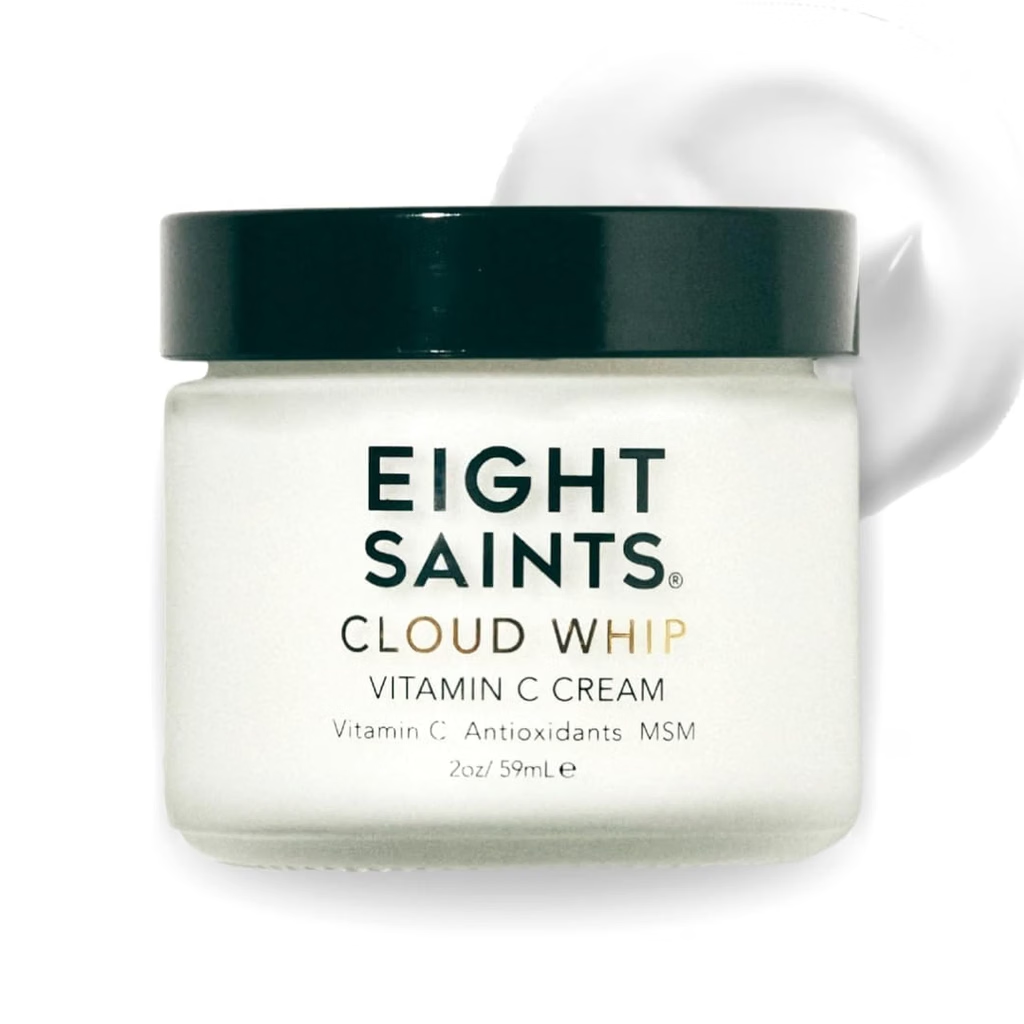
The Eight Saints Cloud Whip Vitamin C Face Moisturizer is one of those jars. It’s sold as a day cream for women that helps reduce the look of fine lines and wrinkles. The listing points to vitamin C, vitamin B5, and a cocoa-based ingredient. The name suggests a light, whipped texture instead of a heavy cream.
That sounds appealing, especially if you want one product that moisturizes and adds a bit of antioxidant support. But a nice description doesn’t tell you whether it’s worth your money. That’s what this Eight Saints Cloud Whip vitamin C moisturizer review is for.
I’ll be upfront about how I put this together. I haven’t personally tested this jar. This review is based on the product’s listed specifications, the claims on the listing, general skincare science, and how similar vitamin C moisturizers tend to perform. Where I describe what daily use is likely to feel like, I’m describing what the formula type suggests, not claiming a personal before-and-after. I think you’re better served by an honest review than by a made-up one.
Here’s the main question many shoppers ask: is Eight Saints Cloud Whip moisturizer worth it? The honest answer depends on a few things:
- Your skin type. A whipped cream with a cocoa-based ingredient may feel great on dry skin and heavy on oily skin.
- Your expectations. A moisturizer can make fine lines look softer by hydrating the skin. It can’t remove deep wrinkles.
- Your budget and routine. Some people prefer one simple step. Others get better brightening from a separate vitamin C serum.
In this review, you’ll find:
- A quick verdict if you only have a minute
- What the product is and how it’s positioned
- A breakdown of its features and ingredients
- What the texture and daily use are likely to be like
- The real benefits, the downsides, and who should skip it
- How it compares with other vitamin C options
- Where to buy it in the US, with Amazon and Walmart compared
- A buying guide and answers to common questions
I’ll also point out what I can’t confirm from the listing, such as the exact form and amount of vitamin C. That detail matters more than most labels admit, because vitamin C products vary a lot in strength and stability.
If you’re searching for the best vitamin C day cream for women over 40, or you simply want a gentle way to try vitamin C, this guide will help you decide with realistic expectations. Skincare results differ from person to person, and no single cream does everything.
Let’s start with the quick verdict.
👉 Check Price on Amazon “See how we review products”
Quick Verdict: Eight Saints Cloud Whip Vitamin C Moisturizer Review
Rating-style takeaway: 3.8 out of 5 (my estimate based on specs, listing claims, and category norms, not lab testing).
What it does well:
- Combines vitamin C, vitamin B5, and moisturizing ingredients in one step
- Whipped texture should suit people who dislike heavy creams
- Daytime use makes sense for a vitamin C product
- Simple to add to a routine, with no extra steps
Where it falls short:
- Vitamin C creams tend to deliver gentler results than dedicated serums
- The exact vitamin C form and amount aren’t clear from the listing, so check the label
- A cocoa-based ingredient may not suit very oily or acne-prone skin
- It likely doesn’t replace sunscreen, so confirm whether the label lists SPF
- Anti-aging claims on any moisturizer are best read as “helps reduce the look of” rather than “removes”
Best for: Women with normal, dry, or combination skin who want a light daily moisturizer with a brightening angle and mild fine-line support.
Not ideal for: Anyone expecting dramatic wrinkle reduction, anyone with very oily or breakout-prone skin, or anyone sensitive to vitamin C products.
Bottom line: It’s a reasonable pick for everyday hydration with some brightening benefits. It’s not a replacement for a prescription retinoid, sunscreen, or a strong vitamin C serum.
What Is the Eight Saints Cloud Whip Vitamin C Face Moisturizer?
The Eight Saints Skincare Cloud Whip Vitamin C Face Moisturizer is a day cream marketed to women that targets signs of aging, specifically fine lines and wrinkles. It’s built around vitamin C, with vitamin B5 (panthenol) and a cocoa-derived ingredient listed in the product title.
A vitamin C moisturizer is a face cream that includes a form of vitamin C, an antioxidant, along with hydrating ingredients, so you get moisture and antioxidant support in one product.
How it’s positioned
Most vitamin C products fall into two groups. The first is the serum, a thin liquid that usually carries a higher vitamin C amount. The second is the moisturizer, a cream that blends vitamin C with hydrating ingredients.
The Cloud Whip sits in the second group. The “whip” in the name points to a soft, airy texture rather than a dense balm. That’s a smart angle, because many people skip vitamin C creams that feel greasy under makeup or sunscreen.
How it differs from similar products
Based on the listing, three things set it apart:
- A whipped, lightweight format instead of a thick cream
- Vitamin B5 added for hydration and barrier support
- A cocoa-based ingredient for softness and moisture
What I can’t confirm from the listing alone is the exact vitamin C form or percentage. Some brands list a gentle derivative, and others use pure L-ascorbic acid. That matters, and I cover it in the ingredient section.
Key Features Breakdown
Here are the main features as described in the product listing, with context on why each one matters.
1. Vitamin C as the lead ingredient
Vitamin C is one of the most studied antioxidants in skincare. It’s widely used to support brighter-looking skin and to help defend against environmental stress. In a moisturizer, though, the amount is usually lower than in a serum.
Why it matters: The label tells you which form is used. Look for names like ascorbic acid, ascorbyl glucoside, or sodium ascorbyl phosphate. Each behaves differently in terms of stability and strength.
2. Vitamin B5 (panthenol)
Panthenol is a common humectant, meaning it draws water into the skin. It’s also known for helping skin feel calmer and more comfortable. It’s a quiet workhorse in many moisturizers.
Why it matters: B5 can help offset the dryness or tingling some people feel with vitamin C products.
3. A cocoa-derived ingredient
The product title mentions cocoa. This could be cocoa seed butter or a similar ingredient. I can’t see the full title in the listing, so check the label. Cocoa butter is rich and softening, and it helps skin feel cushioned.
Why it matters: It adds comfort for dry skin. It can also be a concern for very oily or acne-prone skin, because heavier butters don’t suit everyone.
4. The “Cloud Whip” texture
The listing positions this as a whipped, light-feeling cream. Whipped textures usually spread easily and feel less heavy than standard creams.
Why it matters: A light texture is easier to wear under sunscreen and makeup.
5. Daytime positioning
It’s sold as a day cream. That fits vitamin C, which is commonly used in the morning for its antioxidant role.
Why it matters: You can slot it into a morning routine without rearranging your night routine.
6. Anti-aging claims
The listing says it helps reduce fine lines and wrinkles. This is a typical cosmetic claim. In general, moisturizers can make fine lines look softer by plumping the skin moisturizer with hydration. That’s a visual, temporary effect, not a structural change.
Why it matters: Set realistic expectations. Hydrated skin looks smoother, but a moisturizer doesn’t rebuild collagen on its own.
7. Target audience: women
It’s marketed to women, which mostly affects branding and packaging. The formula itself isn’t gendered in any scientific way, so anyone with a similar skin type could use it.
What to check on the label
Before you buy, confirm these details on the product page or packaging:
- The form of vitamin C used
- Whether the product contains SPF (if it doesn’t, you still need sunscreen)
- The full ingredient list, especially the cocoa ingredient and any fragrance
- The size and the number of uses you can expect from the jar

Ingredient Profile & Scientific Evidence
I’m not a chemist, so I’ll stick to what’s widely documented in dermatology and cosmetic science, and I’ll flag what I can’t verify for this exact formula.
Vitamin C
Vitamin C is an antioxidant that helps neutralize free radicals and supports the look of brighter, more even skin. Studies on topical vitamin C show benefits for skin brightness and the look of fine lines, mostly with consistent use over weeks to months.
There’s a catch. Pure L-ascorbic acid is the best-studied form, but it’s unstable. It breaks down with light and air. Derivatives are more stable but may be less potent. Many moisturizers use derivatives for this reason.
What this means for you: A vitamin C cream can offer mild, steady benefits. It’s unlikely to match a well-formulated serum with a higher amount.
Vitamin B5 (panthenol)
Panthenol is a well-established humectant and skin conditioner. Research supports its use for hydration and for helping the skin barrier hold water. It’s generally well tolerated.
Cocoa-based ingredient
Cocoa butter is an emollient and occlusive. It softens skin and slows water loss. It’s rich in fatty acids. For dry skin, that’s useful. For oily skin, it may feel heavy. People who get clogged pores should patch test or check how it feels after a few days.
What the evidence can and can’t say
- Strong evidence: Moisturizers improve the look of skin by hydrating it. Vitamin C has research behind its brightening and antioxidant role.
- Weaker evidence: Claims that a specific cream reduces wrinkles noticeably. Results depend on the amount, the form, the formula, and how long you use it.
- Unknown for this product: The exact vitamin C percentage, the stability testing, and any clinical trial. I haven’t seen published clinical data for this specific formula, so treat the anti-aging claim as a marketing statement.
A word on safety
Vitamin C products can sting on sensitive skin, especially if you use other actives like retinoids or exfoliating acids. If you’re prone to reactions, patch test on your inner arm or behind the ear for a few days first. If you have a skin condition or take prescription skincare, ask a dermatologist before adding something new.
Texture, Absorption & Sensory Experience
Texture often decides whether you keep using a moisturizer. A great formula you hate applying ends up in a drawer.
What to expect from a whipped cream
Based on the “Cloud Whip” description and how whipped creams typically behave, you can expect:
- A soft, airy feel in the jar
- Easy spreading with a small amount
- A cushiony finish rather than a thin, watery one
I haven’t felt this exact cream, so treat these as informed expectations. Check the “most helpful” reviews on the listing for first-hand descriptions.
Absorption
Whipped creams usually sink in faster than dense creams, but the cocoa-based ingredient may leave a slightly soft, comfortable layer on the skin. Dry skin may like that. Oily skin may find it a bit rich in warm weather.
Tip: Apply a thin layer, wait a minute or two, and then add sunscreen. Piling on a thick layer can cause pilling under makeup.
Scent
The listing doesn’t make clear whether the product is fragranced. Many vitamin C creams carry a light scent or the natural smell of their ingredients. If you’re sensitive to fragrance, check the ingredient list for “fragrance” or “parfum.”
Finish
Expect a soft, hydrated finish rather than a matte one. That’s good for dry or normal skin and less ideal for people who want oil control.
How it may layer
- Under sunscreen: Likely fine if you use a thin layer
- Under makeup: Usually works, as long as you give it a minute to settle
- With other actives: Use caution. If you use a retinoid at night, this is a better fit for the morning
Sensory summary
| Factor | Expected experience |
|---|---|
| Weight | Light to medium |
| Spreadability | Easy |
| Finish | Soft, dewy to natural |
| Scent | Check label (varies) |
| Layering | Good under SPF if used sparingly |
Usage Experience: What Daily Use Is Likely to Look Like
A quick reminder: this section is built from the product specs, typical user feedback for whipped vitamin C day creams, and general skincare principles. It’s not a log of my own testing. Think of it as a realistic preview.
Week one: getting used to it
For the first few days, most people simply adjust to the texture. A whipped cream is easy to apply, so the learning curve is small. You’ll probably notice the immediate hydration first. That’s the moisturizer working, not the vitamin C.
If you have sensitive skin, a bit of tingling or warmth is possible with vitamin C. If it’s mild and fades fast, it’s usually normal. If it burns or turns red, stop using it.
Weeks two to four: small visible changes
Vitamin C works slowly. Within a few weeks, some users report skin that looks a little brighter or more even. This is a modest change, not a dramatic one.
Fine lines may look softer during this stage, mainly because the skin is better hydrated. That effect can show up fast, but it can also fade if you stop using the product.
Months two to three: the realistic ceiling
By this point, a vitamin C cream has done most of what it can do. You might see:
- More even-looking tone
- Skin that feels plumper and less tight
- A modest softening of fine lines
You won’t see deep wrinkles disappear. Anyone promising that from a moisturizer is overselling.
How it fits into a routine
A simple morning routine with this product might look like this:
- Gentle cleanser
- A hydrating toner or serum (optional)
- Eight Saints Cloud Whip moisturizer
- Broad-spectrum sunscreen (SPF 30 or higher)
At night, switch to a separate moisturizer or your usual treatment.
Things that commonly come up with this type of product
- Jar packaging: Jars expose the cream to air and fingers each time. For vitamin C, which is sensitive, a pump or tube would be better. Use a clean spatula or clean hands, and keep the lid tight.
- Color changes: Vitamin C products can darken over time. If the cream turns noticeably brown or smells off, it may have degraded.
- Heavier feel in humidity: Creams with cocoa-type butters can feel richer in hot weather.
- Sensitivity: People using other actives may need to introduce it slowly.
Where it may disappoint
If you’re hoping for dramatic anti-aging results, you may feel let down. If you want a pleasant, hydrating cream with an antioxidant bonus, expectations are more realistic.
Honest limits of this section
I can’t tell you how the cream performs on your skin. A review of the listing and category can only narrow the odds. Check recent customer reviews, especially from people with your skin type and age range, and look for patterns instead of single glowing or angry comments.
Benefits
Here are the benefits that are realistic to expect from this type of product.
1. Hydration without heaviness
The main job of any moisturizer is to hold water in the skin. A whipped texture with panthenol and a rich emollient can deliver soft hydration without feeling like a thick mask.
Takeaway: hydration is the most dependable benefit.
2. A brighter-looking complexion over time
Vitamin C is known for supporting brighter, more even-looking skin. With steady use, many people see a gentle improvement in dullness. It’s gradual.
3. Antioxidant support
Antioxidants help protect skin from everyday environmental stress, like pollution and UV exposure. They don’t replace sunscreen, but they add a layer of defense in the morning.
4. A softer look to fine lines
Well-hydrated skin looks smoother. Fine lines, especially dryness lines, often appear less noticeable after moisturizing. This effect is real but mostly surface-level.
5. Barrier comfort
Panthenol helps the skin hold moisture and feel comfortable. That can be useful if your skin feels tight after cleansing.
6. Simple routine
If you want fewer steps, a moisturizer with vitamin C built in saves time. For beginners, it’s an easy way to try vitamin C without managing a separate serum.
7. Suitable for daily use
Because it’s a day cream, it’s designed for regular use. That consistency is what gives vitamin C a chance to work.
What these benefits don’t include
- Removing deep wrinkles
- Replacing sunscreen
- Treating acne, melasma, or other skin conditions
- Acting as a medical treatment
Downsides & Limitations
No product is perfect, and a fair review needs to say so.
1. Vitamin C amount and form are unclear
The listing doesn’t give a clear percentage or specify the form. Without that, it’s hard to judge how strong the formula is. Check the label before buying.
2. Moisturizers are usually weaker than serums for vitamin C
A cream has to balance many ingredients. The vitamin C amount is often modest. If brightening is your main goal, a separate serum may work better.
3. Possible stability issues
Vitamin C degrades with light and air. A jar is not the best packaging for that. Proper storage helps, but it’s still a limitation.
4. The cocoa ingredient may not suit everyone
Rich butters can feel heavy on oily skin and may contribute to clogged pores for some people. If you’re acne-prone, patch test carefully.
5. Possible fragrance
If the formula includes fragrance, people with sensitive skin may react. Check the full ingredient list.
6. No guaranteed SPF
Unless the label states SPF, assume it doesn’t protect you from the sun. You still need a separate sunscreen. That matters because sun exposure is the biggest driver of visible skin aging.
7. Anti-aging claims are limited
The “reduce fine lines and wrinkles” claim is typical marketing language. Without published clinical data, treat it cautiously.
8. Not a fix for deeper concerns
If you have deep wrinkles, hyperpigmentation, or skin conditions, a moisturizer won’t solve them. A dermatologist can recommend treatments with stronger evidence.
Who Should Buy This?
This product may be a good fit if you:
- Have normal, dry, or combination skin
- Want a lightweight moisturizer with an antioxidant bonus
- Are new to vitamin C and prefer a gentle introduction
- Prefer a simple morning routine with fewer products
- Are looking for hydration that softens the look of fine lines
- Want a day cream that works under sunscreen and makeup
- Are searching for the best vitamin C day cream for women over 40 and have realistic expectations, since mature skin often benefits from richer hydration
A reasonable buyer is someone who values comfort and consistency over dramatic claims.
Who Should Avoid This?
You may want to skip it if you:
- Have very oily or acne-prone skin and react to rich butters
- Are sensitive to vitamin C, fragrance, or cocoa-based ingredients
- Want a high-strength vitamin C treatment (a dedicated serum is a better choice)
- Expect major wrinkle reduction from a moisturizer
- Have a skin condition such as rosacea or eczema, unless your dermatologist approves
- Are pregnant or nursing and unsure about ingredients (ask your doctor)
- Need a moisturizer with built-in SPF, unless the label confirms it
If any of these apply, talk to a dermatologist or choose a formula built for your needs.
How to Use for Best Results
Following good habits helps any vitamin C product work better.
Step-by-step
- Cleanse your face with a gentle cleanser and pat dry.
- Apply a small amount of the cream, about a pea to a nickel size.
- Dot it across your face (forehead, cheeks, nose, chin), then blend gently.
- Include your neck if you like, since it shows aging too.
- Wait one to two minutes for the cream to settle.
- Apply broad-spectrum sunscreen (SPF 30 or higher) as the last step.
Helpful tips
- Use it in the morning. That’s where vitamin C makes the most sense.
- Start slowly. Use it every other day for the first week if your skin is sensitive.
- Patch test first. Try a small area for a few days.
- Keep the jar closed and away from heat and direct light.
- Be consistent. Give it at least 8 to 12 weeks before judging results.
- Don’t combine with too many actives at once. If you use retinol, acids, or benzoyl peroxide, introduce this separately.
Signs to stop
Stop using it if you notice burning, persistent redness, swelling, or a rash. Check in with a dermatologist if irritation continues.
Pros & Cons
Pros
- Lightweight, whipped texture
- Combines vitamin C, B5, and moisturizing ingredients
- Works as a simple morning step
- Likely comfortable for normal to dry skin
- Easy to layer under sunscreen
- Gentle way to try vitamin C
- Widely available online
Cons
- Vitamin C amount and form are unclear from the listing
- Usually weaker than a dedicated vitamin C serum
- Jar packaging may expose the formula to air
- Cocoa-based ingredient may be heavy for oily or acne-prone skin
- May contain fragrance (check the label)
- No guaranteed SPF
- Anti-aging claims lack public clinical data
Product Comparisons: Eight Saints Cloud Whip vs Other Vitamin C Moisturizers
Since I can’t verify every competitor’s exact formula, I’m comparing types of products rather than quoting specific brands. That keeps the comparison accurate.
Eight Saints Cloud Whip vs other vitamin C moisturizers
| Feature | Eight Saints Cloud Whip | Typical drugstore vitamin C cream | Vitamin C serum + separate moisturizer |
|---|---|---|---|
| Format | Whipped day cream | Standard cream or lotion | Two products |
| Vitamin C strength | Unclear; check label | Often modest | Often higher |
| Hydration | Moisturizing + B5 | Moisturizing | Depends on moisturizer chosen |
| Routine steps | One | One | Two or more |
| Best for | Simple routines | Budget shoppers | Targeted brightening |
| Main trade-off | Unclear vitamin C amount | May feel basic | More steps, higher total cost |
What this means: If you want simplicity, the Cloud Whip fits. If you want stronger brightening, the serum route offers more control. If you want the lowest price, a basic drugstore cream may do the job.
Where to buy: Amazon vs Walmart
You asked about where to buy Eight Saints Cloud Whip vitamin C moisturizer, so here’s how the two main US retailers compare in general terms.
| Factor | Amazon | Walmart |
|---|---|---|
| Availability | Typically the main listing for this product | May vary; check current stock |
| Seller type | Brand-sold or third-party sellers | Walmart-sold or marketplace sellers |
| Shipping | Fast shipping with Prime on eligible items | Free shipping thresholds and pickup options |
| Returns | Return policies vary by seller | Return policies vary by seller |
| Reviews | Usually a larger pool of reviews | Often fewer reviews |
| Price | Can change often | Can change often |
Tips for either retailer:
- Check whether the item is sold and shipped by the brand or the retailer. That lowers the risk of old or counterfeit stock.
- Look at the expiration or batch date when it arrives. Skincare with vitamin C shouldn’t sit for years.
- Compare the final price with shipping, not just the listing price.
- Read recent reviews, since formulas and packaging sometimes change.
Prices and stock change often, so I’m not quoting numbers. Check the live listing before you decide.
Quick takeaway
Amazon is likely the easier place to find this product and read reviews. Walmart is worth a check if it’s in stock, especially if you prefer in-store pickup.
Buying Guide: How to Choose a Vitamin C Moisturizer
Use these criteria whether you pick this product or another one.
1. Check the form of vitamin C
Look for the exact name on the ingredient list. Pure L-ascorbic acid is potent but less stable. Derivatives like ascorbyl glucoside or sodium ascorbyl phosphate are gentler and steadier. Neither is automatically “better.” It depends on your skin and goals.
2. Look at the percentage, if given
Brands that list the amount are usually more transparent. For moisturizers, lower amounts are common. For stronger results, you may need a serum.
3. Match the texture to your skin type
- Dry skin: Richer creams with butters or oils
- Normal skin: Light to medium creams
- Oily skin: Gel creams or oil-free formulas
- Combination skin: Lightweight, balanced textures
4. Check the packaging
Vitamin C degrades with air and light. Airless pumps, opaque tubes, and dark bottles protect it better than clear jars.
5. Confirm SPF status
If you want SPF, make sure the label says so and gives a broad-spectrum rating. If not, plan to add a separate sunscreen.
6. Scan for irritants
Fragrance, essential oils, and alcohol can bother sensitive skin. If you react easily, pick fragrance-free options.
7. Look for supporting ingredients
Hyaluronic acid, glycerin, panthenol, ceramides, and niacinamide are common helpers. They support hydration and the skin barrier.
8. Read recent reviews with a critical eye
Look for patterns among reviewers with your skin type. A handful of very positive or very negative comments doesn’t tell the full story.
9. Check the return policy
A product that irritates your skin shouldn’t leave you stuck. Know the return rules before you buy.
10. Be realistic
A moisturizer improves hydration and may support brightness. It won’t match professional treatments or prescription products.
Glow, Hydration & Long-Term Skin Results
Short-term (days to two weeks)
The first changes are about hydration and comfort. Skin may feel softer and less tight. Fine dryness lines can look smoother within days because water-filled skin looks plumper.
Medium-term (four to eight weeks)
With daily use, a vitamin C cream may start to show a subtle brightening effect. This is usually small. Skin may look a bit more even, especially if you’re also using sunscreen consistently.
Long-term (three months and beyond)
If the formula works well for you, long-term benefits are likely maintenance-based. That means skin stays hydrated, looks brighter, and handles environmental stress a bit better.
What affects your results
- Sun protection: Skipping sunscreen can cancel out gains
- Consistency: Skipping days slows progress
- Sleep, diet, and hydration: These affect how skin looks overall
- Skin type and age: Mature skin may need stronger actives alongside a moisturizer
- Product storage: Degraded vitamin C works less well
A realistic picture
A day cream like this supports healthy-looking skin. It’s not a transformation. For more noticeable anti-aging results, dermatologists often recommend sunscreen, a retinoid, and a good moisturizer, with professional treatments for specific concerns.
FAQ
1. What is the Eight Saints Cloud Whip Vitamin C Moisturizer?
It’s a whipped day cream for women that combines vitamin C, vitamin B5, and moisturizing ingredients. It’s marketed to help reduce the look of fine lines and wrinkles.
2. Is Eight Saints Cloud Whip moisturizer worth it?
For many people with normal to dry skin, it’s a reasonable everyday moisturizer with a brightening angle. It’s less compelling if you want a high-strength vitamin C treatment or dramatic wrinkle results.
3. Does the Eight Saints vitamin C face cream work for fine lines and wrinkles?
It can make fine lines look softer by hydrating the skin. Deeper wrinkles are unlikely to change much from a moisturizer alone.
4. Is it good for women over 40?
It may suit mature skin that likes a light, hydrating cream. Women over 40 who want stronger results often pair a moisturizer with sunscreen and a retinoid, so ask a dermatologist about your options.
5. Can I use it every day?
It’s designed as a day cream, so daily use is the intended routine. Start every other day if your skin is sensitive.
6. Should I use it morning or night?
Mornings are the better fit, since vitamin C is commonly used for daytime antioxidant support. Use a different moisturizer at night if you use retinoids.
7. Does it contain SPF?
Check the label. If it doesn’t state SPF, treat it as a non-sunscreen and use broad-spectrum SPF 30 or higher on top.
8. Is it good for oily or acne-prone skin?
It may feel rich for oily skin, especially because of the cocoa-based ingredient. Patch test and watch for clogged pores.
9. Can I use it with retinol?
Many people use vitamin C in the morning and retinol at night. Introduce one product at a time to watch for irritation.
10. How long until I see results?
Hydration effects can appear within days. Brightness changes usually take several weeks. Give it 8 to 12 weeks for a fair judgment.
11. Does vitamin C go bad?
Yes. Vitamin C can degrade with air, heat, and light. If the cream changes color noticeably or smells off, stop using it.
12. Where can I buy Eight Saints Cloud Whip vitamin C moisturizer?
It’s commonly listed on Amazon, and you can check Walmart for availability. Buy from the brand or a trusted seller when you can.
13. Is it safe for sensitive skin?
That depends on your skin and the ingredient list. Vitamin C and fragrance can irritate sensitive skin. Patch test first and talk to a dermatologist if you’re unsure.
14. Is it a good alternative to a vitamin C serum?
It’s gentler and simpler, but usually less concentrated. If brightening is your top priority, a serum may do more.
Final Verdict: Eight Saints Cloud Whip Vitamin C Moisturizer Review
So, is this cream worth buying? After weighing the listing, the likely formula type, and how similar products perform, my honest take is a qualified yes for the right buyer.
This Eight Saints Cloud Whip vitamin C moisturizer review comes down to expectations. If you want a light, hydrating day cream with a bit of antioxidant support, it checks the boxes. The whipped texture, the vitamin B5, and the easy fit into a morning routine are real advantages.
If you want strong vitamin C results or dramatic wrinkle reduction, you’ll probably be disappointed. Moisturizers can soften the look of fine lines, but they don’t replace sunscreen, retinoids, or professional care.
My recommendation
- Buy it if: You have normal to dry skin and want a simple, comfortable vitamin C day cream.
- Think twice if: You have oily or acne-prone skin, or you’re sensitive to fragrance or rich butters.
- Skip it if: You want a high-strength vitamin C treatment or guaranteed anti-aging results.
Before you buy
- Check the vitamin C form and the full ingredient list.
- Confirm whether it has SPF.
- Buy from a trusted seller and check the batch date.
- Patch test before using it on your whole face.
- Pair it with daily sunscreen.
If it matches what you’re looking for, you can check the current listing here:
Prices and availability change, so confirm the details on the live page before you decide.

Who Is Behind Loooknow
Loooknow is founded, written, and managed by Muhammad Owais Khan. I am the founder, author, and site administrator, so every review, guide, and comparison you read here goes through me personally.You can reach me at [owaisu99sony@gmail.com] or through the Contact page. And Review Methodology