
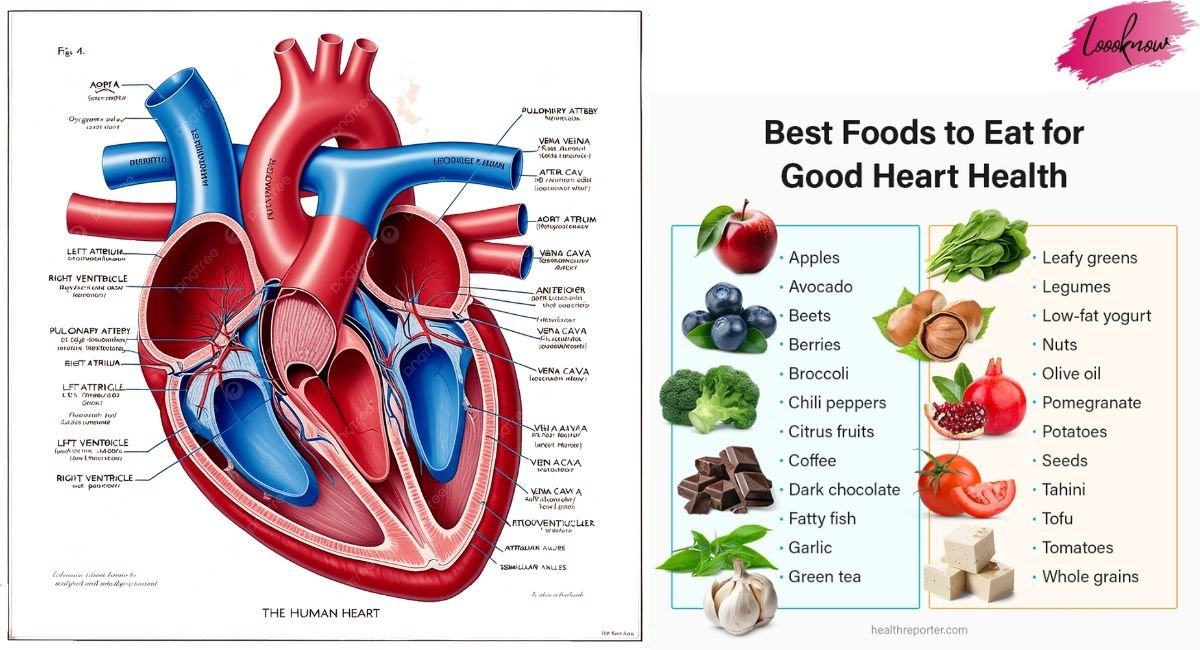
Introduction.
The human heart beats roughly 100,000 times a day, pumping around 7,500 liters of blood through nearly 100,000 kilometers of blood vessels without ever pausing for a rest. It begins its work weeks before we are born and, for most of us, does not stop until the very end of life. Despite this extraordinary, uncomplaining service, the heart is also the organ most likely to fail us prematurely. Cardiovascular disease—which includes conditions such as coronary artery disease, heart attack, stroke, heart failure, and arrhythmias—remains the leading cause of death worldwide, claiming more lives each year than all forms of cancer combined.
What makes this statistic particularly striking is that a large majority of cardiovascular disease is preventable. Unlike many illnesses that strike unpredictably, heart disease usually develops slowly, over decades, through a combination of genetics, lifestyle, and environment. This means that the choices we make about food, movement, sleep, stress, and substance use compound over a lifetime, either protecting the heart or gradually wearing it down.
This article offers a comprehensive look at heart health: how the cardiovascular system works, the risk factors that drive disease, the warning signs everyone should recognize, and the evidence-based strategies—nutrition, exercise, sleep, stress management, and medical screening—that can meaningfully lower your risk. It also addresses special considerations for women, older adults, and people with related conditions like diabetes, along with common myths that can lead people astray. The goal is not to overwhelm but to equip you with a clear, practical understanding of what it takes to keep your heart strong for as long as possible.
Understanding the Cardiovascular System
Before discussing how to protect the heart, it helps to understand how it works. The cardiovascular system consists of three main components: the heart, the blood vessels, and the blood itself.
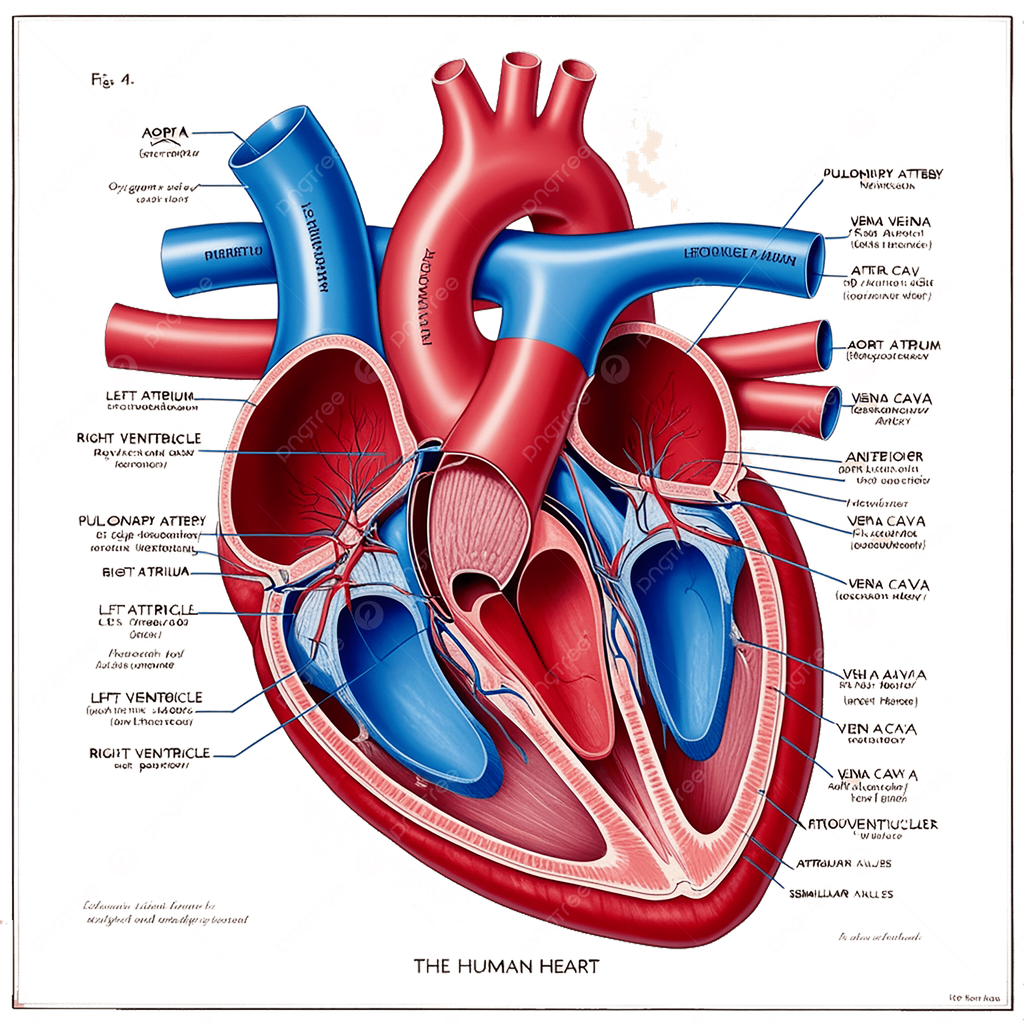
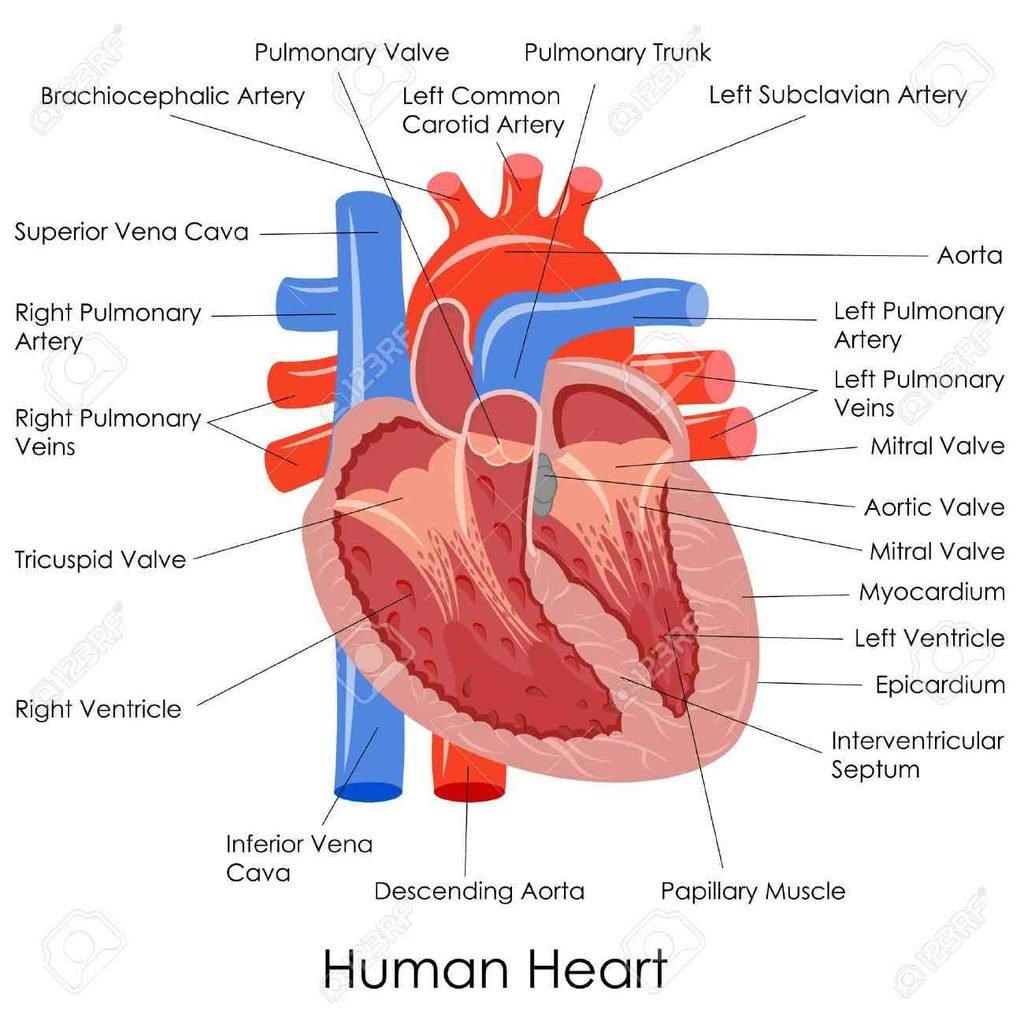
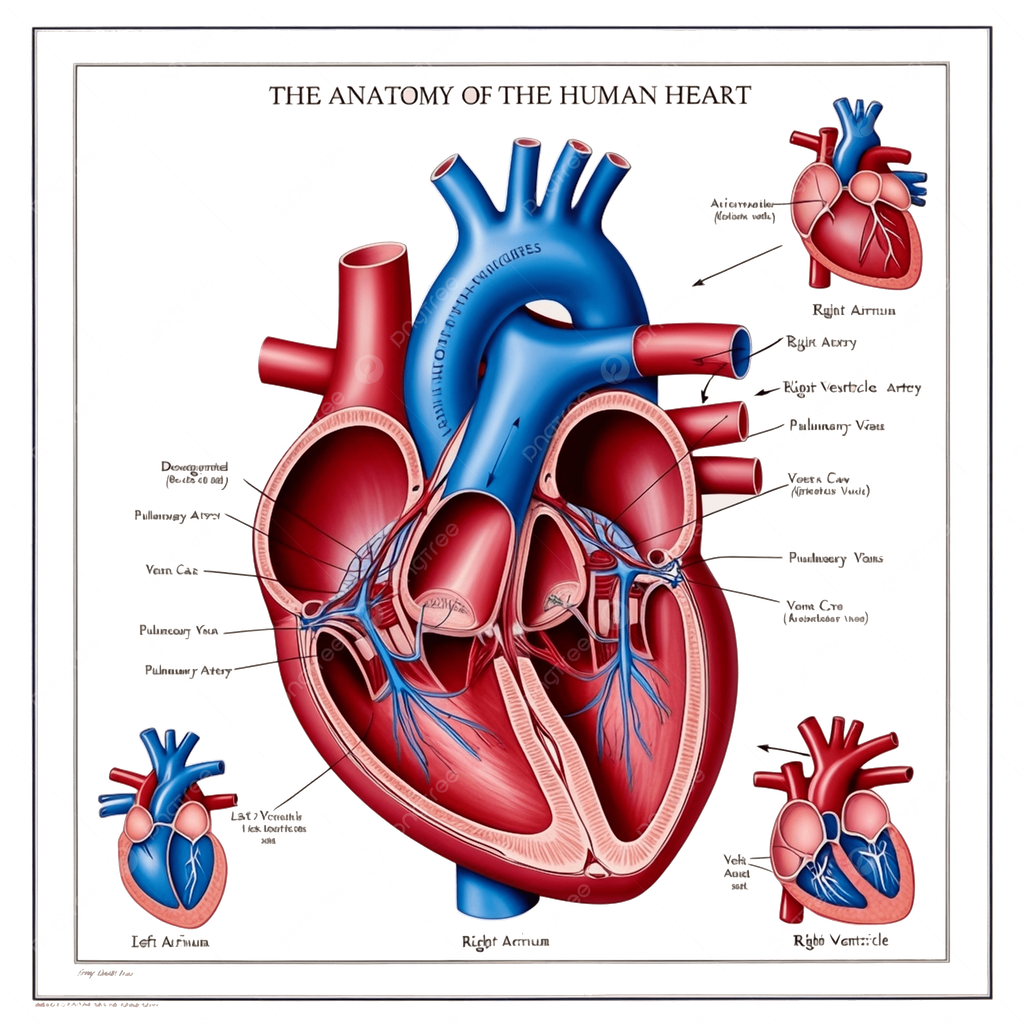
The heart is a muscular organ roughly the size of a fist, divided into four chambers: two atria (upper chambers) and two ventricles (lower chambers). Deoxygenated blood returns from the body into the right atrium, passes into the right ventricle, and is pumped to the lungs, where it picks up oxygen and releases carbon dioxide. This oxygen-rich blood then returns to the left atrium, flows into the left ventricle—the heart’s strongest chamber—and is pumped out through the aorta to supply the entire body.
Four valves keep blood flowing in one direction: the tricuspid, pulmonary, mitral, and aortic valves. When these valves become stiff, leaky, or narrowed, the heart has to work harder, which can lead to symptoms like fatigue, shortness of breath, and swelling.
The heart’s own muscle tissue, the myocardium, is fed by the coronary arteries—a network of vessels that branch off the aorta and wrap around the heart’s surface. These arteries are small, only a few millimeters in diameter, which makes them particularly vulnerable to narrowing from plaque buildup. When a coronary artery becomes blocked, part of the heart muscle is starved of oxygen, resulting in a heart attack (myocardial infarction).
The heart’s rhythm is controlled by an electrical system beginning at the sinoatrial (SA) node, often called the heart’s natural pacemaker. Electrical impulses spread through the atria, pass through the atrioventricular (AV) node, and travel down specialized pathways to coordinate the contraction of the ventricles. Disruptions to this electrical system cause arrhythmias—irregular heartbeats that range from harmless to life-threatening.
Beyond the heart itself, the broader vascular system—arteries, veins, and capillaries—plays an equally important role. Arteries carry oxygenated blood away from the heart under high pressure, veins return blood to the heart under low pressure, and capillaries are the microscopic vessels where oxygen and nutrients are exchanged with tissues. The health of this vast network, particularly the flexibility and cleanliness of arterial walls, is central to cardiovascular health. Much of what we call “heart disease” is, in fact, vascular disease—damage to the pipes rather than the pump itself.
How Heart Disease Develops: The Role of Atherosclerosis
The process underlying most cardiovascular disease is called atherosclerosis, and it typically begins decades before any symptoms appear. Atherosclerosis is the gradual buildup of fatty deposits, cholesterol, calcium, and other substances—collectively called plaque—along the inner walls of arteries.
The process often starts with damage to the endothelium, the thin layer of cells lining blood vessels. This damage can be caused by high blood pressure, smoking, elevated blood sugar, or high levels of LDL cholesterol. Once the endothelium is injured, LDL cholesterol particles can penetrate the artery wall, where they become oxidized and trigger an inflammatory response. White blood cells rush to the site, engulf the oxidized cholesterol, and form fatty streaks that, over time, develop into larger plaques.
As plaques grow, they can narrow the artery, restricting blood flow—a process that causes chest pain (angina) when the heart doesn’t get enough oxygen during exertion. More dangerously, plaques can become unstable and rupture. When this happens, the body’s clotting system responds as though it were dealing with a wound, rapidly forming a blood clot at the rupture site. If this clot fully blocks the artery, the result is a heart attack (if in the coronary arteries) or a stroke (if in vessels supplying the brain).
This explains why heart attacks often seem to come “out of nowhere,” even in people without previously diagnosed heart disease. It is frequently not the largest, most obstructive plaques that rupture, but smaller, inflamed, unstable ones. This is one of the reasons that markers of inflammation and cholesterol quality (not just quantity) have become increasingly important in modern cardiovascular risk assessment.
Major Risk Factors for Heart Disease
Risk factors for cardiovascular disease are generally divided into two categories: those you cannot change and those you can.
Non-Modifiable Risk Factors
Age. The risk of cardiovascular disease increases with age, as arteries naturally stiffen and accumulate plaque over decades. Most heart attacks occur in people over 65, though the disease process begins much earlier.
Sex. Men generally develop heart disease at younger ages than women. Estrogen appears to offer some protective effect before menopause, but after menopause, women’s risk rises and eventually approaches that of men. Women are also more likely to have atypical heart attack symptoms and to be underdiagnosed, a topic covered in more detail later in this article.
Family history and genetics. A family history of early heart disease—defined as a heart attack or cardiac event in a father or brother before age 55, or a mother or sister before age 65—significantly raises personal risk. Certain inherited conditions, such as familial hypercholesterolemia, cause dangerously high cholesterol from birth and require early, aggressive treatment.
Ethnicity. Some ethnic groups have higher rates of conditions that contribute to heart disease. South Asian populations, for example, tend to have higher rates of insulin resistance and coronary artery disease at lower body weights than other groups, while Black populations in many countries have disproportionately high rates of hypertension.
Modifiable Risk Factors
High blood pressure (hypertension). Often called the “silent killer,” high blood pressure typically has no symptoms but steadily damages artery walls, forcing the heart to pump against greater resistance. Over time, this leads to thickening of the heart muscle, increased risk of atherosclerosis, and higher likelihood of stroke, heart failure, and kidney disease. Blood pressure is generally categorized as normal (below 120/80 mmHg), elevated, stage 1 hypertension, and stage 2 hypertension, with treatment thresholds varying by individual risk profile.
High cholesterol, particularly LDL. Low-density lipoprotein (LDL) cholesterol is the primary driver of arterial plaque formation, which is why it is often referred to as “bad” cholesterol. High-density lipoprotein (HDL), by contrast, helps remove cholesterol from the bloodstream and is considered protective. Triglycerides, another type of blood fat, also contribute to risk when elevated, especially in combination with low HDL and high blood sugar—a pattern sometimes called metabolic syndrome.
Diabetes and insulin resistance. High blood sugar damages blood vessels and accelerates atherosclerosis. People with diabetes are two to four times more likely to develop heart disease than those without it, and heart disease is the leading cause of death among people with diabetes. Even prediabetes—elevated blood sugar that hasn’t yet reached diabetic thresholds—carries increased cardiovascular risk.
Obesity and excess abdominal fat. Excess weight, especially fat stored around the abdomen (visceral fat), is strongly linked to hypertension, insulin resistance, and unfavorable cholesterol patterns. Visceral fat is metabolically active tissue that releases inflammatory substances directly into the bloodstream, making waist circumference an important marker of risk independent of overall body weight.
Smoking and tobacco use. Smoking damages the endothelium, promotes clot formation, reduces HDL cholesterol, and raises blood pressure. It roughly doubles the risk of heart disease and is one of the single most preventable causes of cardiovascular death. Even secondhand smoke exposure meaningfully raises risk. Encouragingly, much of the excess risk from smoking declines within just one to two years of quitting.
Physical inactivity. A sedentary lifestyle contributes to obesity, insulin resistance, high blood pressure, and unfavorable cholesterol levels. Regular physical activity, by contrast, strengthens the heart muscle, improves circulation, helps regulate blood sugar, and supports healthy weight.
Poor diet. Diets high in saturated and trans fats, refined carbohydrates, added sugars, and sodium, and low in fiber, fruits, and vegetables, are strongly associated with cardiovascular disease. Diet is discussed in depth later in this article.
Excess alcohol consumption. While moderate alcohol intake was once thought to offer cardiovascular benefits, more recent research has challenged this view, suggesting that any protective effect is smaller than previously believed and that alcohol carries risks even at moderate levels, including elevated blood pressure and irregular heart rhythms such as atrial fibrillation.
Chronic stress and poor mental health. Ongoing psychological stress raises blood pressure, promotes inflammation, and is associated with unhealthy coping behaviors like overeating, smoking, and inactivity. Depression, in particular, has been shown to independently increase cardiovascular risk and worsen outcomes after a cardiac event.
Poor sleep. Both insufficient sleep and poor sleep quality—including undiagnosed sleep apnea—are linked to hypertension, obesity, and increased cardiovascular risk, a relationship explored further below.
Recognizing the Warning Signs
One of the most important things anyone can do for their heart health is learn to recognize the symptoms of a cardiac event, since rapid treatment dramatically improves outcomes.
Heart Attack Symptoms
The classic symptom of a heart attack is chest pain or discomfort—often described as pressure, squeezing, fullness, or an ache rather than a sharp, stabbing pain. This discomfort may come and go, or it may persist. Other symptoms include:
- Pain or discomfort spreading to the arms (especially the left), back, neck, jaw, or stomach
- Shortness of breath, with or without chest discomfort
- Cold sweat
- Nausea or vomiting
- Lightheadedness or sudden dizziness
- Unusual fatigue, sometimes appearing days before the event
It’s worth emphasizing that heart attacks do not always present as the dramatic, clutch-the-chest collapse often shown in film and television. Many are more subtle, particularly in women, older adults, and people with diabetes, who may experience “atypical” symptoms such as shortness of breath, extreme fatigue, or vague discomfort in the back or jaw without significant chest pain. This is a major reason why heart attacks in these groups are sometimes missed or diagnosed late.
Anyone experiencing symptoms suggestive of a heart attack should seek emergency medical care immediately rather than waiting to see if symptoms pass. Every minute of delay in restoring blood flow means more heart muscle damage.
Stroke Symptoms
Because stroke is closely related to cardiovascular disease and shares many risk factors, it’s worth knowing its warning signs as well, commonly remembered through the acronym FAST:
- Face drooping on one side
- Arm weakness, especially on one side
- Speech difficulty, slurred or strange speech
- Time to call emergency services immediately if any of these signs appear
Additional stroke symptoms include sudden confusion, trouble seeing in one or both eyes, sudden severe headache, and loss of balance or coordination.
Signs of Heart Failure
Heart failure develops when the heart cannot pump blood as efficiently as the body needs, often over months or years. Warning signs include:
- Shortness of breath during activity or while lying flat
- Persistent coughing or wheezing
- Swelling in the legs, ankles, or abdomen
- Rapid or irregular heartbeat
- Fatigue and weakness
- Sudden weight gain from fluid retention
Signs of Arrhythmia
Irregular heartbeats can range from harmless to dangerous. Symptoms worth reporting to a doctor include a fluttering or pounding sensation in the chest, a racing or unusually slow heartbeat, dizziness, fainting, and shortness of breath.
Screening and Diagnostic Tests
Because so much of cardiovascular disease develops silently, regular screening is essential, particularly as people move into their 30s, 40s, and beyond, or earlier if risk factors or family history warrant it.
Blood pressure measurement should be a routine part of any medical visit, and home monitoring is increasingly recommended for people with borderline or elevated readings, since blood pressure can vary throughout the day and “white coat hypertension” (elevated readings only in clinical settings) is common.
Lipid panels measure total cholesterol, LDL, HDL, and triglycerides, typically via a blood draw after fasting. Guidelines generally recommend screening beginning in early adulthood, with frequency increasing based on risk factors and results.
Blood glucose and HbA1c tests assess current blood sugar levels and average blood sugar over roughly three months, helping to identify prediabetes and diabetes before they cause vascular damage.
Body measurements, including weight, BMI, and waist circumference, help assess risk related to excess weight, particularly abdominal fat.
Electrocardiogram (ECG or EKG) records the heart’s electrical activity and can detect arrhythmias, evidence of prior heart attacks, and other abnormalities, though a normal resting ECG does not rule out coronary artery disease.
Coronary calcium scoring, a specialized CT scan, measures the amount of calcified plaque in the coronary arteries and has become an increasingly valuable tool for assessing risk in people who fall into an intermediate risk category, helping guide decisions about medication and lifestyle intervention.
Stress tests, whether using exercise or medication to increase heart demand, help evaluate how the heart performs under exertion and can reveal blockages not apparent at rest.
Additional tests, such as echocardiograms (ultrasound of the heart), cardiac MRI, or coronary angiography, may be used when more detailed evaluation is needed, often after symptoms or abnormal screening results.
Discussing your individual risk profile and appropriate screening schedule with a healthcare provider is one of the most valuable steps anyone can take, since recommendations vary considerably based on age, family history, and existing risk factors.
Nutrition for a Healthy Heart
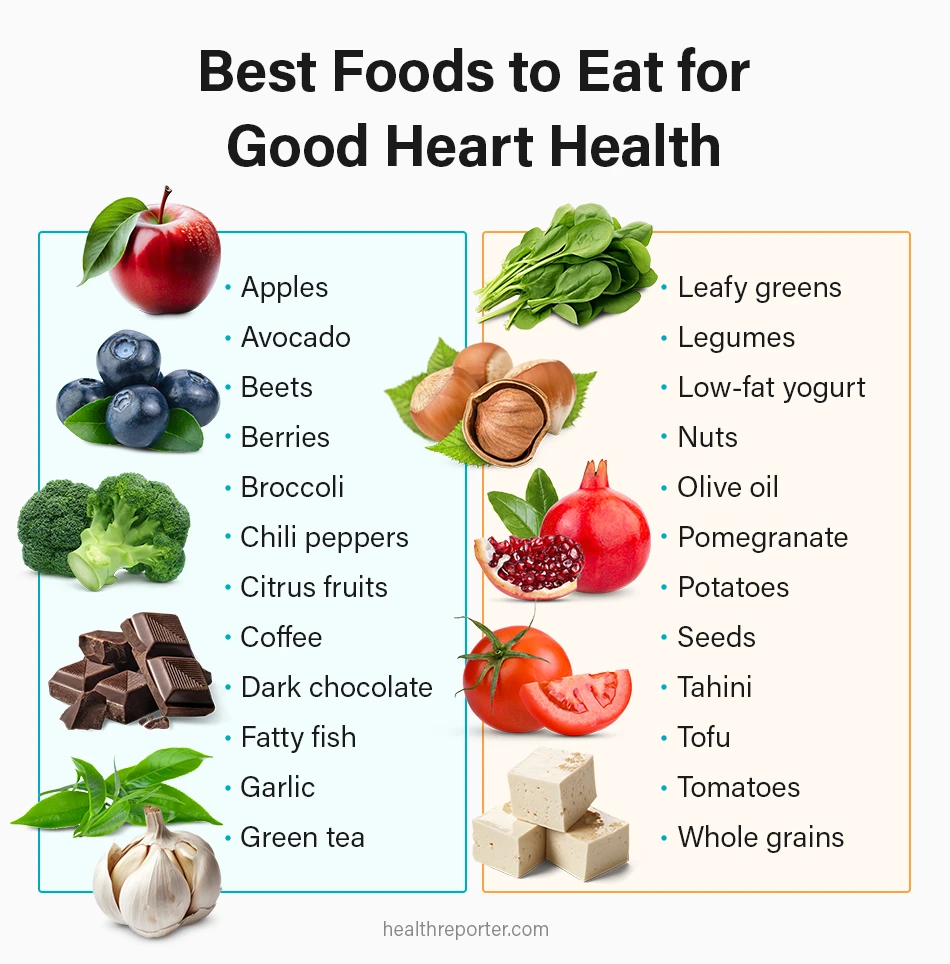
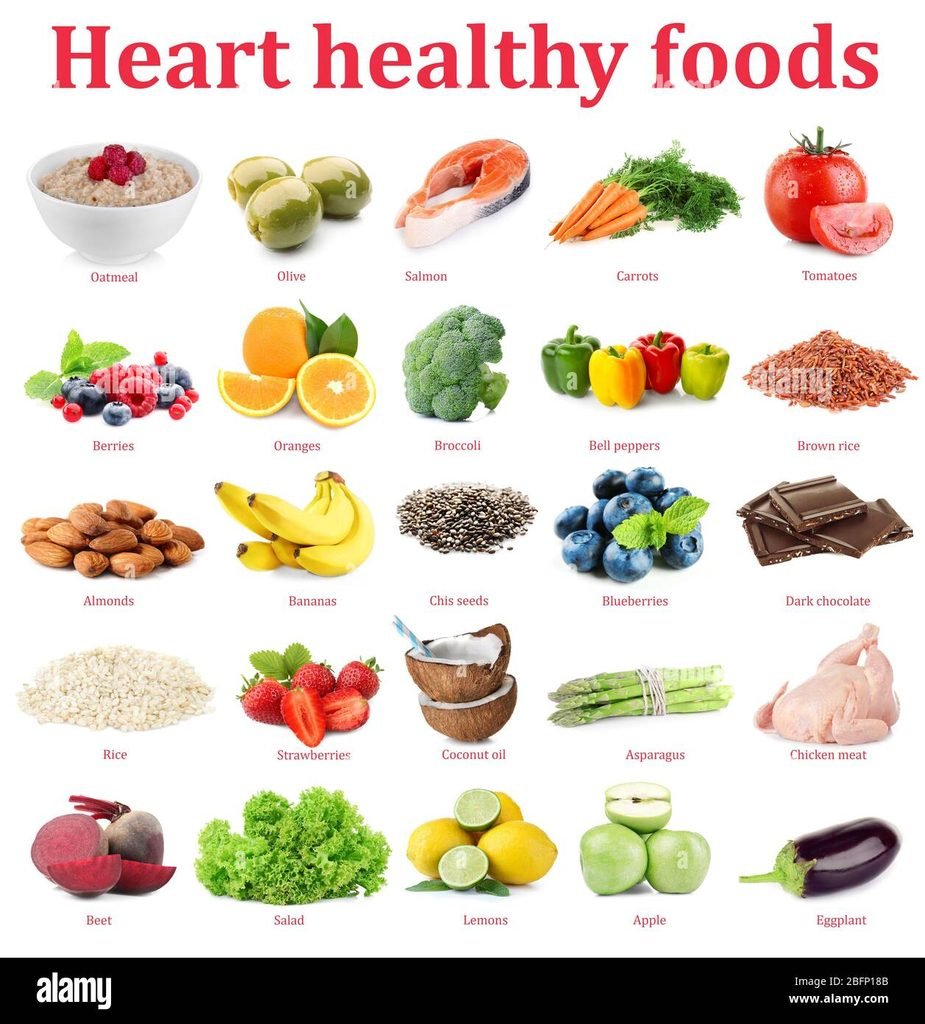
Diet is among the most powerful and most researched levers for cardiovascular health. Decades of research point consistently toward a small number of overarching dietary patterns, rather than any single “superfood,” as the most effective approach.
Dietary Patterns That Support Heart Health
The Mediterranean diet—rich in vegetables, fruits, whole grains, legumes, nuts, olive oil, and fish, with modest amounts of poultry and dairy and limited red meat—has some of the strongest evidence behind it, including large randomized trials showing reduced rates of heart attack, stroke, and cardiovascular death among people who adopt it.
The DASH diet (Dietary Approaches to Stop Hypertension) was specifically designed to lower blood pressure and emphasizes fruits, vegetables, whole grains, lean proteins, and low-fat dairy while limiting sodium, red meat, and sweets. It has been shown to meaningfully reduce blood pressure, often within just a few weeks.
Both patterns share common features: an emphasis on whole, minimally processed foods; abundant plant matter; healthy fats over saturated and trans fats; and limited added sugar and sodium.
Fats: Quality Matters More Than Quantity Alone
For decades, dietary fat was broadly vilified, but research has since clarified that the type of fat matters enormously.
Saturated fats, found in fatty meats, butter, and many processed foods, raise LDL cholesterol when consumed in excess and are generally recommended to be limited.
Trans fats, found in some margarines and many processed and fried foods (though increasingly banned or reduced in many countries), are particularly harmful, raising LDL while also lowering protective HDL cholesterol. Most public health authorities now recommend avoiding them entirely.
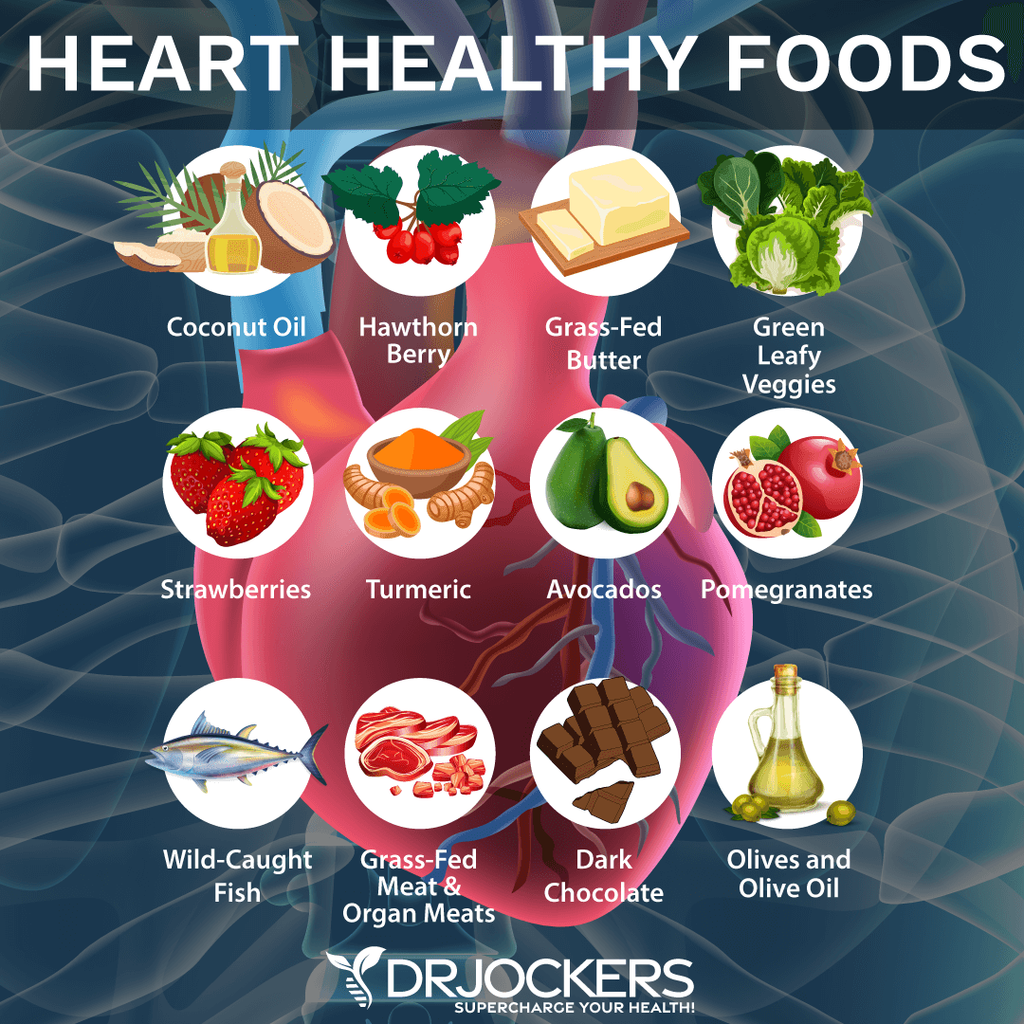
Unsaturated fats—both monounsaturated (found in olive oil, avocados, and nuts) and polyunsaturated (found in fatty fish, walnuts, and flaxseed)—support healthy cholesterol levels and are associated with reduced cardiovascular risk when they replace saturated fat in the diet.
Omega-3 fatty acids, found abundantly in fatty fish like salmon, mackerel, and sardines, have anti-inflammatory properties and are associated with reduced triglycerides and modest reductions in cardiovascular risk. Most major heart health guidelines recommend eating fish at least twice a week.
Sodium and Blood Pressure
Excess sodium intake contributes directly to high blood pressure in many people, and most people worldwide consume considerably more sodium than recommended, largely from processed and restaurant foods rather than the salt shaker at home. Reading nutrition labels, cooking more meals from scratch, and favoring fresh or minimally processed foods are practical ways to reduce sodium intake.
Fiber
Soluble fiber, found in oats, beans, lentils, apples, and psyllium, binds to cholesterol in the digestive tract and helps remove it from the body, contributing to lower LDL cholesterol. Fiber-rich diets are also associated with better blood sugar control and healthier body weight, both of which indirectly support heart health.
Added Sugar and Refined Carbohydrates
Diets high in added sugar and refined carbohydrates are associated with higher triglycerides, lower HDL cholesterol, weight gain, and increased risk of type 2 diabetes—all of which elevate cardiovascular risk. Limiting sugary beverages in particular has consistently been linked to better cardiometabolic outcomes.
Practical Steps
- Fill half your plate with vegetables and fruit at most meals
- Choose whole grains over refined grains
- Include a source of healthy fat, such as olive oil, nuts, or avocado, daily
- Eat fish, particularly fatty fish, at least twice weekly
- Limit processed meats and highly processed foods generally
- Reduce sodium by cooking more at home and reading labels
- Choose water, tea, or coffee over sugary drinks
- Practice moderation with alcohol, and consider minimizing it, especially if you have other risk factors
Blood Pressure Support, Nitric Oxide, Beet Root Powder & Grape Seed Extract, Once Daily, Made in USA
Physical Activity and Exercise
Regular physical activity is one of the most effective, evidence-backed interventions for cardiovascular health, benefiting nearly every risk factor simultaneously: it helps lower blood pressure, improves cholesterol profiles, aids in weight management, improves insulin sensitivity, reduces inflammation, and strengthens the heart muscle itself.
How Much Exercise Is Enough?
Most major health organizations recommend at least 150 minutes of moderate-intensity aerobic activity per week (such as brisk walking, cycling, or swimming), or 75 minutes of vigorous-intensity activity (such as running or high-intensity interval training), or an equivalent combination of both. This can be broken into manageable sessions—for example, 30 minutes five days a week—rather than needing to be completed all at once.
In addition to aerobic activity, muscle-strengthening activities involving all major muscle groups are generally recommended at least twice a week. Strength training supports metabolic health, helps maintain healthy body composition, and becomes increasingly important for maintaining independence and reducing frailty with age.
Beyond the Minimums
Research suggests that cardiovascular benefits continue to accrue well beyond the minimum recommended activity levels, with some studies showing that people who exceed the guidelines—doubling or even tripling the recommended aerobic minutes—see additional reductions in cardiovascular mortality, though with diminishing returns at very high volumes.
Equally important is reducing sedentary time. Even among people who exercise regularly, prolonged sitting throughout the day has been independently associated with higher cardiovascular risk. Simple strategies like standing or walking briefly every hour, taking walking meetings, or using a standing desk can help offset the effects of a largely sedentary job.
Getting Started Safely
For people who are new to exercise, particularly those with existing health conditions or risk factors, starting gradually and, when appropriate, consulting a healthcare provider before beginning a vigorous program is a sensible precaution. Walking is one of the most accessible and effective forms of exercise, requiring no equipment and carrying a low risk of injury, and it remains a cornerstone recommendation for people at every fitness level.
Consistency tends to matter more than intensity, especially at the start. Building a sustainable habit—even something as modest as a 20-minute daily walk—provides far more long-term benefit than sporadic intense workouts that aren’t maintained.
Sleep and Heart Health
Sleep has emerged as an increasingly recognized pillar of cardiovascular health, standing alongside diet and exercise in its impact.
During sleep, blood pressure naturally dips—a phenomenon known as “nocturnal dipping”—giving the cardiovascular system a period of rest. People who don’t get adequate sleep, or whose sleep is fragmented, often don’t experience this dip, which is associated with sustained higher cardiovascular risk over time.
Chronic short sleep, generally defined as less than seven hours per night on a regular basis, has been linked to higher rates of hypertension, obesity, insulin resistance, and inflammation. Both too little and, in some studies, excessively long sleep have been associated with increased cardiovascular risk, suggesting that consistency and quality matter alongside duration.
Sleep apnea, a condition in which breathing repeatedly stops and starts during sleep, deserves particular attention. It causes repeated drops in blood oxygen levels and triggers stress responses that raise blood pressure and strain the cardiovascular system. Sleep apnea is strongly associated with hypertension, atrial fibrillation, heart failure, and stroke, yet it remains widely underdiagnosed. Warning signs include loud snoring, gasping or choking during sleep, and excessive daytime sleepiness, particularly in people who are overweight or have a family history of the condition. Anyone with these symptoms should discuss screening for sleep apnea with a healthcare provider, since effective treatments are available and can meaningfully reduce cardiovascular risk.
Good sleep hygiene practices—maintaining a consistent sleep schedule, limiting screen exposure before bed, keeping the bedroom cool and dark, and avoiding caffeine and heavy meals late in the day—can help support the quality and consistency of sleep that the cardiovascular system relies on.
Stress, Mental Health, and the Heart
The connection between the mind and the heart is not merely metaphorical. Chronic psychological stress has measurable physiological effects on the cardiovascular system.
When the body perceives stress, it releases hormones like cortisol and adrenaline, which increase heart rate and blood pressure and prepare the body for a “fight or flight” response. This response is useful for short-term, acute threats, but when stress becomes chronic—as with ongoing work pressure, financial strain, relationship difficulties, or caregiving burdens—the body remains in a persistently activated state, contributing over time to hypertension, inflammation, and unfavorable changes in cholesterol and blood sugar regulation.
Beyond these direct physiological effects, chronic stress often drives indirect harm through behavior: people under sustained stress are more likely to smoke, overeat or eat poorly, drink more alcohol, exercise less, and sleep worse—all of which independently raise cardiovascular risk.
Depression and anxiety disorders have also been shown, in extensive research, to independently increase the risk of developing heart disease and to worsen outcomes for people who already have it. The relationship appears bidirectional: heart disease can contribute to depression, and depression can worsen cardiovascular outcomes, potentially through both behavioral pathways (reduced motivation for healthy habits, medication adherence) and biological ones (inflammation, altered heart rate variability).
Given this connection, managing stress and attending to mental health are not peripheral to heart health but central to it. Effective approaches include regular physical activity (which has anti-anxiety and antidepressant effects in addition to its direct cardiovascular benefits), mindfulness and relaxation practices, adequate sleep, maintaining social connections, and seeking professional support through therapy or counseling when stress, anxiety, or depression become difficult to manage alone. Social isolation and loneliness, notably, have themselves been identified as independent cardiovascular risk factors in a growing body of research, underscoring the importance of relationships and community to physical, not just emotional, wellbeing.
Smoking, Alcohol, and Substance Use
Smoking deserves particular emphasis because it is both extremely common and extremely harmful. It contributes to heart disease through multiple mechanisms: damaging the endothelial lining of blood vessels, promoting the buildup of arterial plaque, increasing blood clot formation, raising blood pressure and heart rate, and reducing the oxygen-carrying capacity of blood. Encouragingly, the cardiovascular benefits of quitting begin remarkably quickly: heart rate and blood pressure begin to drop within 20 minutes, circulation and lung function improve within weeks to months, and within a year, the excess risk of heart disease is cut substantially compared to a continuing smoker, continuing to decline in the years that follow. This makes smoking cessation one of the single most impactful actions a person can take for their cardiovascular health, at any age.
Vaping and e-cigarettes, while generally considered to expose users to fewer toxicants than combustible cigarettes, are not risk-free and have been associated with adverse effects on blood vessel function and heart rate; they are best understood as a harm-reduction tool for existing smokers rather than a safe habit in their own right, and are not recommended for people who don’t already smoke.
Alcohol has a complicated history in cardiovascular research. Older observational studies suggested that light-to-moderate drinking, particularly of red wine, might offer some cardiovascular protection. More recent and methodologically rigorous research has complicated this picture considerably, suggesting that much of the apparent benefit in earlier studies may have reflected other differences between moderate drinkers and non-drinkers, rather than a true protective effect of alcohol itself. Alcohol is now understood to raise blood pressure, contribute to irregular heart rhythms such as atrial fibrillation (sometimes called “holiday heart syndrome” after acute binge episodes), and, in excess, directly weaken heart muscle (alcoholic cardiomyopathy). Most current guidance suggests that if you drink, doing so in moderation is preferable to heavy drinking, but that starting to drink for perceived heart benefits is not advisable, and that less is generally better than more.
Heart Health Across Life Stages and Populations
Women and Heart Disease
Heart disease is often perceived as a predominantly male condition, but it is in fact the leading cause of death for women in many countries as well. Several factors make women’s cardiovascular health distinct and, historically, underappreciated.
Before menopause, estrogen offers women some relative protection, but this advantage narrows and eventually disappears after menopause, when a woman’s cardiovascular risk begins to more closely resemble that of men. Certain conditions specific to women, such as preeclampsia or gestational diabetes during pregnancy, and polycystic ovary syndrome, are now recognized as markers of elevated lifetime cardiovascular risk and warrant closer monitoring in the years that follow.
Women are also more likely than men to experience atypical heart attack symptoms, such as unusual fatigue, shortness of breath, nausea, or back or jaw pain, without prominent chest pain. This has historically contributed to delayed diagnosis and treatment, along with a broader pattern of women’s cardiac symptoms being underrecognized by both patients and healthcare providers. Increased awareness of these differences, among both the public and clinicians, has become an important focus of cardiovascular medicine in recent years.
Aging and the Heart
As people age, arteries naturally become stiffer, blood pressure tends to rise, and the heart’s maximum capacity for exertion gradually declines. These changes are a normal part of aging, but the rate at which they progress is heavily influenced by lifestyle factors, meaning that many age-related cardiovascular changes can be slowed considerably through the same interventions discussed throughout this article—exercise, diet, and management of risk factors like blood pressure and cholesterol.
Older adults also face unique considerations, including polypharmacy (the use of multiple medications, which can interact), higher rates of comorbid conditions, and increased risk of falls, which can complicate exercise recommendations. Balance and strength training become particularly valuable in this population, both for cardiovascular benefit and for maintaining independence and reducing injury risk.
Diabetes and Cardiometabolic Health
Because diabetes and cardiovascular disease are so closely intertwined, managing blood sugar is, in effect, a form of heart disease prevention. People with diabetes benefit from particularly close attention to blood pressure and cholesterol management, as the combination of these risk factors compounds cardiovascular risk substantially beyond what any single factor would produce alone. Several newer classes of diabetes medications have also been shown, in large clinical trials, to provide direct cardiovascular benefits independent of their blood-sugar-lowering effects, reflecting how closely linked these two systems are.
Children and Young Adults
While cardiovascular events are rare in children, the process of atherosclerosis can begin in childhood and adolescence, particularly in the presence of obesity, poor diet, physical inactivity, or familial high cholesterol. Establishing healthy habits early—regular physical activity, a diet rich in whole foods, and avoidance of tobacco—provides a foundation that pays dividends across an entire lifetime, and pediatric guidelines increasingly emphasize early screening for risk factors in children with relevant family history or other risk indicators.
Common Types of Heart Disease
Coronary artery disease (CAD) is the most common form of heart disease, resulting from atherosclerotic narrowing of the coronary arteries. It can cause angina (chest pain during exertion) or lead to a heart attack if a plaque ruptures and causes a blockage.
Heart failure occurs when the heart cannot pump blood efficiently enough to meet the body’s needs. It can result from long-standing high blood pressure, prior heart attacks, valve disease, or other causes, and is managed through a combination of medication, lifestyle changes, and, in some cases, devices or surgery.
Arrhythmias are abnormalities in the heart’s electrical rhythm. Atrial fibrillation, the most common serious arrhythmia, causes the upper chambers of the heart to beat irregularly and rapidly, increasing the risk of blood clots and stroke. Other arrhythmias range from harmless extra heartbeats to life-threatening ventricular arrhythmias.
Valve disease occurs when one or more of the heart’s valves fail to open or close properly, forcing the heart to work harder and potentially leading to heart failure if untreated. Some valve disease is congenital, while other cases develop with age or as a result of infection or other conditions.
Congenital heart disease refers to structural heart problems present from birth, ranging from minor issues requiring no treatment to complex defects requiring surgery in infancy.
Cardiomyopathy refers to diseases of the heart muscle itself, which can be caused by genetics, viral infections, prolonged high blood pressure, excessive alcohol use, or other factors, and can impair the heart’s ability to pump effectively.
A Practical Framework for Heart Health
Bringing together the evidence discussed throughout this article, a useful way to think about heart health is through a small number of core habits, sometimes summarized by organizations like the American Heart Association under frameworks such as “Life’s Essential 8”: eating a healthy diet, being physically active, avoiding tobacco, getting adequate sleep, managing weight, and controlling cholesterol, blood pressure, and blood sugar.
In practice, this translates into a manageable set of everyday priorities:
- Know your numbers. Understand your blood pressure, cholesterol levels, blood sugar, and BMI or waist circumference, and discuss appropriate screening frequency with a healthcare provider based on your personal and family history.
- Eat a heart-healthy diet. Emphasize vegetables, fruits, whole grains, legumes, nuts, and healthy fats; limit processed foods, added sugar, sodium, and saturated and trans fats.
- Move regularly. Aim for at least 150 minutes of moderate aerobic activity weekly, plus strength training twice a week, and minimize prolonged sitting.
- Prioritize sleep. Aim for seven to nine hours of quality sleep nightly, and seek evaluation for sleep apnea if you experience loud snoring, gasping during sleep, or persistent daytime fatigue.
- Don’t smoke, and if you do, seek support to quit. This is one of the highest-impact changes available at any age.
- Limit alcohol. If you drink, do so in moderation, and don’t start drinking for perceived heart benefits.
- Manage stress and mental health. Build in regular relaxation, movement, social connection, and seek professional support for anxiety or depression when needed.
- Take medications as prescribed. For people with hypertension, high cholesterol, or diabetes, prescribed medications work alongside lifestyle changes, not as a replacement for them, and adherence significantly improves outcomes.
- Know the warning signs. Familiarize yourself with the symptoms of heart attack and stroke, and don’t hesitate to seek emergency care.
Common Myths About Heart Health
Myth: Heart disease is mainly a concern for older people. While risk increases with age, the underlying disease process often begins in youth, and rates of risk factors like obesity and hypertension are rising among younger adults, making prevention relevant at every age.
Myth: If I feel fine, my heart must be healthy. High blood pressure, high cholesterol, and early atherosclerosis typically cause no symptoms until they become advanced, which is exactly why regular screening matters regardless of how you feel.
Myth: Heart disease is mostly a men’s health issue. As discussed, cardiovascular disease is a leading cause of death for women as well, and awareness of this fact remains an ongoing public health priority.
Myth: A little bit of exercise doesn’t make a difference. Research consistently shows meaningful cardiovascular benefit even at modest levels of activity, and the transition from sedentary to somewhat active generally produces the largest relative risk reduction, meaning any increase in activity helps.
Myth: All fat is bad for the heart. As discussed, unsaturated fats from sources like olive oil, nuts, and fish support cardiovascular health, while it is specifically saturated and trans fats that warrant limitation.
Myth: Cholesterol from food is the main driver of blood cholesterol. For most people, the body’s own production of cholesterol, influenced heavily by intake of saturated fat, plays a larger role in blood cholesterol levels than dietary cholesterol itself, which is why the focus of dietary advice has shifted over the years toward limiting saturated fat rather than cholesterol-containing foods specifically.
Myth: Supplements can substitute for a healthy lifestyle. While some supplements, such as omega-3s, have modest evidence in specific contexts, no supplement has been shown to replace the benefits of a genuinely healthy diet, regular exercise, and management of risk factors like blood pressure.
When to Seek Medical Care
While this article provides general information, it cannot replace personalized medical advice. You should seek prompt medical attention if you experience chest pain or pressure, especially with radiation to the arm, jaw, or back; shortness of breath; unexplained sweating; nausea combined with chest discomfort; sudden severe headache; sudden weakness or numbness, especially on one side of the body; or difficulty speaking or understanding speech. These symptoms warrant emergency care rather than a wait-and-see approach.
Beyond emergencies, regular checkups that include blood pressure measurement, cholesterol and blood sugar screening, and an honest conversation about lifestyle factors like diet, exercise, sleep, smoking, and stress form the backbone of long-term cardiovascular prevention. For anyone with a family history of early heart disease, existing risk factors, or symptoms that concern them, a conversation with a healthcare provider about personalized screening and prevention strategies is a worthwhile investment.
Please visit us for more detail # www.loooknow.com
Conclusion
The heart’s resilience is remarkable, but it is not limitless. The cumulative weight of daily choices—what we eat, how much we move, whether we smoke, how well we sleep, and how we manage stress—shapes cardiovascular health far more than any single dramatic event. This is, in many ways, encouraging news: it means that meaningful protection against the world’s leading cause of death lies substantially within reach of ordinary, sustainable habits rather than rare or extraordinary interventions.
No single change guarantees protection, and genetics and circumstance play a real role that lifestyle alone cannot fully overcome. But the evidence is clear and consistent: people who don’t smoke, who move regularly, who eat a diet centered on whole foods, who sleep well, who manage stress, and who stay on top of their blood pressure, cholesterol, and blood sugar dramatically reduce their risk of cardiovascular disease compared to those who don’t. Small, consistent choices, sustained over years and decades, are what ultimately determine whether the heart’s tireless work is met with the support it needs to keep going strong.
Whatever stage of life you’re in, there is no wrong time to start prioritizing your heart. The organ that has been working for you every second since before you were born deserves nothing less.
Blood Pressure Support, Heart Health & Energy, Once Daily, Made in USA

I am a SEO content writer with experience creating blog posts, affiliate articles, product reviews, and website content. I focus on delivering well-researched, engaging, and search-engine-optimized content that helps businesses grow their online presence.