
Heads up: If you buy through links in this review, I may earn a small commission at no extra cost to you. This doesn’t affect my ratings.
Introduction
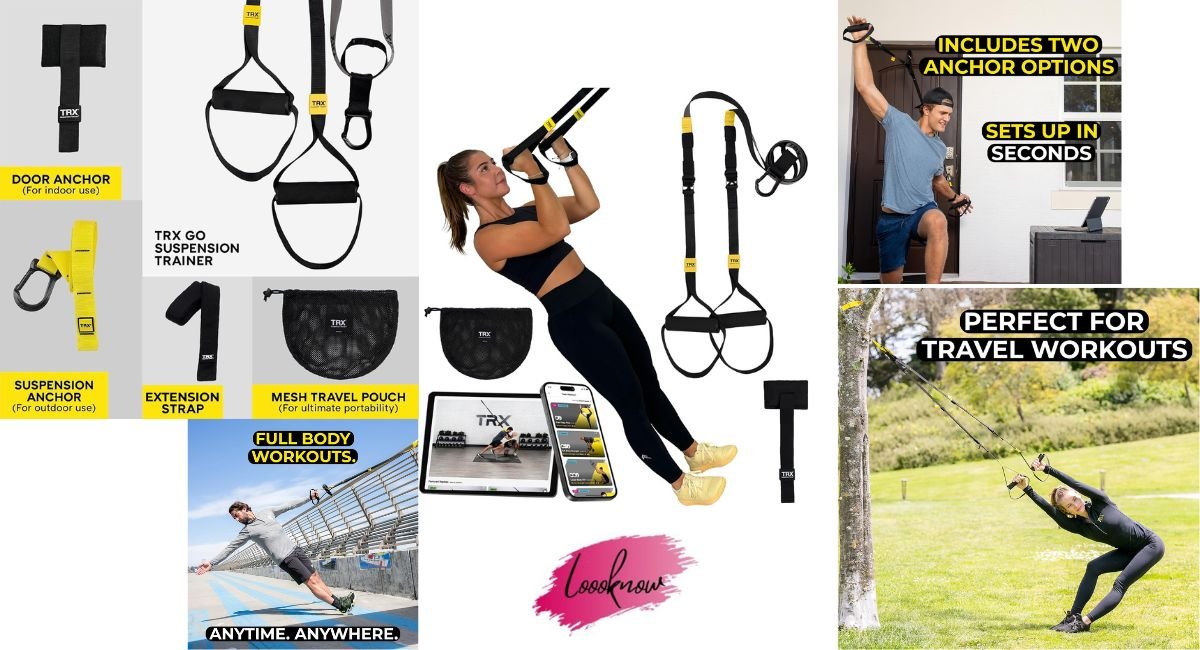
Finding room for a full gym at home isn’t always realistic, and neither is squeezing in a workout while you’re on the road. That’s the gap the TRX GO Suspension Trainer is built to fill. Weighing in at just over a pound and rolling up small enough to fit in a carry-on, it promises full-body strength training wherever you happen to be, no rack of dumbbells required.
TRX markets the GO as its lightest, most convenient travel trainer, built to create intense full-body workouts anywhere, anytime, and it can be set up in under a minute with access to more than 300 exercises.
But does a bundle of straps and anchors really replace a gym membership, or is it just a clever piece of marketing? In this review, we’ll break down the TRX GO’s design, setup, workout variety, and overall value in 2026, so you can decide whether it deserves a spot in your fitness bag.
Quick Verdict
The short version: The TRX GO Suspension Trainer is a legitimately portable, well-made suspension trainer that delivers most of what the flagship TRX Home2 offers, at a lower price and about half the packed size. It’s not a downgrade so much as a different set of tradeoffs — lighter-duty handles, a shorter warranty in some bundles, and a stripped-down accessory set compared to TRX’s premium lines.
Best for: Travelers, apartment dwellers, beginners easing into bodyweight training, and anyone who wants a no-footprint home gym.
Not ideal for: Serious strength athletes who want a rugged, commercial-grade rig, or anyone who plans to train outdoors in rough conditions daily.
Typical price range: Around $99–$150 depending on retailer and promotions, against a manufacturer retail price of $129.95.
At a glance:
| Category | Rating (out of 5) |
|---|---|
| Portability | 4.8 |
| Build Quality | 4.0 |
| Ease of Setup | 4.5 |
| Value for Money | 4.2 |
| Versatility | 4.3 |
If you want the full reasoning behind these numbers, keep reading — the sections below unpack each one.
What Is the TRX GO Suspension Trainer?
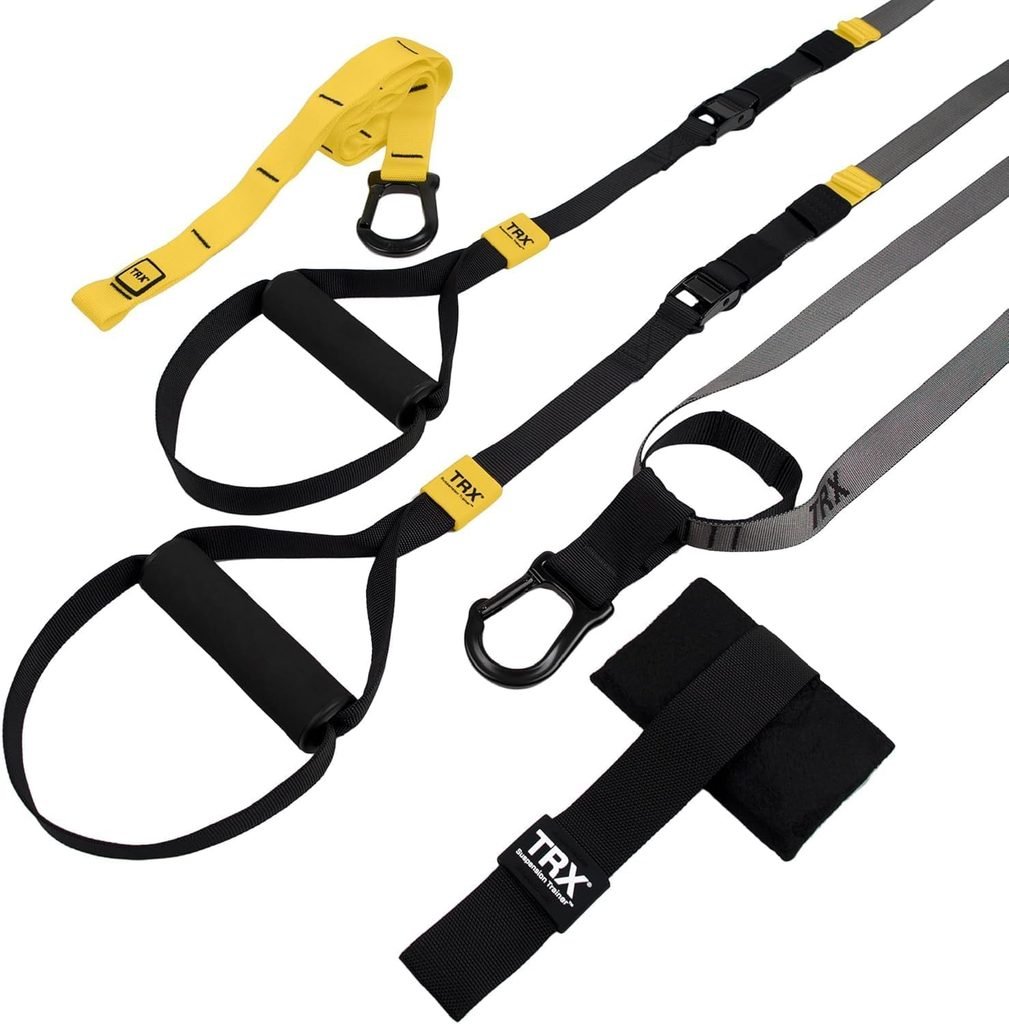
The TRX GO Suspension Trainer is a lightweight suspension training system built around a single adjustable strap with two handles, designed to anchor to a door, beam, tree branch, or any sturdy overhead point. You use your own body weight as resistance, and you change the difficulty by shifting your body angle relative to the anchor point — lean back further, and a row gets harder; step closer, and it gets easier.
TRX positions the GO as the entry point into its ecosystem for people who prioritize portability over the more rugged build of its Home2 and Pro4 lines. It’s the same fundamental training concept TRX is known for — full-body, bodyweight-based conditioning — packaged into a strap that weighs about one pound and rolls up small enough to fit in a jacket pocket or the side pouch of a backpack.
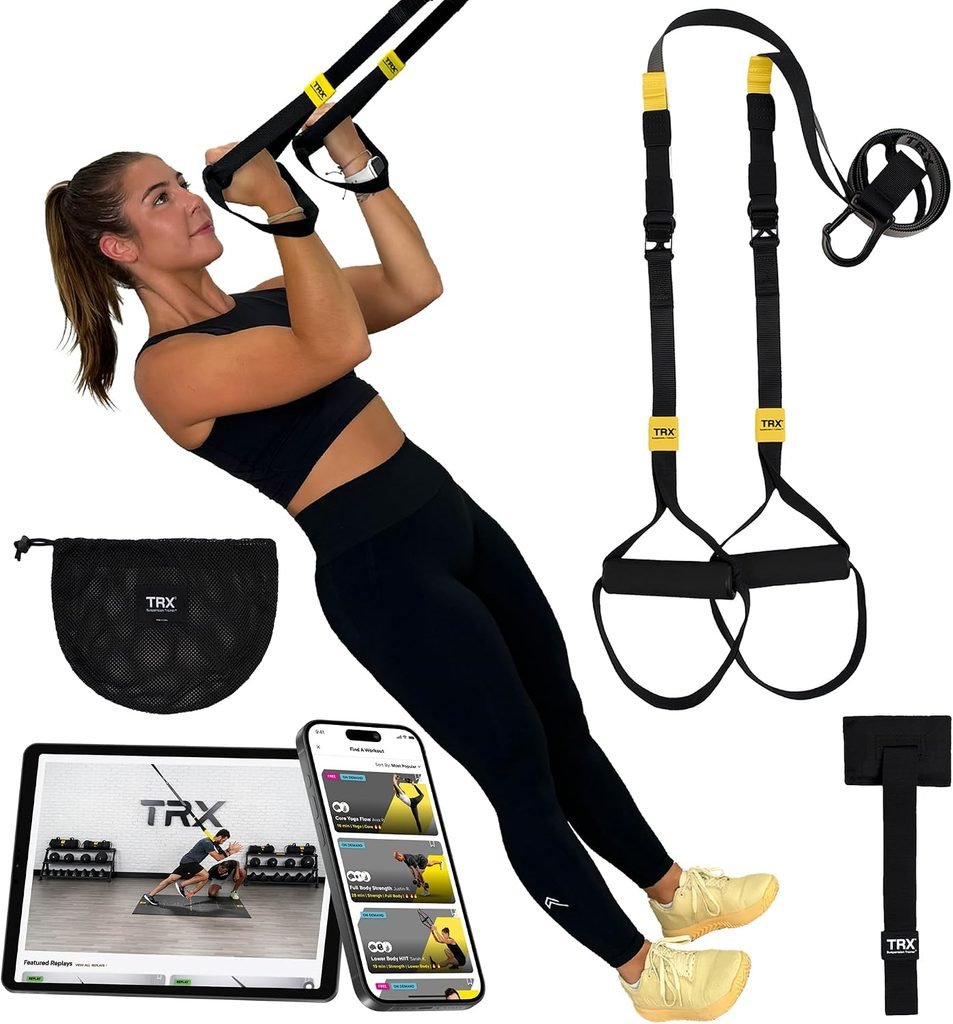
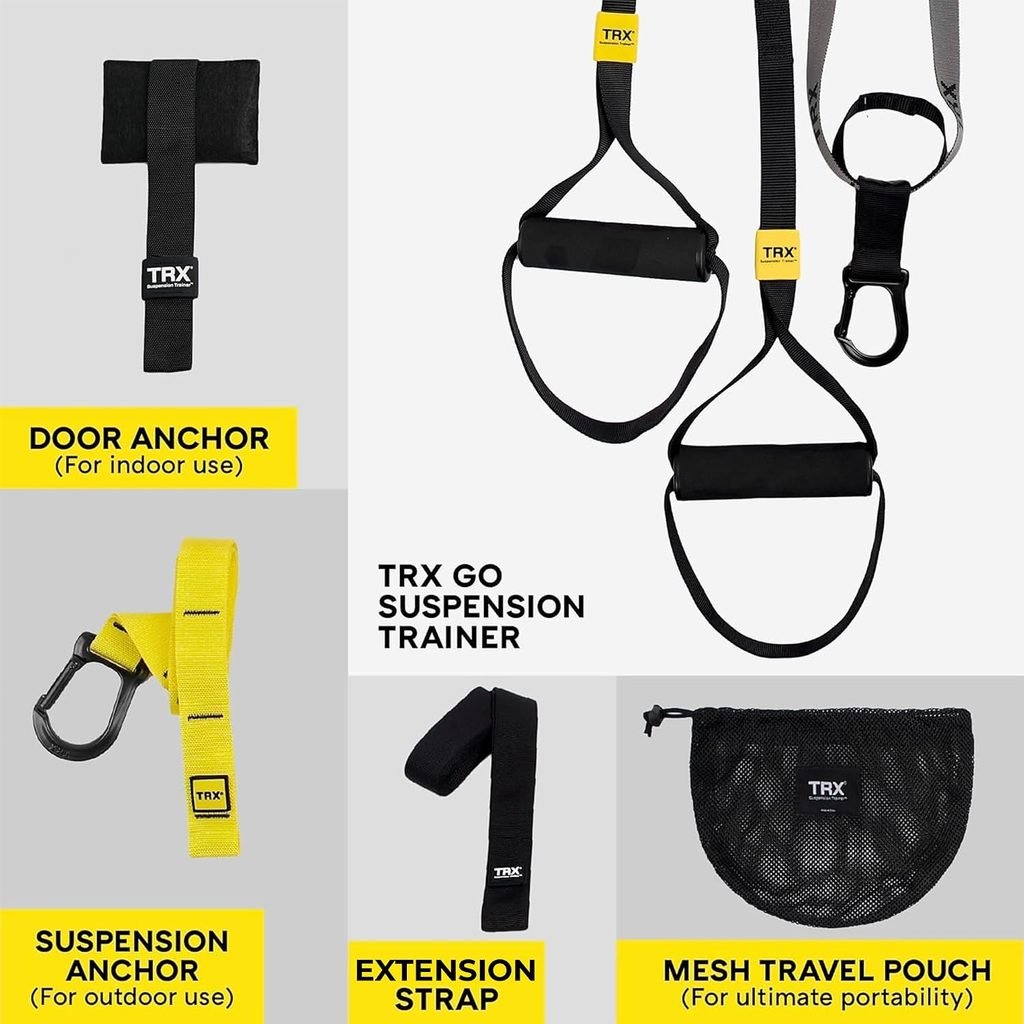
What sets it apart from generic suspension trainers on Amazon isn’t flashy technology. It’s TRX’s exercise library and app ecosystem, its name recognition in physical therapy and military fitness circles, and a component design that’s been refined across several product generations. The package typically includes the strap itself, a door anchor, a separate suspension anchor for beams or trees, a mesh carry bag, and a starter poster of exercises, along with access to the TRX Training Club app.
The differentiator TRX leans on in its own marketing is portability without giving up the training system’s core versatility — you’re not buying a scaled-down exercise list, just a scaled-down piece of hardware.
Best Cable Machine Attachment Set for Home Gym in 2026 Review
Key Features Breakdown
Ultra-Lightweight Build
The strap itself weighs approximately one pound (about 0.68 kg), noticeably lighter than TRX GO Home2 (around 1.5 lbs) and Pro4 (around 2 lbs) systems. That difference matters more than it sounds like on paper — it’s the reason this model gets packed for trips when heavier systems get left at home.
Compact Packed Size
Rolled into its mesh bag, the TRX GO comes in at roughly 7 x 5 x 4 inches, small enough to slide into a backpack pocket or a carry-on without eating into luggage space. Fully extended, the strap runs about 53 inches long and 2 inches wide.
Dual Anchor System
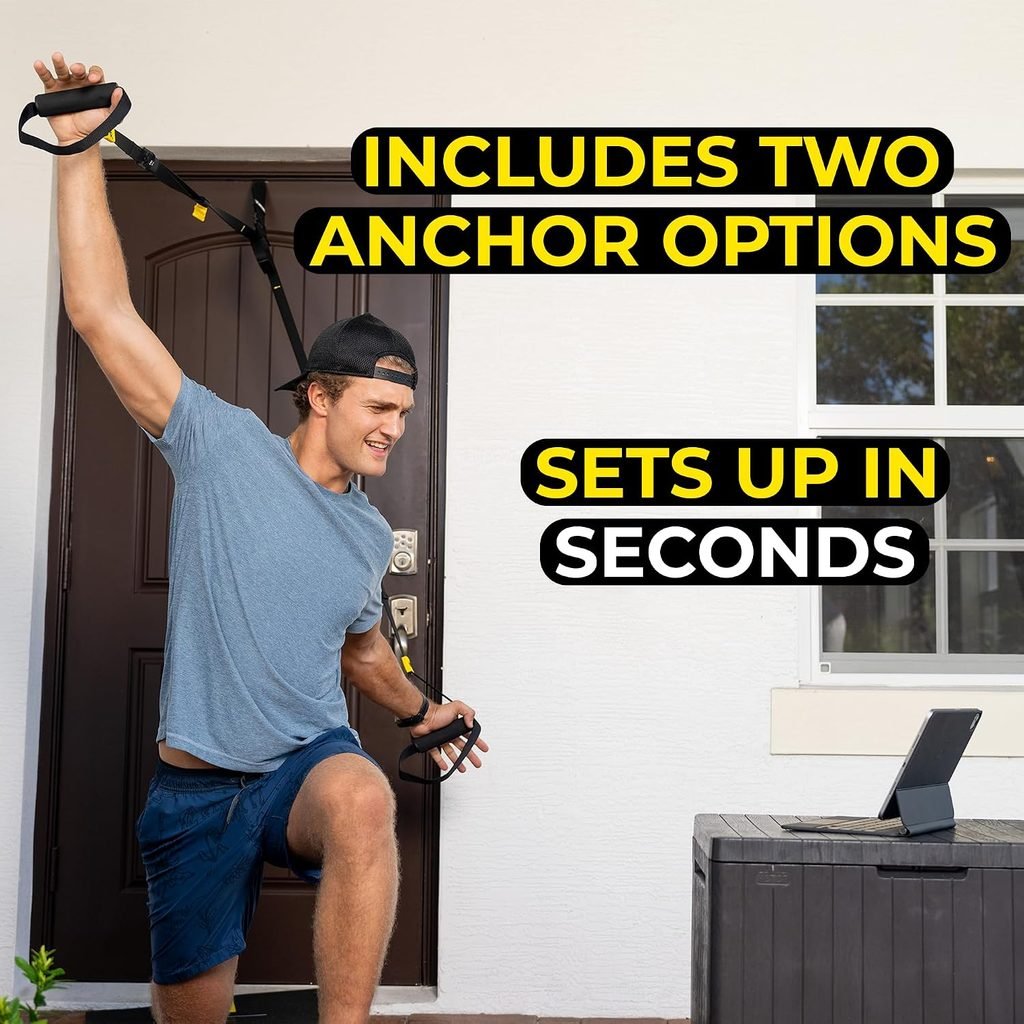
The kit includes both a door anchor (a flat strap that wedges into a doorframe) and a standalone suspension anchor (a loop strap for wrapping around beams, pull-up bars, or tree limbs). This covers the two most common anchor scenarios — indoors on a door, or outdoors on anything sturdy overhead.
Foam Handles and Adjustable Foot Cradles
The handles use a soft foam grip rather than the firmer rubberized grip on TRX GO Pro-tier equipment. Foot cradles let you swap between handheld exercises (rows, presses) and foot-suspended moves (planks, hamstring curls) without extra attachments.
TRX Training Club App Access
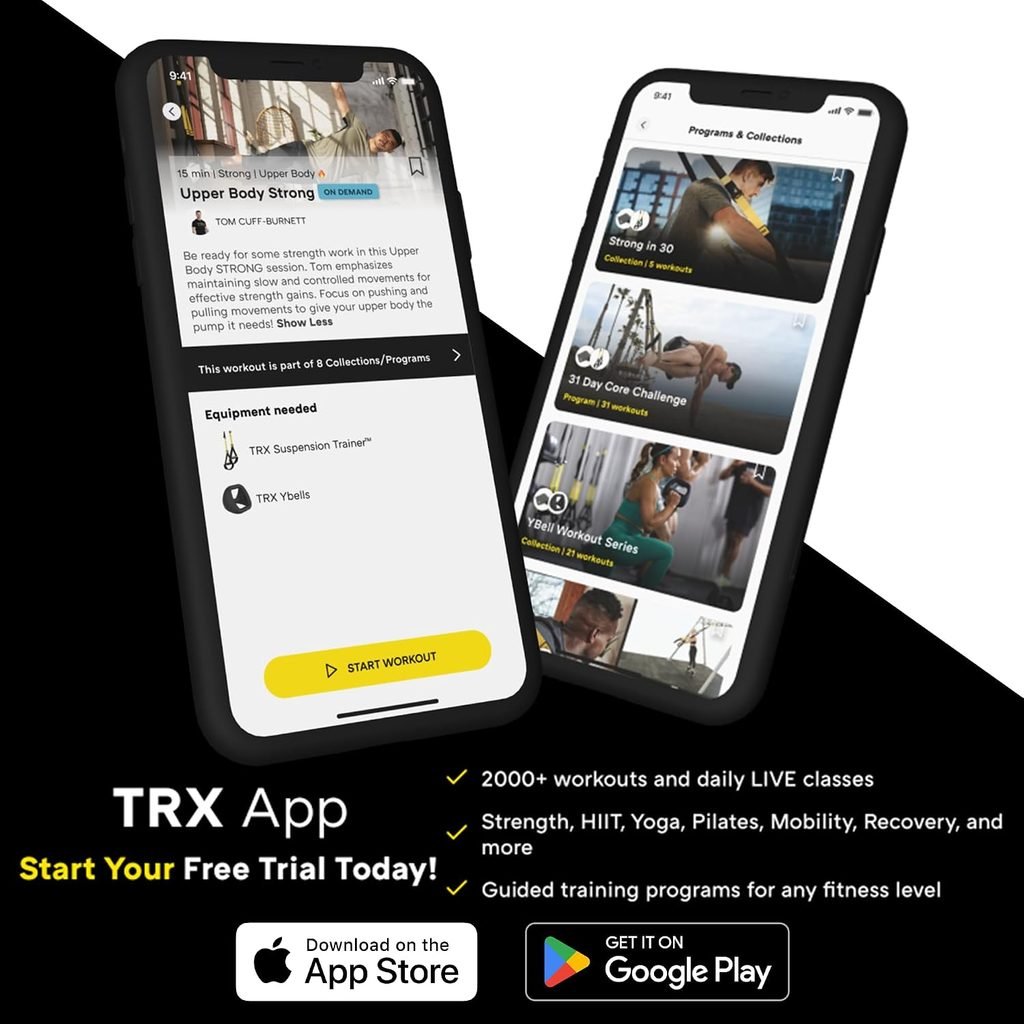
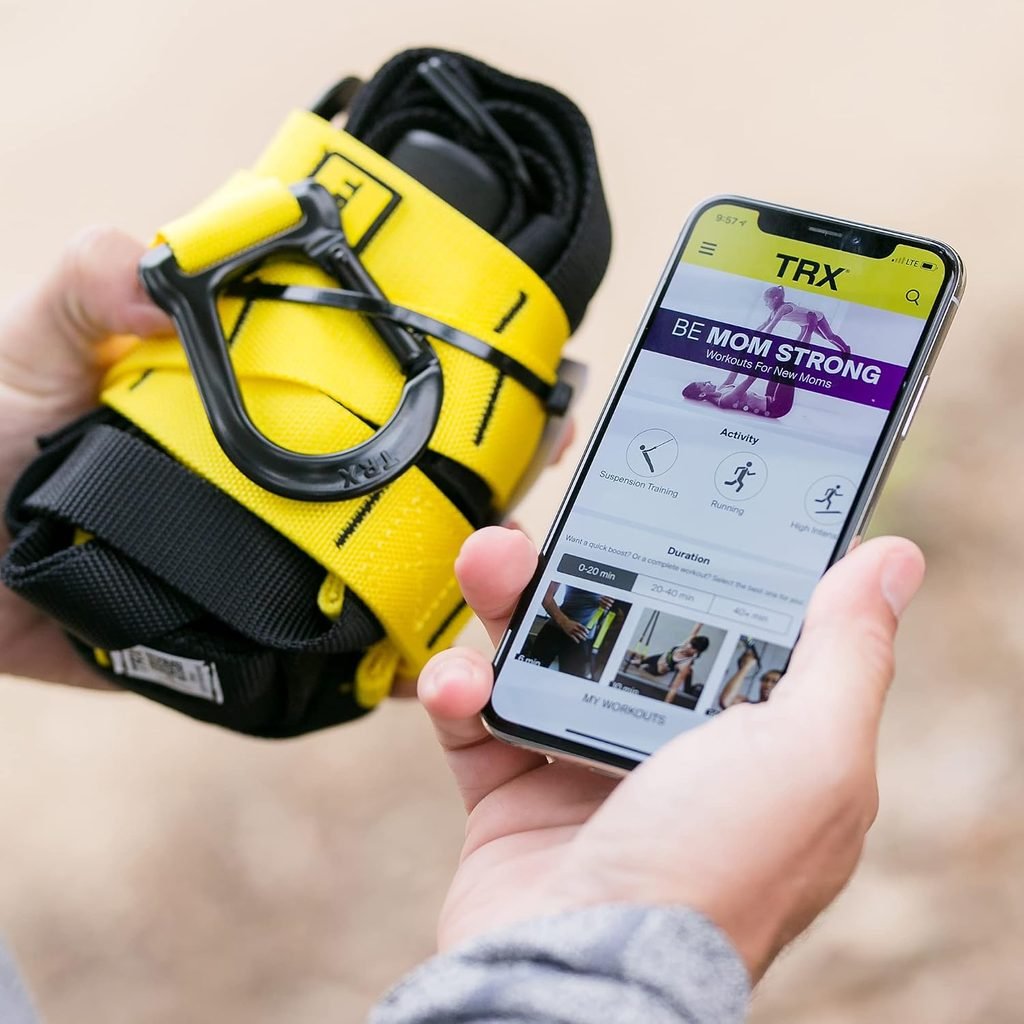
Purchases typically include a free trial period for the TRX Training Club app, which offers guided workouts — TRX’s marketing cites 500+ programs — spanning strength, mobility, and HIIT-style sessions. Some buyers have reported the access code was missing from their package, so it’s worth confirming this with the seller before purchase if app access is a priority for you.
Nylon Mesh Strap Construction
The strap is made from nylon mesh webbing, which TRX GO uses across its lineup for its balance of strength and low weight. It’s a step down from the heavier-gauge webbing on TRX GO commercial-grade Pro line, but well within the range other suspension trainers in this price bracket use.
Manufacturer Weight Recommendation
Retailer listings cite a maximum user weight recommendation of up to 700 lbs, though this figure reflects the strap and stitching’s rated load capacity rather than a real-world training benchmark — for context, TRX’s own Home2 specs list a maximum user weight closer to 350 lbs (159 kg) in some markets. Treat the higher figure as a hardware rating, not a practical ceiling for how hard you should load exercises.
Build Quality, Materials & Stability Analysis
Based on the product specifications and cross-referenced user feedback, the TRX GO holds up reasonably well for its price point, with a few caveats worth knowing before you buy.
The strap webbing is nylon mesh, double-stitched at stress points like the handle attachments and the length-adjustment buckles. Multiple buyer reviews specifically call out the TRX GO stitching quality as sturdier than they expected for a budget-tier TRX product, and several note it’s held up over months of regular use without fraying.
Where the GO clearly differs from TRX’s higher-end systems is in the handle material. The foam grips are comfortable and lightweight, but foam absorbs sweat more readily than the rubberized handles on the Pro4, and a few long-term reviewers have flagged that the foam can start to smell or wear down faster if you train with sweaty hands regularly and don’t wipe it down. This isn’t unique to TRX — it’s a common tradeoff with foam-handled equipment across the fitness category — but it’s worth factoring in if you’re a heavy sweater or plan to use this daily.
The adjustment buckles (TRX calls this its barrel-lock system) are the same mechanism used across the TRX line, and they’re generally reported as reliable — they hold length under load and don’t slip mid-exercise, which is the single most important stability factor for a suspension trainer. A buckle that creeps during a row or a lunge isn’t just annoying; it’s a safety issue, so this is a meaningful point in the GO’s favor.
Stability during use comes down almost entirely to your anchor point, not the strap itself. A solid door anchor or overhead beam gives you a rock-steady base; a shaky towel rod or thin closet door will make any suspension trainer feel wobbly, regardless of brand. That’s a category-wide truth worth keeping in mind — no suspension trainer, including this one, can compensate for a weak anchor point.
Overall, the build feels appropriately positioned: not as bombproof as TRX GO commercial-grade Pro4, but sturdier than most sub-$60 suspension trainers that use thinner strapping and single-stitched seams.
Setup, Noise Level & Space Requirements
One of the TRX GO’s strongest selling points is how little friction there is between opening the bag and starting a workout.
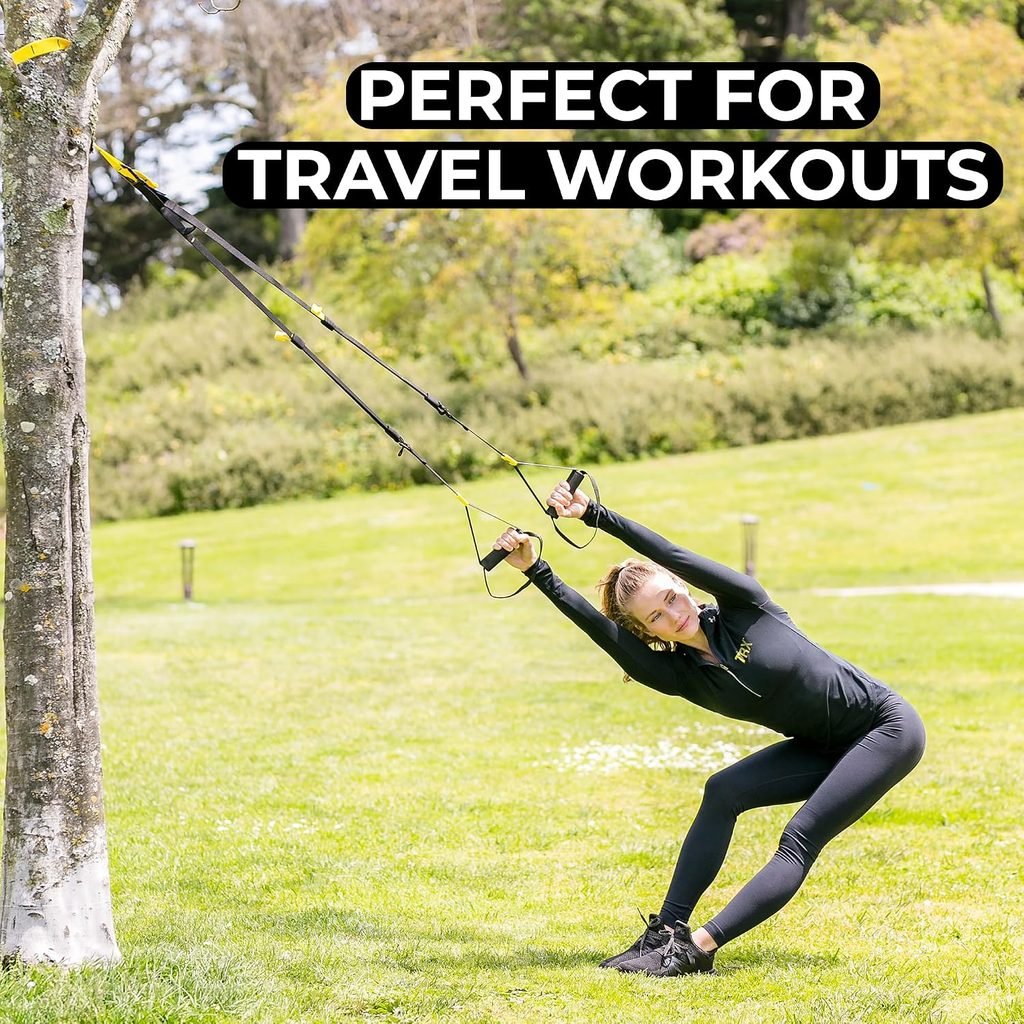
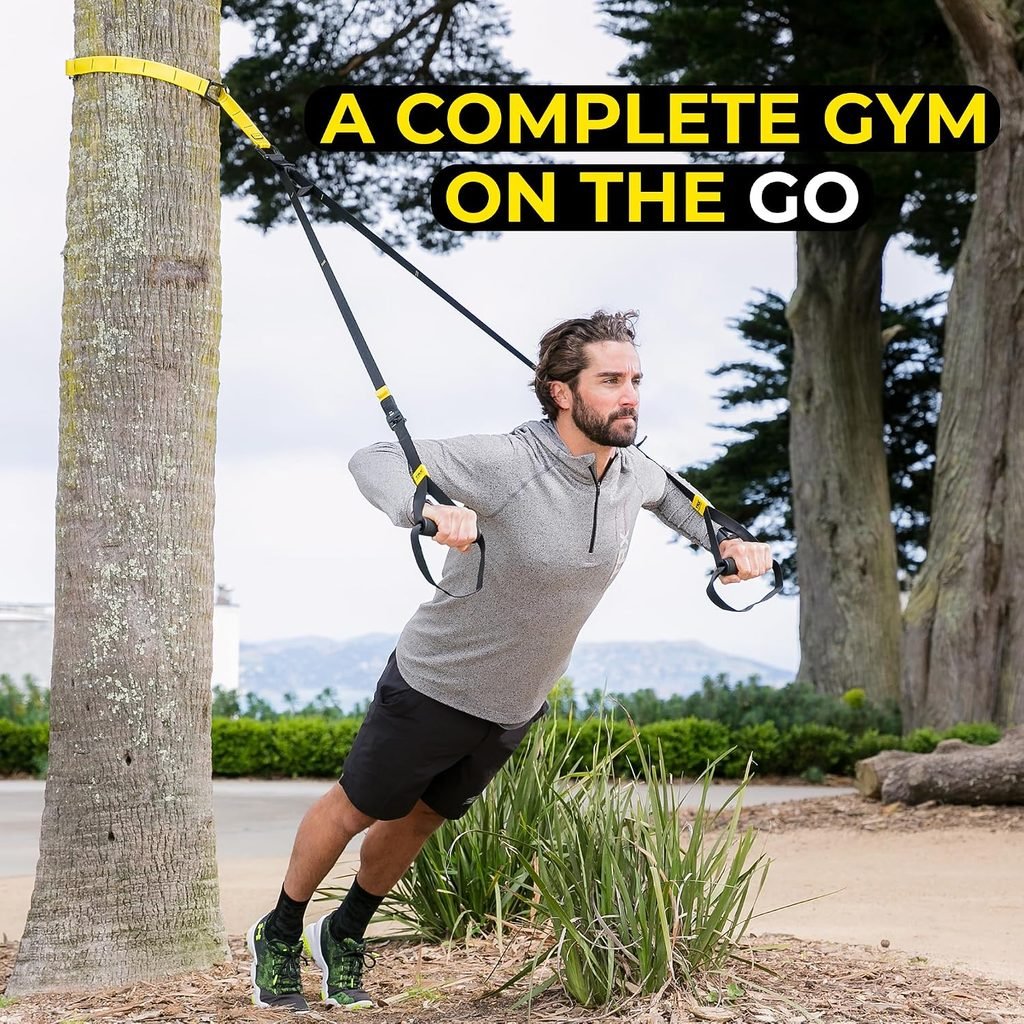
Setup time: Most reviewers report full setup — attaching the anchor, threading the strap, adjusting length — takes well under a minute once you’ve done it a couple of times. The door anchor works with almost any interior door that closes fully; you loop the strap over the top of the door on the hinge side, close the door, and the flat anchor strap wedges in place. Outdoors, the suspension anchor wraps around a beam, branch, or pull-up bar and clips with a carabiner.
Space requirements: This is where the TRX GO genuinely shines for apartment dwellers. You need roughly 8 feet of clearance in front of the anchor point and about 7 feet of vertical space, but that’s temporary — once you’re done, the whole system packs away in seconds and leaves zero permanent footprint. There’s no rack bolted to a wall, no bench taking up floor space, nothing to work around when you’re not using it.
Anchor point flexibility: A sturdy interior door is the most common setup, but a garage rafter, a tree branch in a backyard or park, a pull-up bar, or a playground structure all work. The main requirement is that whatever you’re anchoring to can hold your body weight without flexing or shifting.
Noise level: TRX GO Suspension training is close to silent by nature — there’s no clanking metal or motor noise, just the occasional soft creak of the strap under tension. This makes it a realistic option for apartment residents worried about downstairs neighbors, something that can’t be said for jump ropes, weighted equipment, or plyometric work on hard flooring.
Door damage concerns: A handful of reviewers mention light wear marks on door frames from repeated use of the door anchor, particularly on painted or finished wood. It’s a minor point, but if you’re renting or have finished doors you’re protective of, an over-the-door towel or padded barrier between the anchor and the frame is a reasonable precaution.
Usage Experience
This section draws on the pattern of feedback across verified buyer reviews and third-party testing rather than a single first-hand account, since experiences vary by fitness level, anchor setup, and how the trainer is used.
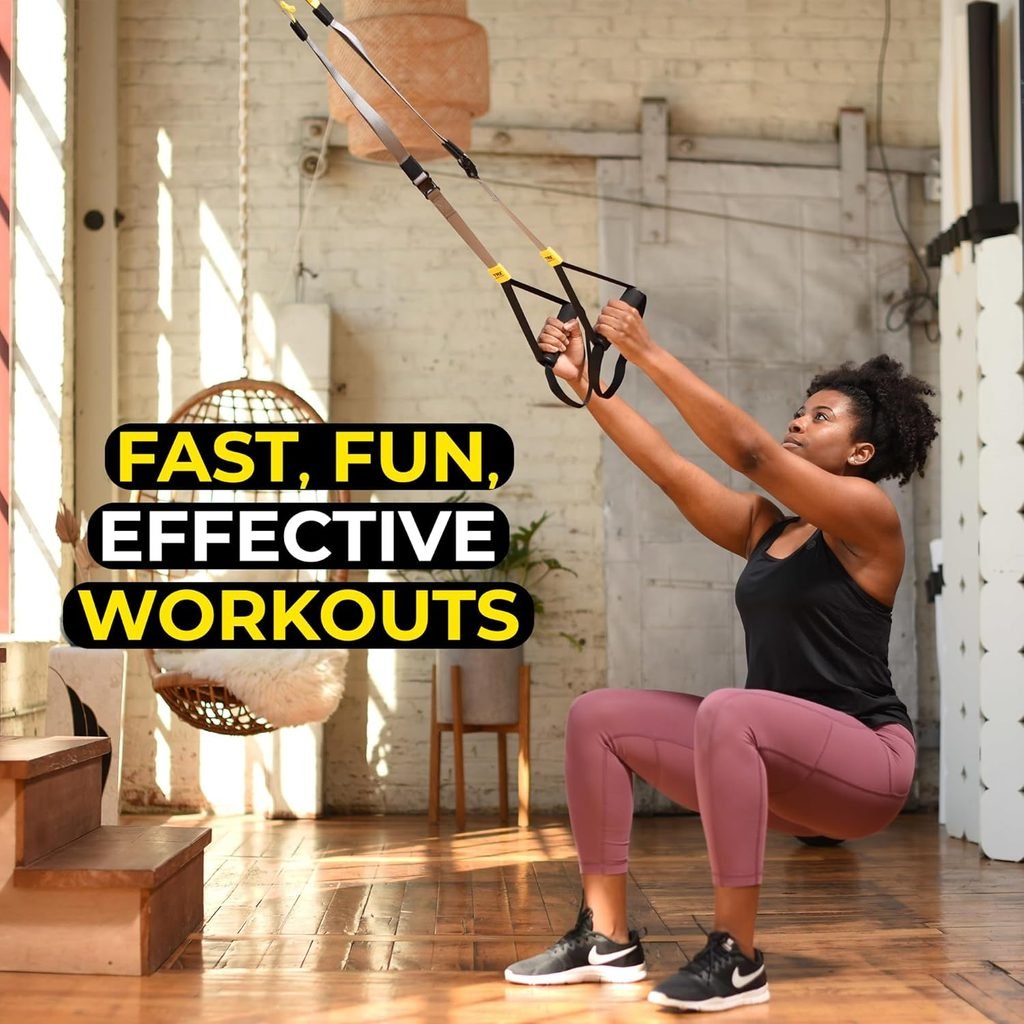
First-time setup and learning curve. New users consistently describe the initial learning curve as short. The included poster and app walk through foundational moves — rows, chest presses, squats, planks — and most people report feeling comfortable with the basic exercise vocabulary within the first one or two sessions. The core mechanic (leaning to adjust resistance) is intuitive once demonstrated, though a few beginners note it takes a session or two to get a feel for finding the “sweet spot” angle for their strength level on harder moves like suspended pushups.
Full-body training in practice. Reviewers frequently point out that suspension training naturally balances pushing and pulling movements in a way pure bodyweight routines (pushups, squats, lunges) tend not to. Rows and pulls are much easier to load meaningfully with a suspension trainer than without one, which several buyers cite as the main reason they bought a TRX product over sticking with a plain bodyweight program.
Core engagement. A recurring theme across reviews is how much more the core is activated compared to floor-based exercises, since almost every suspended movement requires some degree of stabilization. Planks, presses, and rows done through the straps engage the midsection more than their floor-based equivalents, which lines up with how TRX GO suspension training is generally taught in physical therapy and strength-and-conditioning settings.
Joint comfort. Multiple reviewers specifically mention that suspension-based movements feel easier on their knees, shoulders, and lower back compared to traditional resistance training, which tracks with how the format allows you to self-regulate load by adjusting your angle rather than fighting a fixed resistance. This makes it a commonly recommended option for people returning from injury or managing joint sensitivity, though anyone with an existing injury should still get guidance from a physical therapist or doctor before starting a new training program.
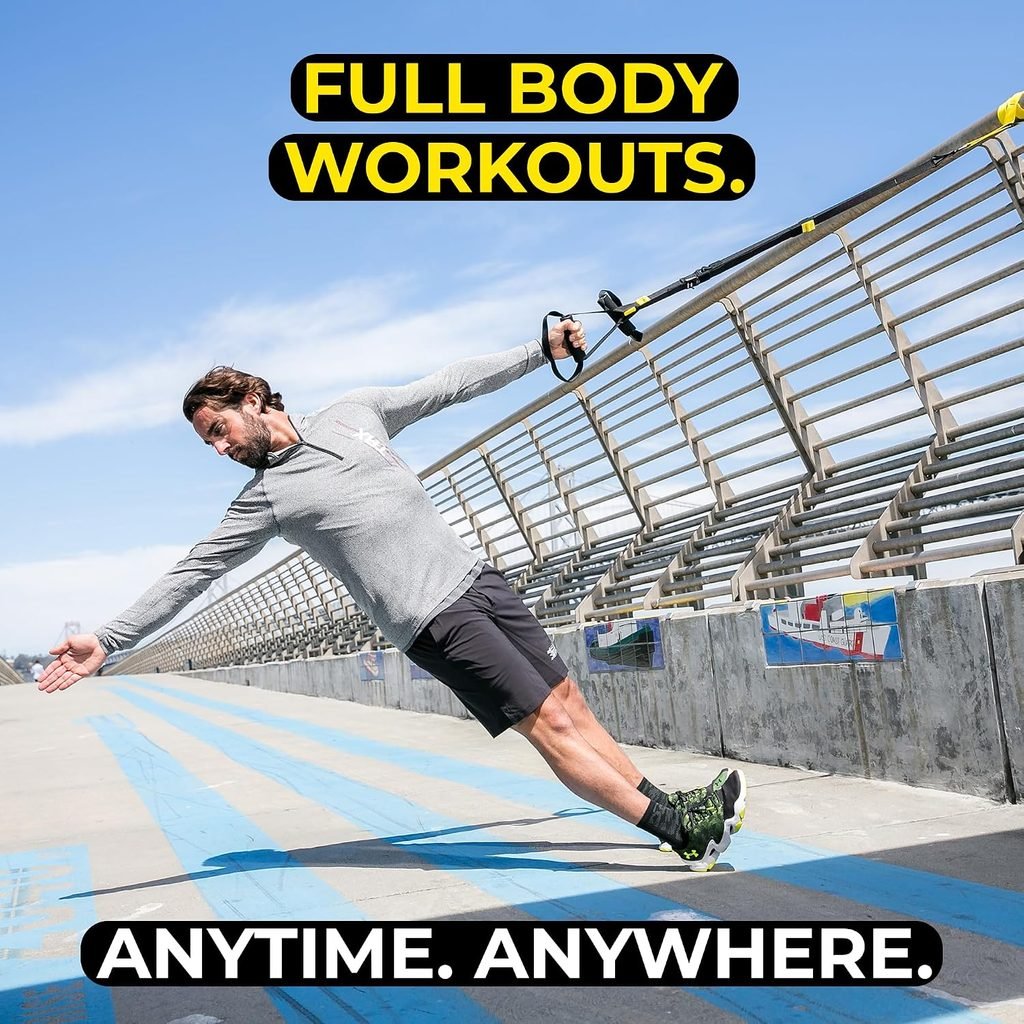
Traveling with it. This is consistently cited as the standout use case. Reviewers describe using the GO in hotel rooms, on balconies, in parks while traveling, and even outdoors during pandemic-era gym closures. The combination of low weight and small packed size means it genuinely gets used on trips, rather than sitting in a suitcase — a common failure point for bulkier “portable” fitness gear.
Where it feels limiting. Some experienced suspension-trainer users note that door-anchored setups restrict range of motion compared to a fixed overhead point like a pull-up bar or tree branch, since the door itself limits how far you can move side to side. This is a known limitation of door anchors generally, not something specific to the TRX GO, but it’s worth knowing if most of your sessions will happen indoors.
Progression over time. Several longer-term reviewers describe steady strength gains over weeks of consistent use, along with the ability to keep making exercises harder simply by changing body angle or trying more advanced single-arm and single-leg variations — a practical advantage over equipment with a fixed, finite resistance ceiling like light dumbbells.
Benefits
Genuinely travel-ready. At around one pound and packed into a bag roughly the size of a fist, this is one of the few pieces of “portable” fitness equipment that people actually report packing and using regularly, rather than leaving behind after the first trip.
No permanent installation or footprint. Unlike a power rack, bench, or wall-mounted pull-up bar, the TRX GO requires zero drilling, bolting, or dedicated floor space. Set it up, train, pack it away — ideal for renters and small apartments.
Full-body programming from one tool. Between the adjustable strap, foot cradles, and body-angle resistance, the GO can hit legs, back, chest, shoulders, arms, and core without needing separate equipment for each muscle group.
Scales with fitness level. Beginners can keep their feet close to the anchor point and stay more upright for easier variations; advanced users can lean further back or elevate their feet for significantly harder versions of the same movements. This scalability is one of suspension training’s core advantages over fixed-resistance tools.
Joint-friendly training option. The self-regulated resistance model — where you control difficulty through body angle rather than fighting a fixed weight — is frequently cited by users managing joint sensitivity or returning from injury as more comfortable than traditional weight training.
Backed by app-guided programming. For people who don’t know how to structure a workout on their own, the included TRX Training Club app trial provides structured sessions rather than leaving you to guess at a routine, which lowers the barrier to entry for total beginners.
Quiet operation. No motors, no weight plates clanking — suspension training is close to silent, which matters for apartment living and shared spaces.
Established brand with a long track record. TRX has been refining this training format since the early 2000s, and that experience shows in details like the barrel-lock adjustment system and the exercise library, versus newer no-name suspension trainer brands with less of a track record.
Downsides & Limitations
Foam handles wear and absorb sweat. Compared to the rubberized grips on TRX’s Pro-tier equipment, the foam handles on the GO are more prone to retaining moisture and odor over time, especially with frequent, sweaty use. Regular wipe-downs help, but this is a real tradeoff for the lighter weight.
Door anchoring limits range of motion. If most of your training happens indoors on a door anchor, certain exercises — particularly ones that benefit from a wide lateral range — are more restricted than they’d be with a fixed overhead anchor like a pull-up bar or tree branch.
Lighter-duty than TRX’s Pro line. The thinner strap and lighter overall construction make this a poor fit for commercial gym settings or extremely high-frequency, high-load use across multiple users per day. It’s built for personal, at-home use, not a shared training floor.
App access inconsistency. Several buyers have reported their unit arrived without the promised code for TRX Training Club app access, which is worth clarifying with the seller before purchase, particularly if guided programming is a major reason you’re buying this over a generic suspension trainer.
You still need a solid anchor point. No suspension trainer, including this one, performs well on a flimsy door or unstable branch. If your home doesn’t have a good anchor option, this becomes a bigger limitation than the product itself.
Doesn’t replace heavy strength training. Bodyweight-based resistance has a ceiling. Very advanced lifters chasing continued strength gains will eventually need external load (barbells, heavy dumbbells) that a TRX GO suspension trainer alone can’t provide, even with the hardest single-limb variations.
Minor door-frame wear reported. A small number of reviewers note light marks on door frames from the anchor strap over repeated use — worth using a padded barrier if you’re protective of your doors.
Who Should Buy This?
The TRX GO Suspension Trainer is a strong fit for frequent travelers who don’t want to lose their routine on the road — hotel rooms and balconies both work fine as makeshift gyms with this. It’s also well suited to apartment and small-space dwellers who need equipment that disappears into a bag when not in use, rather than eating up permanent floor space.
Beginners to bodyweight and resistance training get real value here too, largely because of the guided app programming and the self-regulating difficulty curve — you’re not stuck picking a weight that’s either too easy or too hard, since your own body angle does that work for you.
It’s also a sensible pick for anyone easing back into exercise after time off, or managing general joint sensitivity, given how frequently reviewers describe it as more comfortable on the knees and shoulders than fixed-resistance training. And for people who already know they like the TRX system from a gym membership but don’t want to pay for the heavier Home2 or Pro4, the GO delivers the same core training experience in a lighter, less expensive package — a common reason cited in the TRX GO suspension trainer for beginners searches that led people to this exact comparison.
Who Should Avoid This?
Serious strength athletes chasing continued heavy-load progression will hit a ceiling with bodyweight resistance alone and are better served by a barbell setup or a commercial-grade suspension system built for higher-frequency, heavier use.
Commercial gym owners or personal trainers working with multiple clients daily should look at TRX’s Pro4 line instead — the GO’s lighter construction isn’t rated for that kind of repeated, shared use.
Anyone without a reliable anchor point at home — no sturdy door, beam, or tree nearby — won’t get a stable experience out of any suspension trainer, this one included, and should consider a wall-mounted or freestanding alternative instead.
People who dislike app-based or self-guided workouts and prefer in-person coaching or a fixed machine-based routine may find the format less engaging than a traditional gym setup.
How to Use the TRX GO for Best Results
Start with anchor placement. Confirm your door, beam, or branch is genuinely sturdy before your first session — give it a firm tug at full body weight before committing to a full exercise.
Learn the basic angle system first. Spend your first one or two sessions on foundational moves (rows, chest presses, squats) at a conservative angle, closer to upright, before progressing to steeper, harder angles.
Use the included app or poster as a structure, not just a reference. Beginners get more consistent results following a guided program than freestyling exercises, especially in the first few weeks.
Progress gradually by changing angle, not by rushing exercises. The safest way to make a movement harder is to lean back slightly further or elevate your feet — jumping straight to advanced single-limb variations before you’re ready increases injury risk.
Wipe down the handles after sweaty sessions. This single habit meaningfully extends the life of the foam grips and reduces the odor buildup some long-term users report.
Rotate push and pull movements in the same session. One of the format’s biggest strengths is how naturally it balances pushing and pulling work — structure your sessions to use that, rather than defaulting only to pushups and planks.
Pros & Cons
Pros
- Extremely lightweight and genuinely portable (about 1 lb, packs to roughly fist-sized)
- Fast setup, typically under a minute once familiar with it
- No permanent installation or floor space required
- Full-body, scalable resistance from a single tool
- Backed by TRX’s app-guided programming and long-standing exercise library
- Quiet, apartment-friendly operation
- Reliable barrel-lock adjustment mechanism
Cons
- Foam handles wear and absorb sweat faster than TRX’s Pro-tier rubberized grips
- Door-anchored setups limit range of motion for some exercises
- Lighter-duty build not intended for commercial or shared-use settings
- Some buyers report missing app access codes
- Doesn’t replace heavy external-load strength training long-term
- Requires a genuinely sturdy anchor point to perform well
Product Comparisons: TRX GO vs. TRX Home2 vs. Budget Alternatives
One of the most common questions buyers have — reflected in searches like TRX GO vs TRX Home2 — is whether it’s worth paying more for TRX’s standard home system, or whether a budget suspension trainer covers the basics just as well. Here’s how the three stack up.
| Feature | TRX GO | TRX Home2 | Budget Suspension Trainer (typical) |
|---|---|---|---|
| Approx. weight | ~1 lb (0.68 kg) | ~1.5 lb | ~1–1.5 lb |
| Handle material | Soft foam | Foam (slightly larger) | Foam or rubber, varies widely |
| Strap material | Nylon mesh | Nylon mesh, heavier gauge | Polyester/nylon blend |
| Manufacturer price | ~$129.95 | ~$189.95–$239.95 | $30–$60 |
| Warranty | TRX Consumer Warranty | Typically longer/tiered coverage | Often limited or none |
| App access included | Trial included (verify at purchase) | 1-year access typically included | Rarely included |
| Best for | Travel, small spaces, beginners | Everyday home use, more durability | Occasional or first-time users on a tight budget |
How they compare in practice: The TRX Home2 is the more robust everyday option — slightly heavier straps, a longer-standing warranty reputation, and a full year of app access bundled in as standard. If you’re setting this up permanently in a garage or spare room and want the most durable version of the TRX experience, Home2 is the stronger long-term investment.
The TRX GO trades some of that durability and included app time for a meaningfully lower price and a much smaller packed footprint — the right call if portability and space are bigger priorities than heavy-duty construction.
Budget suspension trainers under $60 can technically deliver a similar workout, and several buyers switching from a knockoff brand to TRX report a noticeable jump in stitching quality and buckle reliability. But they typically lack TRX’s exercise library, app integration, and the brand’s decades of refinement on the core mechanism — you’re paying for materials and a name, but that name does come with a longer track record in physical therapy and military training settings.
Where to buy it: The TRX GO Suspension Trainer is widely available through both Amazon and Walmart, along with TRX’s own site. Pricing fluctuates with promotions on both platforms, so it’s worth comparing current listings before buying — Amazon tends to carry the widest range of bundle options (including multi-pack trainer bundles for coaches), while Walmart pricing is often more consistently close to MSRP without frequent bundle deals. If you’re searching where to buy TRX GO suspension trainer, checking both retailers on the same day before purchasing is the simplest way to catch the better current price.
Buying Guide: What to Look for in a Portable Suspension Trainer
If you’re comparing the TRX GO against other options rather than just deciding for or against this one model, a few criteria matter more than the marketing copy.
Strap material and stitching. Nylon webbing with reinforced, double-stitched attachment points at the handles and buckles is the baseline for anything you plan to load with your full body weight. Thin, single-stitched straps are the most common failure point in cheap suspension trainers.
Weight capacity vs. real-world load. Manufacturer weight ratings (like the GO’s listed 700 lb figure) reflect the hardware’s rated tolerance, not a recommendation for how hard to train. Focus more on stitching quality and buckle reliability than the headline number.
Anchor compatibility. Confirm the kit includes both a door anchor and a standalone anchor strap for beams, bars, or outdoor use — some budget trainers only include one, which limits where you can train.
Adjustability range. A wide adjustment range on the buckles matters for scaling exercises as you get stronger, and for accommodating different heights if more than one person in your household will use it.
Portability needs. If travel is a priority, weight and packed size matter as much as the workout quality — a trainer that never leaves the closet because it’s inconvenient to pack isn’t delivering value, regardless of how good the exercises are.
App or program support. For anyone new to suspension training, guided programming meaningfully shortens the learning curve. Check whether app access is a genuine free trial, a limited-time code, or a paid subscription after an initial period.
Warranty and brand track record. Established brands with a longer history in physical therapy or military training settings — TRX chief among them — tend to have more refined mechanisms and better long-term stitching quality than newer, unproven brands, even when the specs look similar on paper.
Workout Experience, Performance & Durability Over Time
Based on the pattern across longer-term buyer reviews, the TRX GO tends to hold up well through months of regular use, provided it’s used within its intended personal-training context rather than a shared, high-frequency commercial setting. Stitching and buckle performance are the two most commonly praised durability points, with users reporting no slipping or fraying even after extended use.
The primary wear point, as covered earlier, is the foam handles — moisture exposure over time is the main factor that shortens their lifespan, and it’s a maintainable issue rather than a design flaw, provided you wipe the grips down after sweaty sessions.
Performance-wise, the trainer delivers consistent resistance across its full range of motion, without the “give” or stretch some cheaper elastic-based alternatives develop over time. For a piece of equipment built primarily around portability, the tradeoff between weight savings and long-term durability appears to be a reasonable one based on the available feedback, rather than a case of TRX cutting corners to hit a lower price point.
Frequently Asked Questions
Is the TRX GO Suspension Trainer worth it?
For travelers, apartment dwellers, and beginners who want a portable, scalable full-body workout without permanent equipment, it’s generally considered a solid value — especially given TRX’s track record and included app programming. Serious strength athletes and commercial gym settings are better served by TRX’s heavier-duty lines.
What’s the difference between TRX GO and TRX Home2?
The GO is lighter (about 1 lb vs. 1.5 lb), smaller when packed, and less expensive, but uses slightly lighter-gauge materials and typically includes a shorter app trial than the Home2’s standard one-year access.
How much weight can the TRX GO Suspension Trainer hold?
Retailer listings cite a maximum rated capacity of up to 700 lbs for the hardware itself, though this reflects strap and stitching tolerance rather than a practical training recommendation.
Do I need a doorway to use the TRX GO?
No. It comes with both a door anchor and a separate suspension anchor for beams, tree branches, or pull-up bars, so it works indoors or outdoors.
Is the TRX GO good for beginners?
Yes. The self-regulating resistance (based on your body angle) makes it easy to start at an easier setting and progress gradually, and the included app or poster provides structured guidance for people new to bodyweight training.
How long does it take to set up?
Most users report under a minute once they’re familiar with the anchor and buckle system.
Does the TRX GO come with workout programming?
Yes, purchases typically include a free trial of the TRX GO Training Club app with guided sessions, though some buyers have reported missing access codes — worth confirming with the seller before buying.
Can the TRX GO damage my door?
Some users report minor cosmetic wear on door frames from repeated anchor use. A padded barrier or towel between the anchor and frame reduces this risk.
Is the TRX GO suitable for outdoor use?
Yes, the included TRX GO suspension anchor is designed for wrapping around tree branches, beams, or bars, making it a common choice for outdoor and park workouts.
How does the TRX GO compare to budget suspension trainers under $60?
Budget trainers can deliver a similar basic workout, but generally lack TRX’s exercise library, app integration, and the stitching/buckle reliability reported by buyers who’ve used both.
Will the TRX GO help build muscle?
It can build strength and muscle, especially for beginners and intermediate users, though very advanced lifters will eventually need external load beyond what bodyweight resistance alone provides.
Is the TRX GO machine washable or easy to clean?
The nylon strap can typically be wiped down with a damp cloth; the foam handles should be spot-cleaned and dried thoroughly rather than submerged, to avoid trapping moisture inside the foam.
Where can I buy the TRX GO Suspension Trainer?
It’s available through Amazon, Walmart, and TRX GO own site, with pricing that varies by retailer and ongoing promotions.
Does the TRX GO come with a warranty?
Yes, it’s covered under TRX’s consumer warranty, though the specific terms and duration are worth confirming with the retailer at the time of purchase, since coverage can vary by bundle.
How is the TRX GO different from a generic no-name suspension trainer?
The core differentiators are TRX’s exercise library and app ecosystem, a refined adjustment mechanism, and a longer track record of use in physical therapy and military training contexts, rather than dramatically different raw materials.
Final Verdict
After weighing the specifications, the comparison against TRX’s own Home2 system, and the pattern of feedback from actual buyers, this TRX GO Suspension Trainer review lands on a clear conclusion: it’s a well-built, genuinely portable training tool that does what it says on the box, with a few honest tradeoffs attached.
The lightweight, compact design isn’t a marketing gimmick — it’s the main reason this particular TRX GO suspension trainer actually gets packed and used on trips, rather than left behind like bulkier “portable” gear often is. The foam handles and lighter-gauge strapping are the clearest compromises made to hit that weight and price point, and they’re worth knowing about upfront rather than discovering after purchase.
Best Cable Machine Attachment Set for Home Gym in 2026 Review
For travelers, apartment dwellers, and beginners looking for a scalable, joint-friendly, full-body training tool with zero permanent footprint, the TRX GO earns its spot as one of the more reasonable entry points into TRX GO suspension training. Serious strength athletes and anyone setting up a permanent home gym space are probably better served by the TRX Home2 or Pro4 instead, where the extra durability and included app time justify the higher price.
At its typical street price well under $150, and a manufacturer retail price of $129.95, it’s a reasonable investment for what it delivers — not the cheapest TRX GO suspension trainer on the market, but arguably the most refined one at this size and weight.
This review is based on product specifications, publicly available user feedback, and comparisons with similar suspension trainers. It does not reflect first-hand, long-term testing by the author.

I’m an SEO content writer and product researcher with experience creating well-researched product reviews, comparisons, buying guides, affiliate articles, and helpful website content. At LoookNow, I focus on researching products, comparing features and value, and creating clear, engaging, search-optimized content to help readers make more informed purchasing decisions. My goal is to provide useful, trustworthy, and easy-to-understand information that saves readers time and reduces confusion when choosing products online.