
Heads up: If you buy through links in this review, I may earn a small commission at no extra cost to you. This doesn’t affect my ratings.
Introduction
Most people don’t think much about their feminine wash until it stops working for them. Maybe the scent is too sweet. Maybe your skin feels tight after every shower. Or maybe you just want something simple that helps you feel fresh through a long, warm day.
If that sounds familiar, you have probably noticed how crowded this aisle is. Some washes lean on heavy perfume. Others promise a lot and explain very little. Finding one that is gentle, clearly labeled, and honest about what it can do takes some digging.
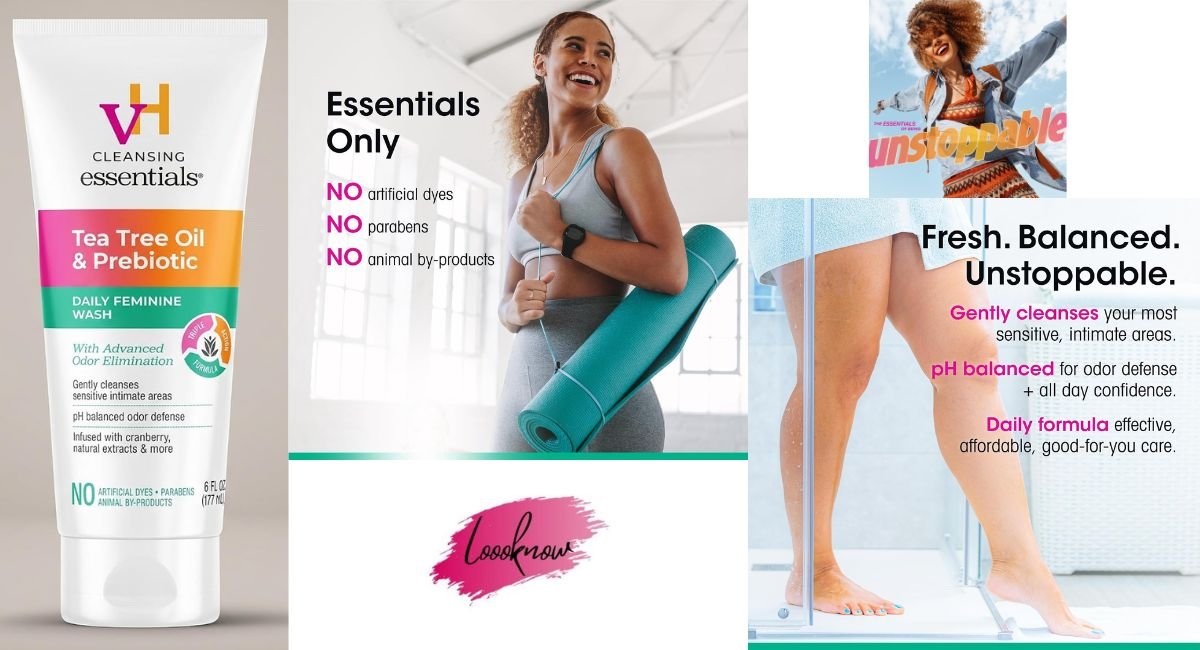
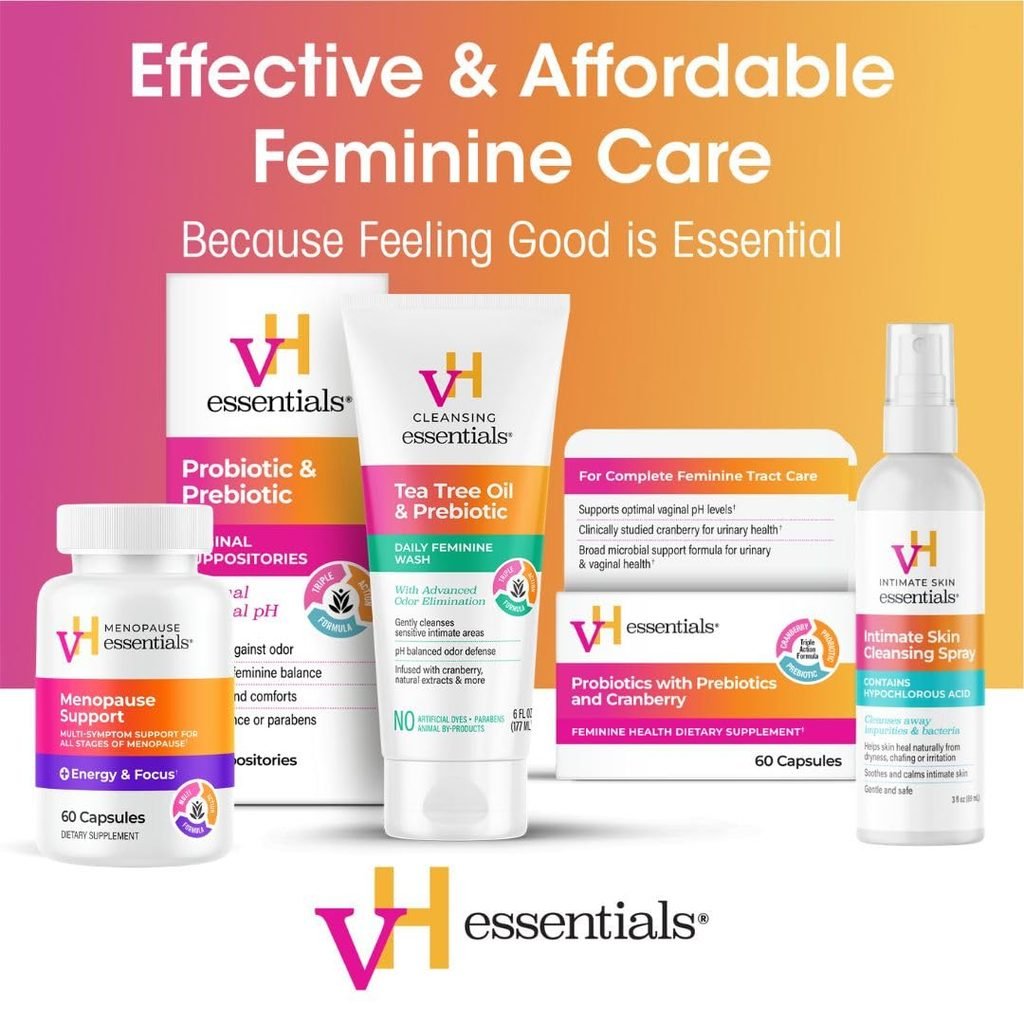
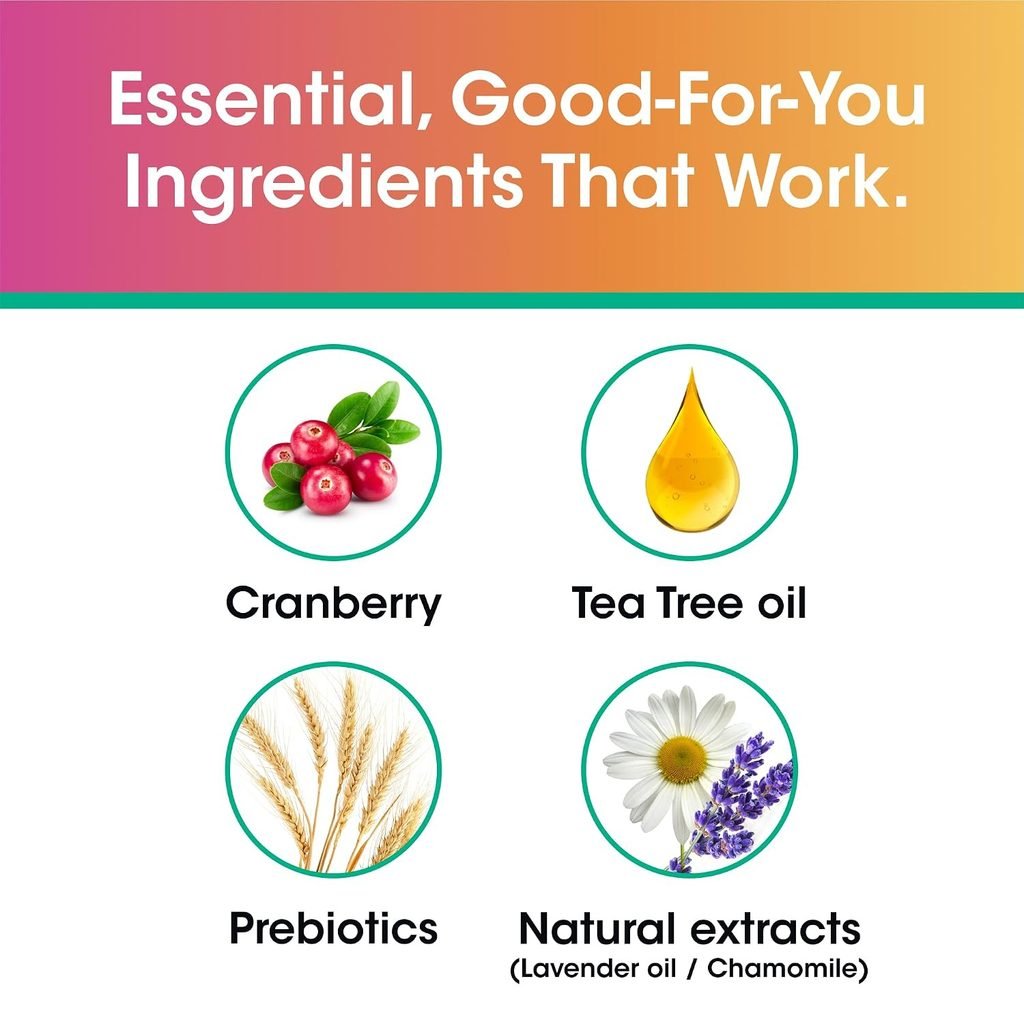
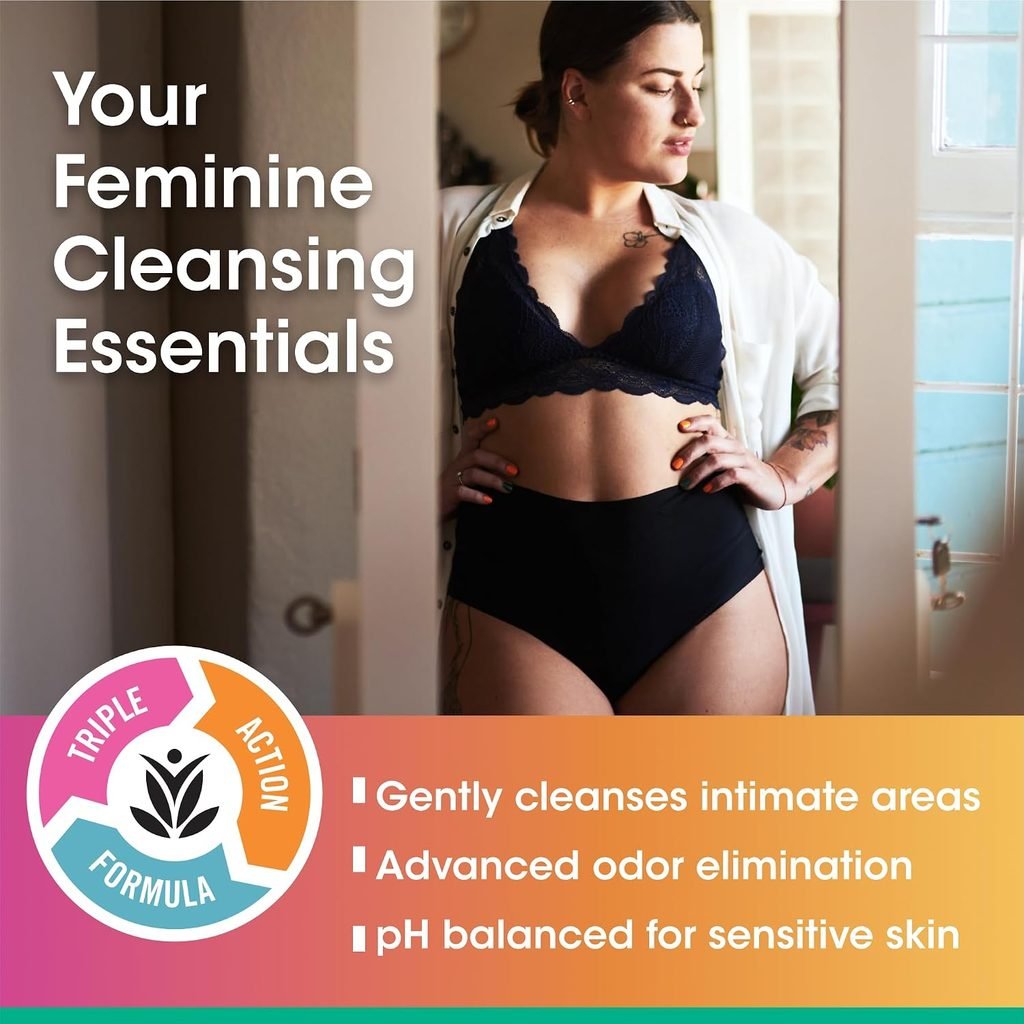
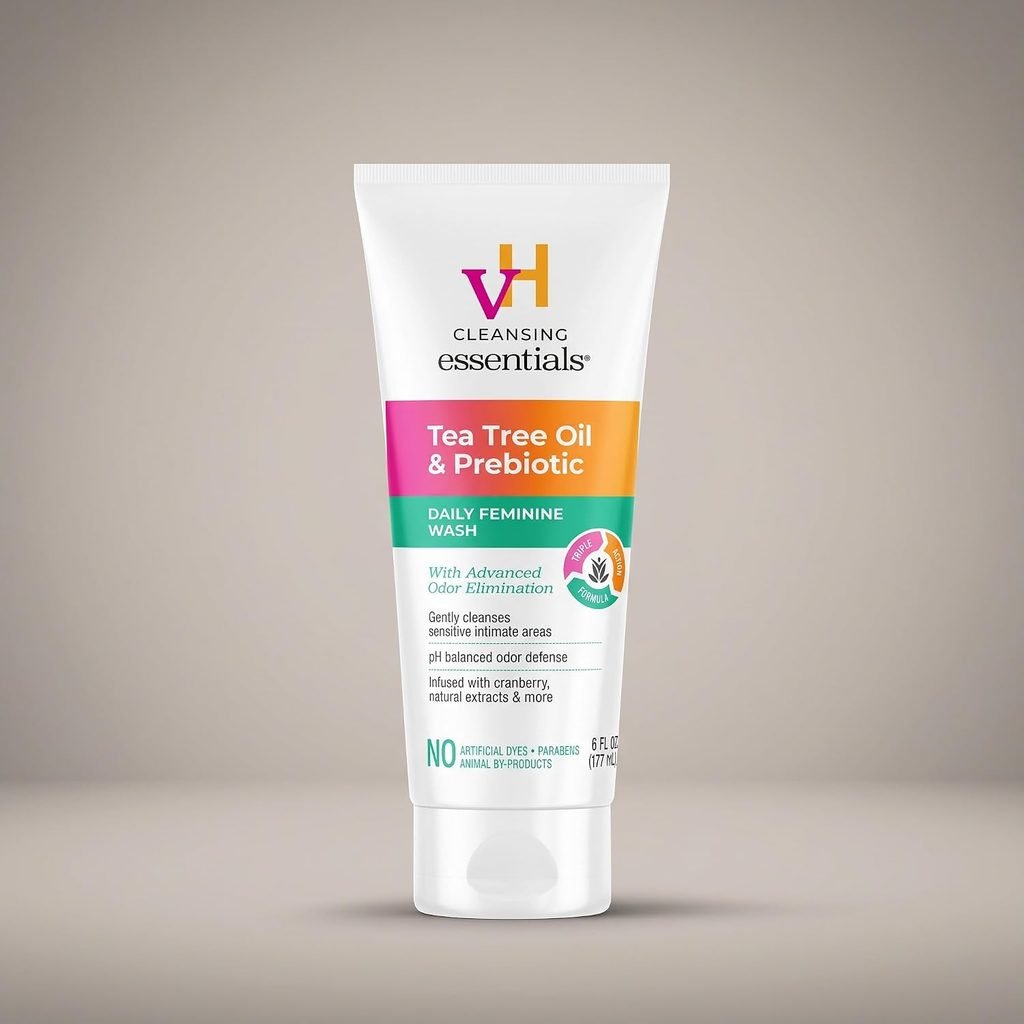
That is the reason for this vh essentials tea tree feminine wash review. The product is the vH Essentials Tea Tree Daily Feminine Wash, a 6 oz bottle sold as pH balanced with odor control. Its formula highlights tea tree feminine wash oil, prebiotics, and cranberry, which gives it a more herbal and ingredient-led feel than many mainstream options.
So the real question is simple: is vh essentials tea tree daily feminine wash worth it? The answer depends on your skin, your scent preferences, and what you expect a wash to do.
Here is how this review was put together. Based on the product specifications, available user feedback, and comparisons with competing washes, I looked at what the formula is designed to do and where it may fall short. This is not a lab test or a long personal trial, and it does not claim to be one. It is a careful, balanced read of the product and the category.
Before going further, one point matters more than any ingredient. Feminine washes are for the external area (the vulva) only. The vagina cleans itself, and washing inside is not recommended. The product’s full listing uses the phrase “vaginal wash,” which can confuse buyers, so it is worth saying clearly up front. Also, if you notice strong or unusual odor, new discharge, burning, or itching, a wash is not the fix. That is a good reason to check in with a healthcare provider.
With that in mind, here is what you will find in this article:
- A quick verdict if you are short on time
- A breakdown of the ingredients, scent, and everyday use
- Honest benefits and downsides, including who should skip it
- A comparison with other pH balanced feminine washes, plus Amazon vs Walmart buying tips
- A buying guide, a detailed FAQ, and a final verdict
If you are also searching for the best pH balanced feminine wash for daily odor control, the buying guide will help you judge any product, not just this one. And if feminine wash tea tree oil is a new ingredient for you, the ingredient and scent sections explain what to expect, including when it may not suit sensitive skin.
Let’s start with the quick verdict.




👉 Check Price on Amazon “See how we review products”
Quick Verdict
Overall take: a thoughtful, gentle-leaning daily wash with a few caveats.
Based on the specs and the feedback I could review, the vH Essentials Tea Tree Daily Feminine Wash looks like a solid pick for people who want a simple external wash that does not smell like perfume. The pH balanced claim, the tea tree oil, and the prebiotic and cranberry blend give it a clear identity.
What it does well:
- Positioned as pH balanced for the external area
- Focuses on odor control rather than masking with heavy fragrance
- Includes feminine wash tea tree oil, prebiotics, and cranberry in a daily-use formula
- Comes in a 6 oz size that suits daily use and travel
Where it may fall short:
- Tea tree oil can irritate some sensitive skin
- Odor control claims have limits, since persistent odor can signal a medical issue
- The product name uses the word “vaginal,” which can confuse buyers about where to use it
- Price per ounce may be higher than basic drugstore options
Rating-style takeaway: If you want a gentle, lightly botanical daily wash and your skin tolerates feminine wash tea tree oil, this is worth a look. If you have very reactive skin or recurring symptoms, a fragrance-free option and a doctor’s advice make more sense.
Is it worth it? For many people shopping in this category, yes, with realistic expectations. The rest of this review explains why.
5. What Is This Product?
The vH Essentials Tea Tree Daily Feminine Wash is a pH balanced liquid wash made for cleansing the external intimate area. It is sold in a 6 oz bottle and is aimed at daily use, with a focus on odor control.
The full listing calls it an odor eliminating wash made with feminine wash tea tree oil, prebiotics, and cranberry. The brand, vH Essentials, is known for feminine care products and sells in the US mostly through online retailers and drugstore channels.
How it is positioned
Feminine washes usually fall into three camps:
- Fragrance-heavy washes that promise a “fresh” scent
- Fragrance-free or sensitive washes that focus on gentleness
- Ingredient-led washes that highlight botanicals or probiotics
This product sits in the third camp. Tea tree oil is the headline ingredient, with prebiotics and cranberry as supporting names. That gives it a different story from basic soap-style washes.
What makes it different
Three things set it apart on paper:
- A pH balanced message. Many people look for this because the vulvar area is sensitive to harsh cleansers.
- A botanical-plus-prebiotic formula. Prebiotics are ingredients meant to feed beneficial bacteria. They are not the same as probiotics, which are live organisms.
- A clear odor control focus. The product speaks to the worry many users have about daily freshness.
What it is not
It is not a treatment. It does not treat infections, and it is not meant to fix unusual odor caused by an underlying issue. It is also not a douche. Honest framing matters here, because that is exactly where marketing language in this category can get blurry.
Key Features Breakdown
Here is a closer look at the main features, based on the product listing and specifications.
pH balanced formula
pH balanced means the wash is formulated to sit close to the natural acidity of the skin or the area it is used on. The vagina itself is naturally acidic, often cited around 3.8 to 4.5. The vulvar skin is a bit different, closer to the skin’s general range. Brands often use “pH balanced” as shorthand for “gentler than regular soap.”
It is a reasonable thing to look for. Bar soaps and some body washes are more alkaline and can leave sensitive skin feeling tight. A pH balanced wash is designed to reduce that effect. Still, the term is not tightly regulated, so it is a helpful signal, not a guarantee.
Odor control
The product is marketed as odor eliminating. In practice, a wash can reduce odor from sweat and everyday buildup on the external skin. That is a realistic goal.
What a wash cannot do is change the internal environment. If odor comes from inside, from an imbalance, or from an infection, a wash will not solve it. This is where honest expectations protect you from disappointment.
Tea tree oil
Tea tree oil is a plant-derived oil often used in skin care for its cleansing feel. It is popular in feminine and body washes. It is also a known irritant for some people, especially when it is concentrated or when the skin is already sore. We will cover that more in the ingredients section.
Prebiotics
Prebiotics are compounds that feed helpful bacteria. In skin care and intimate care, brands use them to suggest support for a balanced environment. The evidence for topical prebiotics is still developing, so it is best to treat this as a nice extra, not a proven benefit.
Cranberry
Cranberry is widely linked with urinary health when taken as a supplement or juice. In a wash, it is a different story. A topical rinse-off product is unlikely to deliver the same effects. Cranberry here is best seen as a marketing and botanical feature, not a health claim.
Size and format
- 6 oz bottle: Enough for several weeks of daily use, depending on how much you pour.
- Liquid wash: Typically a pump or flip-top format. Check the listing for the exact dispenser.
- Daily use design: Made to be used regularly, not only occasionally.
Summary of key features
| Feature | What it means | Practical note |
|---|---|---|
| pH balanced | Gentler than regular soap | Not a guarantee for every skin type |
| Odor control | Targets external odor | Does not fix internal causes |
| Tea tree oil | Cleansing botanical | May irritate sensitive skin |
| Prebiotics | Feeds helpful bacteria | Evidence is still developing |
| Cranberry | Botanical extra | Marketing value more than health effect |
| 6 oz size | Daily use and travel friendly | Check price per ounce |
Ingredients & Formulation Analysis
Ingredients are the heart of any wash, so here is how the formula reads. A caution first: ingredient lists can change between batches and retailers, so always check the label on the bottle you receive.
Tea tree oil: the headline ingredient
Tea tree oil comes from the leaves of the Australian feminine wash tea tree plant. It has a sharp, herbal smell and is common in acne products, shampoos, and body washes.
In a rinse-off wash, it is diluted and washed away fast, which lowers irritation risk compared with leaving it on the skin. Still, it is one of the more common essential oils linked to contact reactions. People with sensitive skin or a history of reactions to essential oils should be careful.
A simple way to lower risk: do a small patch test on the inner forearm before using it on the intimate area.
Prebiotics
The listing highlights prebiotics. In personal care, these are often plant sugars or fibers meant to feed beneficial skin bacteria. The idea is to support a healthy balance instead of stripping everything away.
This is a thoughtful design choice compared with harsh, antibacterial formulas. Still, the research on topical prebiotics in the intimate area is limited, so I would not count it as a proven reason to buy.
Cranberry
Cranberry extracts appear in many botanical washes. As mentioned, the strong health associations come from eating or drinking cranberry products. A wash is rinsed off in seconds, so the benefits are likely modest. It is fine to enjoy it as a gentle botanical touch, but it should not drive your buying decision.
What to look for on the full label
When you check the bottle or listing, scan for:
- Cleansing agents (surfactants). Milder ones are usually better for sensitive skin.
- Fragrance or parfum. Check whether it is listed, since this is a common irritant.
- Preservatives. Needed in water-based products, and typically fine, but worth knowing if you have allergies.
- Dyes. Not necessary and sometimes irritating.
Formulation strengths
- A clear focus on gentleness and balance
- Botanical-forward ingredient story
- Avoids positioning itself as a medical treatment
Formulation concerns
- Tea tree oil may not suit very reactive skin
- Essential oils, even natural ones, can still cause reactions
- Marketing language around “eliminating” odor may promise more than a wash can deliver
Bottom line on the formula: it is a reasonable, mild-leaning design for people who tolerate botanicals. It is not the safest choice for the most sensitive skin.
Scent Profile & Sensory Experience
Scent matters a lot in this category. Too much perfume can irritate, while no scent at all can feel less “clean” to some users.
What the scent is like
Based on the ingredient list and common feedback on feminine wash tea tree washes, the scent is likely to be herbal, fresh, and slightly medicinal. Tea tree oil has a distinct, sharp smell that some describe as clean and others find strong. Cranberry may soften it with a lightly fruity touch, though it is probably not a dominant note.
This is quite different from the sweet, floral scents common in mainstream feminine washes. If you want to smell like flowers or vanilla, this will not be your product. If you prefer a “clean and herbal” profile, it may suit you well.
How strong is it?
Feedback on feminine wash tea tree products often notes that the scent fades quickly after rinsing. That is a plus here. A wash should not leave a lingering perfume on the intimate area, since heavy scent is associated with irritation.
Texture and lather
Liquid feminine washes tend to be thin to medium in texture. A small amount usually creates a light foam. Expect:
- A gentle lather, not a thick bubbly foam
- Easy rinsing without sticky residue
- A fresh feel right after use
The sensory experience in daily use
Tea tree can create a cool or tingling sensation on some skin. For some people, that feels refreshing. For others, it is a warning sign. A mild cool feeling can be normal. Burning, stinging, or lasting redness is not. If you feel that, rinse well and stop using it.
Who the scent suits best
- People who like herbal or spa-like scents
- People who want less perfume than typical feminine washes
- People who want a “clean” feeling without heavy sweetness
Who the scent may not suit
- People sensitive to essential oils
- People who prefer completely fragrance-free products
- People who dislike medicinal or sharp smells
Usage Experience
This section describes what daily use of a product like this typically looks like, based on the product design, the category norms, and the feedback patterns I could review. It is not a personal trial.
The first use
On the first use, most people notice the scent first. Tea tree feminine wash has a strong identity, so you will know right away if it is “your” scent. A pump of the liquid in your palm, a little water, and a light lather is how most washes work.
The first rinse usually tells you the most. If the skin feels clean and comfortable, that is a good sign. If you feel stinging, that is a clear signal to stop.
A typical daily routine
Many users use a feminine wash once a day, often in the shower. Some use it morning and evening. For most people, once daily is plenty, and over-washing can cause dryness.
A simple routine looks like this:
- Wet the external area with warm water.
- Place a small amount of wash on your hand, not directly on the skin.
- Gently lather and wash the external area only.
- Rinse well.
- Pat dry with a clean towel.
How it fits into the day
Feedback on products like this often mentions that the fresh feeling lasts through the day for many users, especially in warm weather or after workouts. That fits the odor control focus. A wash can reduce sweat-related odor on the external skin when used consistently.
After exercise and hot weather
This is where daily washes tend to shine. Sweat, tight clothes, and warm weather can all increase external odor. A gentle wash after a workout can help you feel fresh. Just be sure to change out of damp clothes too, since that is often the bigger factor.
During your period
Many people use a mild external wash during their period. A gentle formula can help you feel fresh. If you have a more sensitive time of the month, you may want to use less, or a fragrance-free wash, since skin can feel more reactive.
What users might notice over a few weeks
With regular use, people often report:
- A consistent “clean” feeling
- Less noticeable external odor
- No heavy perfume scent
Some people may also report:
- Mild dryness if they overuse it
- Irritation if they react to feminine wash tea tree
- Wanting a stronger or gentler scent
Using it with other products
Keep your routine simple. Avoid layering scented wipes, sprays, and powders on top of a wash. More products often means more chances for irritation. If you already have a sensitive routine, introduce one new product at a time.
When use is not the answer
If you notice any of these, a wash is not the fix:
- A strong, fishy, or very different odor that does not go away
- Thick, clumpy, or unusual discharge
- Persistent itching or burning
- Pain or redness that does not settle
These can be signs of conditions like bacterial vaginosis or a yeast infection, which need proper care. A healthcare provider can help you sort it out.
Overall usage takeaway
For a simple, daily external wash, the experience looks straightforward. The main variable is your skin’s response to feminine wash tea tree. That is the question to answer in your first week.
Benefits
Here are the main benefits this wash is designed to offer, with honest limits noted.
1. Gentle-leaning daily cleansing
A pH balanced formula is designed to be gentler than regular soap. For many people, that means less tightness and dryness after washing. This is probably the biggest practical benefit of any dedicated feminine wash.
2. External odor control
Sweat and everyday buildup can cause external odor. A good wash can reduce that. Tea tree oil’s cleansing character may add to the fresh feel, though the wash itself does most of the work.
3. A botanical, less perfumed feel
Compared with heavily scented washes, the herbal profile can feel cleaner and less sweet. For people trying to cut back on fragrance, this is a plus. It is not fragrance-free, but it may feel lighter than floral options.
4. A formula that avoids harsh stripping
Prebiotics suggest a more balanced approach than aggressive antibacterial products. The idea of supporting balance over stripping is in line with how dermatologists often think about gentle skin care.
5. Convenient size
A 6 oz bottle is easy to store and travel with. It fits in a gym bag or a carry-on, and it lasts a good while for one person.
6. Confidence and comfort
Many people value the simple feeling of being fresh. That is a real benefit, even if it is hard to measure. A routine that helps you feel comfortable is worth something.
Realistic limits on the benefits
It is worth stating plainly:
- The wash cleans the outside only.
- It does not treat infections.
- Tea tree, prebiotics, and cranberry are nice features, but their effects in a rinse-off wash are likely modest.
A product can be good and still not be a miracle. Keeping expectations grounded is the best way to be happy with this kind of purchase.
Downsides & Limitations
No product is right for everyone. Here are the main drawbacks to weigh.
Tea tree oil can irritate
This is the biggest concern. Tea tree oil is a known contact allergen for some people. On sensitive intimate skin, even a diluted amount can sting or cause redness. If you have eczema, sensitive skin, or a history of reactions to essential oils, be cautious.
The “vaginal wash” wording can mislead
The full product name includes “vaginal wash.” That wording can lead some buyers to think they should use it inside the vagina. They should not. Washing inside can upset the natural balance and may raise the risk of irritation or infection. Use any feminine wash on the external area only, and follow the label directions.
Odor “elimination” claims need context
Wording like “odor eliminating” is marketing language. A wash can reduce external odor, but it cannot fix odor that comes from inside the body or from an underlying condition. This is the point where over-reliance on a product can delay proper care.
Cranberry and prebiotic benefits are unproven here
The ingredient story is appealing, but the evidence for these ingredients in a rinse-off intimate wash is limited. If you pay extra for them, do it knowing they are a nice bonus, not a guaranteed benefit.
Price per ounce
Specialty feminine washes can cost more per ounce than basic body wash or drugstore soap. A 6 oz bottle is convenient but not large. Check the price per ounce against alternatives before buying.
Not fragrance-free
If you want zero scent, this is not the right product. People with strong fragrance sensitivities may prefer a completely unscented option.
Limited long-term data
Because the product is a smaller specialty brand, there may be fewer long-term reviews than for big-name competitors. That makes it harder to predict how it will perform after months of use.
Summary of limitations
- May irritate sensitive skin
- Wording could confuse where to use it
- Marketing claims go beyond what a wash can do
- Ingredient benefits are modest
- Likely a higher price per ounce
Who Should Buy This?
This wash is likely a good match for:
People who want a gentle daily external wash
If your current soap leaves you feeling tight or dry, a pH balanced wash may feel better.
People who prefer less perfume
If you find floral or sweet feminine washes too strong, the herbal profile here may be a welcome change.
Active people
If you work out often or live in a warm area, a refreshing daily wash can help you feel clean after sweating.
People who tolerate botanicals well
If you already use feminine wash tea tree products on your skin or scalp without issues, you are more likely to do well with this one.
People who like ingredient-led products
If you care about what is in your products and like a clear botanical story, this one fits that style.
Shoppers who want a convenient size
If you want something compact for the gym bag, travel, or a small bathroom shelf, the 6 oz size works.
A good test: if you have used feminine wash tea tree oil products on your skin before without problems, and you want a mild, herbal daily wash, this is worth a try.
Who Should Avoid This?
You may want to skip this product, or talk to a professional first, if any of these apply.
You have very sensitive or reactive skin
If you have eczema, dermatitis, or past reactions to essential oils, feminine wash tea tree may not be a good fit. A fragrance-free, simple wash is usually safer.
You have an active irritation or symptoms
If you currently have burning, itching, redness, or unusual discharge, do not reach for a wash first. See a healthcare provider.
You want to wash inside the vagina
This is not recommended with any product. The vagina cleans itself. Washing inside can disrupt its balance.
You are pregnant or have a medical condition
If you are pregnant, recently gave birth, or manage a health condition, ask your provider before adding new intimate products.
You want a fully fragrance-free product
If you avoid all scent, look for a wash that says fragrance-free and has a short ingredient list.
You are hoping to fix persistent odor
If odor keeps coming back, a wash is not the answer. A clinician can check for causes that a product cannot solve.
How to Use for Best Results
Using a wash correctly matters as much as choosing a good one. Here is a simple routine.
Step-by-step
- Wash your hands first. This keeps the process clean.
- Patch test once. On your first use, try a small amount on your inner forearm and wait a day to check for a reaction.
- Wet the external area with warm water. Hot water can dry the skin, so keep it warm.
- Use a small amount. A coin-sized amount is usually plenty. More does not clean better.
- Lather in your hand first. Then gently wash the external area only.
- Rinse thoroughly. Leftover soap can irritate.
- Pat dry. Skip rubbing, which can irritate sensitive skin.
How often to use it
Once a day is enough for most people. Washing more often can dry the skin and may increase irritation. On days when your skin feels sensitive, plain warm water is a fine choice.
Helpful habits
- Wear breathable, cotton-lined underwear
- Change out of damp workout clothes soon after exercise
- Avoid scented pads, sprays, and wipes
- Skip douching, which major health groups advise against
- Stick to one new product at a time
What to do if you react
If you feel burning, stinging, or notice redness, rinse well with water and stop using the product. If symptoms last, speak with a healthcare provider.
Pros & Cons
Pros
- pH balanced formula designed to be gentler than regular soap
- Odor control focus for everyday external freshness
- Botanical profile with feminine wash tea tree oil, prebiotics, and cranberry
- Lighter, herbal scent than many floral feminine washes
- Convenient 6 oz size for daily use and travel
- Clear daily-use positioning that avoids medical treatment claims
Cons
- Tea tree oil may irritate sensitive skin
- Not fragrance-free for people who avoid scent
- “Vaginal wash” wording may confuse where it should be used
- Odor “elimination” language can overpromise
- Cranberry and prebiotic benefits are modest in a rinse-off product
- Price per ounce may be higher than basic options
- Less long-term review data than big mainstream brands
Product Comparisons
Shopping for a feminine wash means weighing a few styles against each other. Here is how this one compares with common types of competing products, based on typical category features. Specific competitor formulas and prices change, so check current listings before buying.
How it compares with other pH balanced feminine washes
Most pH balanced washes share a gentle-cleansing goal. The differences come down to scent, added ingredients, and size. For people comparing the vh essentials feminine wash vs other ph balanced feminine washes, here is the general picture:
| Feature | vH Essentials Tea Tree Wash | Typical fragrance-free sensitive wash | Typical floral-scented wash |
|---|---|---|---|
| pH balanced | Yes (per listing) | Usually yes | Often yes |
| Scent | Herbal, tea tree | None or very light | Floral or sweet |
| Botanical extras | Tea tree, prebiotics, cranberry | Usually minimal | Often fragrance blends |
| Irritation risk | Moderate for sensitive skin | Lower | Moderate to higher |
| Odor control focus | Strong | Moderate | Mostly scent-based |
| Best for | Herbal fans, active users | Very sensitive skin | People who like scented products |
Versus fragrance-free washes
Fragrance-free washes are usually the safest choice for sensitive skin. They are simple and often cheaper. The tradeoff is that they lack the botanical story and the “fresh” feel some people want. If you have ever reacted to a scented product, start here.
Versus floral-scented washes
Mainstream scented washes smell sweeter and stronger. They can feel pleasant but carry more fragrance, which is a common irritant. If you want a lighter option, the herbal approach here may suit you better.
Versus basic body wash or soap
Regular body wash is not designed for the intimate area and is often more alkaline or heavily scented. A dedicated wash is usually the better choice there.
Walmart vs Amazon: where to buy
Both retailers are common places to find feminine wash products. Here is how to think about the choice.
| Factor | Amazon | Walmart |
|---|---|---|
| Selection | Often wider online selection of specialty brands | Strong in-store and online selection of mainstream brands |
| Convenience | Fast shipping for many buyers, easy reordering | In-store pickup and delivery options |
| Price | Can vary by seller and time | Often competitive on mainstream items |
| Reviews | Large volume of customer reviews | Reviews available, usually fewer on specialty items |
| Seller check | Confirm it is sold by the brand or an authorized seller | Confirm seller if buying from a marketplace listing |
| Returns | Return rules depend on the item and seller | Return rules depend on the item and seller |
Practical advice: For a specialty brand like vH Essentials, Amazon often has the wider listing and more reviews. Walmart can be a good option if you prefer to buy in person or compare prices. Whichever you choose, confirm the seller, check the expiration date, and look at the current price per ounce. Because personal care items are often non-returnable once opened, patch test early.
Buying Guide
Whether you choose this product or another, here are the criteria worth using for any feminine wash.
1. Check the intended use
Look for “external use only” or similar wording. If a product encourages internal use, skip it. The vagina does not need internal cleansing.
2. Look at the scent type
Decide what you prefer: fragrance-free, lightly scented, or strongly scented. If you have sensitive skin, fragrance-free is usually the safest starting point.
3. Scan the ingredients
Look for a short, simple list. Be cautious of long lists with multiple essential oils, dyes, and heavy fragrance. If you have known allergies, check for them by name.
4. Understand what “pH balanced” means
It is a helpful label but not a strict standard. Use it as one factor, not the only one.
5. Be skeptical of big claims
Words like “eliminates,” “cures,” or “treats” should raise a flag. Cosmetic washes are not treatments.
6. Check the size and price per ounce
A 6 oz bottle may look affordable, but a larger bottle can cost less per ounce. Compare before you buy.
7. Read recent reviews
Look for reviews that mention skin sensitivity, scent strength, and how the product feels after several weeks. Be cautious of reviews that sound overly promotional.
8. Confirm the seller
Buy from the brand’s listing or an authorized retailer. Check the expiration date once it arrives.
9. Patch test
A simple patch test on the inner forearm can save you from a bad reaction.
10. Keep your routine simple
One wash, used gently, usually beats a long list of products.
Quick buying checklist
- [ ] External use only
- [ ] Scent level matches your tolerance
- [ ] Ingredient list is understandable
- [ ] Claims are realistic
- [ ] Price per ounce is fair
- [ ] Seller is trustworthy
- [ ] Patch test completed
Results After Use: Moisture, Dry Patches, Texture, Brightness & Odor Control
Some of these results apply more to face or body products, so here is how they translate to a feminine wash. As before, this reflects what the formula is designed to do and common feedback patterns, not personal testing.
Moisture and dry patches
A gentle, pH balanced wash should not leave the skin feeling tight. If you notice dryness, you may be using too much, washing too often, or reacting to an ingredient. Cutting back to once a day and using lukewarm water can help. If dryness continues, switch to a fragrance-free option.
Skin feel and texture
After rinsing, the skin should feel clean and comfortable, not slick or stripped. A smooth, neutral feel is a good sign. Stickiness suggests you did not rinse enough. Tightness suggests the wash may be too harsh for you.
Brightness
Brightness is not a realistic goal for an intimate wash, and no feminine wash should promise to change skin tone. Skip any product that makes lightening or brightening claims.
Odor control
This is the most relevant result. For external odor from sweat and everyday buildup, a consistent daily wash can help. People who use a wash like this often report feeling fresher through the day, especially after exercise or in warm weather.
Odor that comes from inside the body, or odor that is strong, new, or persistent, is not something a wash should be expected to fix. That is a reason to speak with a healthcare provider.
What a good result looks like
- Clean, comfortable skin after washing
- No redness, burning, or tightness
- A light, fresh feeling that fades naturally
- Noticeably less external odor from sweat
What a warning result looks like
- Stinging, itching, or lasting redness
- Increased dryness or irritation
- New or stronger odor
If you notice a warning result, stop use and get advice if it continues.
FAQ
1. What is the vH Essentials Tea Tree Daily Feminine Wash?
It is a 6 oz pH balanced liquid wash made for cleansing the external intimate area. It lists feminine wash tea tree oil, prebiotics, and cranberry and is marketed for odor control.
2. Is the vH Essentials Tea Tree Daily Feminine Wash worth it?
For many people who want a gentle, herbal daily wash, it can be worth trying. It is a weaker fit for very sensitive skin or for anyone expecting it to fix persistent odor. Compare price per ounce and patch test first.
3. Can I use feminine wash inside the vagina?
No. Feminine washes are for the external area only. The vagina cleans itself, and washing inside can upset its natural balance.
4. What does pH balanced mean in a feminine wash?
It means the product is formulated to be close to the natural acidity of the skin or area it is used on, so it is gentler than regular soap. It is not a strictly regulated term.
5. Does tea tree oil in a feminine wash cause irritation?
It can for some people. Feminine wash Tea tree oil is a known skin irritant for sensitive users. A patch test and stopping at the first sign of burning or redness are sensible precautions.
6. How often should I use a feminine wash?
Once a day is enough for most people. Washing more often can dry the skin. Plain warm water is fine on days your skin feels sensitive.
7. Will a feminine wash get rid of odor?
It can reduce external odor from sweat and buildup. It cannot fix odor that comes from inside the body or from an infection.
8. What is the best pH balanced feminine wash for daily odor control?
The best choice depends on your skin. If you tolerate botanicals, an herbal wash like this may suit you. If you are sensitive, a fragrance-free pH balanced wash is usually safer. Look for external use wording and a simple ingredient list.
9. Are prebiotics in a feminine wash helpful?
Prebiotics are meant to feed helpful bacteria. The evidence for topical use in intimate washes is still limited, so treat them as a possible extra, not a proven benefit.
10. Does cranberry in a wash work like cranberry juice?
Not likely. The health associations with cranberry come mainly from eating or drinking it. A rinse-off wash is unlikely to have the same effect.
11. When should I see a doctor instead of using a wash?
See a healthcare provider if you have strong or unusual odor, new discharge, burning, itching, pain, or symptoms that do not go away. These can signal conditions that need proper care.
12. Is this wash safe during pregnancy?
Ask your healthcare provider before using new intimate products during pregnancy. Everyone’s situation is different.
13. Where can I buy the vH Essentials Tea Tree Feminine Wash?
It is commonly found through online retailers. Amazon often has the broader listing, and Walmart can be a good option if you prefer to compare prices or shop in person. Always confirm the seller.
14. Is it better than regular soap or body wash?
For the intimate area, a dedicated gentle wash is usually the better choice, since body soaps can be more alkaline or heavily scented.
Final Verdict
After weighing the specifications, ingredient story, category norms, and available feedback, this vh essentials tea tree feminine wash review lands on a balanced conclusion: it is a reasonable, thoughtfully positioned daily wash with a few important caveats.
What it gets right
The pH balanced formula, the herbal scent profile, and the focus on odor control make it a good match for people who want a gentle daily external feminine wash without heavy perfume. The botanical blend gives it a clear identity, and the 6 oz size is practical for daily use and travel.
Where to stay realistic
Feminine wash Tea tree oil is the main risk. It works well for many people but can irritate sensitive skin. The “vaginal wash” wording may mislead, and the odor elimination language can promise more than any feminine wash can deliver. Prebiotics and cranberry are pleasant extras, but their effects in a rinse-off product are modest.
Is it worth it?
If you tolerate botanicals, like a lighter herbal scent, and want a simple daily routine, it is worth considering. If you have very sensitive skin, a history of reacting to essential oils, or ongoing symptoms, a fragrance-free wash and a conversation with a healthcare provider are better first steps.
My practical advice
- Patch test before first use.
- Use it on the external area only.
- feminine wash once a day with a small amount.
- Stop if you feel burning or redness.
- See a clinician for persistent odor or unusual symptoms.
Do that, and you will give this feminine wash a fair chance to work as intended. For shoppers who want an ingredient-led, pH balanced daily wash, this one earns a place on the shortlist.
Affiliate CTA
If you want to see current pricing, size options, and recent customer feedback, you can check the latest listing here:
Prices, availability, and seller details can change, so confirm the listing before you buy. And if you are shopping at Walmart, compare the price per ounce and the seller before deciding.
Last note: this review is general information, not medical advice. If you have symptoms or health concerns, speak with a qualified healthcare provider.

Who Is Behind Loooknow
Loooknow is founded, written, and managed by Muhammad Owais Khan. I am the founder, author, and site administrator, so every review, guide, and comparison you read here goes through me personally.You can reach me at [owaisu99sony@gmail.com] or through the Contact page. And Review Methodology