
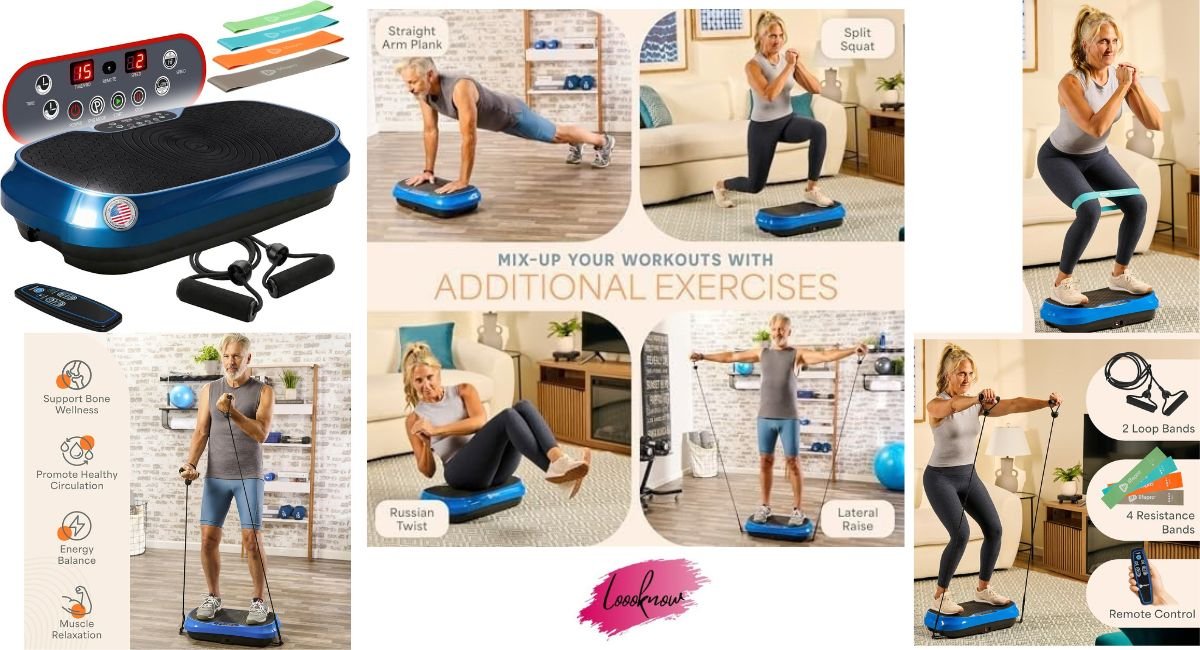
Affiliate disclosure: Heads up: If you buy through links in this review, I may earn a small commission at no extra cost to you. This doesn’t affect my ratings.
Introduction.
You want to move more at home, but a full-size vibration machine can cost a lot and take over half a room. That is the gap the Lifepro Waver Mini is built to fill. It is a compact vibration plate with 99 speed levels, 10 preset programs, a non-slip surface, and resistance bands in the box. The idea is simple. You stand on the platform, it vibrates, and your muscles make small adjustments to keep you balanced. People use that kind of machine for warm-ups, light leg work, gentle strength routines, and short movement breaks during the day.
This Lifepro Waver Mini vibration plate review looks at whether the product delivers on what the listing promises. To be clear about how I put it together: I haven’t tested this machine in person. Everything here is based on the product specifications, available user feedback, and comparisons with competing products. Where the evidence is thin, I’ll say so.
Here is what you’ll find in this review:
- A quick verdict if you’re short on time
- What the Waver Mini is and how it fits in the Lifepro lineup
- A breakdown of the speed levels, presets, and resistance bands
- Notes on build quality, noise, and space needs
- Who should buy it, and who should skip it
- A comparison with other options, including the Lifepro Rumblex and the Amazon versus Walmart question
- A buying guide and a full FAQ
If you’re wondering whether the Lifepro Waver Mini vibration plate is worth it, the answer depends on what you expect from it. For beginners, small-space users, and people who want gentle, low-impact movement, it looks like a reasonable pick. If you want strong vibration, a wide platform, or a machine for heavy daily training, a larger model will likely suit you better.
One caution before you read on. Vibration plates don’t replace regular exercise, good nutrition, or medical care, and the research on whole-body vibration is mixed. If you’re pregnant, have an implanted medical device, or live with a health condition, talk with your doctor before using one.
Quick Verdict
Our rating, based on specs and available feedback: 3.8 out of 5.
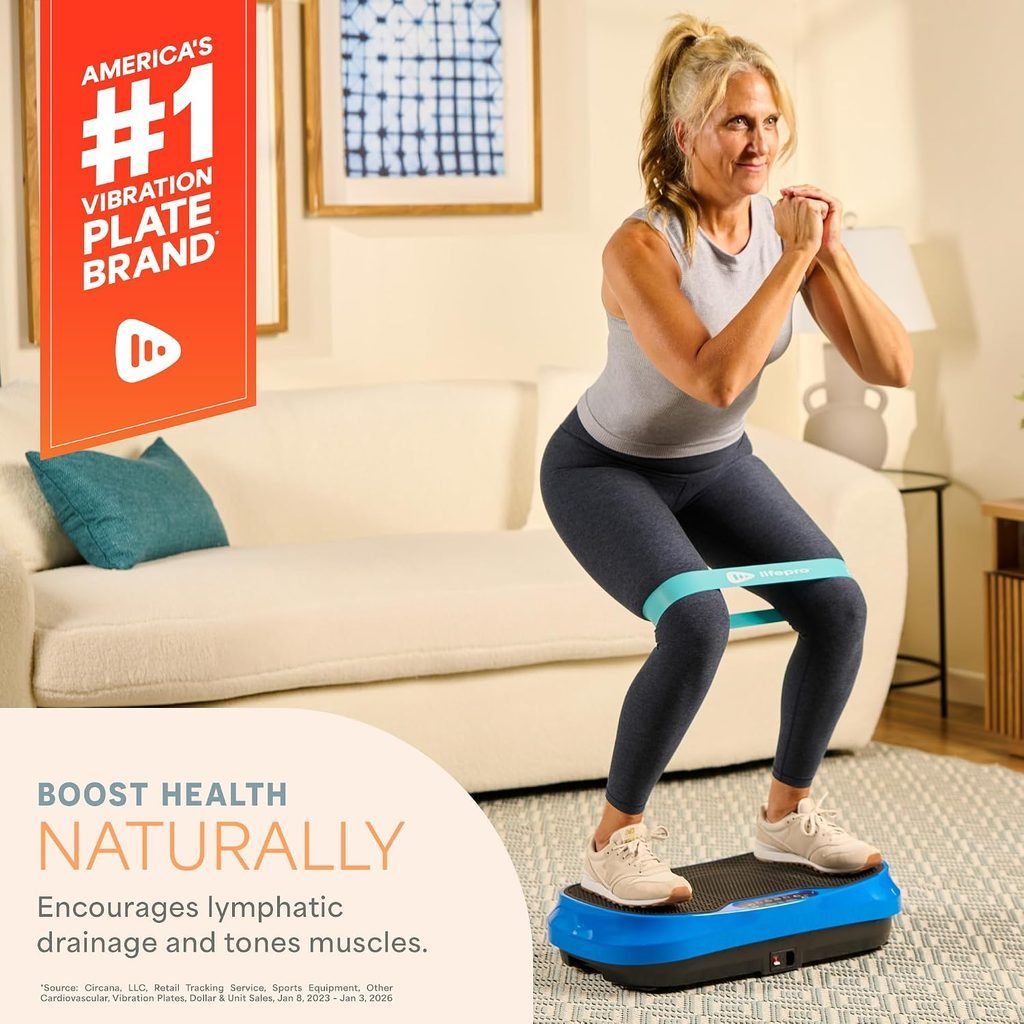
The Lifepro Waver Mini is a compact vibration plate aimed at beginners and small-space users. Its main selling points are the small footprint, a wide range of speed settings (99 levels), ten preset programs, a non-slip surface, and included resistance bands.
What it does well
- Small and easy to store
- Many speed levels give you room to start gently and increase slowly
- Presets remove guesswork for beginners
- Resistance bands add upper-body and lower-body variety
- Simple enough for a first-time user
Where it falls short
- A small platform limits foot placement and exercise variety
- Compact motors usually have less power than larger machines
- Noise and vibration transfer to the floor can be an issue in apartments
- Long-term durability is hard to judge without more time on the market and more reviews
Bottom line: It looks best for beginners, older adults who want gentle movement, and anyone short on space. It is less suited to serious lifters or people who want a heavy-duty machine. You can check the current listing and price on Amazon, since stock, bundles, and pricing change often.
Foldable Ab Crunch Trainer Review (2026): Is It Worth Buying for Home Workouts?
What Is the Lifepro Waver Mini Vibration Plate?
A vibration plate is a platform that moves rapidly to create small muscle contractions as your body stays balanced on it. Most people use them for standing exercises, gentle stretching, calf and leg work, or as part of a warm-up.
The Lifepro Waver Mini is a smaller version of the vibration plates sold under the Lifepro brand. Lifepro is a US-based fitness and wellness brand that sells a range of home exercise and recovery products. The “Mini” in the name points to the compact design, and the full product title highlights four things: resistance bands, 99 speed levels, 10 presets, and a non-slip surface.
How it is positioned
The Waver Mini sits in the entry-level and compact end of the market. It is meant for people who want to try whole-body vibration without committing to a large, expensive machine. That positioning shapes everything else about it:
- Size: Designed to be moved and stored easily
- Controls: Simple speed adjustment and preset programs
- Accessories: Resistance bands included so you can add arm and leg exercises
- Price tier: Generally priced below larger vibration machines, though you should check current pricing
How it differs from larger plates
Bigger plates often have wider platforms, stronger motors, higher weight limits, and extra features like built-in speakers, wider handles, or oscillation, linear, and pulse modes. The Waver Mini trades some of that for portability and a lower entry point.
If you are comparing models, it helps to know that vibration plates come in a few motion types. Some use a rocking, side-to-side motion. Others move straight up and down. Some combine the two. The listing details for any specific plate should tell you which motion type it uses, and that detail affects how the machine feels under your feet.
Who the product is really for
Based on how it is described and priced, the Waver Mini is aimed at casual users: people who want a compact vibration plate with resistance bands for beginners, plus anyone who wants light daily movement at home. It is not marketed as a heavy training machine, and it is best judged by that standard.
Key Features Breakdown
This section walks through the main features listed for the Lifepro Waver Mini Vibration Plate Exercise Machine with Resistance Bands and what they mean in practice. Always confirm exact specs on the current product page, because manufacturers sometimes update listings.
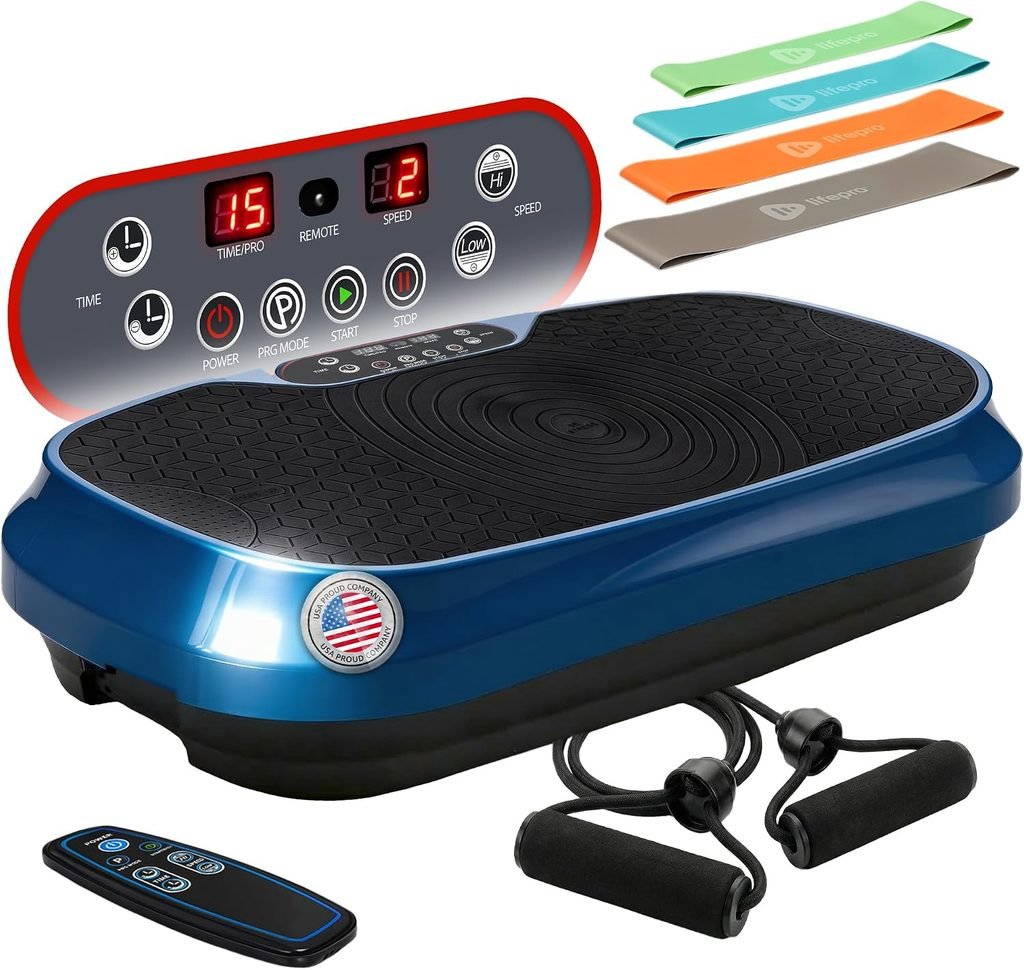
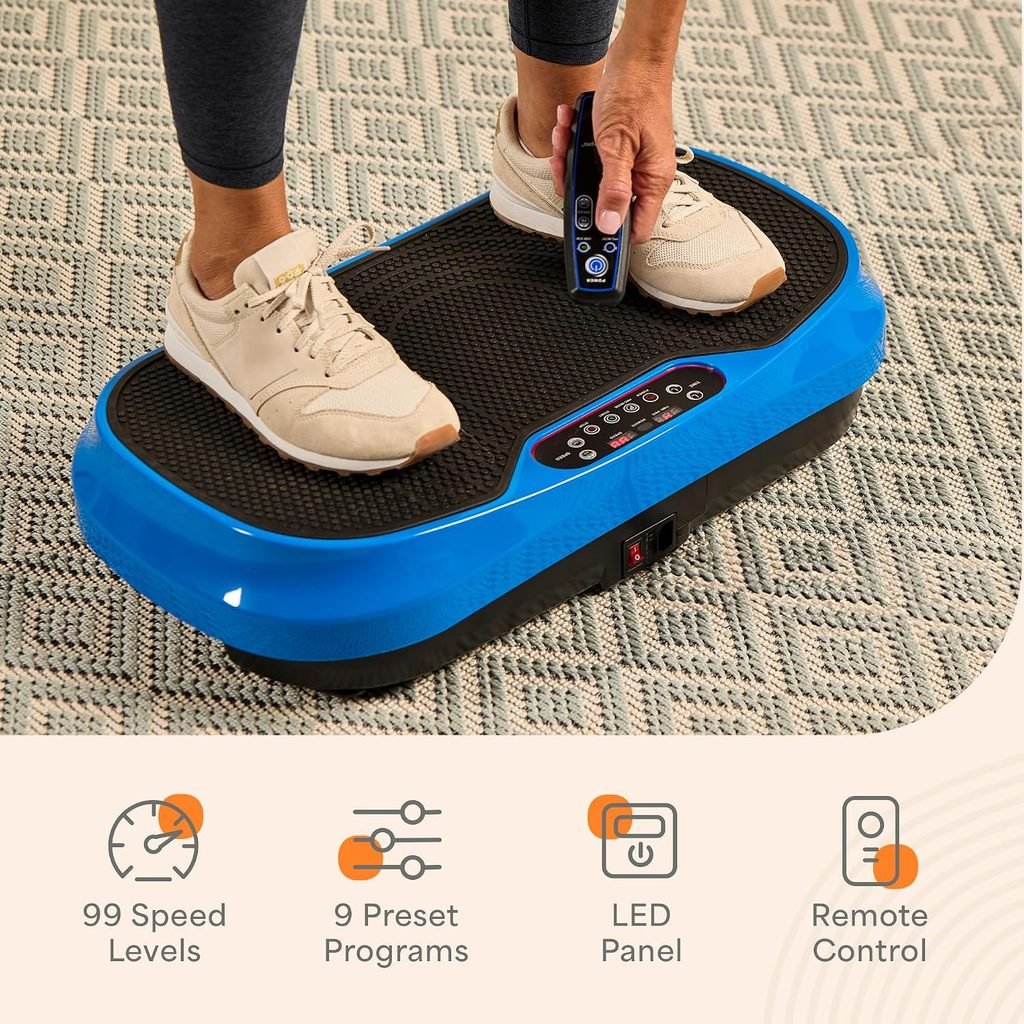
99 speed levels
The headline feature is the 99 speed levels. That sounds like a lot, and for a compact plate it is a generous range. The practical benefit is fine control. Instead of jumping from “low” to “medium” to “high,” you can raise intensity in very small steps.
Why that matters:
- Beginners can start at a low level and move up slowly as they get used to the feeling
- Older adults or people returning to exercise can find a level that feels comfortable
- Experienced users can fine-tune a level for different exercises
A caution: more levels do not automatically mean a stronger machine. The maximum intensity is still limited by the motor. Ninety-nine levels spread across a modest motor may feel like small differences between each step. Some buyers of similar compact plates say the top end feels lighter than they expected, so manage your expectations if you want intense vibration.
10 preset programs
The ten presets are built-in routines that change speed over time. Instead of picking one level and staying there, a preset may ramp up, hold, and ramp down, or vary the pace in waves.
Presets help in a few ways:
- They remove the need to adjust speed manually mid-workout
- They give a beginner a ready-made structure
- They add variety so sessions don’t feel the same every time
The listing does not usually spell out exactly what each preset does, so expect some trial and error in the first week. Check the included manual for details.
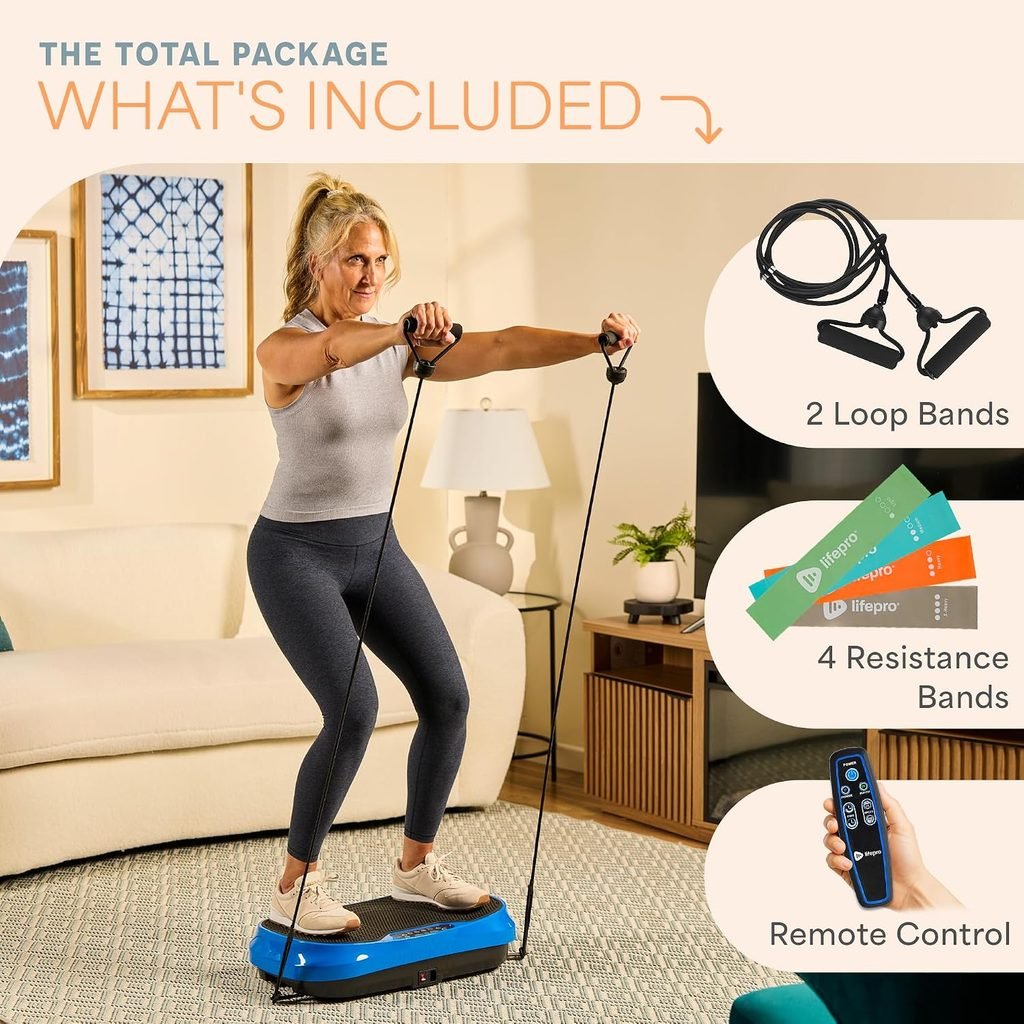
Resistance bands
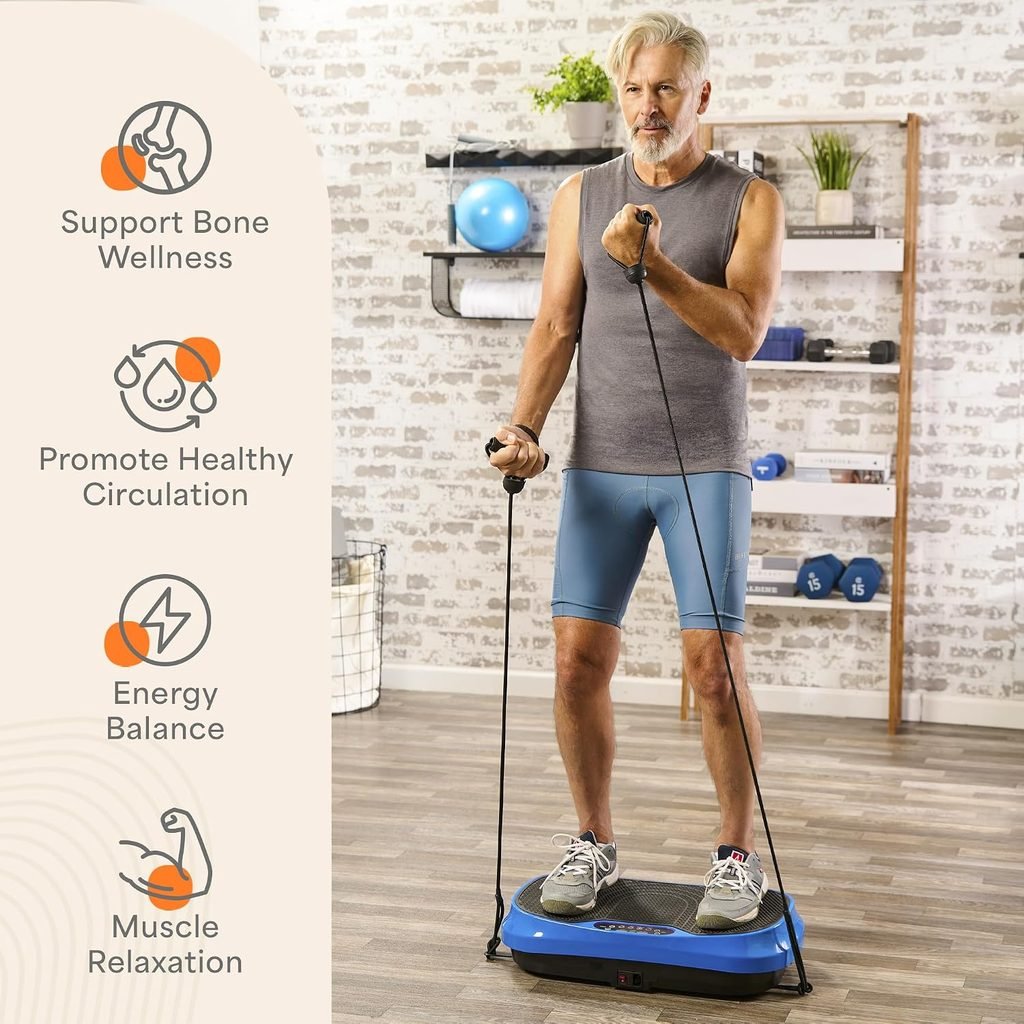
Included resistance bands expand what you can do. With your feet on the plate and the bands in your hands, you can add basic upper-body moves like rows, curls, and presses while the platform vibrates under you.
Keep in mind that bands included with compact machines are usually light to moderate resistance. They work well for beginners and rehab-style movement, but strong users may want heavier bands later. Band quality, including how they attach and how well they hold up over time, is something to watch in long-term buyer feedback.
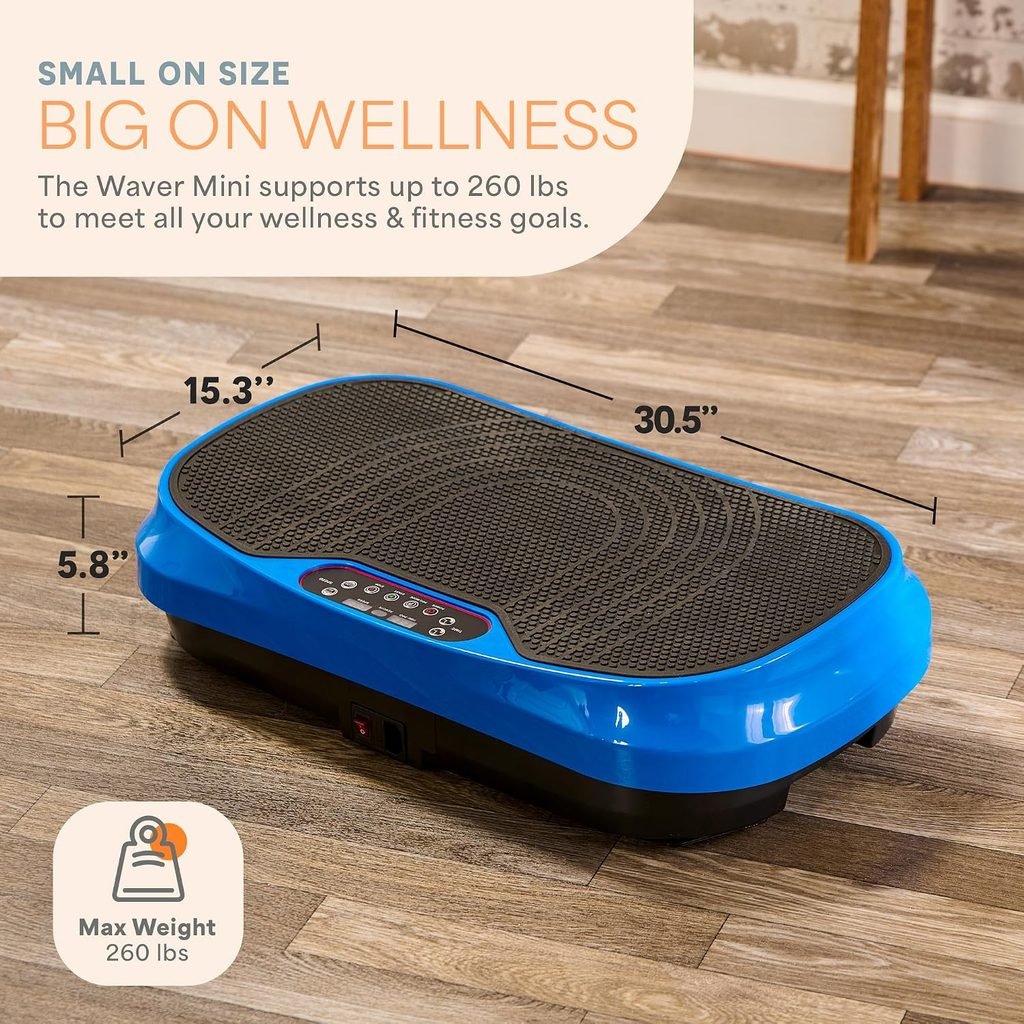
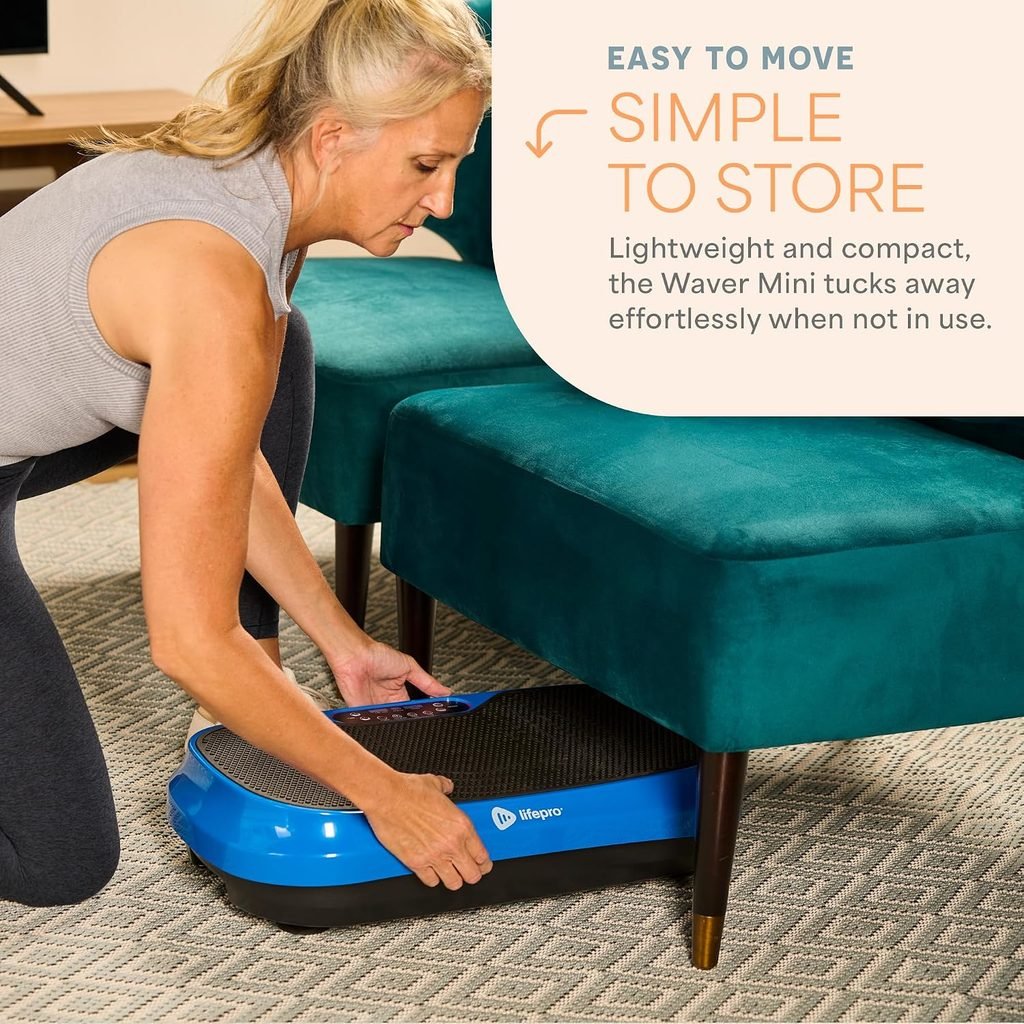
Compact design
Small size is the product’s biggest advantage. A compact plate can be tucked under a bed, stood against a wall, or stored in a closet. That makes it much easier to use consistently, because there is less friction between you and the workout.
The trade-off is platform size. A smaller surface leaves less room to move your feet, which limits some exercises like wide squats or certain stretches.
Non-slip surface
A non-slip surface matters on any vibration plate, since vibration can make bare feet or socks slide. A textured top helps your feet stay put. Most people will still do better using the plate in bare feet or in grippy exercise shoes, not in thick socks.
Remote control and display
Many plates in this class come with a remote control and a basic display so you can change settings without bending down. Check the listing to confirm exactly what is included with this version, since accessories vary by seller and bundle.
Features at a glance
| Feature | What it means for you |
|---|---|
| 99 speed levels | Fine-tuned intensity control |
| 10 presets | Ready-made routines for beginners |
| Resistance bands | Adds upper-body and full-body options |
| Compact design | Easy storage in small spaces |
| Non-slip surface | Better foot grip during use |
Build Quality, Materials & Stability Analysis
Build quality is where compact vibration plates can differ the most, so this section is worth reading carefully.
Materials
Most plates in this price range use a plastic housing with a textured, non-slip top surface. Some higher-priced models use metal frames or reinforced bases. The Waver Mini follows the compact-plate approach, so expect mostly plastic construction. That is not automatically a problem. Plastic keeps weight and cost down. The question is whether it is thick enough and well enough assembled to handle repeated vibration.
What to watch for
Based on common feedback across the compact vibration plate category, these are the usual weak points:
- Housing seams: Rattling or loosening over time
- Rubber feet: Wearing down or shifting
- Remote and display: Battery contacts and button quality
- Motor wear: Louder or weaker output after months of heavy use
I have not seen enough long-term data on this specific model to say whether it suffers from these problems more or less than competitors, so treat these as things to check in recent reviews rather than as confirmed defects.
Stability
Stability depends on three things: the base, the weight limit, and the surface under the plate.
- Weight limit: Always check the maximum user weight on the listing. Exceeding it can cause poor performance and may shorten the machine’s life.
- Base grip: Rubberized feet help keep the plate from sliding, especially on hard floors.
- Floor type: Hardwood, tile, and laminate usually give a firmer base than thick carpet. On carpet, the plate can sink slightly and feel less stable.
If you are heavier or plan to do standing exercises that shift your weight, a stable base is more important than a long feature list.
Surface and safety
The non-slip top helps, but vibration changes how your feet feel. Start with slow speeds, keep your knees slightly bent, and hold onto something stable like a counter or chair when you are new to it. Most beginners find that it takes a few sessions to get used to the sensation.
Overall impression
On paper, the build looks appropriate for its price tier and size. It does not look designed for daily heavy-duty gym use, but it also isn’t priced like a commercial machine. For light to moderate home use, it should be reasonable. For long-term durability, check recent customer reviews and the warranty terms before you buy.
Setup, Noise Level & Space Requirements
Setup
Compact vibration plates are generally simple to set up. Based on the product type, you can expect to:
- Unbox the plate and remove the packaging
- Place it on a flat, firm surface
- Plug it in or charge it, depending on the model
- Pair or insert batteries into the remote, if included
- Select a speed or preset and step on
There is typically no assembly beyond attaching or inserting the resistance bands, so setup should take only a few minutes. Read the manual before the first session, mostly for the safety notes and preset details.
Noise level
Noise is one of the most common complaints about vibration plates of all sizes. Here is what to know:
- The motor makes noise. Higher speeds are usually louder.
- Vibration travels through floors. The sound you hear in a room below may be louder than what you hear standing on the plate.
- Surface matters. A thick exercise mat or rubber mat under the plate can reduce both noise and vibration transfer.
If you live in an apartment or have thin floors, try the plate at moderate speeds and at times when noise won’t bother neighbors. A simple fix is to place the plate on a dense exercise mat or a piece of rubber flooring.
Because I can’t offer a decibel reading from hands-on testing, I won’t claim it is quiet or loud. The honest answer is that compact plates are usually “moderate” in noise at low to medium speeds and noticeably louder at the top end. Check recent buyer comments about noise before you buy if this is a deal-breaker.
Foldable Sit Up Bench With Resistance Bands Review (2026): Is It Worth Buying?
Space requirements
This is where the Waver Mini looks strongest.
- While in use: You need enough room to stand comfortably, plus a little extra space if you are using the resistance bands. A roughly yoga-mat-sized area is a good rule of thumb.
- When stored: The compact size means it should fit under a bed, behind a door, or in a closet shelf.
- Portability: Smaller plates are easier to move between rooms, which helps if you want to use it while watching TV or working from home.
Tips for small spaces
- Keep a mat in a fixed spot so you don’t have to rearrange furniture
- Store the plate near where you’ll use it, since easy access builds consistency
- Use a nearby wall or chair for balance support
For people in apartments, dorms, or small homes, space is often the real deciding factor, and the Waver Mini is built with that in mind.
Usage Experience
This section describes what using the Lifepro Waver Mini is likely to feel like, based on the product specifications, available user feedback, and how similar compact plates behave. It is not a first-hand account.
The first session
Most new users describe the first few minutes on a vibration plate as strange. The vibration travels up through your feet and legs, and some people feel a tingling or buzzing sensation. That is normal. It usually fades into the background after a few sessions.
With 99 speed levels, the best approach is to start very low. Many people find that a low setting for a few minutes is enough on day one. Think of it like starting a new stretching routine: short and easy is better than long and intense.
A beginner-friendly approach might look like this:
- Stand on the plate with your feet about shoulder-width apart
- Keep your knees slightly bent, not locked
- Hold a chair or counter for balance
- Use a low speed for one to three minutes
- Step off and notice how your legs feel
Using the presets
The presets are helpful when you don’t want to think about the controls. Instead of adjusting speed yourself, you pick a program and follow along. For a beginner, this makes sessions feel more structured.
Because the listing doesn’t fully explain what each preset does, plan on cycling through them over your first week or two. Take quick notes on which ones feel comfortable and which are too strong. After that, you’ll probably settle on two or three favorites.
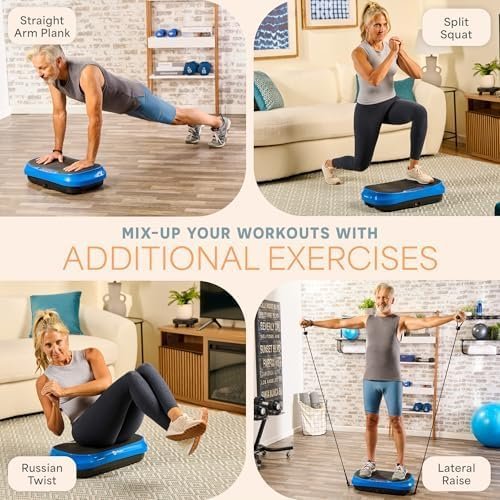
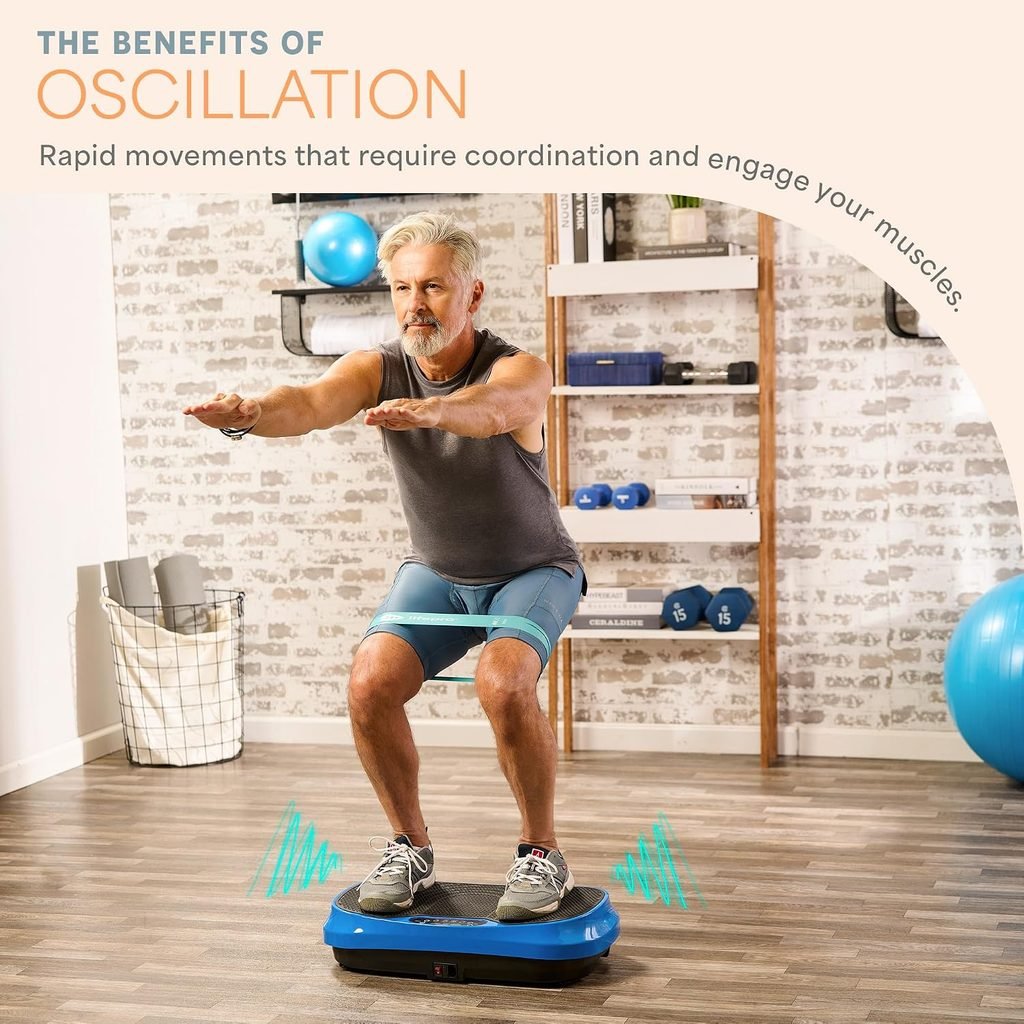
Standing exercises
Common standing moves people do on vibration plates include:
- Static squat hold: Bend your knees to a shallow squat and hold
- Calf raises: Rise onto the balls of your feet slowly
- Standing hold: Simply stand and let the vibration work with your balance
- Lunge variations: Place one foot on the plate and one on the floor, if the plate is stable enough
On a small platform, foot placement is limited. Wide-stance exercises may not be practical. Check the platform dimensions in the listing and think about whether your preferred exercises will fit.
Using the resistance bands
The included bands let you add simple upper-body moves while standing or sitting on the plate. Examples include:
- Bicep curls
- Seated or standing rows
- Shoulder presses
- Chest pulls
Bands add variety, but they are best seen as light supplementary resistance. If you already lift weights, they probably won’t replace your current routine.
Seated and floor use
Some people also use vibration plates while seated, for example with feet or hands on the platform. Others place the plate on the floor and use it for gentle stretching routines. If you plan to do this, check the listing for any guidance on safe positions, since not every exercise is appropriate for every machine.
Comfort and sensation
Different people report different sensations on vibration plates. Some find the feeling relaxing. Others find it irritating or even uncomfortable, especially at higher speeds. A few common tips from user feedback across the category:
- Wear supportive shoes or go barefoot, depending on what feels stable
- Avoid locking your knees
- Keep sessions short at first, often five to ten minutes
- Stop if you feel dizzy, uncomfortable, or unsteady
Consistency over time
The biggest factor in whether any home exercise tool works for you is whether you actually use it. A compact plate that lives in your closet is more likely to be used than a large machine that takes over a room. Several buyers of compact models say that the easy storage and quick setup help them keep a habit going.
At the same time, vibration alone is not a complete workout. Think of the Waver Mini as one piece of a routine that also includes walking, strength training, and stretching.
What buyer feedback often highlights
Looking at the pattern of feedback for compact vibration plates in this price range, users tend to mention:
- Positives: Easy to store, simple controls, good for gentle movement, helpful for beginners
- Negatives: Noise at higher speeds, smaller platform than expected, intensity lower than larger machines, questions about long-term durability
These themes are likely to apply to the Waver Mini too, but check the latest reviews on the listing for model-specific details.
Who gets the most out of it
Based on how it’s built and positioned, the plate is likely to work best for:
- People who want a gentle, low-impact addition to their routine
- Beginners who want guided presets
- People who need a small, stowable machine
- Casual users who plan to use it for short sessions
Where expectations should stay realistic
Whole-body vibration research shows mixed results. Some studies suggest benefits for balance, flexibility, or muscle activation in specific groups, while others show small or inconsistent effects compared with regular exercise. A vibration plate is not a weight-loss device on its own, and no machine of this type should be treated as a replacement for walking, strength work, or medical treatment.
A reasonable goal is this: use the plate to add variety, warm up, and support consistent movement, then judge the results over several weeks rather than a few days.
Benefits
Here are the main benefits you can reasonably expect, based on the specs and how this type of product is used.
Small footprint
The compact design is the clearest benefit. If you live in an apartment or small home, you can store it easily and bring it out in seconds. Ease of access increases the odds that you’ll use it regularly.
Wide intensity range
Ninety-nine speed levels let you scale intensity up slowly. For beginners and older adults, that makes the first weeks more comfortable. For regular users, it gives room to progress.
Beginner-friendly presets
The ten presets give a structure to follow. You don’t need to know exactly how vibration speed relates to different exercises. You can pick a program and start.
Added resistance options
Including resistance bands means you can add upper-body and full-body moves without buying anything else. They are a practical extra, especially for people who don’t own any home gym gear.
Low-impact movement
Vibration plate exercises are generally low impact, since you stand or hold positions instead of jumping or running. That can suit people who want gentler movement or who are easing back into exercise.
Convenience
You can use it while watching TV, listening to a podcast, or taking a short break from desk work. For busy people, that kind of easy fit into daily life matters.
Possible support for warm-ups and stretching
Many people use vibration plates before workouts to warm up their legs or after workouts for light stretching. Individual experiences vary, and evidence for specific recovery benefits is mixed, so treat these as possible uses and not guaranteed outcomes.
Budget-friendlier entry point
Compact plates often cost less than full-size machines. If you are curious about vibration training but not ready to invest heavily, this is a lower-risk way to try it. Check current prices, since they change.
Downsides & Limitations
An honest review needs a clear look at the drawbacks. These are the main ones to consider.
Smaller platform
A compact plate means less room for your feet. If you are tall, have large feet, or like wide-stance exercises, the platform may feel tight.
Likely lower power than larger plates
Larger machines usually have stronger motors and sturdier frames. Compact plates generally can’t match that. If you want intense vibration or plan to use the plate for heavy training, this may not be enough.
Noise and vibration transfer
As covered earlier, vibration plates can be noisy, and vibration can pass through floors. If you live above neighbors, this may matter.
Limited exercise variety
A small platform and light bands limit how many exercises you can do. You can still create a decent routine, but you won’t have the range of a full gym setup.
Unclear long-term durability
Compact motors and plastic housings can wear down. I don’t have enough long-term data on this specific model to say how it holds up after a year of daily use. Look at recent reviews and read the warranty terms.
Evidence for health claims is mixed
Many marketing claims around vibration plates are stronger than the research supports. It’s reasonable to enjoy a vibration plate as part of a routine, but not to expect dramatic changes in body composition or health from it alone.
Not suitable for everyone
Whole-body vibration is not recommended for some people, including those who are pregnant, those with certain implanted devices, and people with some joint, vascular, or neurological conditions. Always check with a doctor first.
Presets may need a learning curve
With ten presets and 99 levels, a first-time user may spend a week or so figuring out what feels right. That’s minor, but worth knowing.
Who Should Buy This?
The Lifepro Waver Mini looks like a good fit for these people:
- Beginners who want a gentle, low-impact way to add movement
- Small-space dwellers who need something compact and easy to store
- Casual users who plan short sessions a few times a week
- Older adults who want gentle activity, after checking with their doctor
- People returning to exercise who want a simple, low-pressure tool
- Budget-conscious shoppers who want to try vibration training without a large investment
- Remote workers who want a quick movement break during the day
If you fit one or more of those groups and your expectations are modest, the Waver Mini is a reasonable choice.
Who Should Avoid This?
You may want to skip the Waver Mini if you are in one of these groups:
- Serious lifters or athletes who want a high-powered machine with a large platform
- Heavier users near the weight limit, since compact plates have lower capacity than some larger ones
- People who are very sensitive to noise or who live above neighbors in thin-floored buildings
- Anyone expecting major weight loss or muscle gain from vibration alone
- People with medical conditions that make whole-body vibration unsafe, unless a doctor says otherwise
- Shoppers who want a long track record, since a newer or less-reviewed product has less long-term data
If you aren’t sure about your health situation, ask your doctor before buying.
VINSGUIR Ab Roller Wheel Review 2026: Is This Budget Core Trainer Worth It?
How to Use for Best Results
Follow these steps to get more out of the plate and reduce the chance of discomfort.
Start slow
- Begin at a low speed for one to three minutes
- Increase time before you increase intensity
- Add a few minutes each week as you feel comfortable
Use proper form
- Keep your knees slightly bent
- Stand tall, with your core lightly engaged
- Keep your weight balanced over both feet
- Hold a stable support if you feel unsteady
Build a simple routine
A basic beginner session could include:
- Warm-up: Two minutes standing at a low speed
- Squat holds: Three short sets
- Calf raises: Two or three sets
- Band work: Rows and curls with the included bands
- Cool-down: Gentle stretching, with the plate off or on a low setting
Adjust this to your comfort level, and stop if anything feels wrong.
Use a mat
A rubber or exercise mat under the plate can reduce noise, protect floors, and give a slightly more stable base.
Wear the right footwear
Many people prefer to be barefoot or in grippy athletic shoes. Avoid thick socks that might slide on the surface.
Stay consistent
Three to four short sessions a week are easier to keep up than occasional long ones. Pair the plate with walking, strength work, and a balanced diet for better overall results.
Know when to stop
Stop right away if you feel dizzy, short of breath, nauseated, or have pain. Check with a health professional before continuing.
Pros & Cons
Pros
- Compact and easy to store
- 99 speed levels for fine intensity control
- 10 presets that guide beginners
- Resistance bands included
- Non-slip surface for better foot grip
- Low-impact, beginner-friendly
- Likely lower cost than larger vibration plates
- Works for short sessions at home
Cons
- Smaller platform limits foot placement and exercise variety
- Likely less powerful than larger machines
- Noise and vibration transfer can be an issue
- Bands are probably light to moderate resistance
- Long-term durability is hard to judge
- Health benefit claims for vibration plates are mixed
- Not suitable for everyone with certain medical conditions
Product Comparisons
Comparing options helps you decide whether the Waver Mini is the right fit. This section looks at how it stacks up against other types of vibration plates and covers Lifepro Waver Mini vs Lifepro Rumblex, then looks at where to buy it, Amazon versus Walmart.
Lifepro Waver Mini vs Lifepro Rumblex
The Lifepro Rumblex is another vibration plate from the same brand. In general, the Rumblex line is positioned as a larger, more feature-heavy option, while the Waver Mini is the compact, entry-level model. Because specs change between listings and versions, check each product page for the latest numbers. Here is a general comparison based on how the two are typically positioned:
| Factor | Lifepro Waver Mini | Lifepro Rumblex (larger model) |
|---|---|---|
| Size | Compact, easy to store | Larger platform, more space needed |
| Best for | Beginners, small spaces | Users wanting more power and features |
| Speed control | 99 levels, 10 presets | Varies by version |
| Accessories | Resistance bands | Often includes bands and other extras |
| Price tier | Generally lower | Generally higher |
| Portability | High | Lower |
Which one makes sense? If you want something small, simple, and lower cost, the Waver Mini looks like the better fit. If you want a larger platform and a more robust machine and have the space and budget, the Rumblex is worth a closer look. Confirm details like platform size, weight limit, and warranty on each listing.
Waver Mini vs generic mini vibration plates
You will also find many unbranded or lesser-known compact vibration plates. Here is how the Waver Mini generally compares:
| Factor | Lifepro Waver Mini | Generic compact plates |
|---|---|---|
| Brand support | Established US brand | Varies widely |
| Warranty and service | Usually clearer | Often unclear |
| Features | 99 levels, 10 presets, bands | Varies |
| Price | Mid-range for the category | Often cheaper |
| Consistency of quality | Easier to research | Harder to judge |
A recognized brand does not guarantee quality, but it usually makes warranty claims and customer service easier to deal with.
Waver Mini vs full-size vibration platforms
| Factor | Waver Mini | Full-size plate |
|---|---|---|
| Footprint | Small | Large |
| Power | Moderate | Higher |
| Platform size | Limited | Wider |
| Price | Lower | Higher |
| Best for | Light, casual use | Frequent, varied use |
Amazon vs Walmart: where to buy
Both retailers sell vibration plates, and availability can differ. Here are the things to compare. I’m not quoting prices because they change often.
| Factor | Amazon | Walmart |
|---|---|---|
| Availability | Usually the main listing for Lifepro products | May carry it, sometimes through third-party sellers |
| Price | Can vary by day and seller | Can vary, especially for third-party listings |
| Shipping | Prime shipping on eligible items | Free shipping thresholds, plus store pickup options on some items |
| Returns | Generally straightforward for items sold and shipped by Amazon | Store returns possible on items sold by Walmart itself |
| Warranty clarity | Check seller and listing | Check seller and listing |
| Reviews | Often more reviews on this brand | May have fewer reviews |
What to check at either store:
- Is the item sold and shipped by the retailer, or by a third party?
- Does the listing match the exact model name?
- What is the return window?
- Is the warranty provided by Lifepro?
- Do the recent reviews mention problems with the same issue repeatedly?
Compare both before buying, and choose the one with the clearer return policy and the better total price. You can check the current Amazon listing and price for the Lifepro Waver Mini here: Check Price on Amazon.
Buying Guide: How to Choose a Mini Vibration Plate
If you’re searching for the best mini vibration plate for home use, these are the factors that matter most.
Motor power and motion type
Check what type of motion the plate uses (up and down, side to side, or a mix). Different motions feel different. If you can, read user comments about how the vibration feels.
Platform size
A larger platform gives you more room for your feet and more exercise options. If you’re tall or plan to do wide-stance moves, size matters.
Weight capacity
Always check the maximum user weight. Staying well under the limit usually gives better performance and a longer life for the machine.
Speed range and controls
More levels can mean finer control, but check that the controls are easy to use. A remote can help if you don’t want to bend over mid-session.
Noise level
Look for buyer comments about noise. If you live in an apartment, it is worth giving this extra weight.
Build quality
Look for sturdy housing, a non-slip top, and stable feet. Recent reviews are the best clue about durability.
Included accessories
Resistance bands, a remote, a mat, or a manual can add value. Check what is actually in the box.
Warranty and returns
A clear warranty and an easy return policy reduce risk. This matters more for a product category where long-term durability can vary.
Price versus value
The cheapest plate isn’t always the best deal if it breaks or underperforms. The most expensive isn’t always necessary either. Match the machine to how you’ll really use it.
Safety information
A good listing includes clear safety guidance. If it doesn’t, look elsewhere. And check with a doctor if you have any health concerns.
Quick decision guide
- Small space, beginner, light use: A compact plate like the Waver Mini
- Frequent use, more power needed: A larger platform
- Strict noise limits: Read noise reviews carefully, and use a mat
- Medical concerns: Ask a healthcare professional first
Workout Experience, Performance & Durability
Performance
For a compact plate, performance looks aimed at light to moderate use. The wide speed range and presets give flexibility, but the platform size and motor class probably set a ceiling on intensity. For warm-ups, gentle strength work, and basic movement routines, that ceiling should be fine.
Workout value
Used alone, a vibration plate gives limited training volume. Used with resistance bands, squats, calf raises, and stretching, it becomes a more complete tool. The best results usually come from combining it with regular walking and strength training.
Durability
Durability is the biggest unknown. Compact plates are often used on hard floors, with frequent speed changes, and sometimes daily. Over time, motors, housings, and remotes may show wear. To judge this for the Waver Mini:
- Read recent reviews, especially those from owners several months in
- Look for repeated complaints about the same part
- Check the warranty length and what it covers
- Buy from a seller with a clear return policy
If you use it a few times a week at moderate speeds and keep it on a mat, it should be easier on the machine. Heavy daily use at top speeds is more likely to shorten its life.
Frequently Asked Questions
Is the Lifepro Waver Mini vibration plate worth it?
It depends on your expectations. For beginners, small-space users, and anyone who wants gentle, low-impact movement, it looks like a reasonable value based on its specs and positioning. For people who want a powerful, heavy-duty machine, a larger plate is likely a better fit.
What is a vibration plate?
A vibration plate is a platform that vibrates to make your muscles make small, quick adjustments as you stand or exercise on it. It is used for warm-ups, gentle strength work, and light movement.
Is the Lifepro Waver Mini good for beginners?
Based on the 99 speed levels, 10 presets, and simple design, it looks suitable for beginners. Start at a low speed and increase gradually.
How many speed levels does it have?
The product listing states 99 speed levels, plus 10 preset programs.
Does it come with resistance bands?
Yes, the product title lists resistance bands as included. Check the listing for details about band type and resistance.
Is it loud?
Vibration plates are generally moderate in noise at low to medium speeds and louder at higher speeds. Using a mat under the plate can reduce noise and vibration transfer. Check recent user reviews for noise comments on this specific model.
Can I use it in an apartment?
Possibly, but consider noise and vibration transfer. A dense mat and moderate speeds help. Avoid using it at times when it could disturb neighbors.
How long should I use a vibration plate each session?
Many beginners start with a few minutes and build up to 10 to 15 minutes. Follow the manufacturer’s guidance and stop if you feel uncomfortable.
Can a vibration plate help with weight loss?
A vibration plate alone is not a proven weight-loss tool. Weight management mostly depends on diet, overall activity, and consistency. A plate can be a small part of a routine.
Who should not use a vibration plate?
People who are pregnant, those with certain implanted medical devices, and some people with joint, vascular, or neurological conditions are often advised to avoid whole-body vibration. Talk to your doctor before using one.
What is the difference between the Lifepro Waver Mini and the Lifepro Rumblex?
The Waver Mini is generally the compact, entry-level option, while the Rumblex is usually a larger, more feature-heavy model. Check each listing for current specs.
Where can I buy the Lifepro Waver Mini?
It is commonly sold on Amazon, and you may also find it at Walmart, sometimes through third-party sellers. Compare price, shipping, and return policies. If you’re searching for the Lifepro Waver Mini vibration plate Amazon listing, check that the seller and model name match what you want.
Is a compact vibration plate with resistance bands good for beginners?
Yes, in general. The bands add variety, and the compact size makes it easy to start a short routine at home. Keep expectations realistic and start slowly.
How do I make it quieter?
Place it on a thick exercise mat or rubber flooring, use lower speeds, and put it on a firm, flat surface.
How long will it last?
That depends on use, weight, and care. There isn’t enough long-term data on this specific model to give a firm number. Check the warranty and recent reviews.
Final Verdict
So, is this Lifepro Waver Mini vibration plate review pointing to a good buy? For the right buyer, yes.
Based on the product specifications, available user feedback, and comparisons with competing products, the Waver Mini looks like a sensible entry-level vibration plate. Its biggest strengths are its compact size, wide speed range, ten presets, included resistance bands, and non-slip surface. Those features make it approachable for beginners and practical for small homes.
At the same time, it has clear limits. A small platform restricts exercise options. A compact motor likely won’t match the power of larger machines. Noise and vibration transfer can be a problem in apartments. And long-term durability is something you’ll want to check in recent reviews and warranty terms.
Buy it if:
- You want a gentle, low-impact way to add movement
- You have limited space
- You’re new to vibration training
- You want presets and bands included
- You’d rather start with a lower-cost option
Skip it if:
- You want heavy-duty power or a large platform
- You live above neighbors and are very sensitive to noise
- You expect dramatic results from vibration alone
- You have a health condition that makes vibration unsafe
My rating: 3.8 out of 5. It’s a solid pick for beginners and small-space users, with realistic limits. Before you buy, compare Amazon and Walmart for price, seller, and return policy, read the latest reviews, and check with a healthcare professional if you have any concerns.
If it matches your needs, you can look at the current price and details here: Check Price on Amazon.
Affiliate CTA
If the Lifepro Waver Mini fits your space, budget, and goals, you can check the current listing, price, and recent reviews here:
Prices, bundles, and availability can change, so confirm the details on the product page before you order.

I’m an SEO content writer and product researcher with experience creating well-researched product reviews, comparisons, buying guides, affiliate articles, and helpful website content. At LoookNow, I focus on researching products, comparing features and value, and creating clear, engaging, search-optimized content to help readers make more informed purchasing decisions. My goal is to provide useful, trustworthy, and easy-to-understand information that saves readers time and reduces confusion when choosing products online.