

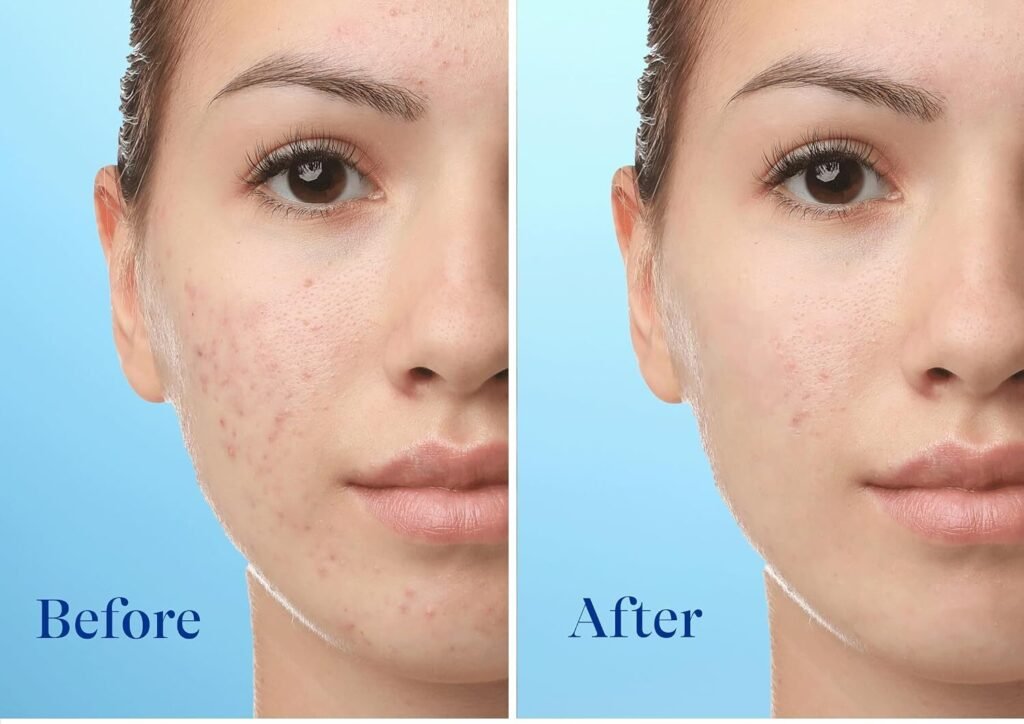
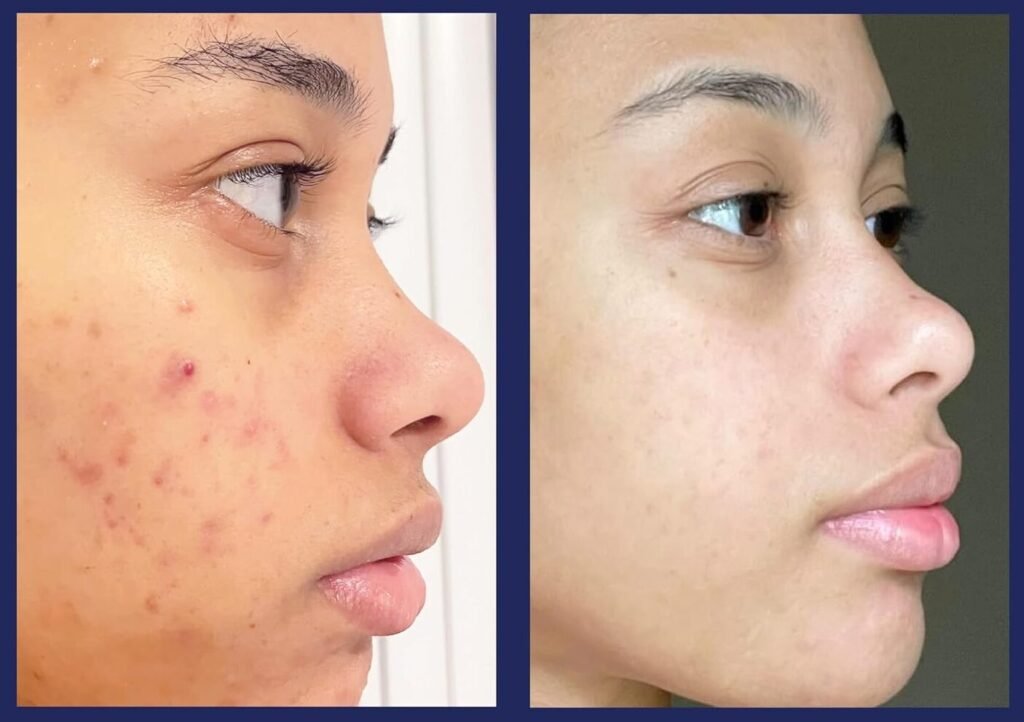
You finally got the breakout under control, so why is your face still covered in marks? If you are staring at a trail of brown, pink, or purple spots long after the pimples are gone, you are far from alone. Acne is one of the most common skin conditions in the United States, affecting tens of millions of people every year, and the marks it leaves behind often cause more frustration than the breakouts themselves.
The good news is that acne dark spots are very treatable. The less comfortable news is that they take patience, the right ingredients, and a few habits that are easy to skip. This guide walks you through what these marks really are, which treatments work (and which ones are mostly hype), how to build a routine step by step, when to see a board-certified dermatologist, and the mistakes that quietly keep spots around for months longer than they need to be.
A quick note before we start: this article is for education and does not replace personal medical advice. If your marks are changing, painful, bleeding, or you are unsure what you are looking at, see a dermatologist.

NAD EGF Firming Serum Review (2026): Does It Really Work?
Key Takeaways
- Most acne marks fall into two groups: brown or tan acne marks (post-inflammatory hyperpigmentation, or PIH) and pink, red, or purple marks (post-inflammatory erythema, or PIE). They need different treatments.
- Daily broad-spectrum sunscreen (SPF 30 or higher) is the single most important step. Without it, every other treatment works slower or not at all.
- Proven ingredients include azelaic acid, vitamin C, niacinamide, retinoids, and tranexamic acid. Prescription options such as hydroquinone and tretinoin can work faster when guided by a dermatologist.
- Spots commonly take 3 to 12 months to fade noticeably, and sometimes longer. Consistency matters more than strength.
- Picking, harsh scrubs, and over-exfoliating are the fastest ways to make marks darker and longer lasting.
Mighty Patch Hero Cosmetics Original Nighttime Acne Pimple Patches, 36 Ct
Understanding Acne Dark Spots
What Are Acne Dark Spots, Exactly?
An acne dark spot is not a scar in the traditional sense. It is a patch of skin that stayed discolored after inflammation from a acne pimple settled down. Your skin was injured, your immune system responded, and the color-making cells in that area (melanocytes) went into overdrive or the tiny blood vessels nearby stayed dilated. The pimple healed, but the color did not reset.
Dermatologists use a few terms for this, and it helps to know them because they point you toward the right acne treatment:
- Post-inflammatory hyperpigmentation (PIH): flat tan, brown, or dark brown marks. The color comes from extra melanin (pigment).
- Post-inflammatory erythema (PIE): flat pink, red, or purplish marks. The color comes from blood vessels, not pigment.
- Acne scars: actual changes in skin texture, such as dents (atrophic scars) or raised bumps (hypertrophic or keloid scars). These involve collagen damage and are treated differently.
Many people have a mix of all three, which is why one acne product rarely clears everything.
The Simple Test: Brown or Pink?
Here is a quick way to sort your acne marks at home. Press a clear glass or a clean finger against a mark for a moment and release.
If the acne mark briefly turns pale and then returns to pink or red, it is likely PIE, a vascular issue. If the color does not change at all and stays brown, it is likely PIH, a pigment issue. This is a rough guide only, but it explains why a brightening serum can do wonders for a brown mark and almost nothing for a red one.
Texture matters too. Run your fingertip over the area. If it feels smooth, you are dealing with discoloration. If you feel a dip or a raised bump, you are dealing with a scar, and you will want to read the in-office section later in this guide.
PanOxyl Acne Foaming Wash, 10% Benzoyl Peroxide, For Face & Body, 5.5 oz
Why Do Some People Get Marks and Others Do Not?
Three things drive the odds:
- Skin tone. People with medium to deep skin tones, including many Black, Hispanic and Latino, South Asian, Middle Eastern, and Asian Americans, have more reactive melanocytes. Even a small pimple can leave a lasting mark. Studies of acne patients suggest that a large share of people with skin of color develop PIH.
- How inflamed the breakout was. Deep, painful cysts and nodules leave more marks than whiteheads. The longer a spot stays angry, the more likely it is to leave a trace.
- What you do to it. Picking, squeezing, and scrubbing are major triggers. Sun exposure on healing skin is the other big one, because UV light tells pigment cells to produce even more melanin.
This is also why treating the acne itself is step one. Every new breakout is another chance for a new mark.
How Long Do Acne Dark Spots Take to Fade?
It depends on how deep the pigment sits and how consistent you are. Pigment in the top layer of skin (epidermal) tends to fade within a few months with good care. Pigment that has dropped into the deeper layer (dermal) can take a year or more, and in some cases it does not fade fully without professional treatment. PIE often fades on its own over several months, but it can linger much longer in some people.
A realistic expectation for a solid routine is to see early changes in 6 to 8 weeks and meaningful fading by 3 to 6 months. Anyone promising overnight results is selling you something.
The Ingredients and Products That Work
The skincare aisle is crowded, so here is a clear look at what has real support behind it. Prices below are typical ranges you will see at US drugstores, Sephora, Ulta, and online retailers. Specific products are examples, not endorsements, so always check the current formula and your own acne skin’s tolerance.
Sunscreen: The Non-Negotiable
UV light darkens existing marks and slows fading. Dermatologists consistently rank sun protection as the foundation of any dark spot plan. Choose a broad-spectrum sunscreen with SPF 30 or higher, and use SPF 50 if you will be outdoors for long stretches.
If you have medium to deep acne skin, look for a tinted mineral sunscreen that contains iron oxides. Visible light (the light from the sun and from indoor screens) can darken melasma and PIH, and iron oxides help block it. Regular untinted sunscreens do not.
What to look for:
- Broad-spectrum label
- SPF 30 to 50
- Formulas labeled non-comedogenic if you are still breaking out
- Gel or fluid textures for oily skin, which tend to sit better under makeup
Examples people commonly use: EltaMD UV Clear (popular for acne-prone skin), La Roche-Posay Anthelios fluids, Supergoop Unseen Sunscreen, and tinted mineral options from brands such as Black Girl Sunscreen and Colorescience. Expect roughly $10 to $45 depending on the brand.
Apply about a quarter teaspoon for the face, and reapply every two hours when outdoors.
Azelaic Acid: The Best All-Rounder for Acne Marks
If you could pick only one active, azelaic acid is a strong contender. It calms inflammation, helps unclog pores, and slows the enzyme (tyrosinase) that makes pigment. It is gentle enough for most skin types and is widely considered safe for sensitive skin.
In the US, azelaic acid comes in two tiers:
- Over the counter: typically around 10%. Examples include The Ordinary Azelaic Acid Suspension 10% and Paula’s Choice 10% Azelaic Acid Booster (about $10 to $40).
- Prescription: 15% gel or foam (such as Finacea) and 20% cream, which a dermatologist can prescribe for stronger results.
Start with a thin layer once a day, then move to twice daily as your skin allows. Mild tingling at first is common. Results usually appear after 8 to 12 weeks.
Vitamin C: Brighten and Protect
Vitamin C is an antioxidant that helps interrupt pigment production and protects skin from UV-related damage. It works best in the morning, under sunscreen, where it adds a layer of protection against free radicals.
Look for L-ascorbic acid in the 10 to 20 percent range, or gentler derivatives such as ascorbyl glucoside or magnesium ascorbyl phosphate if you are sensitive. Vitamin C is unstable, so choose products in dark or opaque, airtight packaging, and toss them if they turn dark orange or brown.
Examples include SkinCeuticals C E Ferulic (a premium option at several hundred dollars less often than you would think per month of use, but still a splurge), Timeless 20% Vitamin C + E + Ferulic Acid, and L’Oreal Revitalift 10% Pure Vitamin C Concentrate at drugstore prices.
Niacinamide: The Gentle Supporter
Niacinamide (vitamin B3) does not bleach skin, but it helps block the transfer of pigment from melanocytes to surface skin cells, calms redness, and supports the skin barrier. That makes it a great partner for stronger actives.
Most studies and products use 2 to 5 percent. Higher percentages (10 percent) are common but can irritate some skin types without adding much benefit. You will find it in CeraVe, Naturium, The Ordinary, and many moisturizers.
Retinoids: Speed Up Renewal and Prevent New Breakouts
Retinoids do double duty. They treat the acne that creates new marks, and they speed up skin cell turnover so pigmented cells shed faster.
- Adapalene 0.1% (Differin gel) is available over the counter in the US and is a great starting point, usually around $15 to $20.
- Tretinoin and tazarotene are prescription-only and stronger.
- Retinol is a milder, non-prescription cousin that works more slowly.
Use a pea-sized amount at night, start two or three nights a week, and build up. Expect some dryness and flaking in the first month. Always pair retinoids with daily sunscreen, because they make skin more sun-sensitive.

Anua Azelaic Acid 10 Hyaluron Redness Soothing Serum, 1.01 fl oz
Tranexamic Acid: The Rising Star
Tranexamic acid is a newer topical option that appears to reduce pigment by affecting inflammation-related pathways in the skin. You will now find it in over-the-counter serums, and dermatologists also use it in prescription creams and, in selected cases, as an oral medicine for stubborn pigmentation such as melasma. Research on acne marks specifically is still growing, but it is generally well tolerated and often layers nicely with niacinamide and vitamin C.
Alpha Hydroxy Acids and Beta Hydroxy Acids: Gentle Exfoliation
Exfoliating acids help shed pigmented surface cells and keep pores clear.
- Salicylic acid (BHA) goes into pores, which makes it ideal for oily, acne-prone skin. Look for 0.5 to 2 percent.
- Glycolic acid (AHA) is effective but can be more irritating, especially on deeper skin tones.
- Lactic and mandelic acid (AHAs) are gentler, and mandelic acid in particular is a favorite for deeper skin tones because its larger molecule penetrates more slowly.
Use acids one to three times a week at first. More is not better, and over-exfoliating can inflame skin and create new marks.
Other Brighteners: Alpha Arbutin, Kojic Acid, and Licorice Root
These milder lighteners can help when you want a gentle approach or need something that layers with your other products.
- Alpha arbutin (around 2 percent) releases a small amount of hydroquinone-like activity slowly and is a popular option in over-the-counter serums.
- Kojic acid inhibits pigment production but can be sensitizing for some people, so patch test.
- Licorice root extract has soothing and mild brightening effects.
Hydroquinone: The Prescription Gold Standard
Hydroquinone has long been considered one of the most effective topical treatments for hyperpigmentation. In the United States, it is now available by prescription only, typically at 4 percent or in compounded blends with a retinoid and a mild steroid. Dermatologists usually prescribe it for a limited stretch and then give your skin a break, because long, uninterrupted use carries risks such as a paradoxical darkening condition called ochronosis. Never buy unregulated skin lightening creams from unknown sellers, since some contain unlisted mercury or steroids.
The Ordinary Niacinamide 10% + Zinc 1%, Smoothing Serum for Blemish-Prone Skin
What About Natural Remedies?
Papaya masks, yogurt, turmeric, aloe, and almond oil show up in countless dark spot guides. Some of them have a basis worth knowing about, but evidence for fading acne marks is far thinner than for the ingredients above.
- Papaya and yogurt are mild exfoliants, thanks to natural enzymes and lactic acid. They can brighten dull skin gently, but they are far weaker than a measured lactic acid product.
- Turmeric contains curcumin, which has anti-inflammatory properties and some lab evidence of pigment-slowing effects. It can also stain skin yellow and trigger allergic reactions in some people.
- Aloe vera is soothing and can calm irritation. It is a nice add-on, not a spot remover.
- Almond oil moisturizes, but it will not fade pigment on its own.
- Lemon juice is often recommended online. Skip it. It can burn skin and, combined with sun, can make pigmentation worse.
If you enjoy a DIY mask for relaxation, go ahead, but patch test first and treat it as a bonus rather than a plan. How you care for your skin can greatly affect your appearance. Here you’ll find the everyday care that dermatologists recommend.

The Ordinary Glycolic Acid 7% Exfoliating Toner (2026): Worth It?
Step-by-Step Routine to Fade Acne Dark Spots
This is a simple, beginner-friendly routine. You do not need every product on the list. Pick one or two actives, add them slowly, and give each at least eight weeks before judging.
Step 1: Treat the Active Acne First
New pimples create new marks, so stopping breakouts comes before fading old ones. A retinoid like adapalene, benzoyl peroxide (2.5 to 5 percent is as effective as stronger versions with less irritation for many people), or salicylic acid can help. If you have deep, painful, or widespread acne, see a dermatologist early. Prescription treatment prevents more marks than any brightening serum can reverse.
Step 2: Build a Gentle Foundation
Use a mild, fragrance-free cleanser twice daily and a basic moisturizer that supports your skin barrier. A damaged barrier is inflamed, and inflammation makes pigment worse. Skip scrubs, brushes with stiff bristles, and hot water.
Step 3: Morning Routine
- Rinse or cleanse with a gentle cleanser.
- Apply vitamin C serum to dry skin (optional but helpful).
- Apply niacinamide or tranexamic acid serum if you use one.
- Moisturize.
- Finish with broad-spectrum sunscreen, SPF 30 to 50.
Differin Acne Retinoid Treatment Gel, 0.1% Adapalene, 15g Tube
Step 4: Evening Routine
- Cleanse (double cleanse only if you wore sunscreen or makeup heavy enough to need it).
- Apply your treatment: azelaic acid, a retinoid, or an acid, as your skin tolerates.
- Moisturize.
A sample schedule that many people tolerate well:
- Monday, Wednesday, Friday: adapalene or another retinoid
- Tuesday, Thursday, Saturday: azelaic acid
- Sunday: rest night with only moisturizer
As your skin adjusts, you can use azelaic acid in the morning and a retinoid at night.
Step 5: Add Weekly Exfoliation Only If Needed
If your skin is oily and congested, a salicylic acid cleanser or toner once or twice a week can help. If your skin is dry, sensitive, or you are already using a retinoid, you may not need extra exfoliation at all.
Step 6: Patch Test and Go Slowly
Test every new product on a small area, such as the side of your jaw or behind your ear, for two to three days before applying it to your face. Introduce one new active at a time, a week or two apart. That way, if something irritates you, you know the culprit.
Step 7: Track Your Progress
Take a photo in the same lighting every two weeks. Spots change slowly, and it is easy to feel like nothing is working when you see yourself daily. Photos give you honest evidence and keep you from abandoning a good routine too early.
Professional Treatments for Stubborn Marks
If you have been consistent for three to four months and your marks have barely moved, or if you have deep pigment, textured scars, or lingering PIE, it is time to talk to a board-certified dermatologist. Professional treatments are not a failure of your routine. They are a faster, more targeted tool.
Prescription Topicals
A dermatologist may prescribe tretinoin, 15 to 20 percent azelaic acid, 4 percent hydroquinone, or a compounded cream that combines several actives. They may also recommend oral or topical tranexamic acid in selected cases. These options are usually the first step before procedures because they are less costly and carry less downtime.
Chemical Peels
A peel uses a controlled acid to remove the top layers of skin so fresh, more evenly colored skin grows in. Superficial peels (salicylic, mandelic, light glycolic) are the safest choice for acne marks and are usually done as a series every few weeks. Typical US prices run from about $100 to $300 per session, though this varies widely by city and clinic.
Depth matters. A peel that is too strong can inflame skin and create more pigmentation, especially on deeper skin tones. Choose a provider who regularly treats your skin tone and will start conservatively.
Lasers and Light Devices
Different marks need different lasers, which is why an accurate diagnosis matters.
- For brown marks (PIH): options include low-energy fractional lasers, picosecond lasers, and Q-switched lasers. Deeper skin tones usually do better with longer wavelengths such as the 1064 nm Nd:YAG, which bypasses surface pigment and lowers the risk of burns or rebound darkening.
- For red or purple marks (PIE): vascular lasers such as the pulsed dye laser (often called VBeam) and some intense pulsed light devices target the tiny blood vessels that keep marks pink.
- For textured scars: fractional resurfacing lasers (such as Fraxel) and radiofrequency microneedling stimulate new collagen.
Expect a series of three to six sessions, with costs often ranging from several hundred to over a thousand dollars per session depending on the device and region. Ask your provider how many treatments they expect, what the downtime is, and what the risks are for your skin tone.
The Ordinary Salicylic Acid 2% Solution, Acne-Fighting Serum for Blemish-Prone Skin
Microneedling
Microneedling creates tiny controlled channels in the skin and encourages collagen remodeling. It is best known for textured scars and can help with overall tone. Professional sessions often cost around $200 to $700. At-home rollers are far less effective and, if used carelessly, can spread bacteria or irritate active acne. Skip them while you are breaking out.
Subcision, Fillers, and Other Scar Treatments
If your concern is depressed (dented) scars rather than color, a dermatologist may recommend subcision (releasing the tissue that tethers a scar), fillers, or combination treatments. These are separate from dark spot care and best discussed in a consultation.
How to Choose a Provider
- Look for a board-certified dermatologist, particularly one with experience treating your skin tone.
- Ask to see before and after photos of patients with skin similar to yours.
- Be cautious of med spas that offer to treat everything with one device.
- Ask what happens if you have a reaction and who will manage it.
SkinPro Blemish Treatment Review (2026): Worth It?
Treating Dark Spots by Skin Tone and Skin Type
The same marks behave differently depending on your skin, so here is how to adjust the plan.
Fair to Light Skin Tones
Marks tend to look pink or red (PIE) more than brown, and they usually fade on their own over several months. Vitamin C, azelaic acid, niacinamide, and gentle retinoids work well. Vascular lasers can help if redness lingers. Sunscreen is still essential, because UV exposure can darken light marks and make pink marks look more obvious.
Medium and Olive Skin Tones
This group often develops both brown and red-brown marks and tends to see them last longer than expected. Prioritize sun protection (tinted if possible), azelaic acid, vitamin C, and a retinoid. For procedures, test spots and conservative settings are wise, since medium tones can darken after aggressive treatment.
Deep Skin Tones
Deeper skin makes pigment more easily, so PIH is more common, more intense, and slower to fade. The plan should focus on preventing inflammation in the first place. That means treating acne early and gently, avoiding picking, and using low-irritation formulas.
Good starting points include azelaic acid, niacinamide, tranexamic acid, adapalene at a gentle pace, and mineral sunscreens that do not leave a gray cast (look for tinted options). For peels and lasers, choose an experienced provider who regularly treats deeper skin tones, favors lighter peels such as mandelic acid, and uses lasers appropriate for your skin tone, such as 1064 nm Nd:YAG. Always ask for a patch or test spot first.
Oily and Acne-Prone Skin
Choose gels, fluids, and lightweight serums. Salicylic acid, adapalene, and azelaic acid work well because they treat the breakouts and the marks together. Look for non-comedogenic labels on moisturizers and sunscreens.
Dry or Sensitive Skin
Go slowly. Azelaic acid, niacinamide, and gentle vitamin C derivatives tend to be better tolerated than strong acids or high-dose retinoids. Use a richer moisturizer and consider the sandwich method: moisturizer, then retinoid, then moisturizer again. If your skin stings or burns, scale back.
Anua Niacinamide 10 + TXA 4 Serum, Korean Skincare, 1.01 fl.oz
Common Mistakes That Keep Dark Spots Around
Most stubborn acne marks are not caused by a lack of products. They are caused by habits that keep the skin inflamed. Here are the biggest ones.
Picking and Squeezing
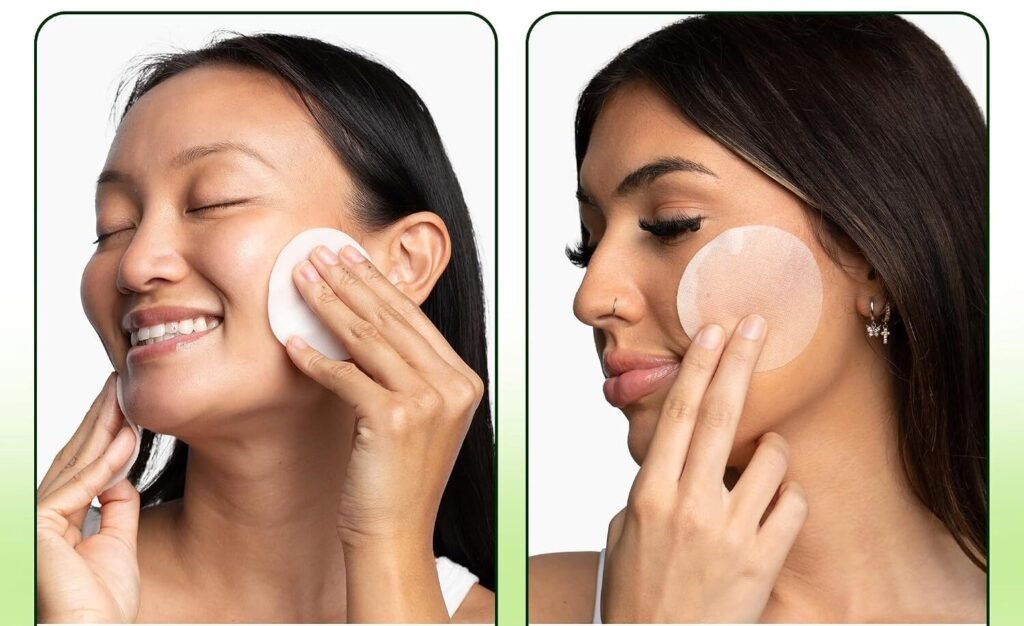
It is tempting, and it is the single biggest cause of avoidable marks. Squeezing pushes inflammation deeper and injures the skin, which increases pigment production. If you must do something, use a pimple patch and leave it alone.
Skipping Sunscreen (or Using Too Little)
Without sun protection, your marks can darken and your treatments can stall. Many people apply only a fraction of the amount needed, which means the SPF on the bottle is not what they actually get. Use about a quarter teaspoon for your face and reapply during long days outdoors.
Over-Exfoliating
Scrubs, brushes, daily acid use, and layering several strong actives can break down the skin barrier. The result is more inflammation and, often, new dark spots. If your skin is red, tight, shiny, or stinging, pause every active except moisturizer and sunscreen.
Using Too Many Actives at Once
Starting five new products in the same week makes it impossible to know what is helping or hurting. Introduce one product at a time and give it at least eight weeks.
Quitting Too Soon
Spots fade slowly, and it is common to feel like nothing is happening in the first month. Take photos, stay consistent, and judge results at three months.
Relying on Lemon Juice, Baking Soda, or Toothpaste
These popular DIY hacks can burn, irritate, and cause new pigmentation. Leave them in the kitchen and bathroom cabinet where they belong.
Buying Unregulated Lightening Creams
Some creams sold online or in unlicensed shops contain undeclared mercury, high-potency steroids, or illegal levels of hydroquinone. These can cause serious harm, including skin thinning and a worse discoloration than you started with. Use products from reputable retailers or a prescription from a licensed provider.
Ignoring Active Acne
Treating marks while breakouts continue is like mopping the floor while the sink overflows. Get your acne under control, with a dermatologist’s help if needed, and the marks become far easier to manage.
Practical Tips to Speed Up Results
- Start early. The sooner you calm inflammation, the less pigment your skin makes. Do not wait for a breakout to fully clear before protecting the area from sun.
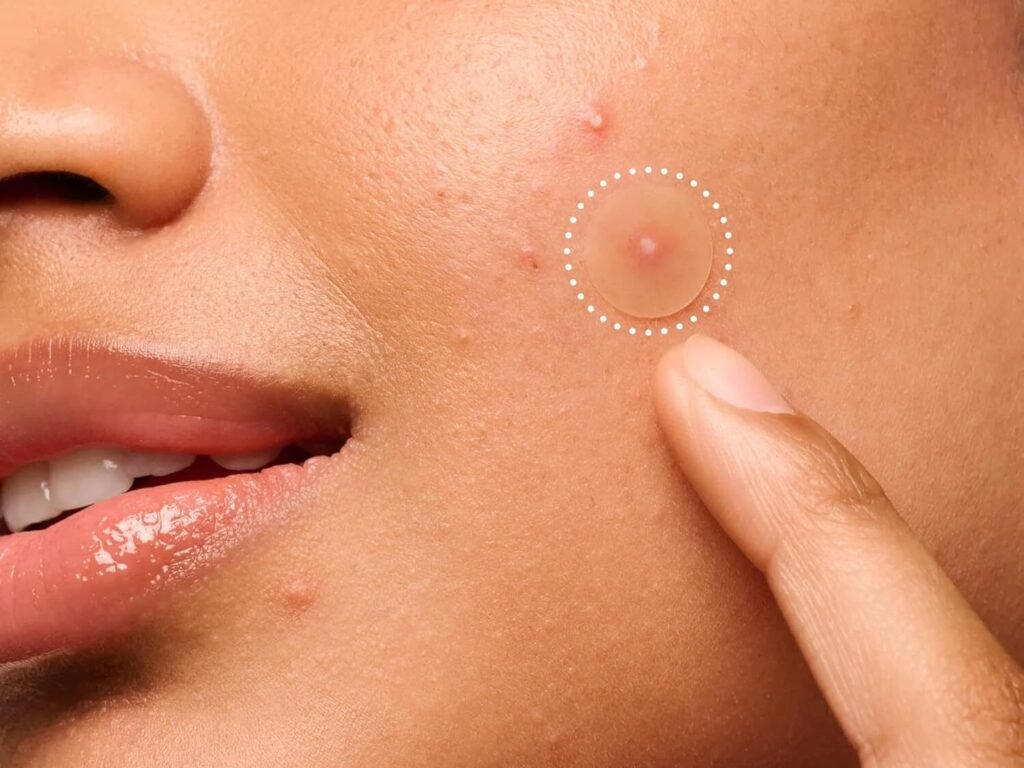
- Use pimple patches. Hydrocolloid patches protect healing spots from touching and picking, which is a big win for preventing marks.
- Wear a hat. A wide-brimmed hat gives your face extra protection on top of sunscreen, especially during peak midday sun.
- Mind your makeup. Look for non-comedogenic foundation and concealer, and cleanse thoroughly at night. A color-correcting concealer (peach or orange for brown marks, green for red marks) can hide spots while treatments work.
- Change pillowcases weekly. It is a small step that reduces bacteria and oil transfer on breakout-prone skin.
- Keep hands off your face. Resting your cheek on your hand or touching your skin through the day adds irritation.
- Eat for your skin, but keep expectations realistic. A diet rich in colorful fruits and vegetables supports overall skin health. Tomatoes and other lycopene-rich foods have been studied for sun protection benefits, but diet is a supporting player, not a replacement for sunscreen or treatments.
- Be patient with the in-between phase. Photos every two weeks help you see progress your mirror hides.
- Ask for help sooner than you think. A single dermatology visit can save months of trial and error.

Differin Adapalene Gel Review for Acne (2026): Worth It?
Frequently Asked Questions
How long will it take for my acne dark spots to fade?
Most people see early improvement within 6 to 8 weeks of consistent treatment and sunscreen use, with more noticeable fading by 3 to 6 months. Deeper or older marks can take a year or more. Professional treatments can shorten that timeline, but they still require consistent follow-up care.
Can I use vitamin C, niacinamide, and retinol together?
Yes, in most cases. Many people use vitamin C and niacinamide in the morning, and a retinoid at night. If your skin gets irritated, separate them or reduce how often you use each one. Introduce them one at a time rather than all at once.
Do acne dark spots go away on their own?
Often they do, especially mild PIH and PIE, but it can take many months and sometimes more than a year. Sun exposure, picking, and ongoing breakouts can make them last far longer. Treatment and sunscreen speed up the process and reduce the odds that marks stick around.
What is the difference between a dark spot and an acne scar?
Dark spots (PIH and PIE) are flat discolorations. Acne scars involve a change in skin texture, such as an indentation or a raised bump. Dark spots usually fade with time and topical treatments, while true scars generally need professional treatment such as microneedling, laser resurfacing, or subcision.
Is hydroquinone safe?
When prescribed and monitored by a dermatologist, hydroquinone is considered effective and is generally used for limited periods. Problems tend to come from long-term, unsupervised use or from unregulated products. In the United States it is available by prescription only, so talk with a dermatologist about whether it is right for you.
Can I treat dark spots while I still have active acne?
Yes, and you should. Choose ingredients that do double duty, such as azelaic acid, adapalene, and salicylic acid, so you are calming breakouts and fading marks at the same time. Add sunscreen every morning, and see a dermatologist if your acne is moderate to severe.
Which in-office treatment is best for acne marks?
There is no single best option, because it depends on whether your marks are brown, red, or textured and on your skin tone. Superficial chemical peels and low-risk lasers are common for brown marks, vascular lasers for red marks, and microneedling or fractional lasers for textured scars. A dermatologist can match the treatment to your skin.
Conclusion: Your Next Best Step
Acne dark spots are frustrating, but they are not permanent for most people. The path forward is simple, even if it is not instant. Calm your breakouts, protect your skin from the sun every single day, and add one or two proven ingredients such as azelaic acid, vitamin C, niacinamide, or a retinoid. Resist the urge to pick, scrub, or stack new products every week, and give each change at least two months before you decide whether it works.
If your marks are deep, widespread, or not budging after three to four months, book a visit with a board-certified dermatologist. A professional can identify the type of mark you have, prescribe stronger options, and guide you toward peels or lasers that suit your skin tone safely.
Your skin has already done the hard part by healing. With a steady routine and a little patience, it will catch up on the color too. Start tonight: pick your sunscreen for tomorrow morning, choose one active, and take a photo of your skin. In three months, you will be glad you did.

Who Is Behind Loooknow
Loooknow is founded, written, and managed by Muhammad Owais Khan. I am the founder, author, and site administrator, so every review, guide, and comparison you read here goes through me personally.You can reach me at [owaisu99sony@gmail.com] or through the Contact page. And Review Methodology