
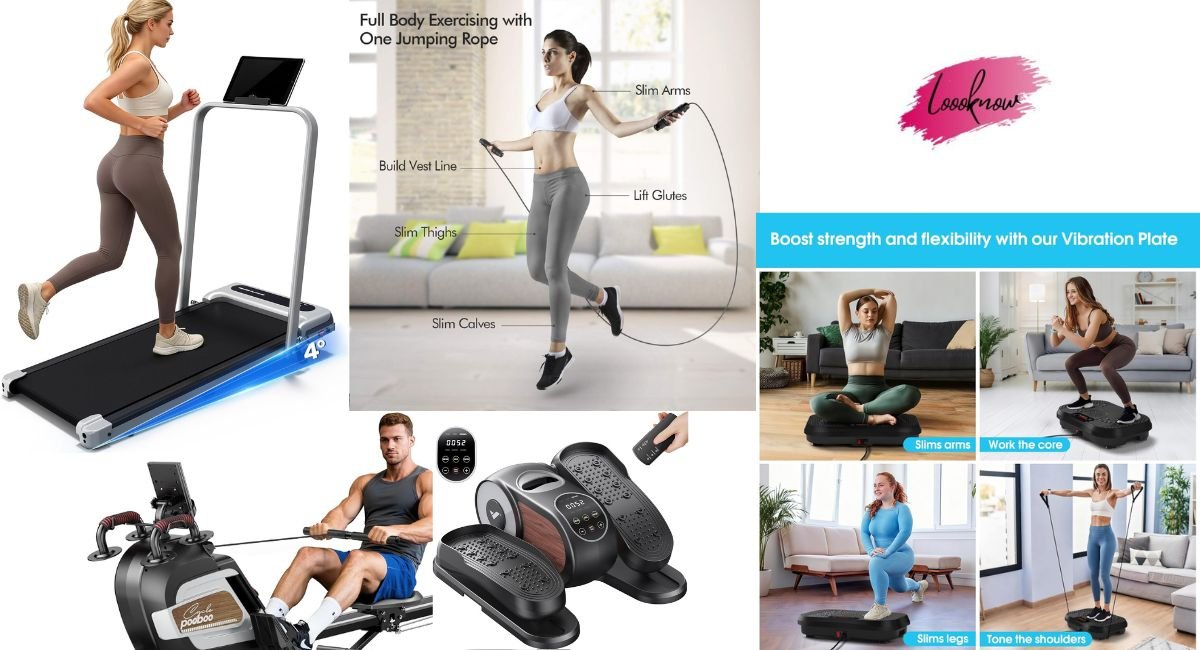
Introduction.
Most people don’t quit cardio because they hate exercise. They quit because they picked the wrong machine, used it the wrong way, or got bored within three weeks. A treadmill gathering dust in the corner of a bedroom is one of the most common purchases in American homes, right up there with bread makers and juicers nobody uses twice. The Sporting Goods Manufacturers Association has tracked this pattern for years: fitness equipment sales spike every January and usage drops off by March, a cycle so consistent that gym owners plan their marketing calendars around it.
The reasons behind that drop-off are rarely about motivation alone. A recumbent bike bought for someone with knee pain but never adjusted to fit their leg length will hurt more than it helps. A treadmill placed in a cramped hallway with no clearance becomes a coat rack by February. A rower used with bad form turns into a source of lower back pain instead of a full-body workout. In almost every case, the equipment itself wasn’t the problem. The mismatch between the machine, the person, and the plan was.
This guide exists to close that gap. Whether you’re outfitting a home gym from scratch, choosing your first machine at a commercial gym, trying to decide between a treadmill and an elliptical, or trying to figure out why your knees ache after a session, you’ll find real, practical answers here, grounded in how these machines actually work and how people actually use them day to day. We’ll cover the science behind cardiovascular training and heart rate zones, a full breakdown of every major cardio equipment category with realistic price ranges, a step-by-step buying and starting process, situation-specific recommendations for different bodies and goals, the most common mistakes people make, maintenance and safety basics, modern technology features worth paying attention to, the real cost of ownership, and a detailed FAQ section covering the questions people ask most. By the end, you should be able to pick a machine with confidence and actually still be using it a year from now, not just a few weeks in.
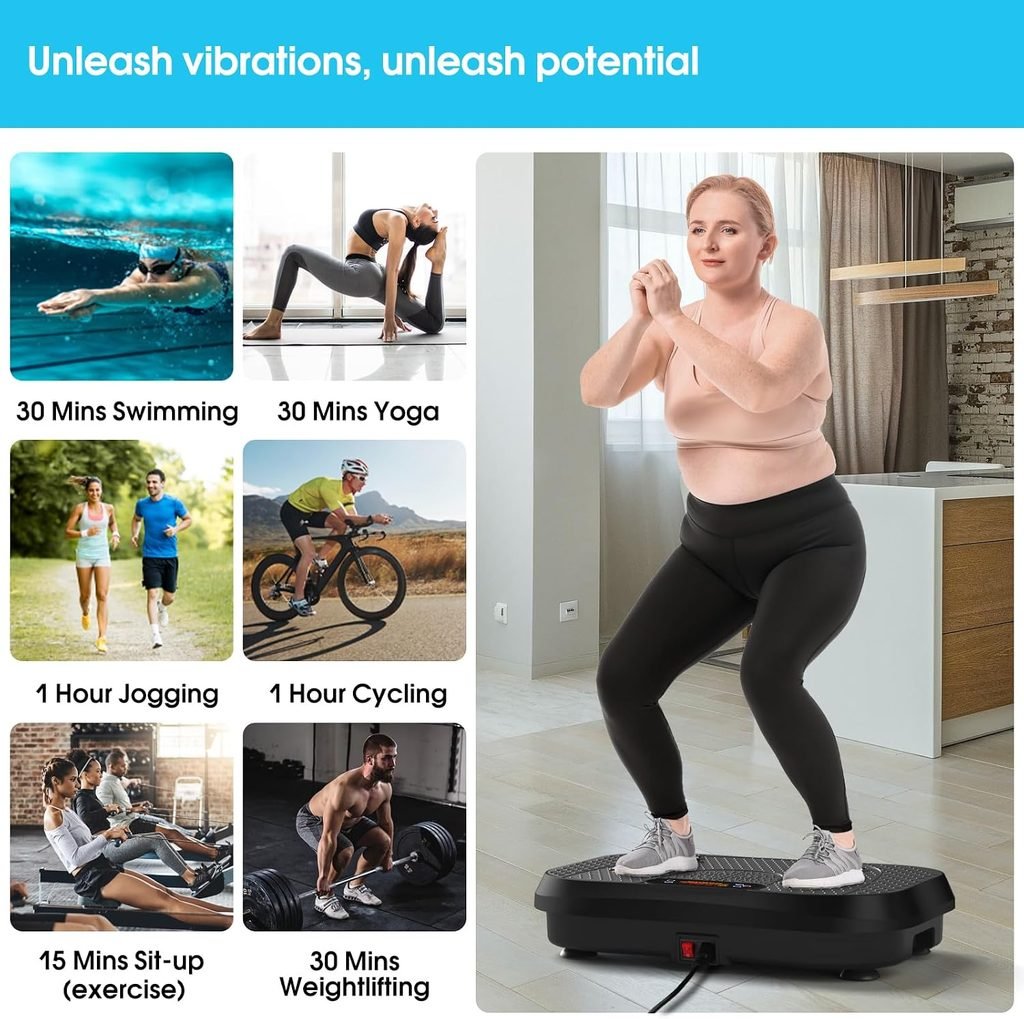
What “Cardio Equipment” Actually Means
Cardiovascular equipment covers any machine designed to elevate your heart rate through sustained, rhythmic movement. That’s a wide net. It includes treadmills, stationary bikes, ellipticals, rowing machines, stair climbers, ski ergometers, and jump ropes. Some machines emphasize low-impact movement that’s easy on the joints. Others, like treadmills and jump ropes, involve more impact and engage stabilizing muscles differently.
The point of all of them is the same: get your heart and lungs working harder than they do at rest, for long enough that your body adapts. Over weeks and months, that adaptation shows up as a lower resting heart rate, better endurance, improved blood pressure numbers, and a body that recovers faster from physical effort.
The American Heart Association recommends at least 150 minutes of moderate-intensity aerobic activity per week, or 75 minutes of vigorous activity, for most adults. Cardio equipment is one of the most reliable ways to hit that number consistently, especially when weather, safety, or time constraints make outdoor exercise unpredictable.
The Basic Science: Heart Rate Zones
Understanding heart rate zones makes every machine in this guide more useful. Your maximum heart rate is roughly estimated as 220 minus your age, though this varies from person to person. From there, training zones break down approximately like this:
- Zone 1 (50–60% of max): Very light effort. Warm-up and cool-down pace.
- Zone 2 (60–70% of max): Comfortable, conversational pace. This is where most of your weekly cardio volume should live, since it builds aerobic base without excessive fatigue.
- Zone 3 (70–80% of max): Moderately hard. You can talk in short sentences but not hold a full conversation.
- Zone 4 (80–90% of max): Hard effort, used in interval training. Sustainable for only a few minutes at a time.
- Zone 5 (90–100% of max): Maximum effort, used in very short bursts like sprint intervals.
Most cardio machines now include a heart rate monitor, either through hand-grip sensors or compatibility with a chest strap or wrist device. Using this data, rather than guessing at effort level, turns a vague workout into a structured one.
Why Equipment Beats “Just Going for a Run” for a Lot of People
Running outside is free and effective, but it’s not for everyone. Cardio machines solve specific problems that outdoor exercise doesn’t:
- Weather independence. A Minneapolis winter or a Phoenix summer can make outdoor cardio miserable or dangerous. A machine indoors removes that variable entirely.
- Joint control. Machines like ellipticals and rowers let you build cardiovascular fitness with far less impact than running on pavement.
- Measurable progress. Most modern machines track pace, distance, heart rate, and calories in real time, which makes it easier to see progress and stay motivated.
- Safety. Treadmills and stationary bikes remove traffic, uneven terrain, and low-visibility risks from the equation.
- Time efficiency. No need to drive to a trail or wait for daylight. A machine at home or at a nearby gym removes a huge chunk of the friction that keeps people from exercising consistently.
None of this means outdoor cardio is inferior. It means cardio equipment gives you a controlled, repeatable environment, which matters most when you’re building a habit rather than chasing an ideal.
Roughly How Many Calories Different Machines Burn
Exact numbers vary a lot based on body weight, effort level, and individual metabolism, but these ranges, based on a 155-pound person working at a moderate to vigorous pace for 30 minutes, give a useful ballpark for comparing machines:
- Treadmill (walking, brisk): roughly 150–200 calories
- Treadmill (running, moderate pace): roughly 300–370 calories
- Upright or recumbent bike (moderate effort): roughly 210–260 calories
- Elliptical (moderate to vigorous): roughly 270–330 calories
- Rowing machine (moderate to vigorous): roughly 260–330 calories
- Stair climber (vigorous): roughly 220–300 calories
- Jump rope (moderate, continuous): roughly 300–370 calories
These figures are estimates, not guarantees, and they’re meant for comparing machines to each other rather than as a precise personal target. Someone at a higher body weight will typically burn more, and someone lighter will typically burn somewhat less, at the same effort level.
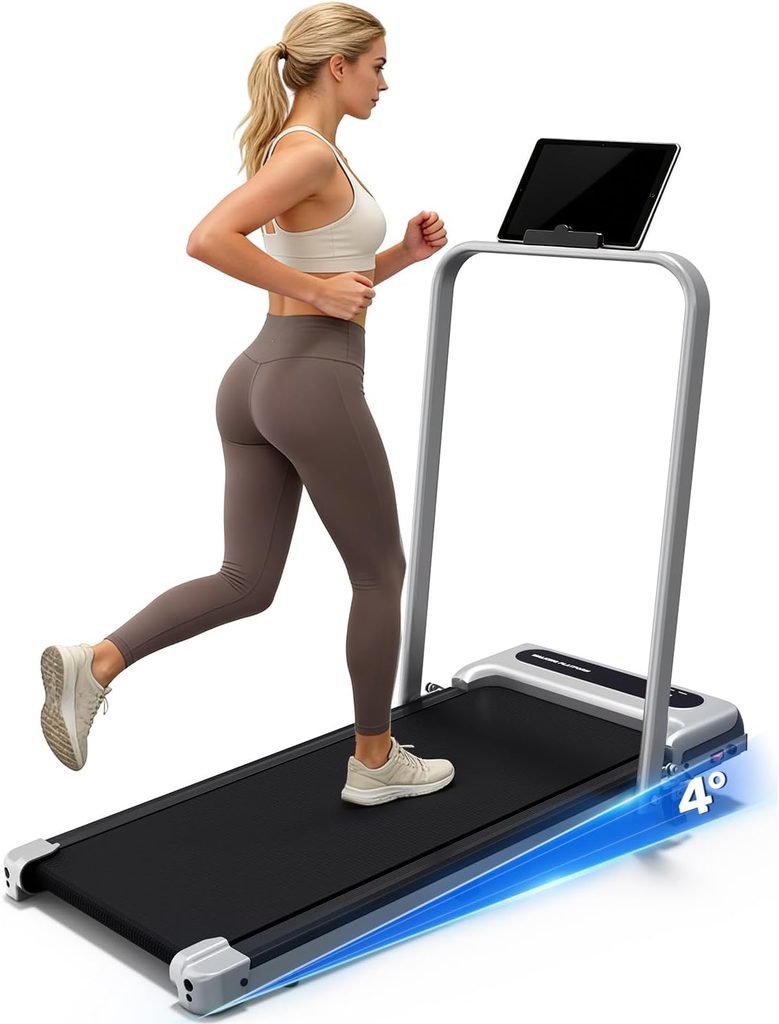
Sunny Health & Fitness Treadmill Review
The Main Types of Cardio Equipment
Here’s an honest breakdown of the major categories, including where each one shines, where it falls short, and roughly what it costs.
Treadmills
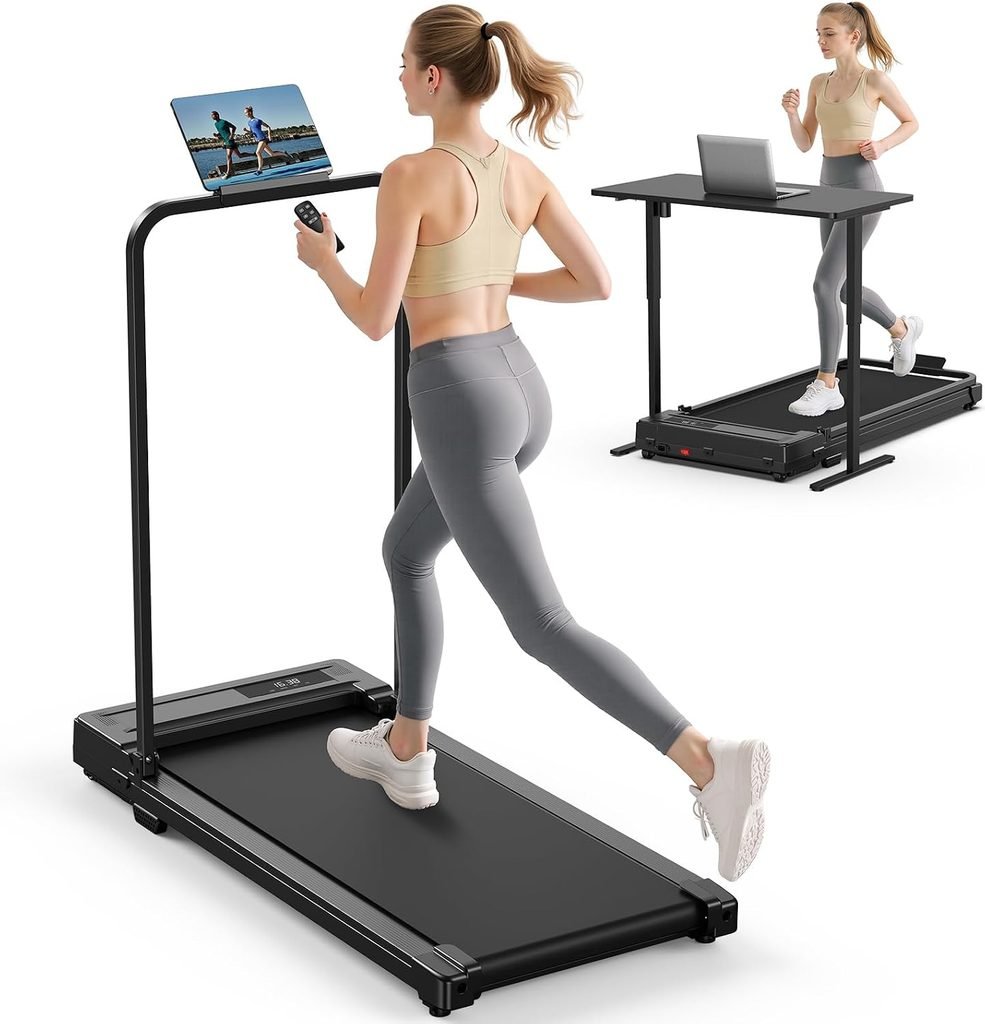
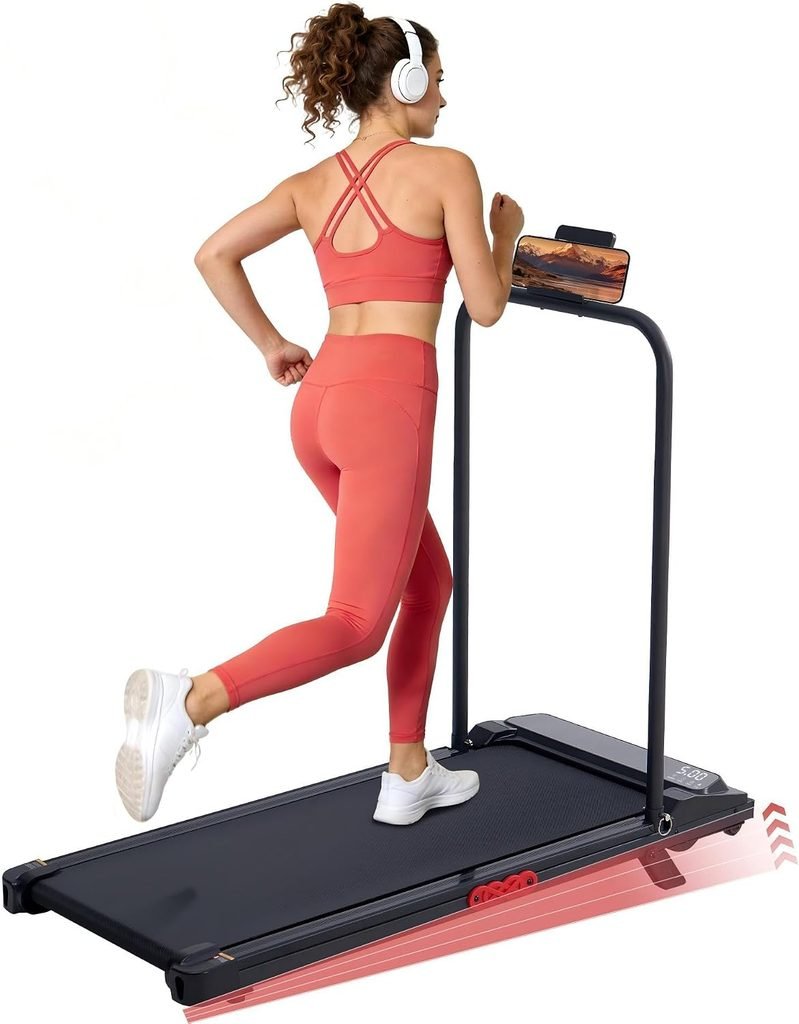
The treadmill remains the single most popular piece of cardio equipment in American homes and gyms. It’s intuitive: you walk or run, and the belt moves beneath you. Incline settings let you simulate hill training, and most models today include preset programs, heart rate monitoring, and some form of touchscreen or app connectivity.
Home treadmills generally range from around $500 for a basic folding model to well over $3,000 for a commercial-grade unit with a larger motor, longer belt, and higher weight capacity. Motor size matters more than most buyers realize. A continuous horsepower rating of at least 2.5 to 3.0 CHP is generally recommended for regular running, since underpowered motors wear out faster and struggle with sustained higher speeds.
SereneLife Foldable Treadmill Review 2026: Is the 8.7 MPH Remote-Control Model Worth Buying?
Best for: People who run or walk outdoors already and want an indoor equivalent. Beginners who want a low learning curve, since the motion mirrors natural walking and running.
Watch out for: Impact on the knees and hips, especially at higher speeds or with poor running form. Treadmill workouts can also feel monotonous without incline changes or interval structure. A belt that’s too short for your stride length can also make running feel cramped and unsafe.
Stationary Bikes
Stationary bikes split into three main styles: upright bikes (similar posture to a regular bicycle), recumbent bikes (a reclined seat with back support), and indoor cycling bikes (the kind used in studio classes, built for standing sprints and heavy resistance).
Upright bikes suit people who want a natural cycling position and a smaller footprint. Recumbent bikes shift most of the load off the lower back and core, making them a common choice for older adults, people with balance concerns, or anyone recovering from surgery under medical guidance. Indoor cycling bikes prioritize a heavier flywheel and adjustable resistance, letting riders simulate hill climbs and sprint efforts.
Best for: People with knee, hip, or lower back issues, since cycling is essentially non-impact. Recumbent bikes in particular are a favorite among older adults and anyone easing back into exercise.
Watch out for: Poor seat height or handlebar positioning causes knee pain fast. A bike that doesn’t fit your body will hurt you before it helps you. Indoor cycling bikes with narrow, hard seats can also cause discomfort for longer rides until you adjust or add a padded cover.
Ellipticals
Ellipticals combine a walking or running motion with an upper-body pushing and pulling action, all while your feet stay planted on the pedals. That design gives you a full-body workout with almost no impact, since your feet never leave the pedals and there’s no jarring foot strike.
Best for: Anyone who wants a challenging cardio session without pounding their joints. Popular with people managing arthritis or recovering from lower-body injuries under medical clearance, as well as anyone looking for a lower-impact alternative to running that still engages the arms, back, and core.
Watch out for: The unnatural gliding motion takes some getting used to, and it’s easy to lean too heavily on the handles, which reduces the workout’s effectiveness and gives an inflated sense of how hard you’re actually working.
Rowing Machines
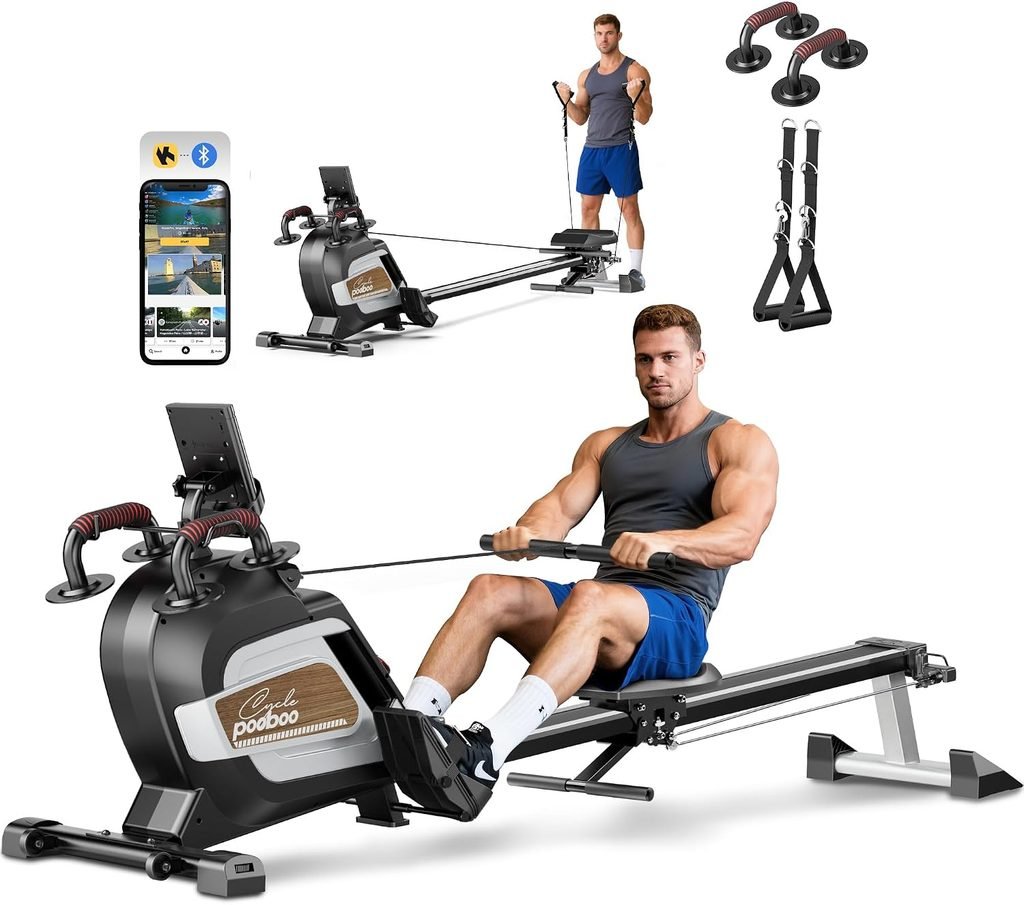
Rowing machines, or “ergs,” have surged in popularity thanks to studios and connected fitness brands that built entire class formats around them. A rowing stroke works the legs, back, core, and arms in a single coordinated movement, making it one of the most efficient full-body cardio options available. Roughly 65 to 75 percent of the power in a proper rowing stroke comes from the legs, not the arms, which surprises a lot of new users.
Rowers also come in different resistance types: air resistance (louder, feels more like real rowing, resistance scales with effort), magnetic resistance (quiet, consistent, adjustable via a dial), and water resistance (mimics the actual feel and sound of rowing on water).
Best for: People who want maximum muscle engagement per minute. Great for building both cardiovascular endurance and functional strength, and for anyone who wants a single machine that doubles as light strength work.
Watch out for: Technique matters enormously. A rowing stroke done with bad form, especially pulling with the arms first instead of driving with the legs, leads to lower back strain quickly. It’s worth spending ten minutes learning the “legs, hips, arms” sequence before pushing intensity.
Stair Climbers and Step Mills
These machines simulate climbing an endless staircase. The most recognizable brand name in this category is so common that the machine itself is often just called by that name, regardless of manufacturer, the same way people say “Kleenex” for any tissue.
Best for: Building serious lower-body endurance and burning calories at a high rate in a short time. A favorite among athletes who need explosive leg power, like basketball and soccer players.
Watch out for: High intensity means it’s not ideal for absolute beginners or anyone with knee sensitivity. Leaning on the handrails reduces the effectiveness of the workout significantly and is one of the most common form mistakes on this machine.
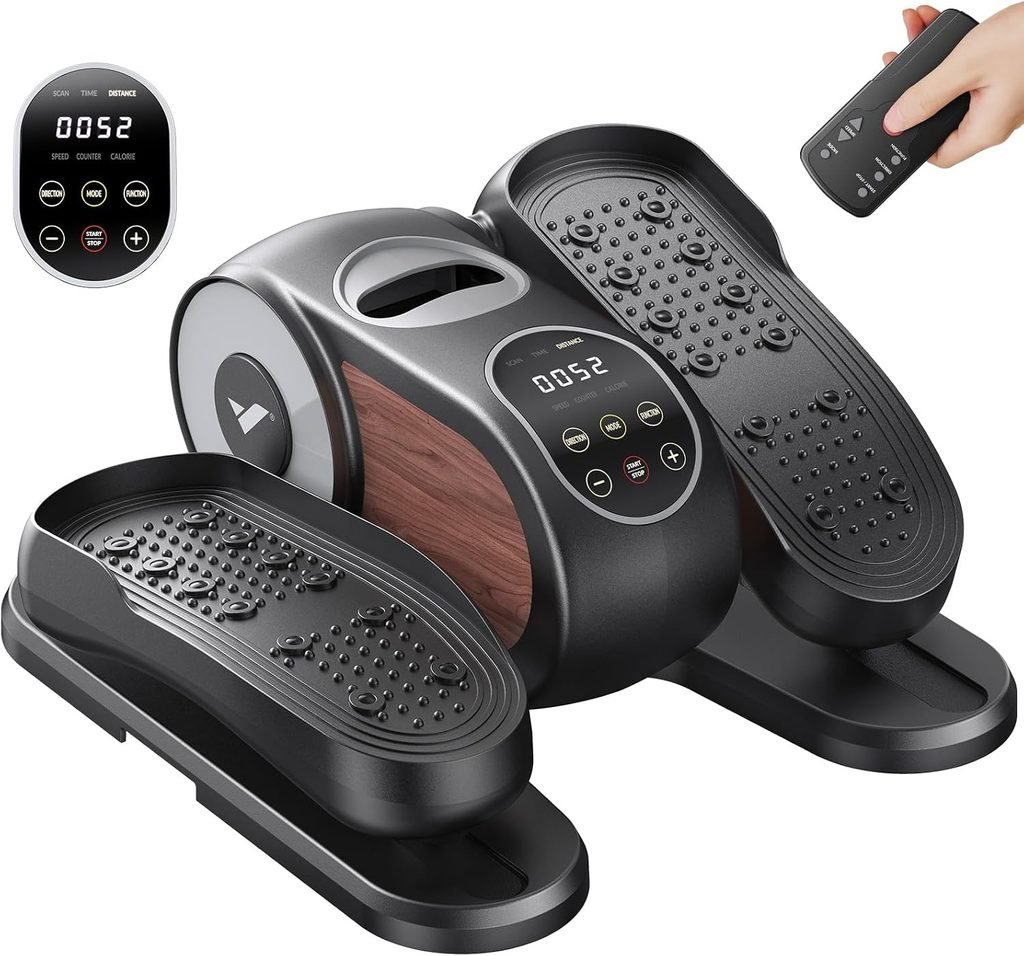
PhysioPedal Under Desk Bike Review
Ski Ergometers
Less common in home gyms but increasingly popular in CrossFit-style facilities, the ski erg mimics the double-pole motion of cross-country skiing. It’s a standing, pulling-dominant movement that heavily engages the lats, core, and shoulders alongside the cardiovascular system.
Best for: People who want to add upper-body-dominant cardio variety to a routine that’s otherwise leg-heavy.
Watch out for: It demands decent shoulder mobility and core stability, so it’s not always the best starting point for complete beginners.
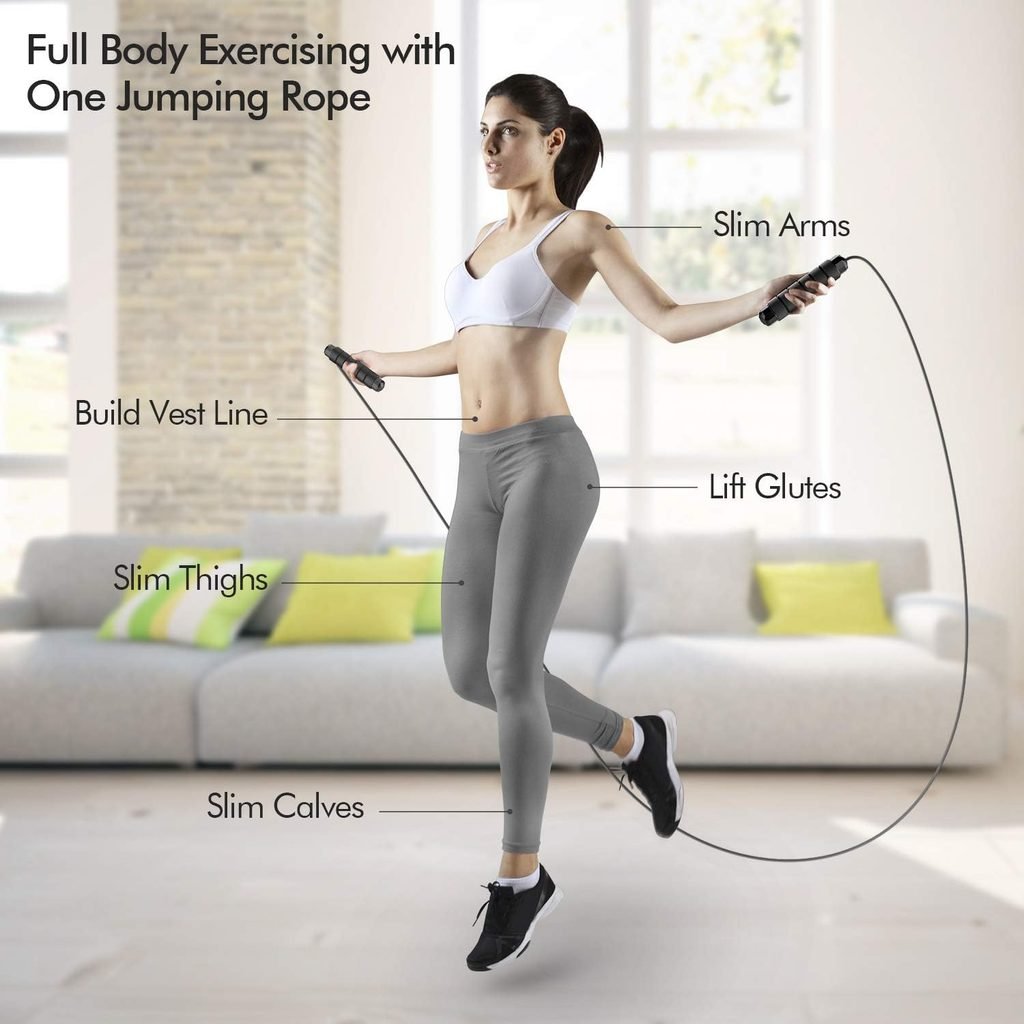
Jump Ropes and Compact Options
Not every piece of cardio equipment is a machine that costs thousands of dollars. Jump ropes, mini steppers, and under-desk cycles offer real cardiovascular benefits in a fraction of the space and cost.
Best for: Small apartments, tight budgets, or anyone who wants to supplement a routine with short, intense bursts of activity. Ten minutes of steady jump rope work can raise your heart rate as effectively as a much longer walk.
Watch out for: Jump rope work is high-impact and requires decent coordination and calf and ankle conditioning to avoid injury. Starting with short one- to two-minute intervals is smarter than trying to jump continuously right away.
Quick Comparison
| Machine | Impact Level | Full-Body Engagement | Typical Home Price | Learning Curve |
|---|---|---|---|---|
| Treadmill | Moderate–High | Low (lower body) | $500–$3,000+ | Low |
| Upright Bike | None | Low (lower body) | $200–$1,500 | Low |
| Recumbent Bike | None | Low (lower body) | $300–$1,500 | Low |
| Elliptical | Very Low | Moderate–High | $400–$2,500 | Moderate |
| Rowing Machine | Low | High | $200–$2,500+ | Moderate–High |
| Stair Climber | Moderate | Moderate | $1,000–$3,000+ | Moderate |
| Ski Erg | Low | High (upper body) | $700–$1,500 | Moderate–High |
| Jump Rope | High | Moderate | $10–$50 | Low–Moderate |
Choosing the Right Machine: A Step-by-Step Approach
Buying or picking cardio equipment isn’t about finding the “best” machine in some universal sense. It’s about matching a machine to your body, your goals, and your real life. Here’s how to work through that decision.
Step 1: Identify your physical constraints first. Before anything else, think about your joints. If you have knee, hip, or lower back issues, prioritize low-impact options like a recumbent bike, elliptical, or rower over a treadmill. If you have no joint concerns, you have more flexibility to choose based on preference alone. If you have any diagnosed condition, check with a doctor or physical therapist before starting a new cardio equipment-based routine.
Step 2: Define what you’re actually training for. Training for a 5K calls for a treadmill, since it mimics the exact movement pattern you’ll use on race day. Training for general health and calorie burn opens the door to any machine. Training to build both strength and endurance points toward a rower, ski erg, or stair climber, since all three demand more from your muscles per session than a purely lower-body machine.
Step 3: Be honest about your space and budget. A full-size treadmill can take up 30 square feet or more once you account for clearance space, plus overhead clearance if you’re tall. A rowing machine can often be stood on end against a wall when not in use. Foldable treadmills and compact bikes exist specifically for smaller homes, though they typically sacrifice some durability and stability compared to commercial-grade models. Set a realistic budget range before you start browsing, since it’s easy to get pulled toward feature-heavy models that cost far more than you need.
Step 4: Try before you commit, whenever possible. Specialty fitness retailers and many gyms allow test sessions. Fifteen minutes on a machine tells you more than any spec sheet. Pay attention to noise level, seat or pedal comfort, stability at higher speeds or resistance, and how intuitive the console controls feel. If you’re buying online without a test, check the return policy carefully.
Step 5: Start with a program, not a guess. Once you have a machine, don’t just hop on and wing it. A simple, structured starting plan for someone new to cardio equipment looks like this:
- Weeks 1–2: Three sessions per week, 15–20 minutes each, at a pace where you can still hold a conversation (Zone 1–2 effort).
- Weeks 3–4: Four sessions per week, 20–25 minutes each, adding light intervals (1 minute harder effort, 2 minutes easy, repeated 4–6 times).
- Weeks 5–6: Four to five sessions per week, 25–30 minutes each, with one longer steady-state session and one interval-based session at Zone 3–4 effort.
- Weeks 7 and beyond: Adjust based on how your body responds. Increase duration before increasing intensity, and add a second interval session only once the first feels manageable.
This kind of gradual build lets your cardiovascular system and your joints adapt together, which is the single biggest factor in whether a habit sticks past the first month.
Matching Equipment to Your Situation
Different people need different machines. Here’s how the decision changes based on common circumstances.
If you’re a beginner with no injury history: A treadmill or upright bike is the easiest entry point. Both have a natural, intuitive motion, and most gyms have several available, so you can experiment without buying anything.
If you’re managing joint pain or recovering from injury: Talk to a doctor or physical therapist first, but generally, recumbent bikes and ellipticals top the list. The seated, supported position of a recumbent bike in particular removes almost all load from the knees and hips, making it one of the most commonly recommended machines in cardiac rehab and physical therapy settings.
If you’re short on time and want maximum efficiency: Rowing machines and stair climbers burn calories at a higher rate per minute than walking-based machines, because they engage more muscle mass simultaneously. A 20-minute rowing interval session can rival a 40-minute walk in overall effort.
If you’re training for a specific sport or event: Match the machine to the movement pattern. Runners train on treadmills. Cyclists train on stationary bikes. Rowers train on ergs. Cross-training on a different machine still has value for recovery days and injury prevention, but specificity matters most in the final weeks before an event.
If space and budget are tight: A quality jump rope costs under $20 and takes up almost no space. A compact folding bike or mini stepper is the next step up, usually well under $300, and still delivers a genuine cardiovascular workout. Bodyweight cardio circuits can also supplement a minimal equipment setup on days you can’t fit in a machine session.
If you’re over 50 or returning to exercise after a long break: Recumbent bikes and ellipticals offer the gentlest entry points, combined with the lowest fall risk. Starting at 10 to 15 minutes and increasing gradually over several weeks is far safer than jumping into a 30-minute session on day one.
If you’re pregnant (with medical clearance): Stationary bikes and ellipticals are commonly recommended over treadmills in later trimesters due to improved balance and stability, though every pregnancy is different and this should always be discussed with an OB-GYN first.
Common Mistakes People Make With Cardio Equipment
Even good equipment gets misused. These mistakes show up constantly, in home gyms and commercial ones alike.
Skipping the warm-up. Jumping straight into a hard pace cold increases injury risk and makes the whole session feel harder than it needs to. Two to three minutes of easy movement first makes a real difference in how the rest of the session feels.
Leaning on handrails or handles. On stair climbers and treadmills especially, gripping the rails takes weight off your legs and skews the calorie and effort data the machine reports. It also builds a habit that won’t transfer to real-world movement or outdoor exercise.
Using the same intensity every single session. A body that always works at the same effort level stops adapting. Mixing steady, moderate sessions with occasional higher-intensity intervals produces better results than doing the identical workout every time, and it also keeps the routine mentally interesting.
Ignoring machine setup. Seat height on a bike, stride length on an elliptical, and incline on a treadmill all need to match your body and goals. A seat set too low on a stationary bike is one of the most common causes of knee pain among new users, and it’s a two-second fix once you know to check for it.
Overestimating calorie counters. Built-in calorie displays on cardio machines are estimates, often generous ones, based on generalized formulas that don’t account for individual body composition. They’re useful for tracking relative effort over time but shouldn’t be treated as precise numbers, especially when comparing across different machine brands.
Buying based on features instead of fit. A machine loaded with touchscreens and streaming classes is worthless if its footprint doesn’t fit your space or its motion doesn’t suit your body. Fit and function should come before extras, no matter how appealing a big screen looks in a showroom.
Neglecting rowing and ski erg technique. These machines reward good form and punish bad form more than most. Spending a session or two learning the proper sequence, legs first, then hips, then arms on the pull, pays off in both performance and injury prevention.
Not adjusting resistance or incline at all. Many users set a comfortable level once and never touch it again. Progressive overload, gradually increasing resistance, incline, or speed over time, is what drives long-term fitness improvements.
Maintenance and Safety Basics
Cardio equipment, especially anything with moving mechanical parts, needs periodic upkeep to stay safe and effective.
- Treadmills: Belts need occasional lubrication (check the manufacturer’s schedule, often every three to six months depending on use) and the belt alignment should be checked periodically to prevent it from drifting to one side.
- Bikes: Pedals and seat posts can loosen over time. A quick monthly check of all bolts prevents wobble or, in rare cases, a pedal coming loose mid-session.
- Ellipticals: The moving joints and rails benefit from occasional lubrication, and squeaking is usually an early warning sign worth addressing before it becomes a bigger mechanical issue.
- Rowing machines: Chain-driven models need the chain kept clean and lightly lubricated. Belt-driven models require less maintenance but should still be inspected periodically.
- General safety: Keep cords and cables out of walking paths, ensure adequate clearance around the machine, and never skip the safety clip on a treadmill if it has one, since it stops the belt immediately if you fall.
Practical Tips for Getting the Most Out of Any Machine
- Track your sessions. Whether it’s the machine’s built-in log, a fitness app, or a simple notebook, tracking pace, duration, and how you felt keeps you honest about progress and makes patterns easier to spot over time.
- Change the incline or resistance regularly. Small adjustments prevent plateaus and reduce the repetitive strain that comes from identical movement patterns session after session.
- Pair cardio with strength training. Cardio equipment builds endurance, but combining it with two to three strength sessions per week protects joints and improves overall fitness far more than cardio alone.
- Prioritize consistency over intensity in the beginning. Four moderate 20-minute sessions per week beat one brutal hour-long session followed by a week off, both physically and in terms of habit-building.
- Maintain your equipment. A well-maintained machine lasts longer, performs more safely, and stays quieter, which matters more than people expect in shared living spaces.
- Use proper footwear. Cross-training or running shoes with adequate cushioning matter more than people expect, especially on treadmills and stair climbers.
- Set a specific time, not just a goal. “I’ll do cardio three times a week” is vaguer and easier to skip than “I do cardio at 7 a.m. on Monday, Wednesday, and Friday.” Specific scheduling consistently outperforms vague intentions.
- Re-evaluate every six to eight weeks. As fitness improves, the same workout stops being challenging. Periodically increasing duration, resistance, or intensity keeps progress moving.
Frequently Asked Questions
How often should I use cardio equipment each week? Most health guidelines point to at least 150 minutes of moderate cardio per week, which breaks down to roughly 30 minutes, five days a week. Beginners can start with less and build up gradually over four to six weeks, using the step-by-step plan outlined earlier in this guide.
Which cardio machine burns the most calories? Rowing machines and stair climbers tend to burn calories at the highest rate per minute because they engage the most muscle mass at once. That said, the machine you’ll actually use consistently will always burn more calories over time than the “best” machine sitting unused in a corner.
Is it bad to use the same cardio machine every day? Not inherently, but variety helps prevent overuse injuries and training plateaus. Alternating between two machines, or mixing steady sessions with interval sessions on the same machine, tends to produce better long-term results than an identical routine every day.
What’s better for weight loss: cardio equipment or strength training? Neither wins outright. Cardio burns more calories during the session itself, while strength training builds muscle that raises resting metabolic rate over time. A combination of both, along with attention to overall diet, produces the best outcomes for most people.
Do I need a gym membership to use good cardio equipment, or is buying my own worth it? It depends on frequency and space. If you’ll use a machine four or more times a week, home equipment often pays for itself within a year or two compared to a gym membership, and it removes the friction of travel time. If your use will be occasional, a gym membership offers more variety without the upfront cost or the maintenance responsibility.
How do I know if a cardio machine fits my body correctly? On a bike, your knee should have a slight bend at the bottom of the pedal stroke, not a fully locked leg. On an elliptical, the stride shouldn’t force your hips to rock side to side. On a treadmill, you should be able to walk or run without reaching forward or leaning back unnaturally. On a rower, your seat height and footplate straps should let your knees track in line with your feet, not collapse inward. If something feels off after a few minutes, it usually is, and small adjustments almost always solve it.
Technology and Modern Features Worth Paying Attention To
Cardio equipment has changed a lot over the past decade, and not just cosmetically. A few features genuinely change how useful a machine is day to day.
Connected fitness and streaming classes. Large touchscreens with on-demand or live classes have become standard on higher-end treadmills, bikes, and rowers. These can be a strong motivator for people who prefer structure and coaching over freeform workouts, but they usually come with a required monthly subscription on top of the equipment cost. If you know you’ll rarely open the app, that ongoing fee isn’t worth paying for.
Auto-adjusting resistance and incline. Some modern machines automatically change resistance or incline mid-workout to match a programmed route or a live instructor’s cues. This removes the need to fiddle with buttons mid-session, though it’s a convenience feature rather than a necessity.
Bluetooth and app syncing. The ability to sync workout data automatically to a phone or a fitness app matters more than it sounds. Manually logging every session is one of the small frictions that causes people to eventually stop tracking altogether, and tracking is one of the strongest predictors of long-term adherence.
Foldability and space-saving design. For treadmills especially, a hydraulic folding mechanism that lets the deck stand upright against a wall has become common even in budget models. This single feature makes home cardio equipment realistic for apartments and multi-use rooms where a permanent 30-square-foot footprint isn’t practical.
Quiet operation. Magnetic resistance on bikes and rowers, along with belt-driven (rather than chain-driven) mechanisms, significantly reduce noise. This matters more than buyers expect, particularly in apartments, shared homes, or households with early risers and late sleepers under the same roof.
None of these features replace the fundamentals covered earlier in this guide. A machine with every modern convenience still needs to fit your body, your space, and your actual habits to be worth the investment.
Cost of Ownership and Long-Term Considerations
The sticker price of a machine is only part of the real cost. A few additional factors are worth budgeting for before making a purchase.
Delivery and assembly. Larger machines, particularly treadmills and step mills, often require professional delivery and assembly, which can add anywhere from $50 to a few hundred dollars depending on the retailer and your location.
Subscription fees. As mentioned above, many connected machines require an ongoing monthly fee to access their full feature set, sometimes $30 to $50 a month. Over a few years, this can add up to more than the machine itself cost.
Replacement parts. Treadmill belts, bike pedals, and rowing machine chains or straps all wear out eventually with regular use. Buying from a brand with accessible replacement parts and decent customer support saves headaches years down the line.
Electricity use. Motorized treadmills draw more power than manually powered machines like most bikes, rowers, and ellipticals. This is a minor cost in most households but worth knowing if you’re running a machine daily.
Resale value. Well-known, well-maintained cardio equipment tends to hold resale value reasonably well in the used fitness equipment market, which is worth keeping in mind if there’s a chance your needs or space might change in a few years.
Weighing these ongoing costs against a comparable gym membership, which typically runs $10 to $60 a month depending on the type of gym, helps clarify whether buying equipment or paying for access makes more financial sense for your specific situation.
Should I buy a used cardio machine to save money? It can be a smart move, especially for simpler machines like bikes and rowers that have fewer electronic components to fail. Treadmills are riskier used purchases because motor wear isn’t always visible, so ask about age, usage frequency, and whether the belt has been replaced before buying secondhand.
Final Thoughts
The right cardio equipment is the one that matches your body, fits your space, and fits into your actual life, not the one with the most impressive spec sheet or the biggest touchscreen. A recumbent bike used four times a week beats a treadmill used four times a year, every time.
Start with an honest look at your joints, your goals, and your available space. Pick a machine that fits those constraints, ease into it with a structured plan, and pay attention to your form from day one. Consistency, more than any single piece of equipment, is what actually moves the needle on cardiovascular health.
If you’re just getting started, pick one machine from this guide, commit to three sessions a week for the next month, and build from there.
Please visit us for more detail # www.LoookNow.com

I’m an SEO content writer and product researcher with experience creating well-researched product reviews, comparisons, buying guides, affiliate articles, and helpful website content. At LoookNow, I focus on researching products, comparing features and value, and creating clear, engaging, search-optimized content to help readers make more informed purchasing decisions. My goal is to provide useful, trustworthy, and easy-to-understand information that saves readers time and reduces confusion when choosing products online.