
Affiliate Disclosure: This article contains affiliate links. If you make a purchase through one of these links, we may earn a small commission at no extra cost to you.
Introduction.
Six-pack abs get all the attention, but a strong core does a lot more than look good. It keeps your spine stable, protects your lower back, and makes almost every other exercise, from squats to push-ups, feel easier and safer.
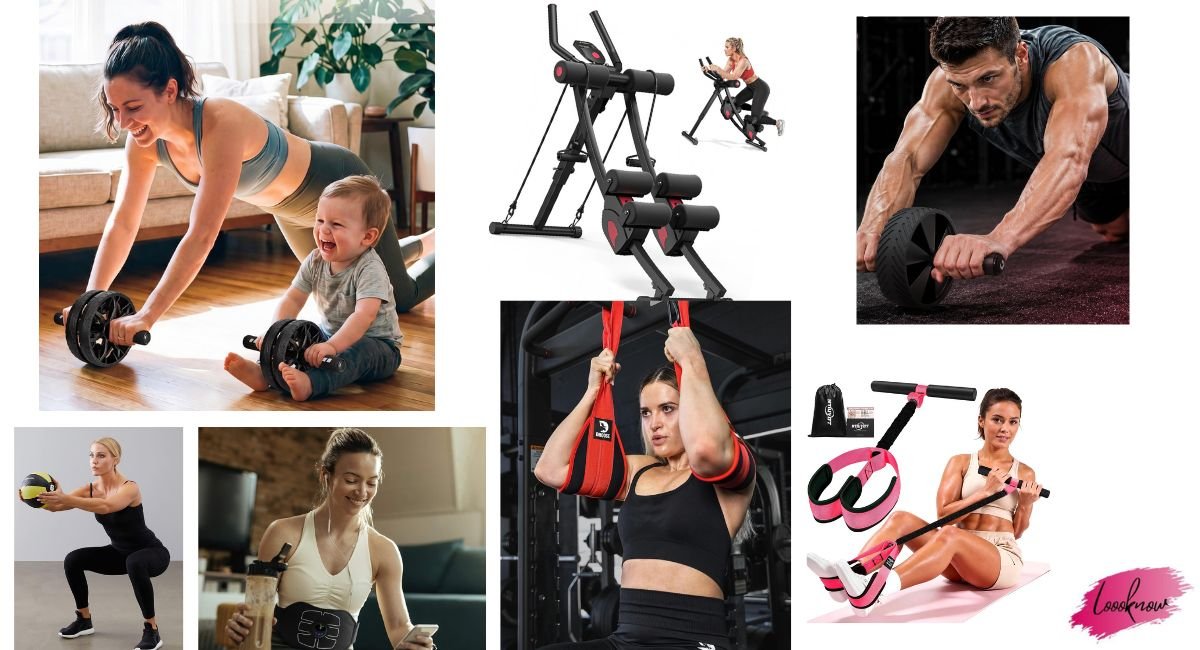
The good news is you don’t need a gym membership or a room full of machines to train it. A handful of simple tools, an ab wheel, a set of sliders, a few resistance bands, can build real core strength right in your living room.
This guide walks through the most popular core abs equipment available in the US today. You’ll learn how each tool works, which one fits your fitness level and budget, how to use it safely, and the mistakes that quietly stop most people from seeing results. By the end, you’ll know exactly what to add to your home gym and how to use it with confidence.
Why Core Strength Matters More Than a Six-Pack
Most people think “core training” means chasing visible abs. But your core does a lot more than look good in the mirror.
Your core includes several muscle groups working together: the rectus abdominis (the “six-pack” muscle), the internal and external obliques, the transverse abdominis, and the muscles along your lower back. Together, they stabilize your spine, support good posture, and protect you from injury during everyday movements like lifting groceries, bending down to tie your shoes, or twisting to grab something behind you.
According to the American Council on Exercise, a strong core improves balance, reduces lower back pain, and makes almost every other exercise more effective, from squats to overhead presses. This is why core training shows up in nearly every serious strength program, not just as an afterthought tacked onto the end of a workout.
A weak core has consequences beyond appearance. Physical therapists commonly point to poor core stability as a contributing factor in chronic lower back pain, one of the most common reasons American adults miss work or visit a doctor. Strengthening your core with the right tools can reduce that risk over time.
The right equipment can make core training more effective by adding resistance, increasing range of motion, or forcing your body to stabilize in ways bodyweight exercises alone cannot. That’s the real value of ab equipment. It’s not about shortcuts. It’s about training smarter.
How Core Abs Equipment Actually Works
Most ab tools fall into one of three categories based on how they challenge your muscles. Understanding these categories helps you choose tools that match your current fitness level instead of grabbing whatever looks impressive in an online ad.
Instability tools force your core to work harder to keep you balanced. Ab wheels, sliders, and stability balls fall into this group. As your hands or feet move away from your center of gravity, your core has to fight to keep your spine stable and your hips level.
Resistance tools add extra load to standard movements. Ab straps, resistance bands, weighted vests, and medicine balls increase the difficulty of exercises like hanging leg raises, Russian twists, or standing rotations.
Guided-motion tools control the movement path for you, which is often easier on the lower back and simpler to learn. Ab benches, captain’s chairs, and rollers with tracks fit this category, and they’re a common starting point for people new to core training.
Most well-rounded core routines use a mix of all three. Relying only on one type, especially instability tools before you’ve built a base level of strength, is a common reason people get frustrated or hurt.
The Main Types of Core Abs Equipment
Here’s a detailed breakdown of the equipment you’ll see most often on Amazon and in fitness stores across the US, along with who each tool tends to work best for.
Ab Wheels
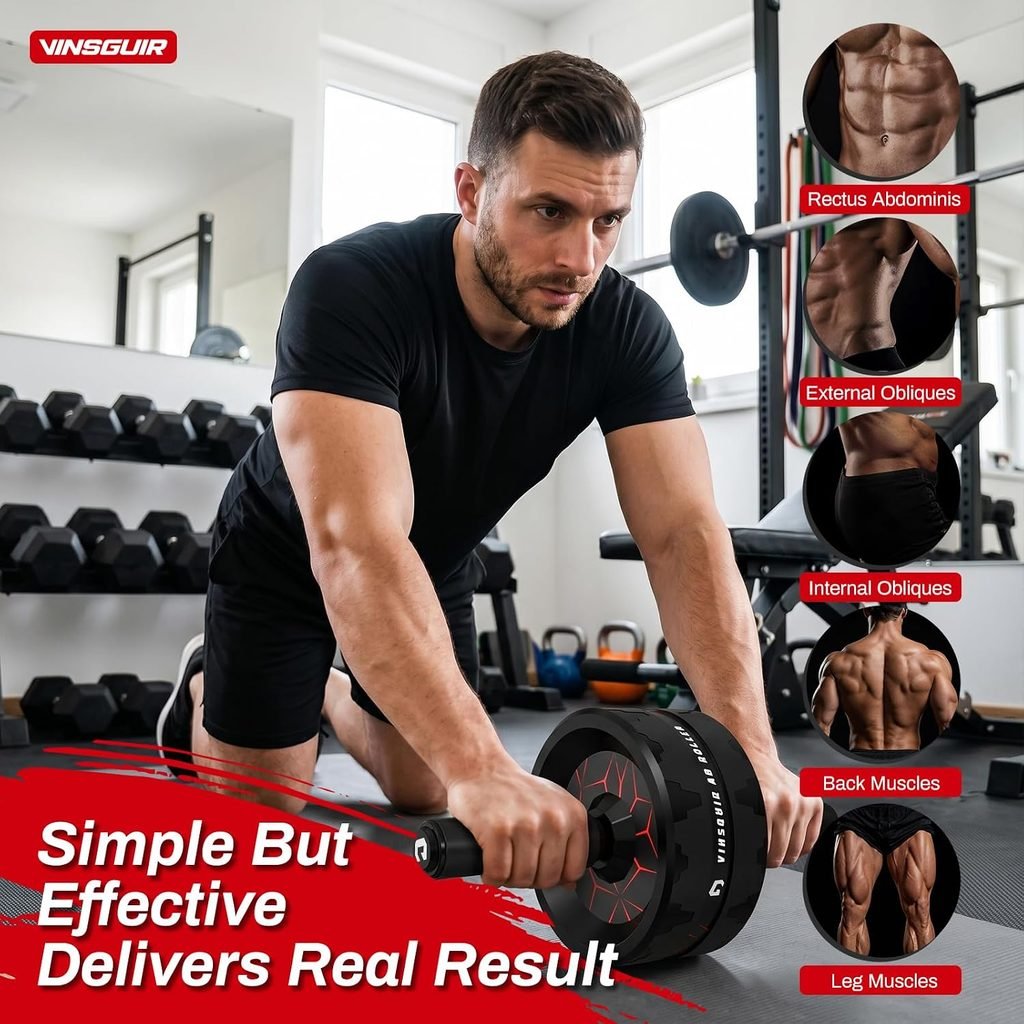
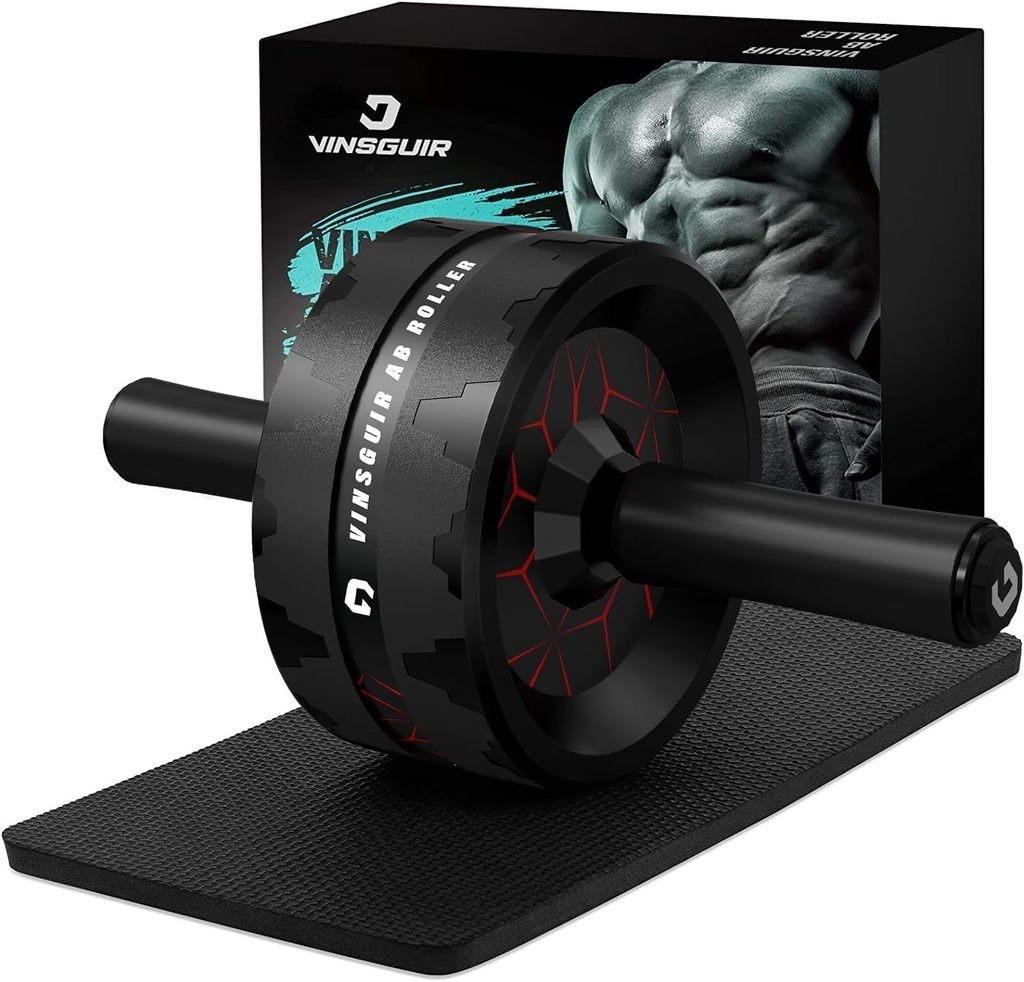
The ab wheel is one of the simplest and most effective core tools available. It’s a small wheel, sometimes two wheels side by side, with handles on either side. You kneel down, grip the handles, and roll forward while keeping your core tight, then pull back to the starting position.
Ab wheels target the rectus abdominis, obliques, shoulders, and even the lats, since your upper body has to stabilize the entire movement. A popular option like the Perfect Fitness Ab Carver Pro uses a curved track that guides the wheel in a smooth arc, which many users find easier on the lower back than a straight-wheel design.
Dual-wheel versions offer slightly more side-to-side stability, which can be helpful for beginners still building balance and control. Single-wheel versions demand more stabilization and tend to suit intermediate or advanced users.
Ab Straps
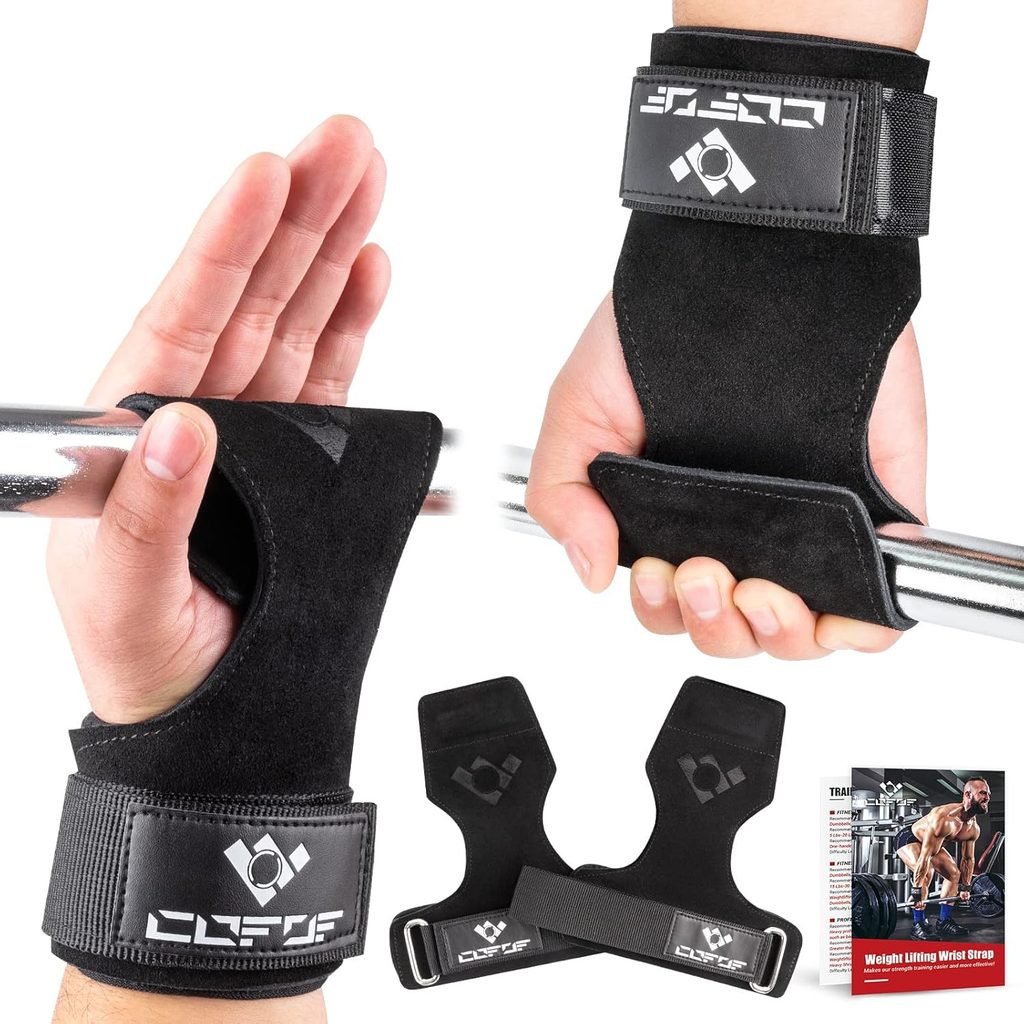
Ab straps, sometimes called ab slings, attach to a pull-up bar. You slide your forearms through the straps and let them support your body weight while you lift your knees or legs toward your chest.
This tool is popular with people who already have a pull-up bar at home, since it turns hanging leg raises into a much more comfortable exercise by removing grip fatigue from the equation. Brands like Valeo and ProSource make budget-friendly versions that clip on and off in seconds, which matters if you’re sharing a pull-up bar with other attachments.
Sliders (Core Discs)
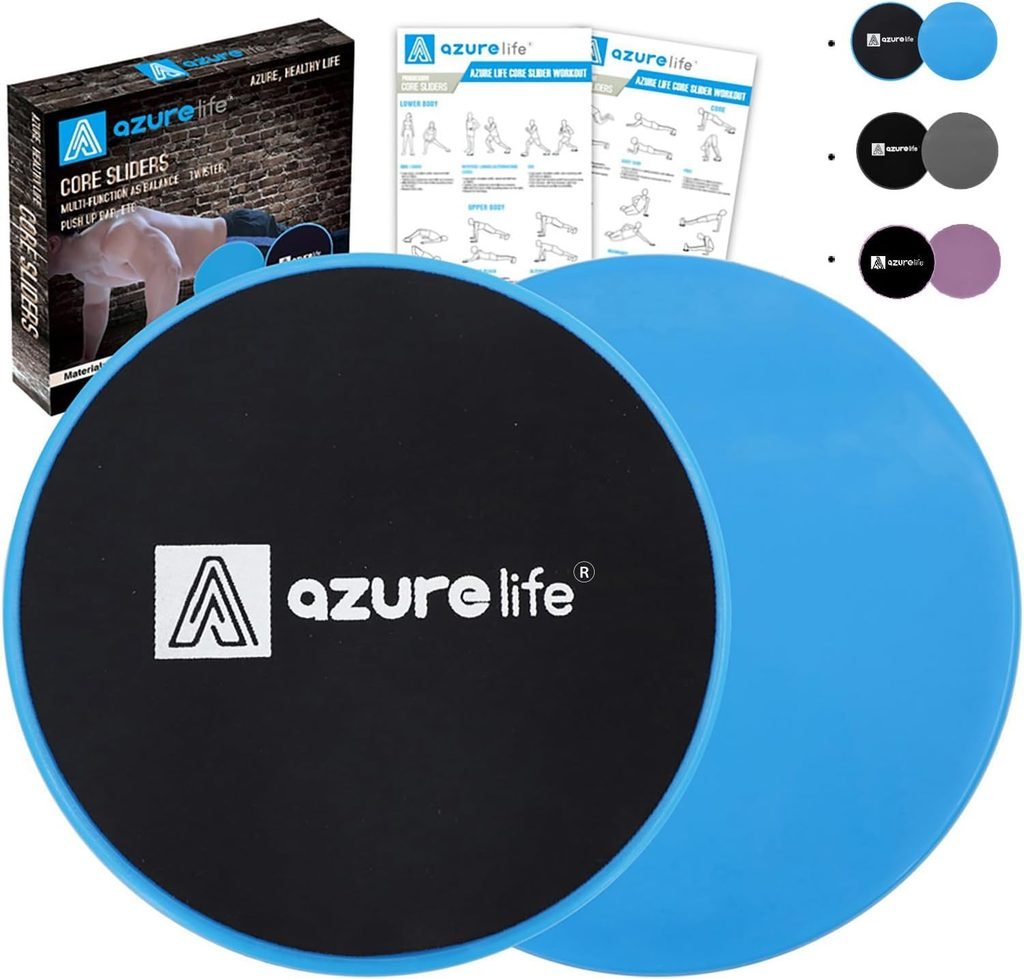
Sliders are small discs that go under your hands or feet, letting you glide smoothly across a hard floor or carpet. Exercises like mountain climbers, plank slides, and pike slides become significantly harder because your core has to control the sliding motion instead of relying on the floor for stability.
Sliders are compact, cheap, and travel-friendly, which makes them a favorite for people who work out in small apartments or bring equipment on trips. Many sliders are dual-sided, with a smooth side for hardwood floors and a fabric side for carpet.
Ab Rollers with Knee Pads
Some ab rollers come bundled with a kneeling mat or knee pad to reduce pressure on the knees during rollouts. This small addition makes a noticeable difference for anyone doing rollouts on hardwood or tile floors, and it’s worth prioritizing if your home doesn’t have carpeted rooms.
Ab Benches and Sit-Up Boards
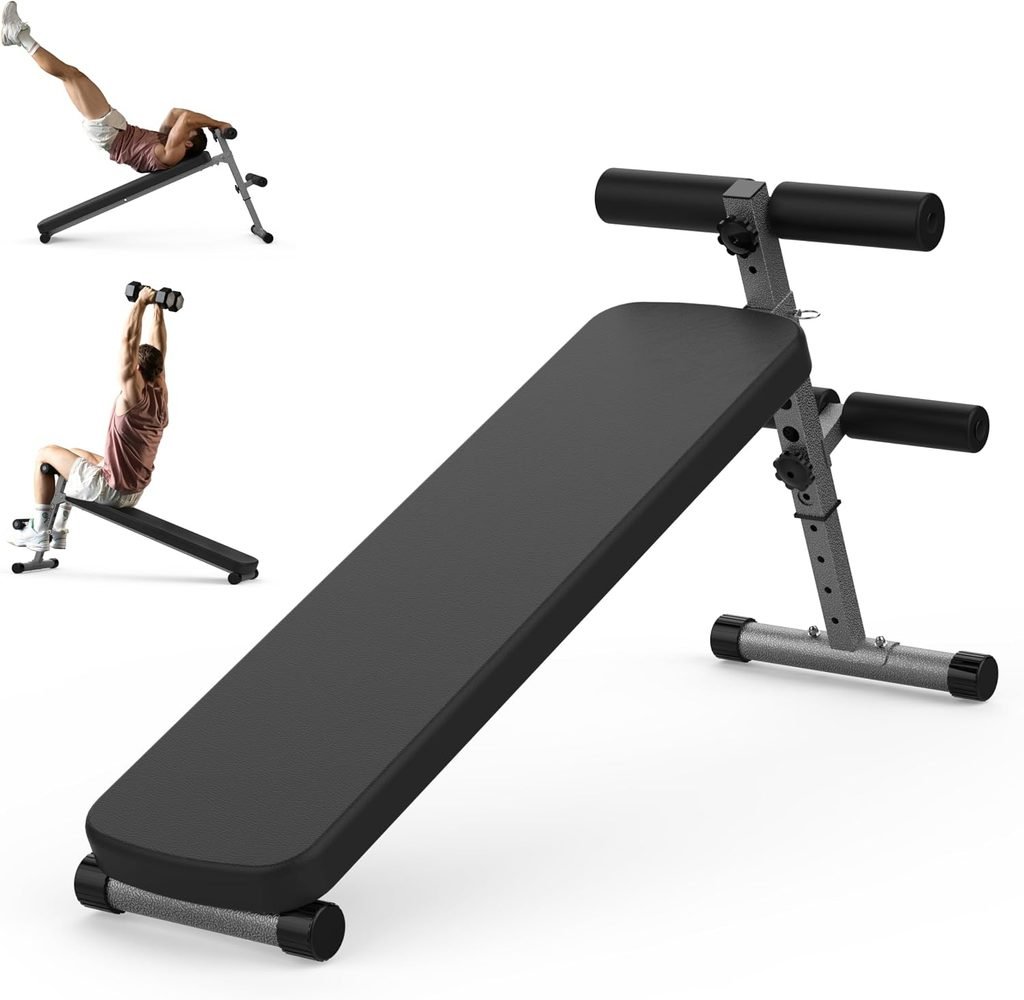
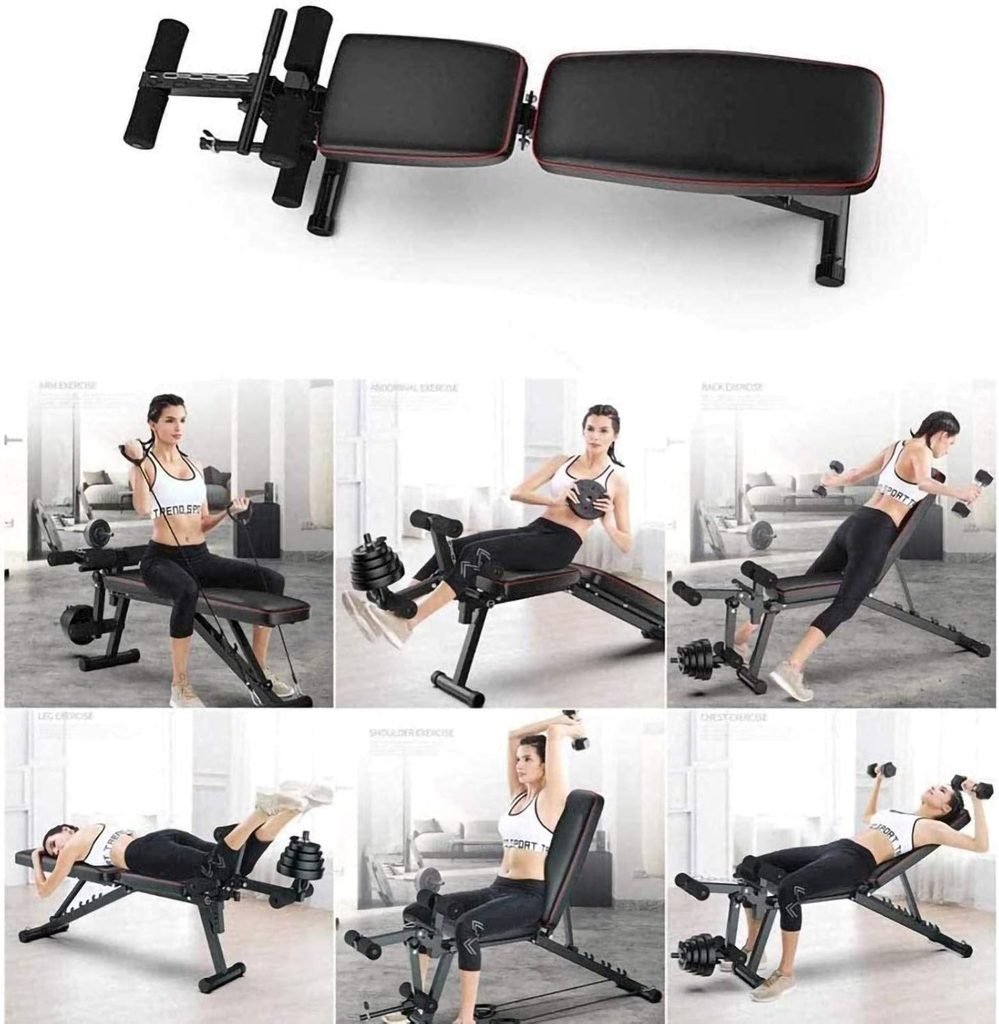
An ab bench is an angled board, often adjustable, that you lie back on to perform sit-ups or crunches. Because the incline works with gravity, ab benches add resistance without needing extra weight, and steeper angles increase the challenge.
Some models include leg locks that keep your feet secure, which is useful for anyone whose feet tend to lift off the ground during sit-ups. The Body-Solid GAB-60 is one example frequently mentioned in home gym reviews for its stable frame and adjustable incline settings.
Captain’s Chair (Vertical Knee Raise Station)
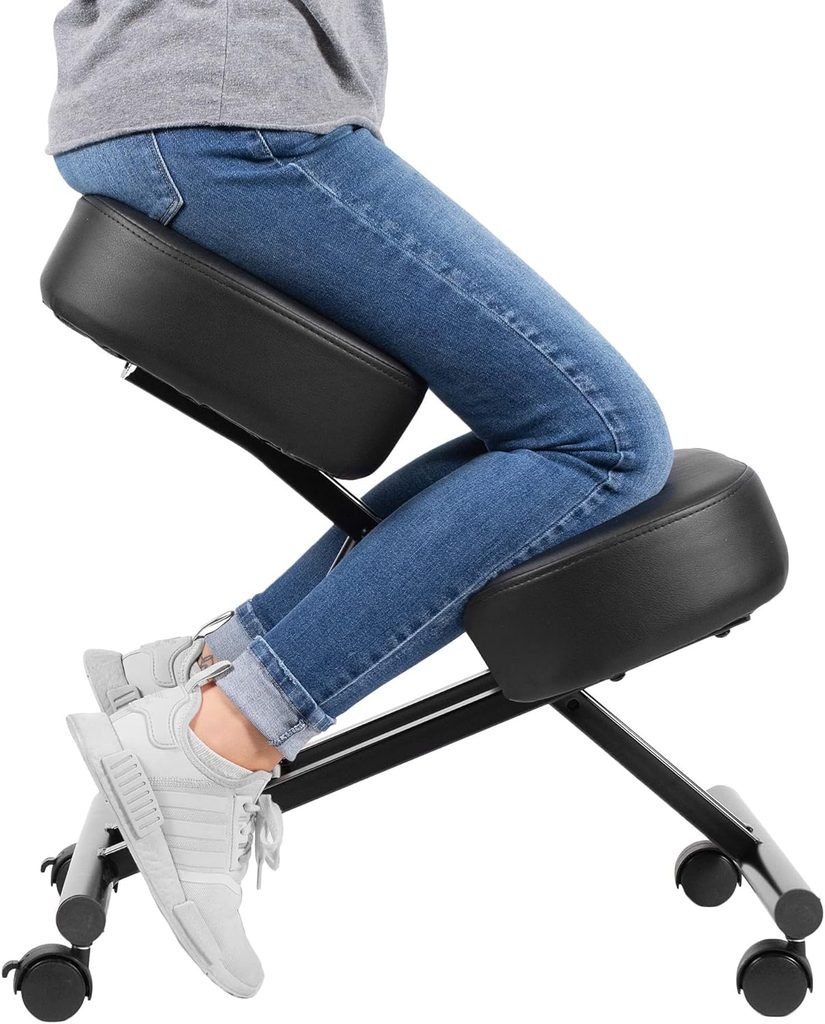
A captain’s chair is a standing frame with padded armrests and a backrest. You support your body weight on your forearms and lift your knees toward your chest, similar to ab straps but with more stability since your arms are locked into a fixed position instead of hanging.
This tool works well for people who find hanging leg raises uncomfortable on their shoulders, since the captain’s chair takes some of that strain away. It’s bulkier than most other options, so it suits home gyms with dedicated space more than small apartments.
Stability Balls
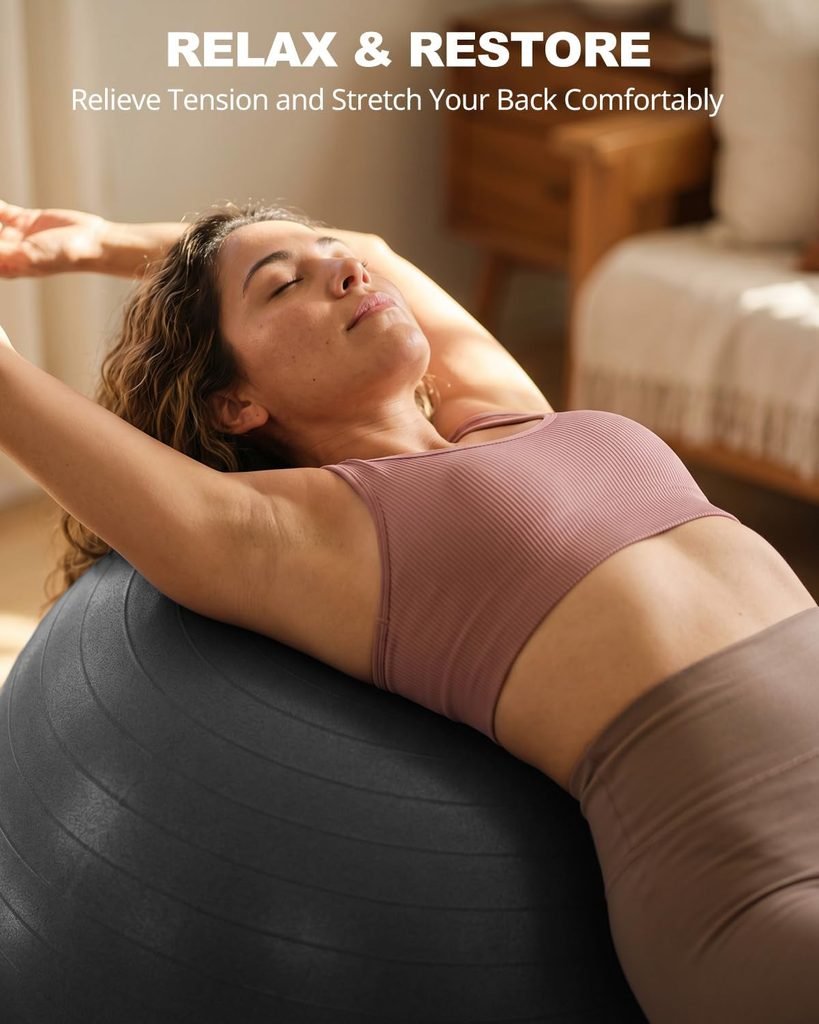
A stability ball, also called a Swiss ball, adds an unstable surface for exercises like ball crunches, planks, and rollouts. Because the ball shifts under your body, your core has to engage constantly just to maintain position, even before you start the actual exercise.
Stability balls are inexpensive and double as a tool for stretching and mobility work, which adds value beyond core training alone.
Resistance Bands for Core Work
Resistance bands aren’t designed exclusively for abs, but they’re one of the most versatile tools for core training. Exercises like Pallof presses, banded wood choppers, and standing rotations build rotational core strength, which most standalone ab machines don’t target well.
Bands are also extremely portable and inexpensive, making them a smart addition to almost any home gym setup, and they’re gentle enough for people easing back into exercise after a break or minor injury.
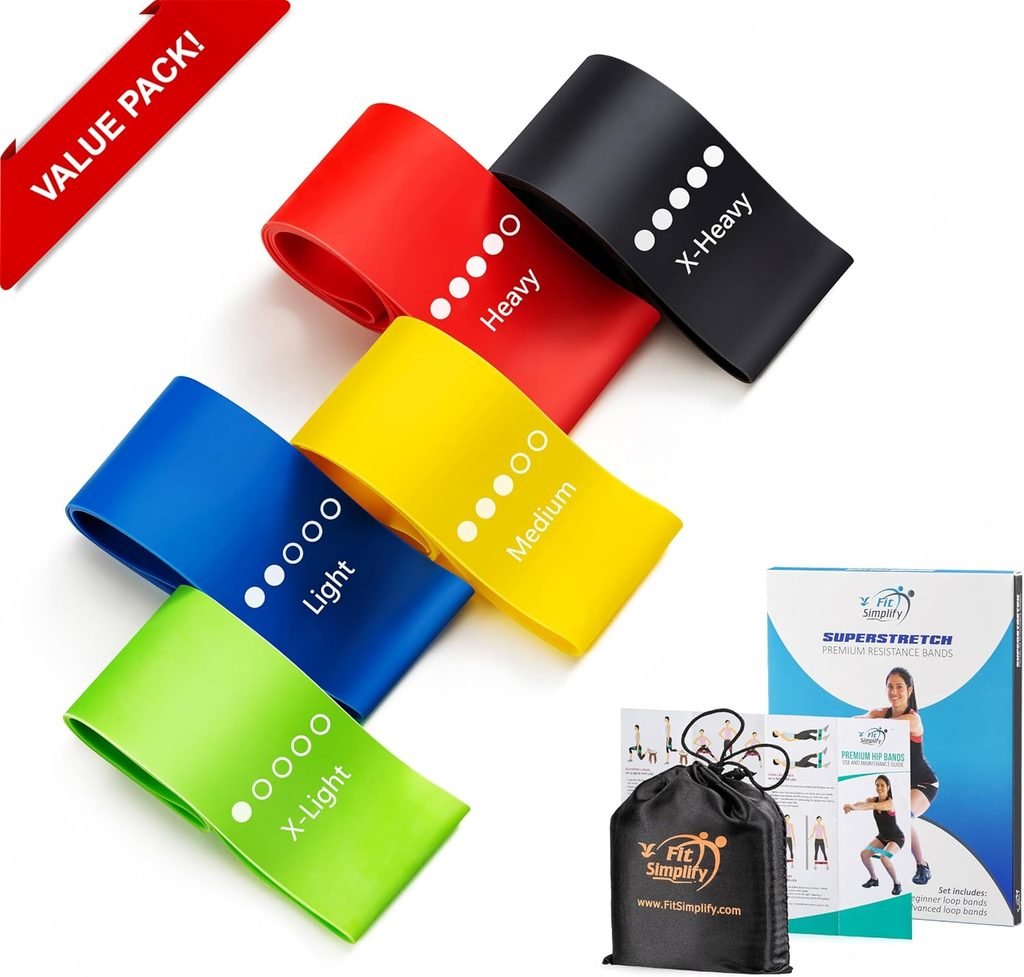
Weighted Ab Equipment
Weighted vests, ab wheels with resistance settings, and medicine balls fall into this category. These tools are typically used by people who have built a base level of core strength and need extra resistance to keep progressing.
A 10-pound medicine ball, for example, can turn a basic Russian twist into a much more demanding exercise. Weighted vests add resistance to bodyweight moves like sit-ups or hanging leg raises without requiring separate equipment for each exercise.
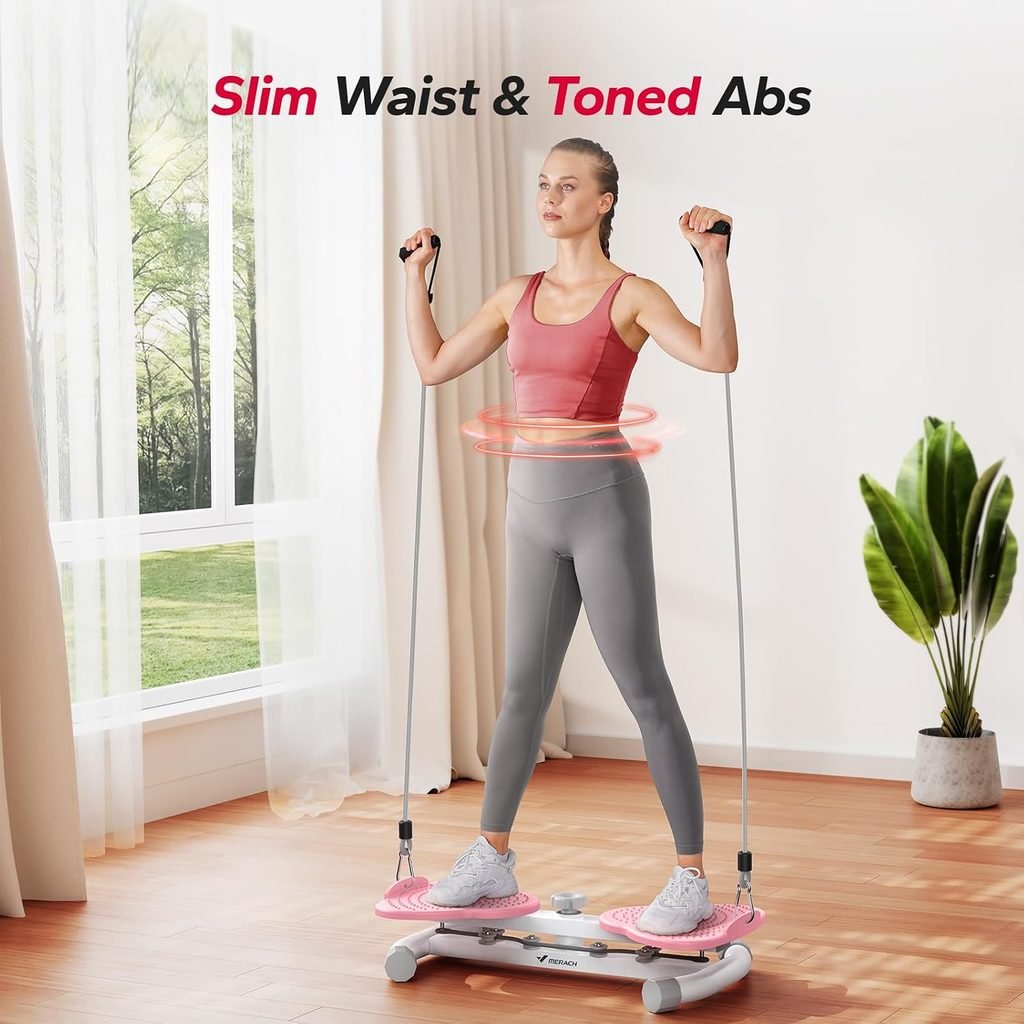
Ab Twist Boards
An ab twist board is a small rotating platform you stand on while twisting your torso side to side. It’s marketed heavily for “waist trimming,” though it’s worth noting that spot reduction of fat in one area isn’t supported by exercise science. Twist boards can still be useful for building rotational endurance in the obliques, just not as a standalone fat-loss tool.
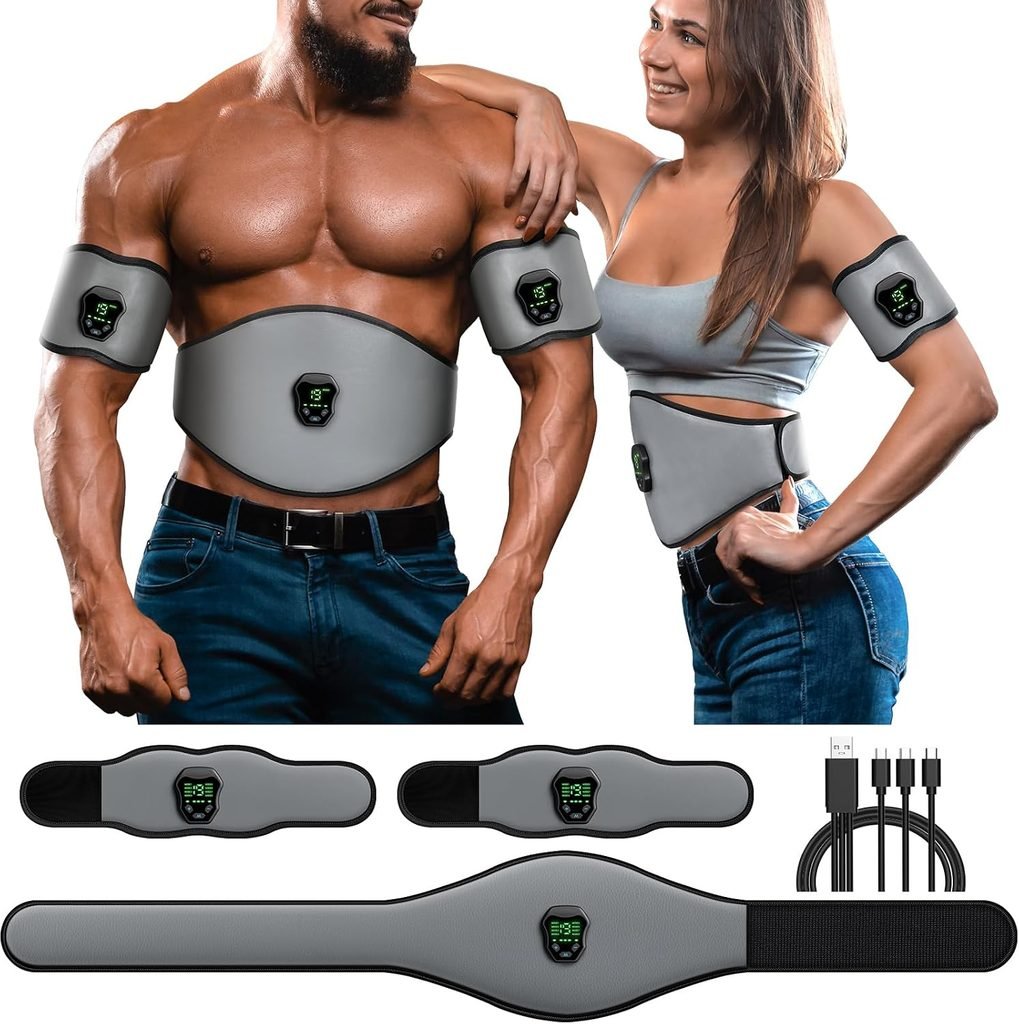
EMS Ab Stimulators: A Word of Caution
Electronic muscle stimulation (EMS) belts are widely advertised as a way to build abs without exercise. It’s worth setting realistic expectations here. EMS devices can cause muscle contractions, but they aren’t a substitute for resistance training when it comes to building strength or definition. Most fitness professionals treat them as a minor recovery or activation tool at best, not a primary piece of ab equipment.
Comparison Table: Core Abs Equipment at a Glance
| Equipment | Best For | Space Needed | Price Range | Difficulty |
|---|---|---|---|---|
| Ab Wheel | Full core, shoulders | Minimal | $15–$40 | Intermediate |
| Ab Straps | Pull-up bar owners | Minimal | $10–$25 | Intermediate |
| Sliders | Small spaces, travel | Minimal | $8–$20 | Beginner–Intermediate |
| Ab Bench | Beginners, incline crunches | Moderate | $50–$200 | Beginner |
| Captain’s Chair | Home gyms, shoulder-friendly raises | Large | $80–$250 | Intermediate |
| Stability Ball | Beginners, stretching | Moderate | $15–$30 | Beginner |
| Resistance Bands | Rotational core strength | Minimal | $10–$30 | Beginner–Advanced |
| Weighted Vest/Medicine Ball | Advanced progression | Minimal | $20–$150 | Advanced |
How to Choose the Right Core Abs Equipment
With so many options, picking the right tool comes down to five factors.
Your fitness level. Beginners often do better starting with an ab bench, stability ball, or sliders, since these tools control the movement and reduce strain on the lower back. Ab wheels and hanging ab straps require more core stability and are usually better suited for intermediate or advanced users who have already built a foundation.
Your available space. Sliders and resistance bands take up almost no room and can be stored in a drawer. Ab benches and captain’s chairs need a dedicated floor area, which matters if you live in a small apartment or share a workout space with other equipment.
Your budget. If you’re just getting started, sliders or an ab wheel let you test whether you’ll stick with home core training before investing more. Save larger purchases like a captain’s chair for once you know core training is a habit you’ll keep.
Your goals. If your main goal is building visible ab definition, rollouts and weighted crunches are effective, though results also depend heavily on diet. If your goal is functional strength and injury prevention, resistance bands and Pallof presses that train rotation and anti-rotation may serve you better.
Any injury history. If you have existing lower back issues, tools that involve spinal flexion under load, like deep ab wheel rollouts, may not be the best starting point. Sliders, bands, and stability ball work tend to be gentler alternatives, though it’s always worth checking with a doctor or physical therapist before starting a new routine if you have a history of back pain.
Step-by-Step Tutorial: How to Use the Most Common Ab Tools Safely
How to Use an Ab Wheel
- Kneel on a mat or cushioned surface with the wheel in front of you.
- Grip the handles with both hands and keep your core braced.
- Slowly roll the wheel forward, extending your body as far as you can control without letting your hips sag.
- Pause briefly, then engage your core to pull the wheel back to the starting position.
- Start with 5 to 8 reps for 2 to 3 sets, and only extend further once you can maintain a straight spine throughout the movement.
Common error to watch for: letting the hips drop toward the floor mid-roll. This shifts the work away from your abs and onto your lower back.
How to Use Ab Straps
- Attach the straps securely to a pull-up bar and check that they’re locked in place.
- Slide your forearms through the loops so they support your upper arms, not just your wrists.
- Hang with your feet off the ground and your core engaged.
- Slowly raise your knees toward your chest, then lower with control.
- Aim for 8 to 12 reps for 3 sets, avoiding any swinging or momentum.
Common error to watch for: using momentum to swing the legs up. Slow and controlled reps build far more core strength than fast, jerky ones.
How to Use Sliders
- Place the sliders under your hands or feet, depending on the exercise.
- For a plank slide, start in a push-up position with sliders under your feet.
- Slowly pull your knees toward your chest, keeping your core tight, then slide back out.
- Move slowly. Sliders are far less effective if you rush the motion.
- Do 8 to 10 controlled reps for 2 to 3 sets.
Common error to watch for: letting the lower back sag during the plank position. Keep your body in a straight line from shoulders to heels.
How to Use an Ab Bench
- Adjust the incline to a level that challenges you without causing strain.
- Lock your feet under the leg pads if your bench has them.
- Lie back, then curl your torso upward using your abs, not your neck or arms.
- Lower back down with control instead of dropping quickly.
- Perform 12 to 15 reps for 3 sets, increasing incline gradually as you get stronger.
Common error to watch for: pulling on the neck with your hands. Keep your hands lightly touching your ears or crossed over your chest instead.
How to Use a Captain’s Chair
- Position yourself on the pads with your back against the backrest and forearms on the armrests.
- Grip the handles and keep your torso upright.
- Slowly raise your knees toward your chest, focusing on using your abs rather than swinging your legs.
- Lower your legs with control back to the starting position.
- Perform 10 to 12 reps for 3 sets, resting as needed between sets.
How to Use a Stability Ball for Core Work
- Sit on the ball, then walk your feet forward until your lower and mid back rest on the ball and your knees are bent at roughly 90 degrees.
- Place your hands behind your head or crossed over your chest.
- Curl your torso upward, focusing on contracting your abs rather than pulling with your neck.
- Lower back down slowly, letting the ball guide the motion.
- Perform 12 to 15 reps for 2 to 3 sets.
Best Core Abs Equipment by Situation
Best for small apartments: Sliders and resistance bands. Both pack into a drawer and require no assembly or dedicated floor space.
Best for beginners: Ab bench or stability ball. These offer more control and support for people new to core training, with a lower learning curve than instability tools.
Best for advanced training: Ab straps, captain’s chair, and weighted ab equipment. These demand more stability and strength, which experienced users tend to have already developed.
Best budget option: A basic ab wheel or slider set under $20 gives you a full workout without a big investment.
Best for home gyms with a pull-up bar: Ab straps pair naturally with equipment you likely already own, letting you get more use out of your existing setup.
Best for travel: Resistance bands and sliders. Both fold flat, weigh almost nothing, and fit easily into a suitcase or gym bag.
Best for people with lower back concerns: Sliders, resistance bands, and stability ball work, which generally place less direct load on the spine than deep rollouts or heavy weighted crunches.
A Sample Weekly Core Training Plan Using This Equipment
Here’s an example of how these tools can fit into a simple weekly routine. Adjust reps and sets based on your current fitness level.
Monday: Stability Focus
Ab wheel rollouts, 3 sets of 6 to 10 reps. Slider plank walkouts, 3 sets of 8 reps. Rest 60 to 90 seconds between sets.
Wednesday: Rotational Focus
Banded wood choppers, 3 sets of 10 reps per side. Ab twist board, 2 sets of 30 seconds. Pallof press with resistance band, 3 sets of 10 reps per side.
Friday: Hanging and Loaded Work
Ab straps knee raises, 3 sets of 8 to 12 reps. Weighted crunches on an ab bench, 3 sets of 12 to 15 reps.
Leave at least one rest day between core-focused sessions. Your abs, like any other muscle group, need recovery time to adapt and get stronger.
Common Mistakes People Make With Ab Equipment
Using momentum instead of control. Swinging through reps on ab straps or rushing through an ab wheel rollout reduces how much your core actually works and increases injury risk.
Skipping the warm-up. Jumping straight into rollouts with cold muscles is one of the fastest ways to strain your lower back. A short warm-up of light cardio or dynamic stretching goes a long way.
Only training the front of the core. Many people focus entirely on crunches and rollouts, which mainly target the rectus abdominis, while ignoring rotational and anti-rotation work that strengthens the obliques and deep core muscles.
Overextending on the ab wheel. Rolling out too far before you have the core strength to control the movement often causes the lower back to sag, putting stress on the spine instead of the abs.
Expecting visible abs from ab work alone. Core exercises build muscle, but visible definition depends heavily on body fat percentage, which comes down to overall diet and total body training, not just ab exercises.
Training abs every single day. Muscles grow and repair during rest, not during the workout itself. Training the core daily without recovery time can slow progress rather than speed it up.
Ignoring form cues like neutral spine. Rounding the lower back excessively during sit-ups or crunches puts extra pressure on the spinal discs. Keeping a slight, natural curve in the lower back is safer over the long run.
Buying equipment based on trends instead of goals. Ab twist boards and EMS belts are heavily marketed, but they don’t replace tools that build real strength, like ab wheels, bands, and weighted work.
Pro Tips for Getting the Most Out of Your Core Equipment
Breathe out as you contract your core during each rep. Holding your breath increases pressure and reduces how effectively your abs engage.
Rotate between different tools throughout the week. Using an ab wheel one day and resistance bands for rotational work another day trains your core from multiple angles instead of overloading the same movement pattern.
Keep reps slow and controlled. Fitness trainers commonly note that a slower tempo increases time under tension, which tends to build strength more effectively than fast, sloppy reps.
Track your progress. Whether it’s adding one more rep to your ab wheel set or increasing incline on your ab bench, small consistent progress adds up over months.
Pair equipment with a stable surface. A yoga mat under sliders or an ab wheel protects your knees and gives you better traction than a bare floor.
Combine core equipment with overall strength training. Compound lifts like squats and deadlifts also engage the core heavily, so equipment-based ab work works best as part of a full training program, not a replacement for it.
Equipment Care and Maintenance Tips
Wipe down straps, bands, and handles after each use to prevent sweat buildup, which can break down materials faster over time.
Store resistance bands away from direct sunlight, since UV exposure can cause rubber to degrade and crack.
Check ab wheel bearings periodically to make sure they still roll smoothly. A wheel that sticks or wobbles can throw off your balance mid-rep.
Inspect ab strap clips and pull-up bar attachments regularly for wear, especially if you use them several times a week. A frayed strap is a safety risk worth catching early.
Frequently Asked Questions
Is an ab wheel enough for a full core workout?
An ab wheel is a strong tool for the front of your core, but pairing it with rotational exercises like banded wood choppers gives you a more complete core workout that also targets the obliques.
How often should I use ab equipment?
Most fitness guidelines suggest training the core 3 to 4 times per week, with at least one rest day between sessions to let the muscles recover.
Can beginners use an ab wheel safely?
Yes, as long as beginners start with partial rollouts and focus on control rather than range of motion. Kneeling on a cushioned mat also helps reduce strain while building strength.
Do ab straps work better than regular hanging leg raises?
Ab straps reduce grip fatigue by supporting the forearms, which lets you focus entirely on the core movement instead of your grip strength giving out first.
What’s the best ab equipment for someone with lower back pain?
Sliders and resistance band work, such as Pallof presses, are generally gentler on the lower back than deep ab wheel rollouts, since they involve less spinal flexion under load. Anyone with a history of back pain should check with a doctor before starting a new routine.
Will ab equipment alone give me visible abs?
No single piece of equipment can do that on its own. Visible abs depend mostly on body fat percentage, which is driven by diet and overall activity level, alongside consistent core training.
Final Thoughts
Building a strong core doesn’t require an expensive gym setup. A slider set, resistance bands, or an ab wheel can deliver real results when you use them consistently and with good form.
Start with equipment that matches your current fitness level, focus on slow and controlled reps, and rotate between tools that challenge your core from different angles. Over time, that consistency will do far more for your strength and stability than any single ab gadget ever could.
If you’re ready to add one of these tools to your routine, check price on Amazon for a well-reviewed ab wheel or slider set and start with just 10 minutes a day.

I’m an SEO content writer and product researcher with experience creating well-researched product reviews, comparisons, buying guides, affiliate articles, and helpful website content. At LoookNow, I focus on researching products, comparing features and value, and creating clear, engaging, search-optimized content to help readers make more informed purchasing decisions. My goal is to provide useful, trustworthy, and easy-to-understand information that saves readers time and reduces confusion when choosing products online.