
Heads up: If you buy through links in this review, I may earn a small commission at no extra cost to you. This doesn’t affect my ratings.
Introduction.
If your shower shelf is already crowded with half-used bottles that promised salon results and delivered nothing, you’re probably skeptical of yet another “clean beauty” hair care launch. Native’s Coconut & Vanilla Shampoo and Conditioner set has been one of the brand’s most consistent sellers for a few years now, and it keeps popping up in 2-pack deals that hover in the mid-teens to low-twenty dollar range.
But does a sulfate-free formula with a short ingredient list actually clean and moisturize hair the way people expect from drugstore shampoo, or are you just paying more for a nicer scent? This review breaks down what’s actually in the bottle, how it performs, and who should (and shouldn’t) buy it.
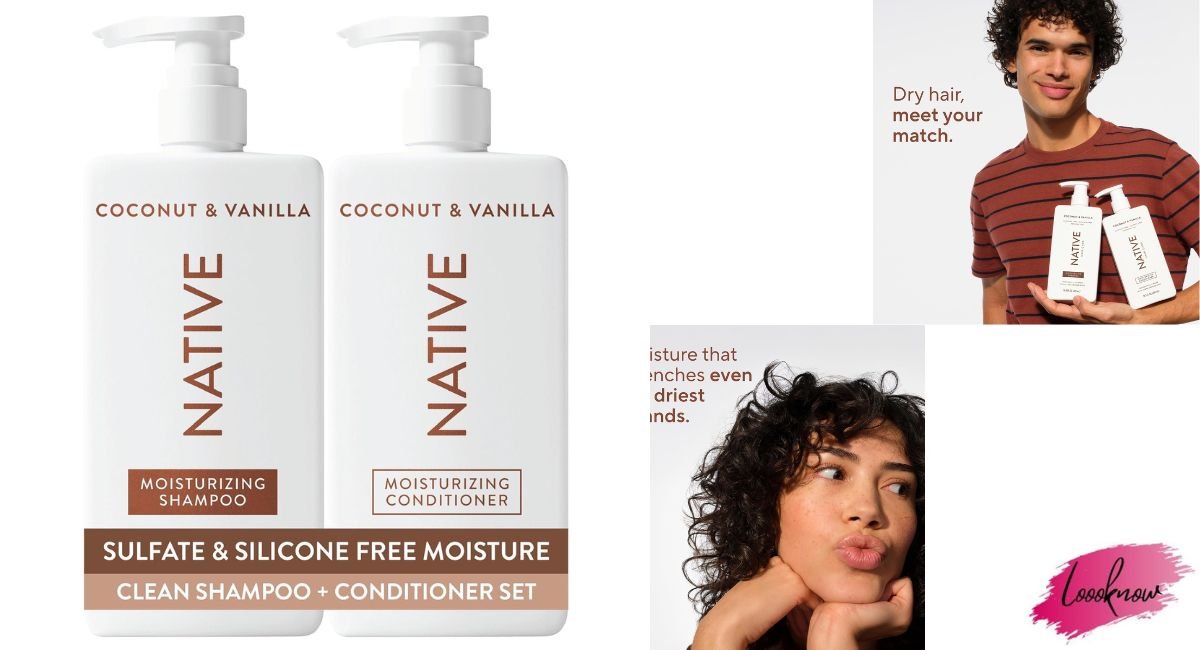
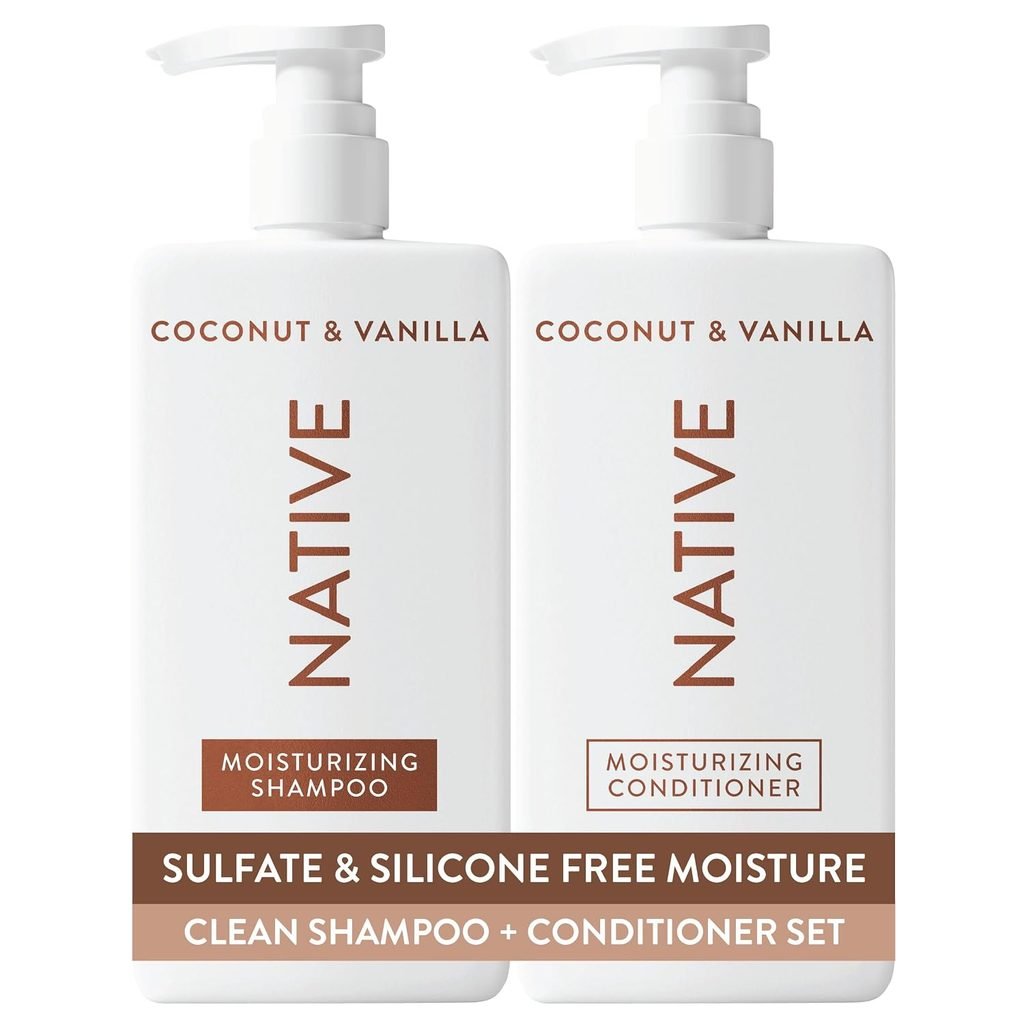
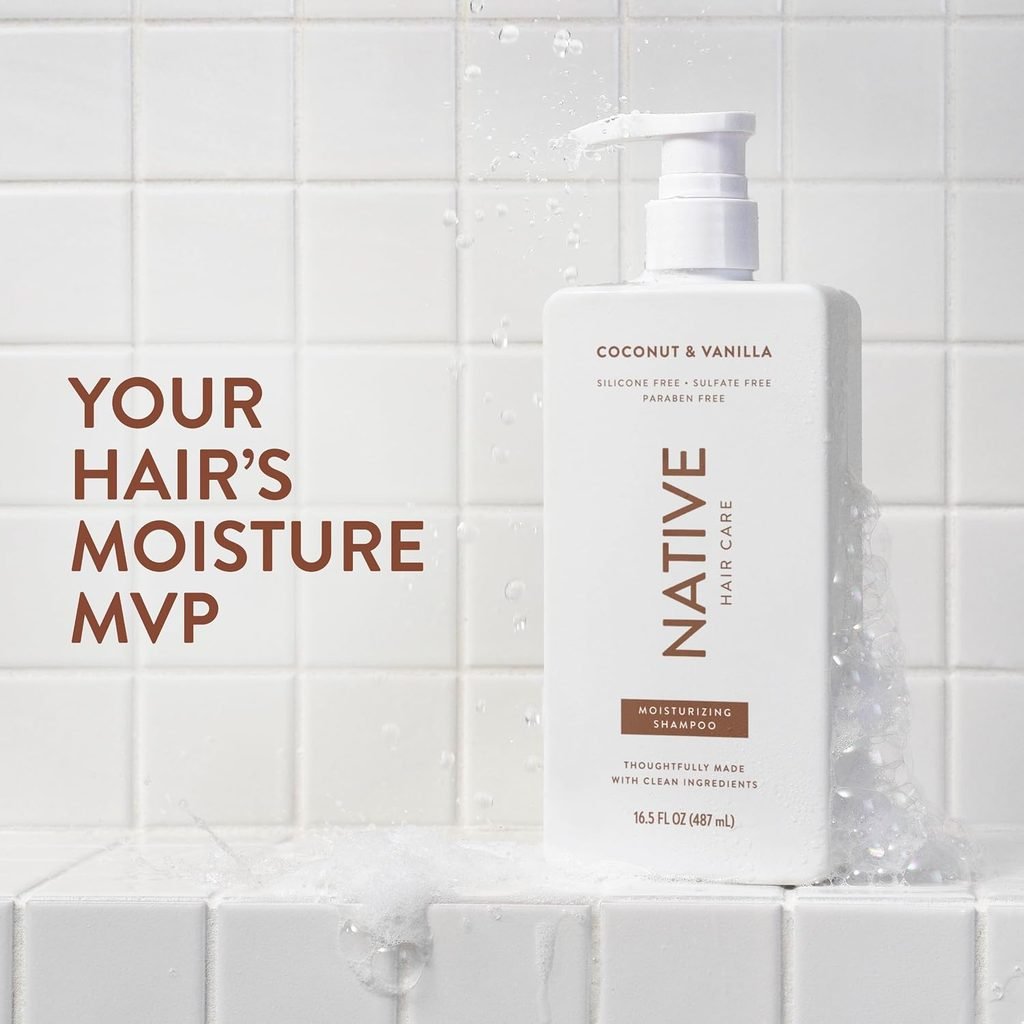
Native is a personal care brand best known for deodorant, and it has expanded into a full hair care line built around the same “short ingredient list” positioning. The Coconut & Vanilla set is one of the brand’s original moisturizing pairings, aimed at dry, coarse, or damaged hair that needs extra hydration rather than volume or oil control. It’s sold as a full-size 2-pack (shampoo plus conditioner, typically 16.5 fl oz each), as travel-size minis, and often bundled into multipacks or gift sets around the holidays.
The shampoo and conditioner share the same coconut, pineapple, citrus, and vanilla scent profile, so the pairing smells cohesive rather than like two competing fragrances fighting each other in the shower.
Quick Verdict
Bottom line: The Native Coconut & Vanilla Shampoo and Conditioner 2-pack is a solid, affordable, sulfate-free option for people with fine to normal hair who want a gentle daily wash and a pleasant scent, without needing heavy-duty repair. It is not a dedicated color-protection or damage-repair system, and people with very dry, coarse, or chemically processed hair may find it under-delivers on richness.
Where it holds up:
- Sulfate-, paraben-, silicone-, and dye-free formula, which is genuinely gentler on color-treated hair than a sulfate-heavy drugstore shampoo
- Short, transparent ingredient list that’s easy to read and vet
- Lightweight enough not to weigh down fine hair
- Coconut and vanilla scent that reads as beachy rather than artificial-sweet
- Budget-friendly for a 2-pack, especially compared to salon sulfate-free lines
Where it comes up short:
- Conditioner is light on the moisture front for genuinely dry or damaged hair — thicker, curlier hair types may need to layer a mask or oil on top
- Lather is thinner than sulfate shampoos, which some users read as “less cleansing” even though sulfate-free formulas clean differently, not necessarily worse
- Scent, while pleasant, doesn’t last much past 24–48 hours the way heavier fragranced products might
- Not marketed or formulated as a targeted repair system for bleached or heavily processed hair
Rating context: Based on the product’s specifications and the pattern of feedback visible across major retail listings, this set tends to land in the mid-to-high range for everyday, low-maintenance hair — and in the lower-middle range for anyone expecting deep repair.
What Is This Product?
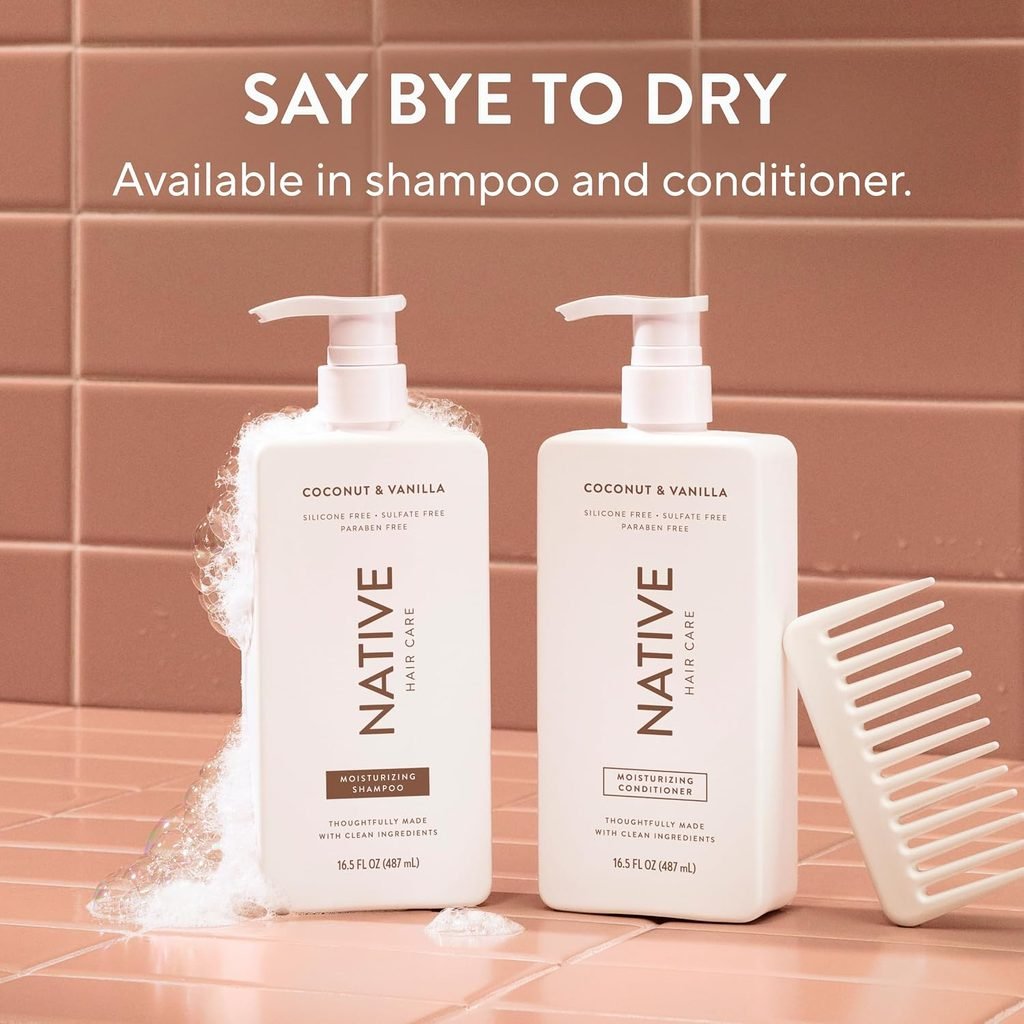
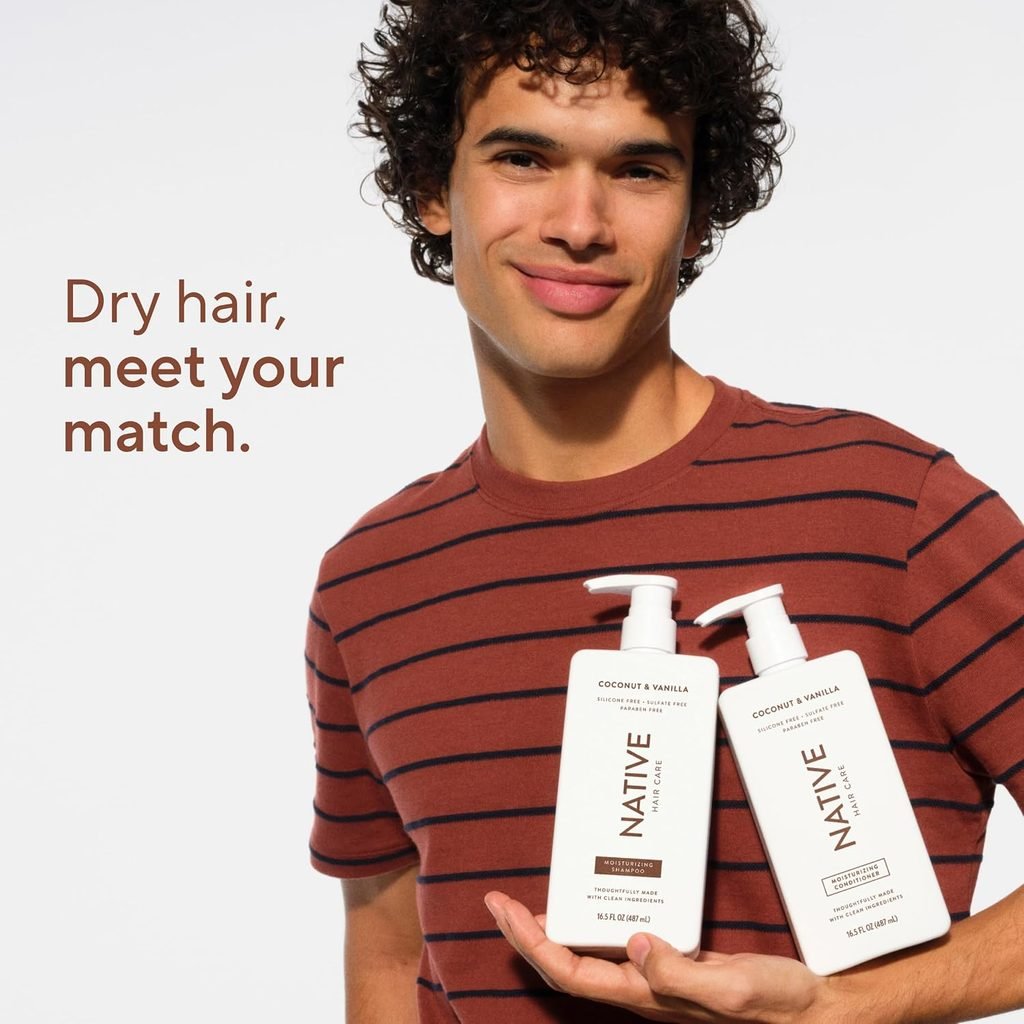
The Native Coconut & Vanilla Shampoo and Conditioner is a two-bottle set (16.5 fl oz each) from Native, a personal care brand that expanded from deodorant and body wash into hair care using the same “clean ingredient list” positioning. The packaging explicitly markets the set for all hair types, including color-treated hair and fine-to-dry damaged hair, with a sulfate-free, dye-free formula.
Where it sits in the market is fairly specific: it’s not a prestige or salon brand, and it’s not an ultra-budget bargain-bin shampoo either. It occupies the same middle tier as brands like OGX or Acure — accessible at Walmart and Amazon, priced for regular repurchase, and built around a “simple ingredients, recognizable scent” pitch rather than clinical-sounding actives.
How it differentiates itself:
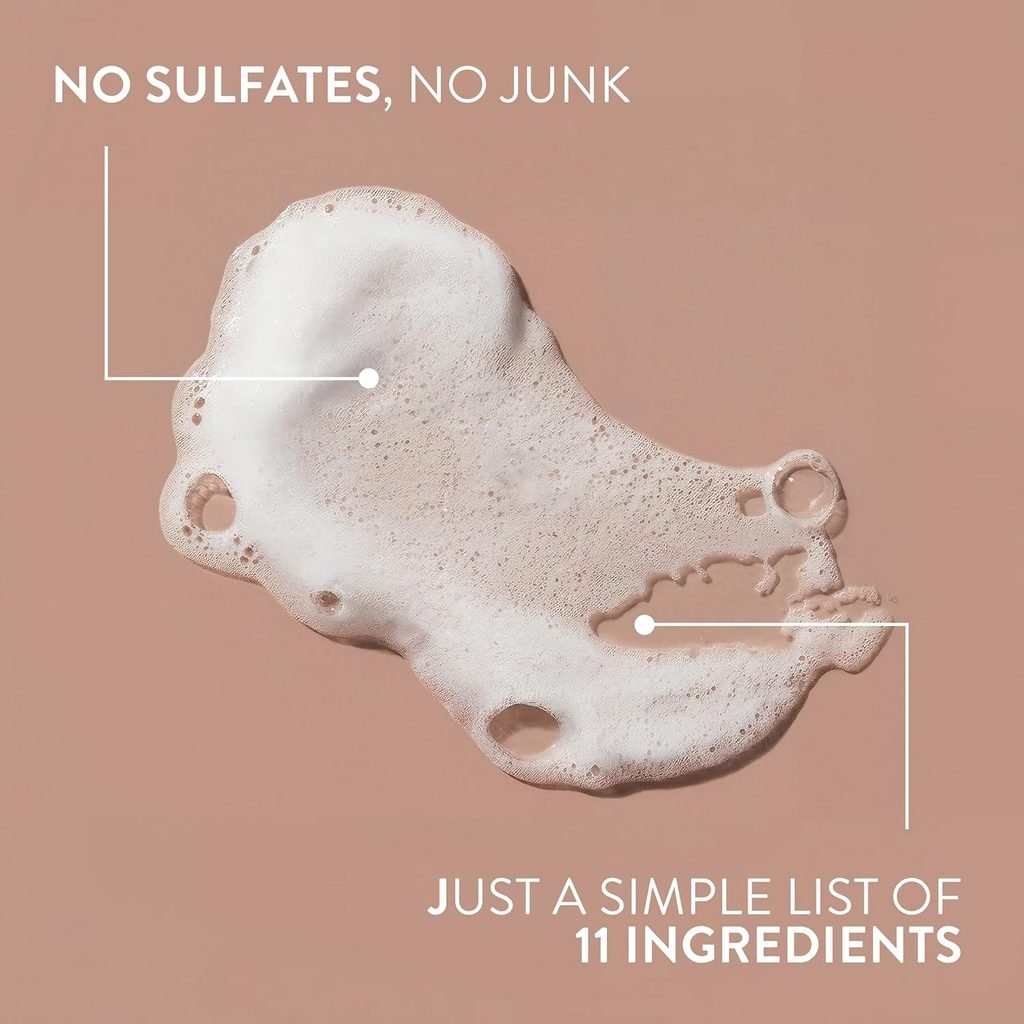
- Short ingredient decks. The shampoo and conditioner each use roughly 10–11 named ingredients, which is notably shorter than many competing sulfate-free formulas that pad the list with a dozen or more botanical extracts.
- No sulfates, parabens, silicones, or dyes. This combination is less common at this price point — many “sulfate-free” competitors still include silicones for slip, or parabens as preservatives.
- Scent-forward branding. Native leans hard into its scent lineup (coconut & vanilla, plus others across the brand), treating fragrance as a primary selling point rather than an afterthought.
- Cross-category brand trust. Because Native is already known for deodorant and body wash, the hair care line benefits from existing brand familiarity, even though hair care is a newer category for them.
In short: this is a lifestyle-brand hair care set built for people who want a gentler daily formula and don’t mind trading some heavy-duty conditioning power for a cleaner ingredient list and a nice smell.
Key Features Breakdown
Sulfate-Free, Paraben-Free Formula
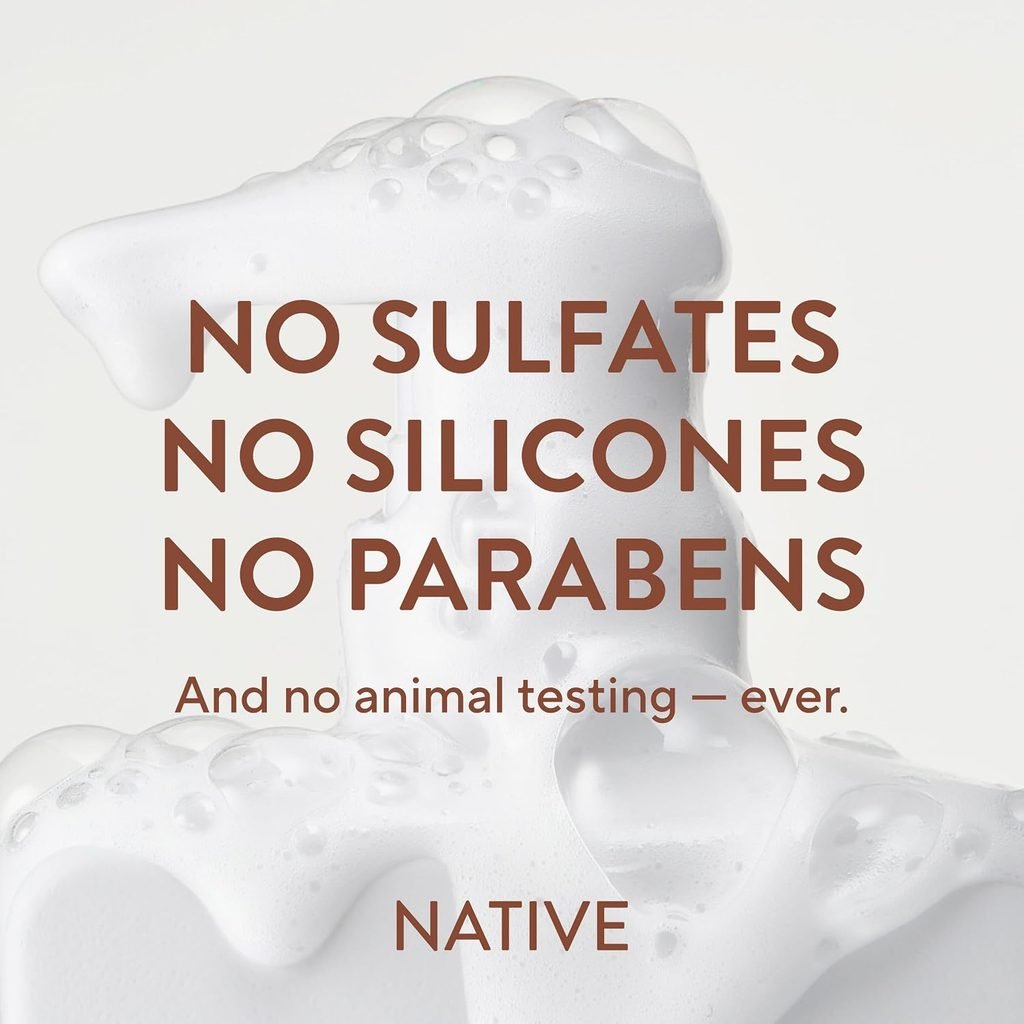
The headline feature is what’s not in the bottle. Sodium lauryl sulfate and sodium laureth sulfate — the harsher foaming agents in most drugstore shampoos — are absent here. Instead, the shampoo relies on gentler cleansing agents like sodium cocoyl isethionate and cocamidopropyl betaine, which are widely used in “sensitive scalp” and color-safe formulas because they clean without stripping as much natural oil or color pigment.
Silicone-Free Conditioner
Unlike many conditioners that rely on dimethicone or similar silicones for instant slip and shine, this conditioner is built around fatty alcohols (cetyl alcohol, stearyl alcohol) and a cationic conditioning agent. That means detangling comes from actual conditioning chemistry rather than a silicone coating — which is gentler long-term, but can feel less “instantly silky” than a silicone-heavy competitor on the first few uses.
Coconut & Vanilla Fragrance Profile
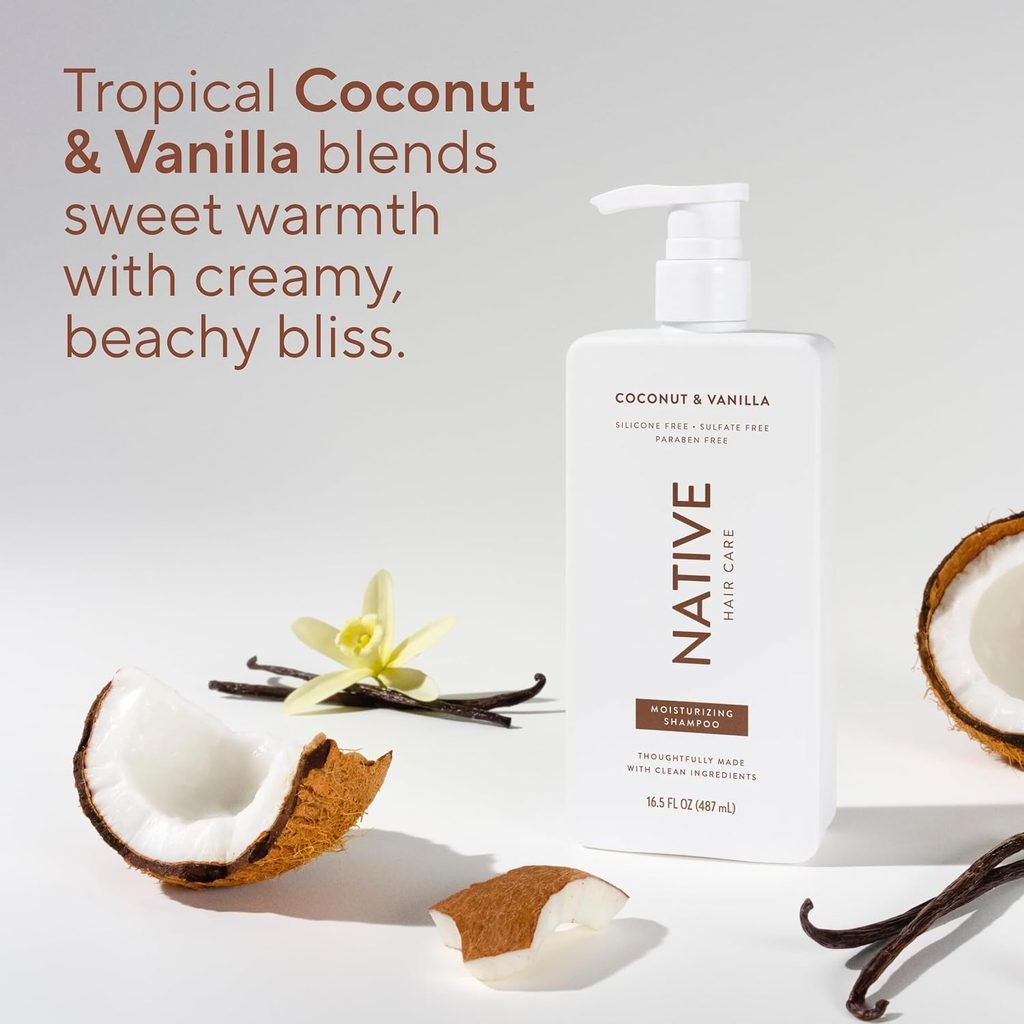
The scent is described by the brand as a blend of coconut, a hint of pineapple and citrus, and vanilla — leaning tropical rather than straight bakery-sweet. This is a defining feature for a lot of buyers, since Native’s fragrance library is arguably as much a draw as the formula itself.
Dye-Free Formulation
Both products skip artificial dyes, which matters for two groups specifically: people prone to scalp sensitivity or contact irritation, and people with color-treated hair who want to minimize anything that could interact unpredictably with dyed strands.
2-Pack Value Format
Selling the shampoo and conditioner together, rather than as single bottles, is a practical feature in itself — it removes the guesswork of pairing products and tends to work out cheaper per ounce than buying each separately at full price.
Vegan and Cruelty-Free Certification
Native markets the entire hair care line as vegan and cruelty-free, with no animal-derived ingredients and no animal testing — a feature that matters primarily to ethically-motivated buyers rather than performance, but it’s worth flagging since it’s part of the product’s core positioning.
“All Hair Types” Claim, With Caveats
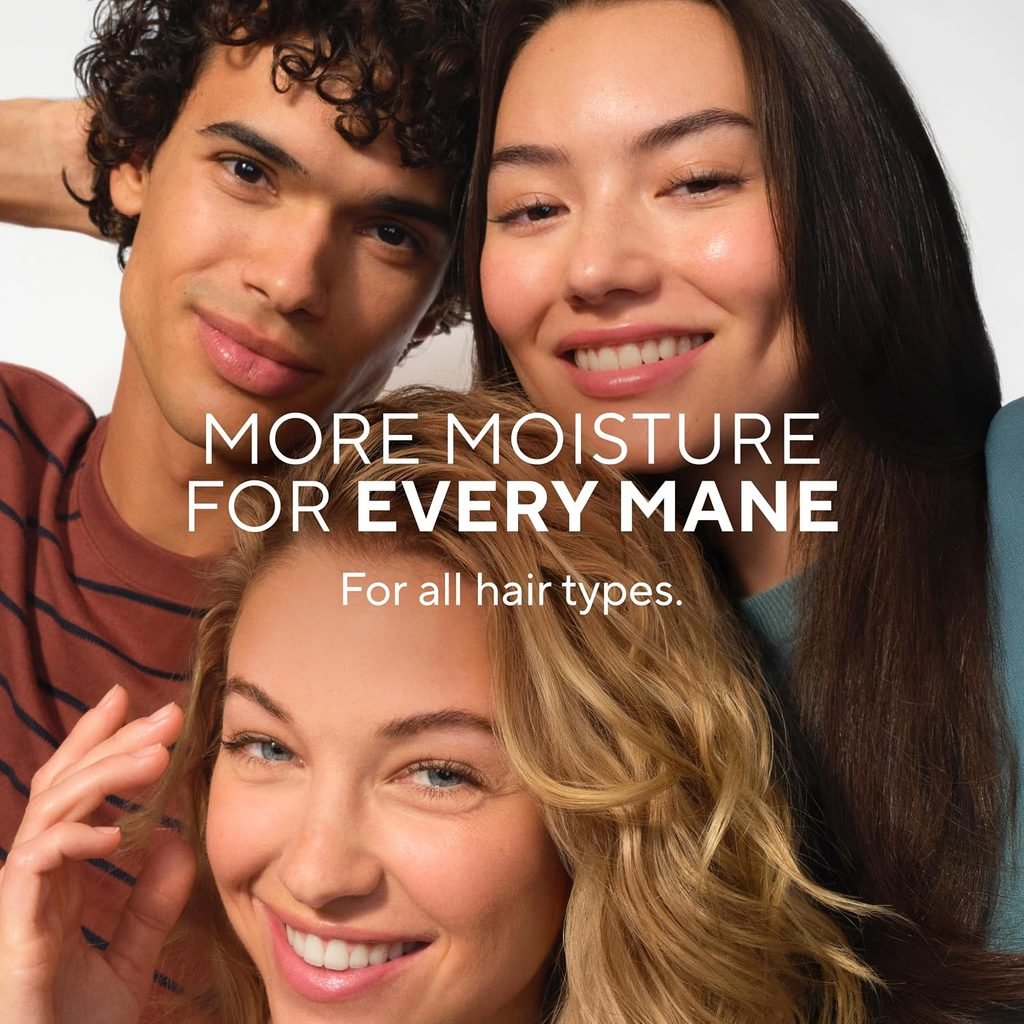
The packaging claims suitability for all hair types, including fine, dry, and color-treated hair. Based on the ingredient profile, this claim holds up reasonably well for fine-to-normal hair, but the formula’s lightness means it’s less convincing for very thick, coily, or severely damaged hair, where richer conditioning agents are typically needed.
Ingredients & Hair Type Compatibility Analysis
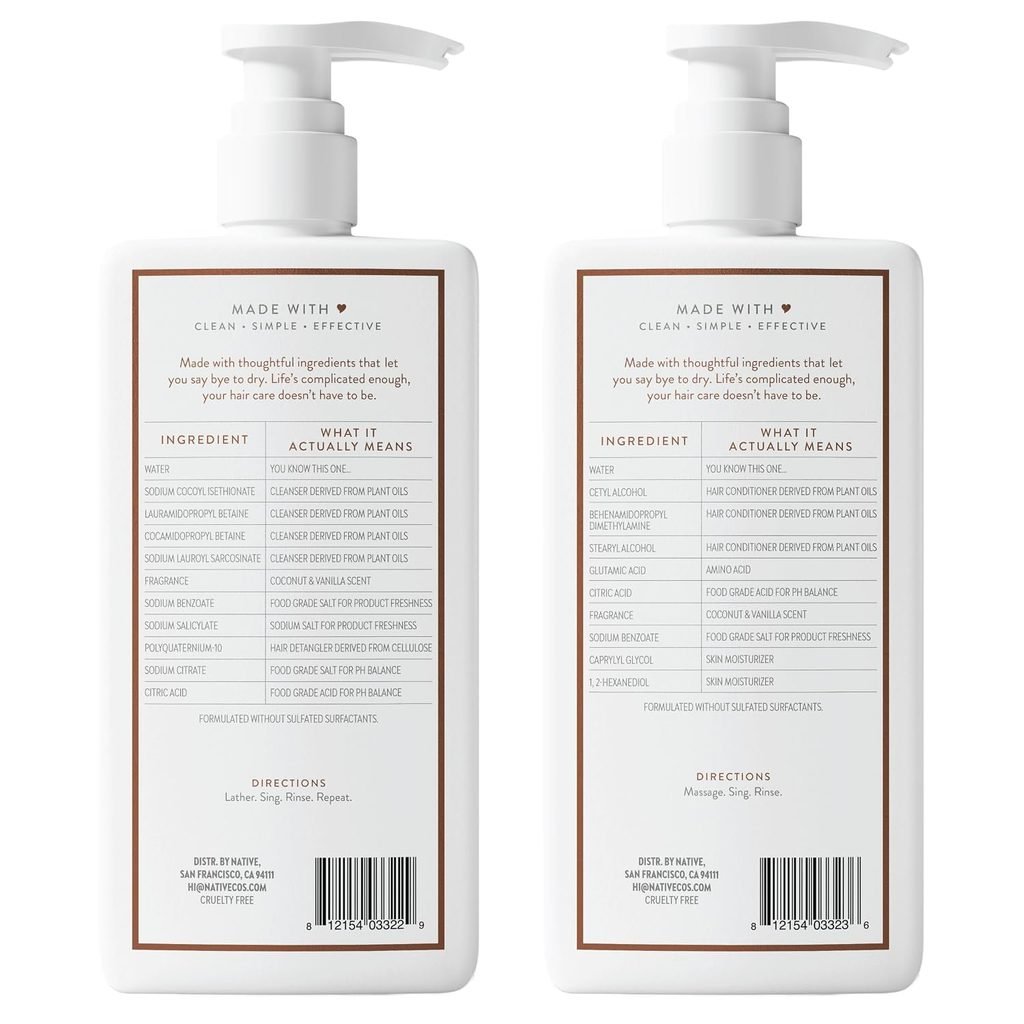
Shampoo ingredients (per manufacturer listings): Water, Sodium Cocoyl Isethionate, Lauramidopropyl Betaine, Cocamidopropyl Betaine, Sodium Lauroyl Sarcosinate, Fragrance, Sodium Benzoate, Sodium Salicylate, Polyquaternium-10, Sodium Citrate, Citric Acid.
Conditioner ingredients: Water, Cetyl Alcohol, Behenamidopropyl Dimethylamine, Stearyl Alcohol, Glutamic Acid, Citric Acid, Fragrance, Sodium Benzoate, Caprylyl Glycol, 1,2-Hexanediol.
What these actually do:
- Sodium Cocoyl Isethionate & Cocamidopropyl Betaine — mild, coconut-derived cleansing surfactants. These are the workhorses behind the “gentle cleanse” claim, and they’re a reasonable substitute for sulfates in terms of gentleness, though they generally produce less foam.
- Polyquaternium-10 — a conditioning polymer that helps with detangling and reduces static, doing some of the work a silicone would otherwise handle.
- Cetyl Alcohol & Stearyl Alcohol — fatty alcohols, not the drying kind of alcohol. These are standard conditioning agents that add slip and softness without weighing hair down.
- Behenamidopropyl Dimethylamine — a conditioning agent that helps hair feel smoother and more manageable, doing double duty since the formula skips silicones.
Compatibility by hair type:
| Hair Type | Likely Fit | Why |
|---|---|---|
| Fine, normal hair | Strong fit | Lightweight formula won’t weigh hair down |
| Color-treated hair | Good fit | No sulfates or dyes reduces color-stripping risk |
| Dry, mildly damaged hair | Moderate fit | Helps, but may need a leave-in or oil on top |
| Thick, coarse, or coily hair | Weaker fit | Conditioner may be too light for full detangling and moisture needs |
| Very oily scalp | Moderate fit | Gentle cleanse means it may not fully cut heavy oil build-up |
The takeaway: the ingredient list backs up the “gentle, color-safe” positioning fairly well. It backs up the “damaged hair” claim only partially — it’s suited to mild dryness and damage, not chemically over-processed or heavily bleached hair that needs deeper repair proteins or oils.
Scent, Lather & Rinse Experience
Scent
The coconut and vanilla combination reads more like a beach vacation candle than a straightforward bakery vanilla. Based on the brand’s own scent notes and the pattern of user descriptions across retailers, the coconut and slight fruit notes (pineapple, citrus) come through first, with vanilla settling in underneath rather than dominating. It’s not an overpowering fragrance, which works in its favor for people who find heavily perfumed hair care overwhelming, but it also means the scent doesn’t linger dramatically in hair by the next day.
Lather
This is where sulfate-free shampoos tend to divide opinion, and this one is no exception. Without sulfates, the lather is noticeably thinner and less “foamy” than a typical drugstore shampoo. That’s expected chemistry, not a flaw — sulfate-free surfactants clean effectively without generating the same bubble volume. Still, if you’re used to a rich lather as a signal that a product is “working,” this formula will feel different, and it may take a wash or two to trust that a thinner lather is still cleansing properly.
Rinse Feel
The conditioner is designed to rinse clean rather than leave a heavy coating, which fine-haired users tend to appreciate and thicker-haired users sometimes find insufficient. Hair reportedly feels smooth immediately after rinsing, though without the exaggerated “glassy” slip that silicone-based conditioners produce. For people used to that silicone slip, the first few washes can feel like something is missing, even though the hair is, by ingredient function, adequately conditioned.
Usage Experience
Using this set day to day comes down to a few consistent patterns based on the formula’s characteristics and how similar sulfate-free, silicone-free sets tend to perform.
Application and texture. Both the shampoo and conditioner have a relatively thin, pourable consistency compared to thicker, gel-like formulas from some competitors. A little goes further on the shampoo than expected, since the thinner lather still covers the scalp well when worked in with fingertips. The conditioner has slightly more body but still spreads easily through mid-lengths and ends without needing a large amount.
On fine hair. This is arguably the formula’s best-case scenario. Fine hair tends to get weighed down quickly by heavier conditioners, and the lightweight nature of this one avoids that. Reports and product specifications consistently point to it not leaving residue or flattening volume at the roots, which matters more for fine hair than almost any other property.
On color-treated hair. The sulfate-free, dye-free formula aligns with general best practice for extending color vibrancy — sulfates are one of the more aggressive culprits in stripping dye faster than necessary. That said, this isn’t a color-depositing or color-boosting formula; it simply avoids actively working against your color, which is a meaningfully different (and more modest) claim than “protects and revives color.”
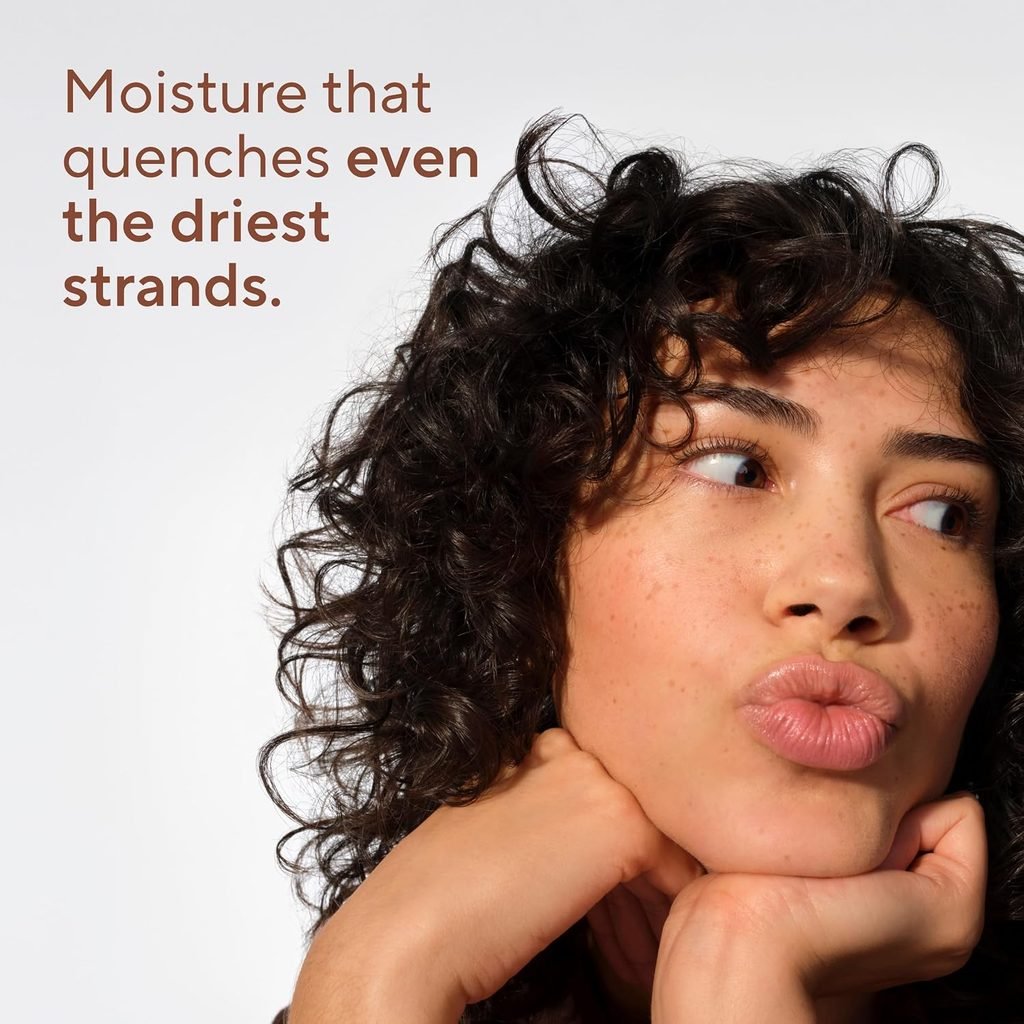
On dry or damaged hair. Here the experience is mixed. The moisturizing ingredients help with surface softness and manageability, and many users find it adequate for mild dryness. But for hair that’s chemically damaged — from bleach, heat styling, or chemical straightening — the conditioner’s lightness means it often isn’t enough on its own. It’s common for people with more significant damage to layer a deep conditioner or hair oil in on wash day, using this set for maintenance rather than repair.
On curly or coily hair. This is the hair type least aligned with the product’s strengths. Curly and coily hair typically needs richer, heavier conditioning to counteract natural dryness and define curl pattern. Based on the formula’s ingredient weight and the “lightweight, non-greasy” positioning the brand itself uses, this set is likely to leave thicker curl types under-moisturized without additional products layered on top.
Scalp sensitivity. Being free of sulfates, dyes, and parabens is generally a plus for sensitive scalps, though “fragrance” as a listed ingredient means it’s not fragrance-free — people with fragrance sensitivities specifically should still be cautious, regardless of the sulfate-free claim.
Frequency of use. Because it’s a gentle, low-stripping formula, it holds up reasonably well for daily use without the “washing out your color too fast” concern that comes with sulfate shampoos. That said, daily washing isn’t necessary for most hair types even with a gentle formula, and every-other-day use is a reasonable default for most people trying to stretch a bottle.
Overall texture after drying. Hair described as soft rather than “silky” or “glassy” post-dry — a subtler result consistent with a silicone-free formula. Frizz reduction is present but modest; it’s not marketed or formulated as an anti-frizz treatment, and it shouldn’t be judged against products that are.
Benefits
Genuinely sulfate-free, not just marketed that way. The ingredient list backs up the sulfate-free claim with named alternative surfactants rather than vague “gentle formula” language — something worth checking on any product claiming this, since labeling can be loose.
Short, legible ingredient list. At roughly 10–11 ingredients per product, this is easier to vet for sensitivities or preferences than formulas with 20+ ingredients, many of which are filler botanicals added mostly for the label.
Budget-friendly for the category. Sulfate-free, silicone-free, dye-free sets from prestige or clean-beauty brands often run significantly higher per ounce. This set sits in the affordable drugstore tier while still hitting those formulation marks.
Won’t weigh down fine hair. This is a consistent strength across the formula’s design — light enough that fine-haired users are unlikely to experience the flat-roots problem that heavier conditioners cause.
Color-safe without added claims. It doesn’t over-promise on color protection, but the absence of sulfates and dyes genuinely supports slower color fade compared to a standard drugstore shampoo.
Pleasant, moderate fragrance. For people who want a nice scent without an overwhelming one, the coconut-vanilla blend hits a reasonable middle ground — noticeable in the shower, faded by the next day.
Widely available and easy to repurchase. Being sold at both Walmart and Amazon (plus grocery retailers) means restocking isn’t a hassle, and price tracking across retailers is straightforward.
Cruelty-free and vegan formulation. For buyers who prioritize this, it’s a clear and verifiable positive, not just a marketing claim — Native has consistently positioned its full line this way.
Downsides & Limitations
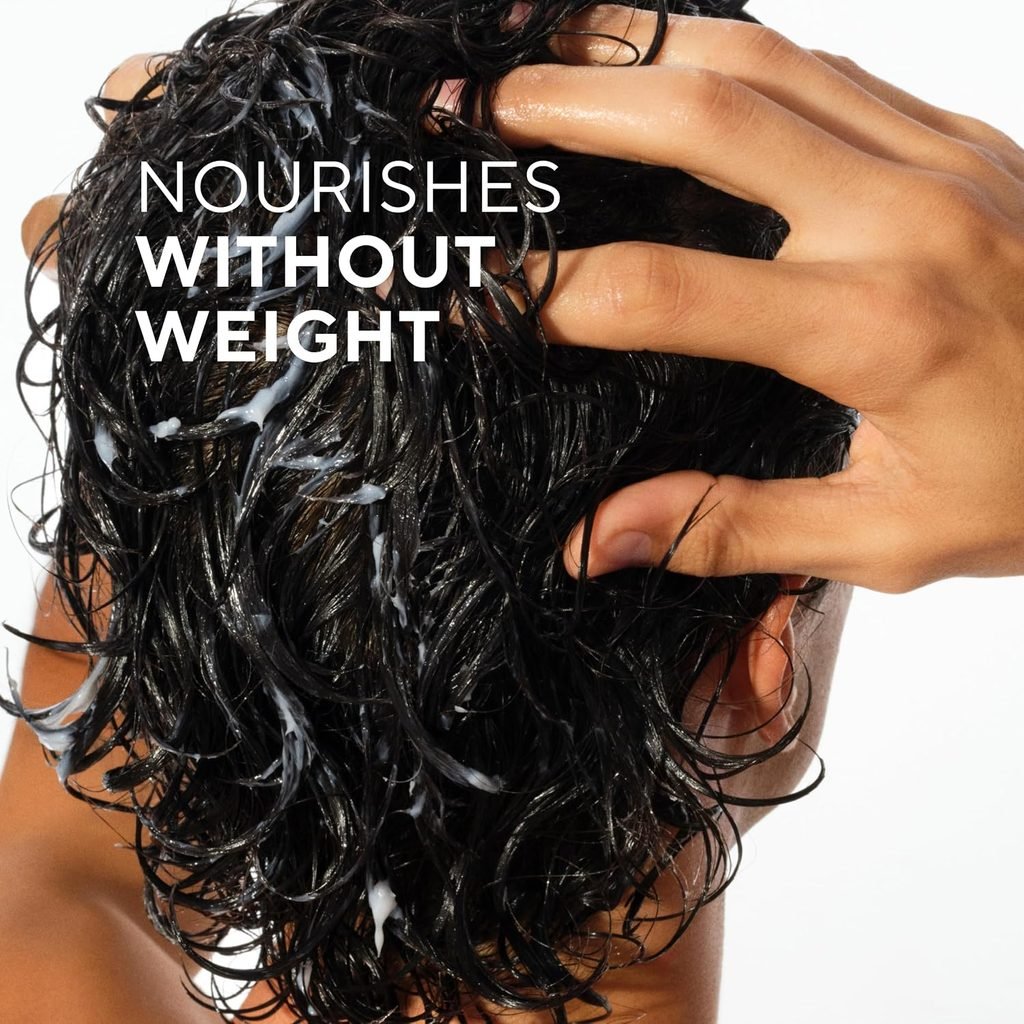
Not a repair system for significantly damaged hair. The conditioner’s lightness is a double-edged sword — great for fine hair, insufficient for hair that’s bleached, heat-damaged, or chemically over-processed. Anyone in that category will likely need to supplement with a deeper treatment.
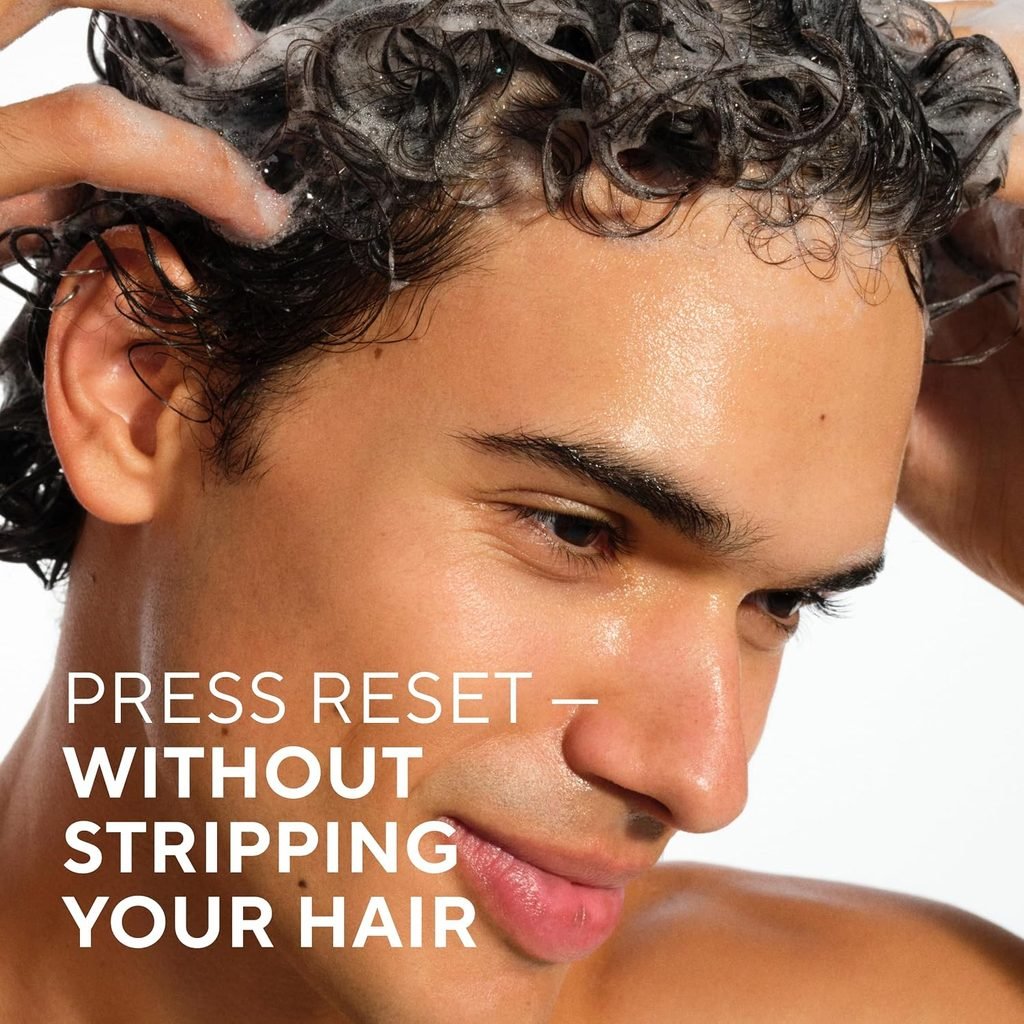
Thin lather can feel like “less clean.” This is a perception issue more than a performance one, but it’s real: people conditioned to associate foam with cleansing power may need time to adjust to how a sulfate-free formula lathers.
Scent doesn’t have strong staying power. The fragrance is pleasant but fades within a day or so, which may disappoint buyers expecting a long-lasting scent similar to Native’s body care line.
Underwhelming for thick or coily hair. The lightweight formula that benefits fine hair works against thicker, curlier hair types that need heavier, richer conditioning to manage frizz and define texture.
“All hair types” claim is optimistic. While not false, it oversells how well this performs outside the fine-to-normal, mild-dryness range it’s actually built for.
No targeted actives for damage repair. There’s no keratin, protein-bonding technology, or similar repair-focused ingredient — this is a maintenance formula, not a corrective one.
Packaging is standard, not premium. The bottles are functional but plain plastic pump/flip-top bottles, which won’t matter to most buyers but is worth noting for anyone comparing shelf presentation against pricier brands.
Who Should Buy This?
This set makes the most sense for:
- People with fine to normal hair who want a lightweight, non-flattening formula for everyday washing.
- Color-treated hair owners looking for a sulfate-free, dye-free option to slow color fade, without needing a dedicated color-care system.
- Sensitive scalp users who react to sulfates, parabens, or synthetic dyes and want a simpler ingredient profile without paying prestige prices.
- Budget-conscious buyers who still want a “clean” formulation but don’t want to spend salon-tier money to get it.
- Fans of Native’s fragrance line who already like the brand’s scent profile in deodorant or body wash and want a matching hair care routine.
- Low-maintenance hair routines — people who don’t want to layer five products just to wash their hair, and are fine with modest, consistent results rather than dramatic transformation.
Who Should Avoid This?
This set is a weaker match for:
- People with significantly damaged, bleached, or chemically processed hair who need protein treatments, bond-repair technology, or heavier moisture — this formula won’t deliver that on its own.
- Thick, coarse, or tightly coiled hair types that generally require richer conditioners than this lightweight formula provides.
- Anyone expecting a long-lasting fragrance similar to perfume-level scent retention — this fades faster than that.
- Buyers who specifically want silicone-based slip and shine for very fast, effortless detangling — this formula works differently and may feel less “instant.”
- Fragrance-sensitive users, since “sulfate-free” doesn’t mean fragrance-free — the ingredient list does include fragrance as a component.
How to Use for Best Results
- Wet hair thoroughly before applying shampoo. A fully saturated scalp helps the gentler, lower-foam surfactants distribute evenly, since there’s less lather to “carry” product around dry patches.
- Focus shampoo on the scalp, not the lengths. Because it’s sulfate-free, it cleanses less aggressively — concentrating it at the roots where oil actually builds up is more efficient than working it through the ends.
- Rinse shampoo fully before conditioning. Leftover shampoo residue can interfere with how well the conditioner’s lightweight agents perform.
- Apply conditioner from mid-length to ends, not the scalp. This avoids weighing down roots, which matters especially for the fine-hair users this product suits best.
- Leave the conditioner on for 1–3 minutes. The conditioning agents here work through contact time rather than instant coating, so rinsing immediately may undercut the softening effect.
- Consider a supplemental treatment for drier or thicker hair. If hair still feels under-moisturized after a few washes, layering a leave-in conditioner or lightweight oil on damp ends can offset the formula’s inherent lightness.
- Don’t expect daily foam-level cleansing cues. Trust the formula rather than judging effectiveness purely by lather volume — that’s simply not how sulfate-free surfactants behave.
Pros & Cons
Pros
- Genuinely sulfate-, paraben-, silicone-, and dye-free
- Short, easy-to-read ingredient list
- Lightweight — won’t weigh down fine hair
- Reasonably priced for a 2-pack in this formulation category
- Pleasant, moderate coconut-vanilla scent
- Vegan and cruelty-free
- Suitable for color-treated hair maintenance
- Widely available at Walmart, Amazon, and major grocery retailers
Cons
- Not built for significantly damaged or chemically processed hair
- Thinner lather may feel “less cleansing” to some users
- Scent fades within about a day
- Underwhelming for thick, coarse, or coily hair types
- No targeted repair actives (protein, bond-building, etc.)
- “All hair types” marketing oversells its actual range
Product Comparisons
Pricing and availability shift regularly, so treat the numbers below as a general range rather than fixed figures — always check the live listing before buying.
| Feature | Native Coconut & Vanilla 2-Pack | Typical Walmart Store-Brand Sulfate-Free Set | Typical Amazon Mid-Tier Sulfate-Free Set |
|---|---|---|---|
| Sulfate-free | Yes | Often | Varies |
| Silicone-free | Yes | Rarely | Rarely |
| Dye-free | Yes | Rarely | Rarely |
| Ingredient count | ~10–11 per product | 15–20+ | 15–25+ |
| Best hair type fit | Fine to normal | Varies widely | Varies widely |
| Price tier | Mid-budget | Budget | Mid to premium |
| Vegan/cruelty-free | Yes | Not always labeled | Varies |
| Repair-focused actives | No | Occasionally | Often, at higher price |
On Walmart: This set is typically sold both individually and bundled with other Native hair or body products, and Walmart listings frequently show it at a modest discount versus buying the shampoo and conditioner separately at full price. Walmart also tends to carry travel-sized versions, useful for testing the scent before committing to full-size bottles.
On Amazon: Pricing on Amazon tends to fluctuate with regular promotions and lightning deals, and it’s common to see the 2-pack discounted from its list price during sales events. Amazon listings also typically show a large volume of customer ratings, which is useful for cross-checking the pattern of feedback beyond any single retailer.
👉 Check Price on Amazon — a good option if you want to compare current deals and read a large volume of verified buyer feedback before purchasing.
Buying Guide: Choosing Sulfate-Free Hair Care
If this specific set isn’t the right fit, here’s what to actually look for when shopping this category:
1. Match the formula weight to your hair thickness. Lightweight, silicone-free formulas (like this one) suit fine-to-normal hair. Thicker or coilier hair generally needs heavier, more emollient-rich formulas — look for shea butter, heavier oils, or dedicated curl-care lines.
2. Check the surfactant, not just the “sulfate-free” label. Some “sulfate-free” products swap in surfactants that are just as harsh under a different name. Cocamidopropyl betaine and sodium cocoyl isethionate (as used here) are genuinely gentler alternatives worth looking for.
3. Decide how much you value silicone-free formulation. Silicones give instant slip and shine but can build up over time and require clarifying washes. Silicone-free formulas need more consistent use to show their benefits but avoid that build-up issue.
4. Consider your color-treatment needs specifically. If you have color-treated hair, prioritize sulfate-free and dye-free formulas — dyes in the shampoo itself can occasionally interact unpredictably with certain color treatments.
5. Factor in fragrance sensitivity. “Clean” or “sulfate-free” doesn’t automatically mean fragrance-free. If you have a sensitive scalp or fragrance allergies, check the ingredient list for “fragrance” or “parfum” regardless of other claims.
6. Compare cost-per-ounce, not just sticker price. A 2-pack set can look pricier upfront than two individual bottles from a different brand, but often works out cheaper per ounce — always do that quick math before assuming a deal is or isn’t good.
7. Read the ingredient list for actives if you need repair, not just maintenance. If your hair needs actual repair (from bleach, heat damage, or chemical processing), look specifically for proteins, bond-building ingredients, or deep-conditioning oils — a “gentle, clean” formula alone usually isn’t enough.
Immediate & Cumulative Hair Results
Immediately after use: Hair typically feels clean without the tight, squeaky feeling some sulfate shampoos leave behind, and noticeably softer after the conditioner, though without the dramatic, glassy slip of a silicone-based product. The scent is present but not overpowering right out of the shower.
After the first week: For fine-to-normal hair, the main noticeable change tends to be reduced flatness at the roots compared to heavier conditioners, since the formula doesn’t build up product weight day over day.
After several weeks of consistent use: Based on the ingredient profile, cumulative effects are likely to include somewhat better color retention (versus a sulfate shampoo) and a gradual sense of hair feeling less “coated” — a natural result of avoiding silicone build-up. For dry or damaged hair, several weeks alone likely won’t produce dramatic repair; that requires either more targeted products or a longer-term routine addition, like a weekly deep conditioner.
What it won’t do: This isn’t a formula built to produce a visible “before and after” transformation on significantly damaged hair, and it shouldn’t be evaluated against products that promise that. Its cumulative value is closer to “steady maintenance” than “visible repair.”
FAQ
Is Native Coconut & Vanilla Shampoo and Conditioner good for color-treated hair? Yes, based on its sulfate-free and dye-free formulation, it’s a reasonable maintenance choice for color-treated hair, though it doesn’t actively boost or revive color vibrancy.
Does this shampoo lather a lot? No. Being sulfate-free, it produces a noticeably thinner lather than typical drugstore shampoos — that’s a normal characteristic of the formula, not a sign it isn’t cleansing.
Is this shampoo and conditioner good for fine hair? Yes, it’s one of the better-suited hair types for this formula, since the lightweight ingredients are less likely to weigh fine hair down at the roots.
Is it good for thick or curly hair? Not especially. The formula’s lightness, which benefits fine hair, tends to under-moisturize thicker or curlier hair types, which usually need richer conditioning.
Does Native shampoo contain sulfates? No, the shampoo is formulated without sodium lauryl sulfate or sodium laureth sulfate, relying instead on gentler alternative surfactants.
Is this conditioner silicone-free? Yes, it uses fatty alcohols and a conditioning amine rather than silicones for slip and softness.
How long does the coconut vanilla scent last? The scent is noticeable in the shower and for a short time after, but it typically fades within about a day rather than lingering for multiple days.
Is Native hair care cruelty-free and vegan? Yes, the brand markets its full hair care line — including this set — as vegan and cruelty-free, with no animal-derived ingredients and no animal testing.
Can I use this shampoo every day? Yes, its gentle, sulfate-free formula is generally suitable for daily use, though every-other-day washing is a reasonable default for most hair types regardless of formula.
Is this a good shampoo for damaged hair? It’s suitable for mild dryness or damage as a maintenance product, but it isn’t formulated as a targeted repair treatment for significantly damaged or chemically processed hair.
Where is it cheaper — Walmart or Amazon? Pricing fluctuates between both retailers depending on ongoing promotions, so it’s worth checking current prices on each before buying rather than assuming one is consistently cheaper.
Does the 2-pack include a full-size shampoo and conditioner? Yes, the standard 2-pack includes one full-size shampoo bottle and one full-size conditioner bottle, each 16.5 fl oz.
Is this shampoo paraben-free? Yes, both the shampoo and conditioner are formulated without parabens.
Will this shampoo strip hair dye? It’s less likely to strip color than a sulfate-based shampoo, since sulfates are one of the more aggressive factors in color fade — though no shampoo fully prevents color fading over time.
Do I need a separate deep conditioner with this set? For fine to normal hair with mild dryness, probably not for regular maintenance. For thicker, curlier, or more damaged hair, a weekly deep conditioner or oil treatment is a reasonable addition.
Final Verdict
This Native coconut vanilla shampoo and conditioner review comes down to a simple match-making question: does your hair fall into the fine-to-normal, mildly dry, color-conscious category this formula is actually built for? If so, it’s a genuinely solid, honestly formulated, budget-friendly option — sulfate-free, silicone-free, dye-free, and pleasant to use, without the inflated price tag some “clean beauty” competitors carry.
If your hair is thick, coily, or significantly damaged from bleach or heat, this set is likely to feel underwhelming on its own, and you’d get more consistent results either choosing a richer formula or supplementing this one with a deeper conditioning treatment.
Neither of those conclusions is a knock on the product — it’s a matter of matching a lightweight, gently formulated set to the hair types it’s actually designed for, rather than expecting it to be everything for everyone. Judged against its own category and price point, it holds up as a reasonable, low-risk pick worth trying if the profile above sounds like your hair.
👉 Check Price on Amazon to compare current deals before you buy.

I’m an SEO content writer and product researcher with experience creating well-researched product reviews, comparisons, buying guides, affiliate articles, and helpful website content. At LoookNow, I focus on researching products, comparing features and value, and creating clear, engaging, search-optimized content to help readers make more informed purchasing decisions. My goal is to provide useful, trustworthy, and easy-to-understand information that saves readers time and reduces confusion when choosing products online.