
Heads up: If you buy through links in this review, I may earn a small commission at no extra cost to you. This doesn’t affect my ratings.
Introduction
You get a full night of sleep, drink your water, and still look in the mirror to find Palladio dark shadows under your eyes. Most of us have been there.
So you reach for concealer. You add a little more, then a little more. Before long, the shadow is gone, but a pale, chalky patch has taken its place. Or the concealer settles into fine lines by lunchtime and the whole area looks heavier than before.
That’s the problem color correctors are designed to solve. Instead of piling on coverage, a corrector uses color to cancel out the blue or purple tone that makes dark circles look so dark. Pink and peach shades sit opposite those tones, so they tone them down before concealer goes on top.
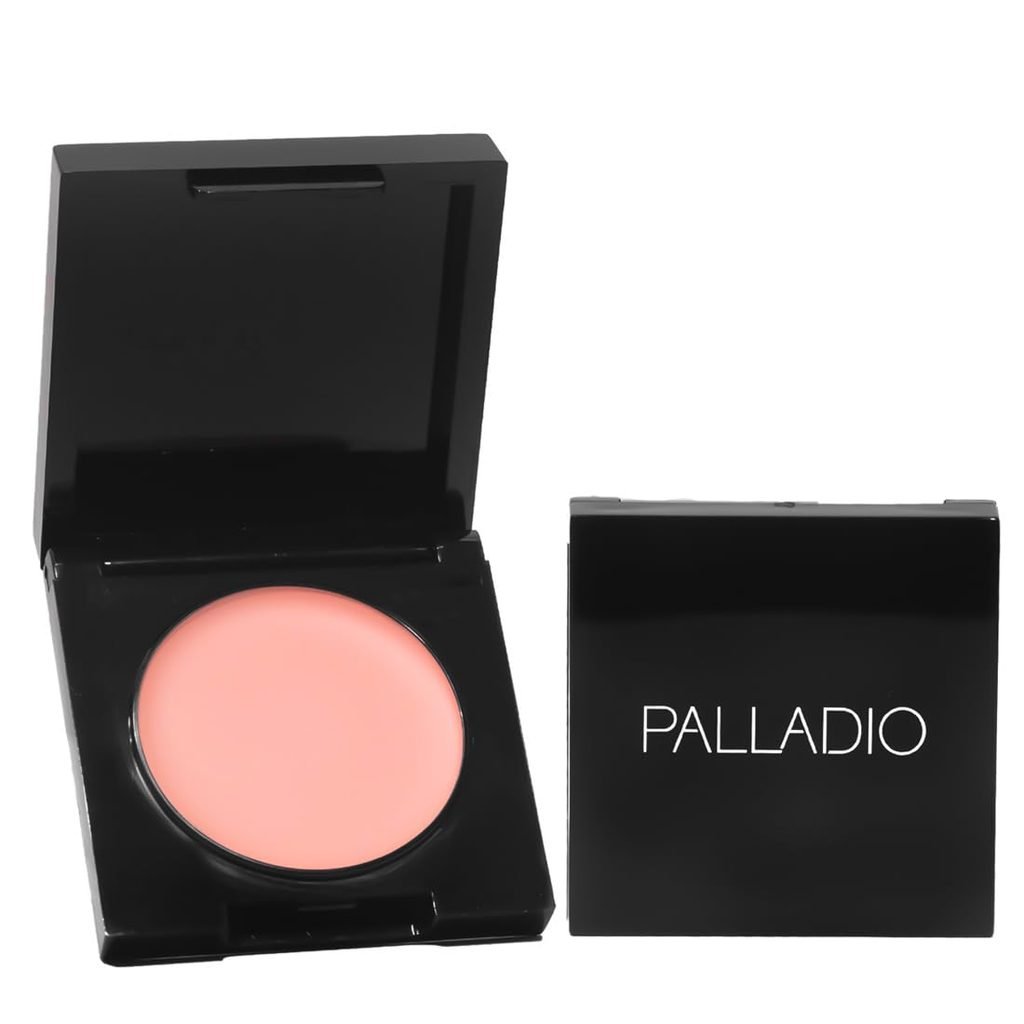
The Palladio Under Eye Brightener, Dark Circle Color Corrector in Soft Pink is one of the more affordable options in this category. According to the product listing, it is made to conceal, brighten, and reduce the appearance of dark circles. It also lists caffeine and peptides, which are ingredients more often found in Palladio eye care than in makeup.
That combination raises a few fair questions:
- Does a soft pink corrector actually work on dark circles, or is it mostly marketing?
- Do caffeine and peptides do anything in a makeup product?
- Is it better than just using a good drugstore concealer?
- Who is it right for, and who should skip it?
This Palladio under eye brightener review answers those questions. It is based on the product specifications, available user feedback, and comparisons with competing correctors and concealers. It is not a record of personal lab testing, and I’ll be clear about what is known and what is an educated read of how this type of product behaves.
Here is what you’ll find inside:
- A quick verdict if you want the short answer
- A look at the formula, texture, and finish
- What day-to-day use is likely to look like, including the weak spots
- The benefits, the downsides, and who should buy or avoid it
- A comparison with drugstore concealer, plus Amazon versus Walmart
- A buying guide for choosing a Palladio pink under eye corrector
- A FAQ covering the questions people search most
One thing to know up front: color correcting depends heavily on your skin tone and the color of your dark circles. A soft pink shade tends to suit blue or purple-toned circles on lighter skin. It is a weaker match for brown-toned circles or deeper skin, where peach or orange correctors usually work better. I’ll point out where that matters as we go, so you can decide if this product fits your face before you spend any money.
👉 Check Price on Amazon “See how we review products”
Palladio Under Eye Brightener Review: Quick Verdict
Overall take: A sensible, low-cost corrector for light to medium skin with blue or purple-toned dark circles. It is not a fit for everyone, and it won’t change the underlying cause of dark circles.
Rating-style takeaway: 3.8 out of 5 (my editorial score, based on specs, feedback patterns, and category comparisons, not a lab measurement).
| Category | Score | Notes |
|---|---|---|
| Color correction | 4 / 5 | Soft pink suits blue/purple circles on lighter skin |
| Brightening effect | 3.5 / 5 | Optical brightening, not skincare results |
| Ease of use | 4 / 5 | Thin layers blend easily |
| Skin-care claims (caffeine, peptides) | 3 / 5 | Modest in a makeup product |
| Shade inclusivity | 2.5 / 5 | Soft pink won’t work for deeper skin |
| Value | 4 / 5 | Budget pricing for the category |
What it does well:
- Cancels bluish and purple tones
- Lets you use less concealer on top
- Costs little to try
Where it falls short:
- Limited shade range for deeper skin
- Skincare ingredients can’t be expected to treat dark circles
- Wear time varies by skin type and layering
You can Check Price on Amazon to see the current listing and shade details.
What Is the Palladio Under Eye Brightener, Dark Circle Color Corrector?
The Palladio Under Eye Brightener, Dark Circle Color Corrector, Soft Pink is a pink-toned Palladio under eye makeup product. Its job is to neutralize dark discoloration before concealer or foundation goes on.
In simple terms, a color corrector is a tinted product that uses color theory to cancel out unwanted tones. On the color wheel, pink and peach sit opposite the blue-purple shades common under the Palladio eyes. When you layer them, the dark tone looks less obvious.
That is different from a standard concealer. A concealer covers with pigment that matches your skin. A corrector first reduces the discoloration, so the concealer has less work to do.
How it is positioned
Palladio is generally known as an affordable beauty brand. Within that lineup, this product sits between pure makeup and Palladio eye care. The listing points to three promises:
- Conceal the look of dark circles
- Brighten the Palladio under-eye area
- Support the skin with caffeine and peptides
What makes it different
Many pink or peach correctors are pure pigment. This one adds ingredients borrowed from skincare. That’s a reasonable selling point for shoppers who want one product to do two jobs, but it needs realistic expectations (more on that in the formula section).
Key Features Breakdown
Here are the features that matter, based on the listing and how this product type usually performs.
1. Soft pink corrective tone
The shade is the main feature. Soft pink is a gentler option than strong orange or red. It tends to work well on light to light-medium skin with blue or purple-leaning circles. On very fair skin, it can look more natural than a bold peach.
2. Brightening focus
The product is described as a brightener. In makeup, that usually means two things working together: a light-reflecting tint and a pink base that lifts the shadowed look. The effect is optical. It looks brighter while worn, then goes away when you wash it off.
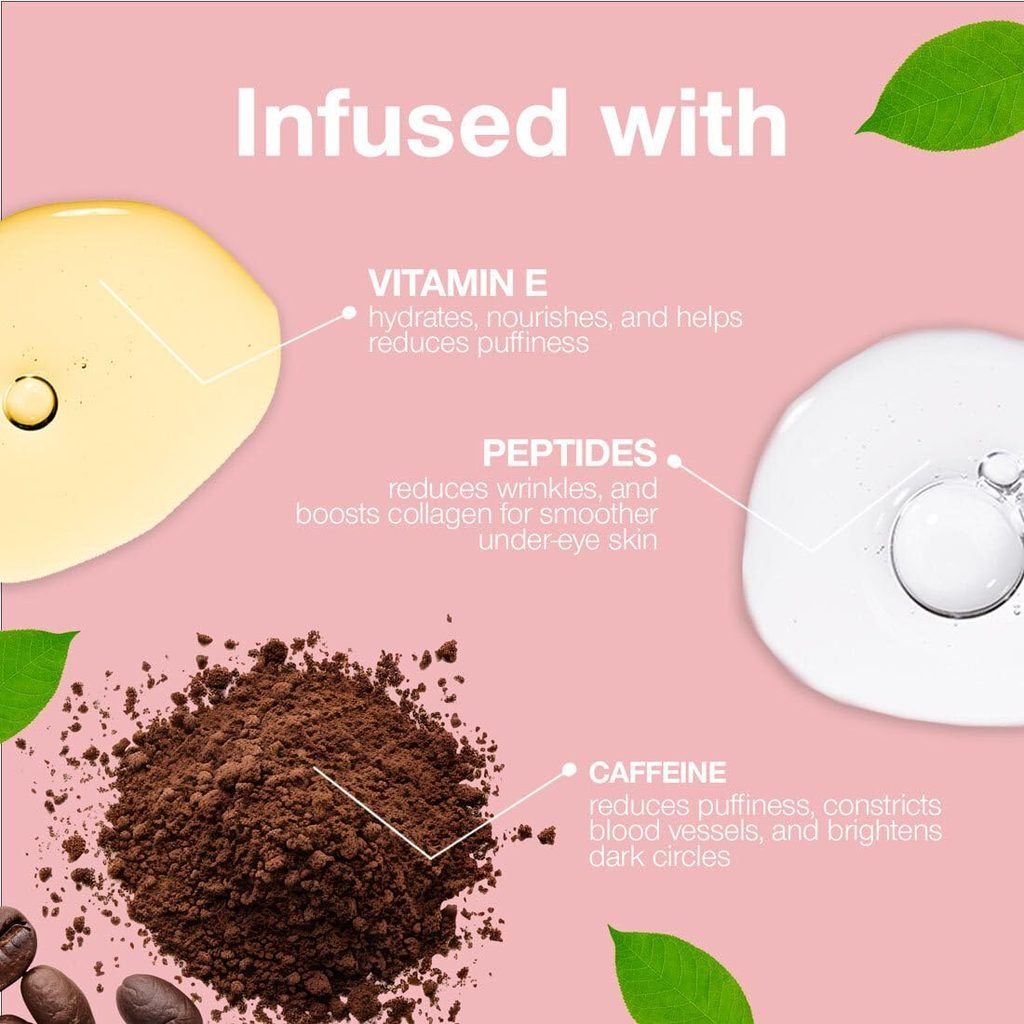
3. Caffeine and peptides
These ingredients show up in many Palladio eye products.
- Caffeine is often used in Palladio eye care for its short-term de-puffing reputation. The evidence for topical caffeine is limited and mostly about temporary effects.
- Peptides are small amino acid chains used to support skin’s look and feel. In a leave-on makeup product they are usually a “nice extra” rather than the main event.
4. Lightweight under-eye wear
Palladio Under-eye skin is thin and moves a lot. Heavy products settle into fine lines. A corrector designed for this area should be thin and blendable, and user feedback on products like this one usually points to thin application as the key to avoiding creasing.
5. Layering friendliness
A pink corrector is made to go under concealer and foundation. Used that way, you can often apply a thinner concealer layer, which helps reduce cakiness.
6. Budget-friendly positioning
Compared with premium correctors, Palladio is on the lower end of the price range. That makes it a low-risk way to test whether color correcting works for you.
7. Everyday use
The product is aimed at daily makeup, not stage or editorial looks. It is meant for people who want a smoother, brighter under-eye area during a normal day.
Quick feature recap
| Feature | What it means for you |
|---|---|
| Soft pink tone | Best for blue/purple circles on lighter skin |
| Brightening focus | Visual lift, not a skincare treatment |
| Caffeine + peptides | Extra ingredients, modest in makeup |
| Thin under-eye wear | Blend lightly to avoid creasing |
| Under-concealer use | Helps reduce the amount of concealer needed |
| Budget price | Low risk to try |
Formula Breakdown & Skin Compatibility
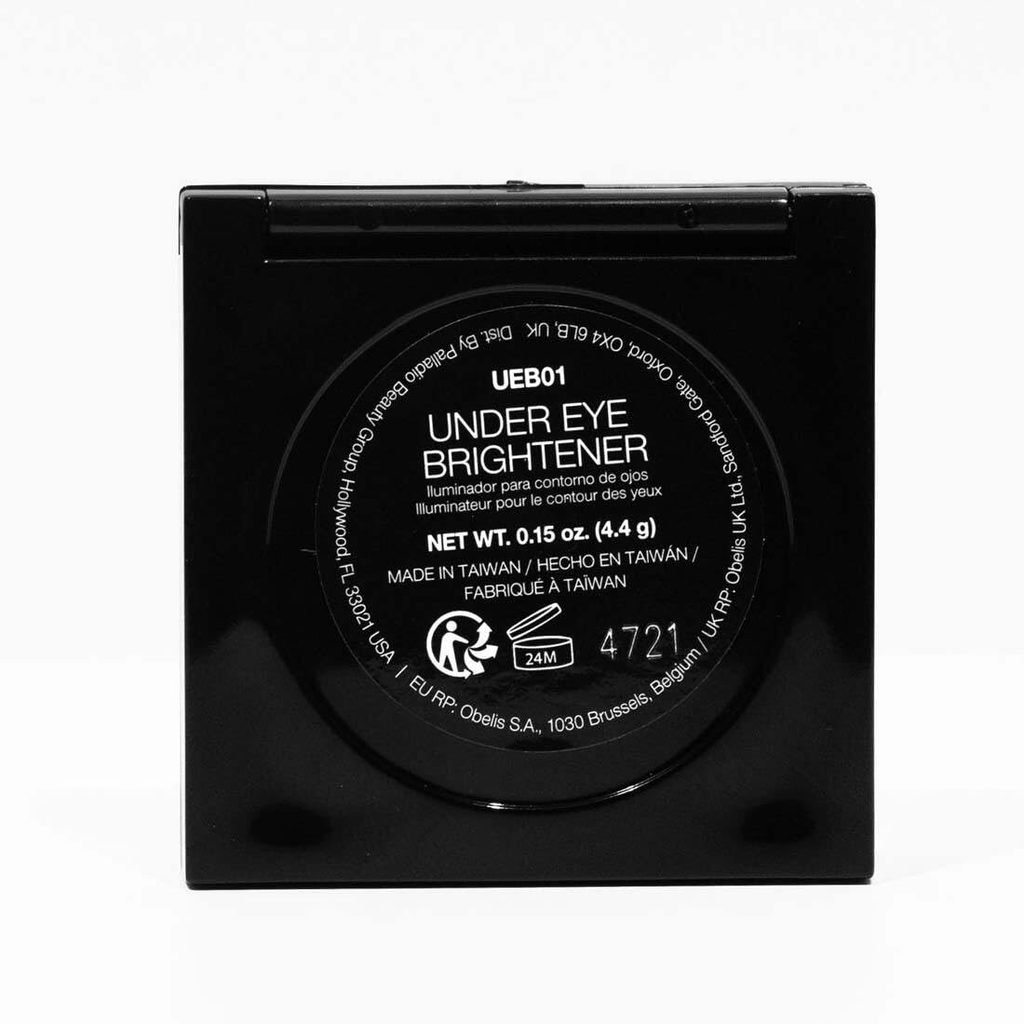
I can’t verify the full ingredient list from here, so always read the current label on the listing or packaging. What follows is based on the published highlights and typical formulas in this category.
What the formula appears to include
- Pigments: These create the soft pink tint that cancels blue-purple tones.
- Caffeine: Marketed for its de-puffing association in eye care.
- Peptides: Marketed for skin support.
- Emollients/base ingredients: These help with slip and blendability. Thicker bases can crease more easily.
What to expect from the skin-care ingredients
It’s easy to read “caffeine peptides” and expect treatment results. A fair read is:
- A corrector sits on the skin for hours, so there is some contact time.
- But the main job of the product is color.
- Dark circles come from several causes, including genetics, pigmentation, thin skin that shows blood vessels, shadows from Palladio under-eye hollows, allergies, and sleep habits. A makeup product can’t change most of these.
So treat caffeine and peptides as a bonus, not the reason to buy.
Skin type compatibility
| Skin type | Likely fit | Notes |
|---|---|---|
| Normal | Good | Thin layers usually blend well |
| Dry | Fair | Prep with a light eye cream so it doesn’t cling to dry patches |
| Oily | Fair | May need setting powder to reduce slipping |
| Sensitive | Unknown | Patch test; check the label for fragrance or known irritants |
| Mature skin | Mixed | Light layers matter, since heavy product can settle in lines |
Safety notes
- Use only products labeled for the Palladio eye area near your eyes.
- Patch test first if you have sensitive skin or allergies.
- Stop using it if you notice redness, itching, or swelling.
- If you have persistent dark circles with swelling, pain, or sudden changes, a doctor or dermatologist is the right person to ask.
Application, Texture & Finish Experience
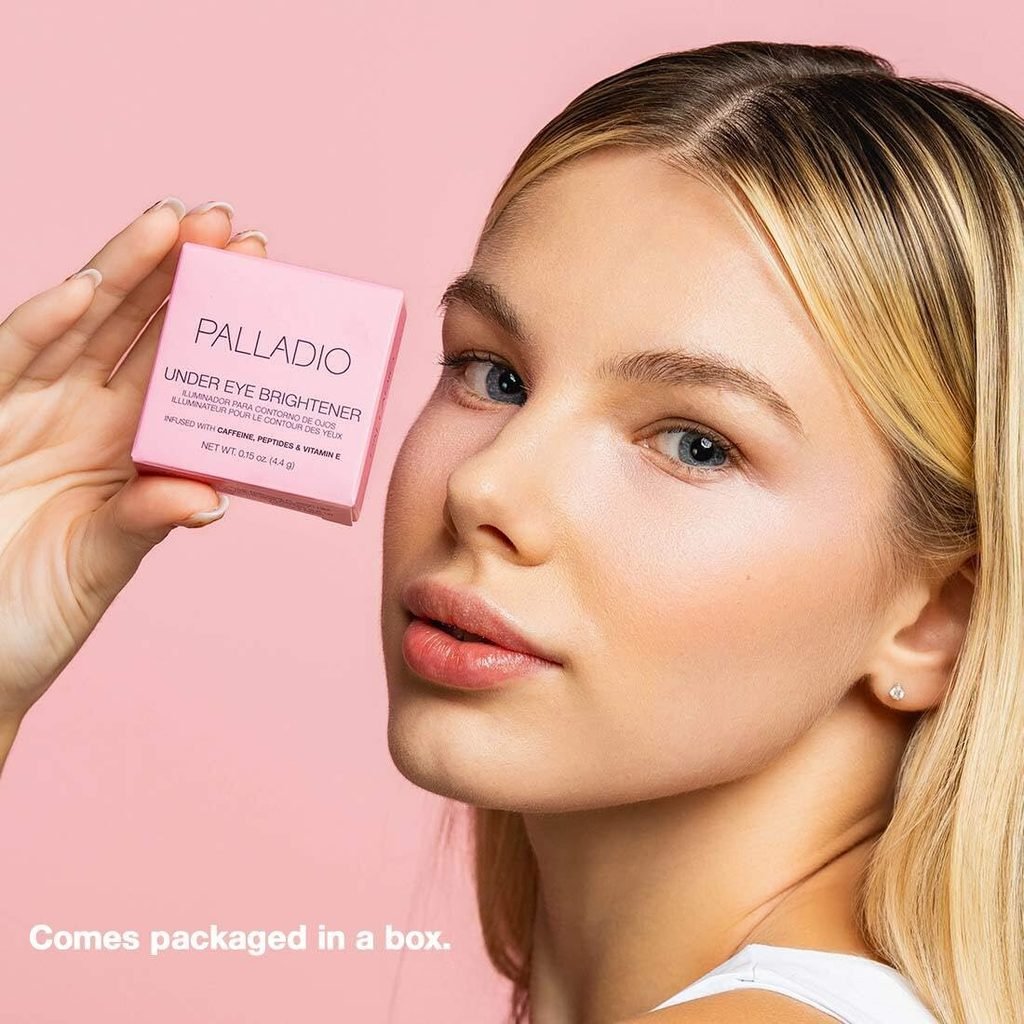
Texture matters more for Palladio under-eye products than almost any other face product. Here is what to expect, based on the product type and user feedback patterns.
Texture
Products like this are generally designed to be lightweight and easy to spread. A thin formula is useful because it can be pressed into the skin without dragging. Thicker, creamier correctors can give stronger color but are more likely to crease.
Application
User feedback on pink correctors tends to repeat the same advice:
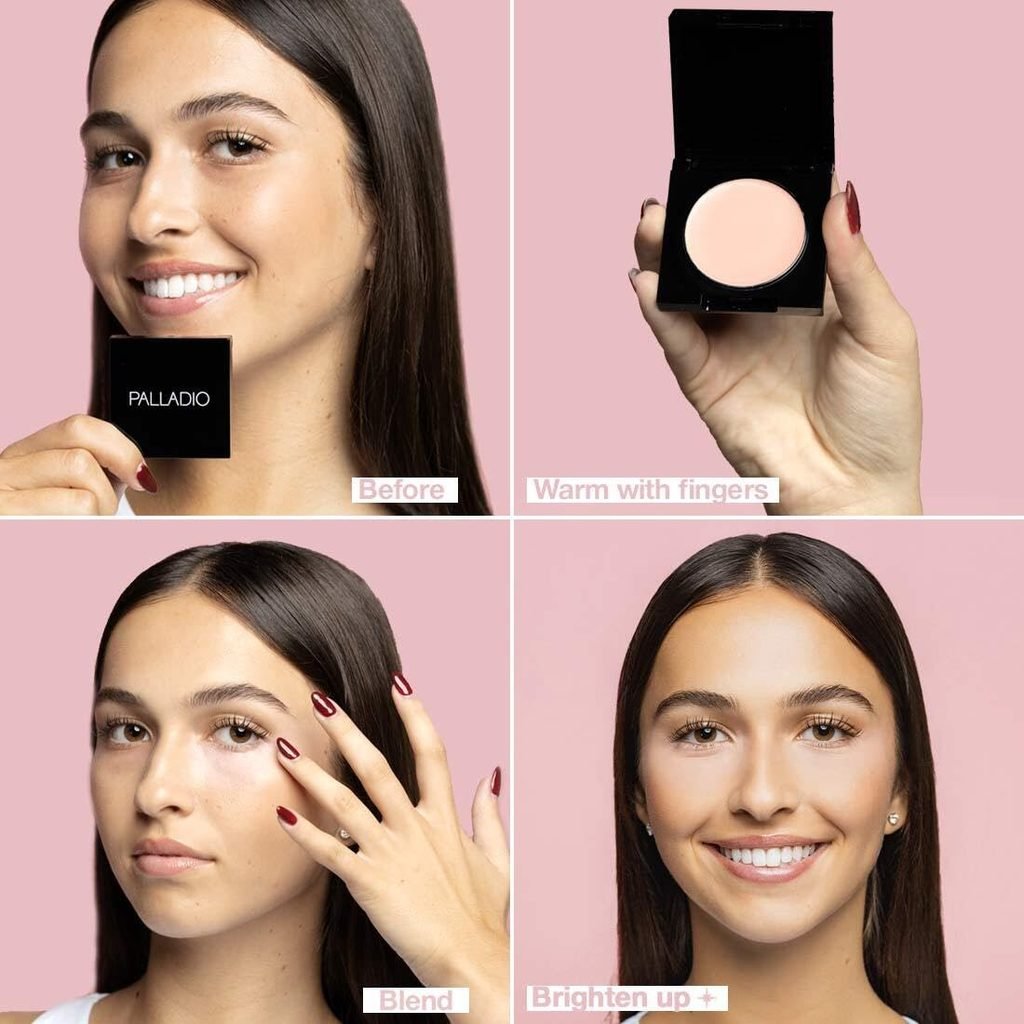
- Less is more. A small amount gives you the color correction without a visible pink layer.
- Pat, don’t rub. Tapping with a fingertip or small sponge helps keep the tint on the dark area and avoids smearing.
- Focus on the darkest zone. For many people that’s the inner corner and the area just below the lash line.
Finish
The finish is generally described as soft and natural when blended well. It isn’t a heavy matte. That can look fresh on normal skin, but on oily skin you may want powder to hold it.
Blending with concealer
The best look usually comes from three steps:
- Apply a thin layer of the pink corrector.
- Blend the edges so no sharp border shows.
- Add concealer in a shade close to your skin tone, only where needed.
Texture and finish: quick summary
| Factor | What to expect |
|---|---|
| Spreadability | Easy in thin layers |
| Finish | Soft, natural, slightly luminous |
| Creasing risk | Moderate if applied thickly |
| Layering with concealer | Works well when blended |
Palladio Under Eye Brightener Review: Usage Experience
This is the part where reviews often turn into pure opinion. So to be clear, the observations below come from the product specs, the patterns in available user feedback, and how similar correctors behave, not from my own wear logs.
The first impression: color first, brightness second
Most people notice the pink tint first. On blue or purple-toned circles, the tint tends to cancel the darkness. On brown-toned circles (common on medium and deeper skin), a pink corrector often doesn’t do much, because the discoloration isn’t blue.
That makes undertone matching the key to satisfaction.
The “too pink” risk
A common complaint with pink correctors is a visible pink cast. It usually happens when:
- Too much product is used
- The product isn’t blended to the edges
- The concealer on top doesn’t cover the corrector fully
The fix is simple: use a small amount, blend, and cover with concealer. If you see pink after that, the shade may not suit your skin.
Morning routine: how it fits
For a typical day, here is a realistic order:
- Moisturize and let it absorb.
- Apply a small amount of Palladio eye cream if your skin is dry.
- Tap on the pink corrector.
- Apply concealer if needed.
- Set lightly if you’re oily.
If you only have five minutes, you can use the corrector alone on lighter circles. Some people find a thin layer enough, with no concealer on top.
Wear through the day
Palladio Under-eye makeup moves because the area is thin and active. Creasing, fading, and slipping are the usual problems. Based on how this product category behaves:
- Dry skin may cling to flaky patches if not moisturized first.
- Oily skin may notice the product thinning by afternoon.
- Fine lines can collect product if the layer is thick.
A light dusting of powder can help in these cases, though too much powder can make the area look dry.
Camera and lighting
Pink correctors can look good in natural light. Under strong flash or harsh indoor lights, any visible pink may show up more. If you take a lot of photos, check your makeup in several lighting conditions.
The “does it brighten” question
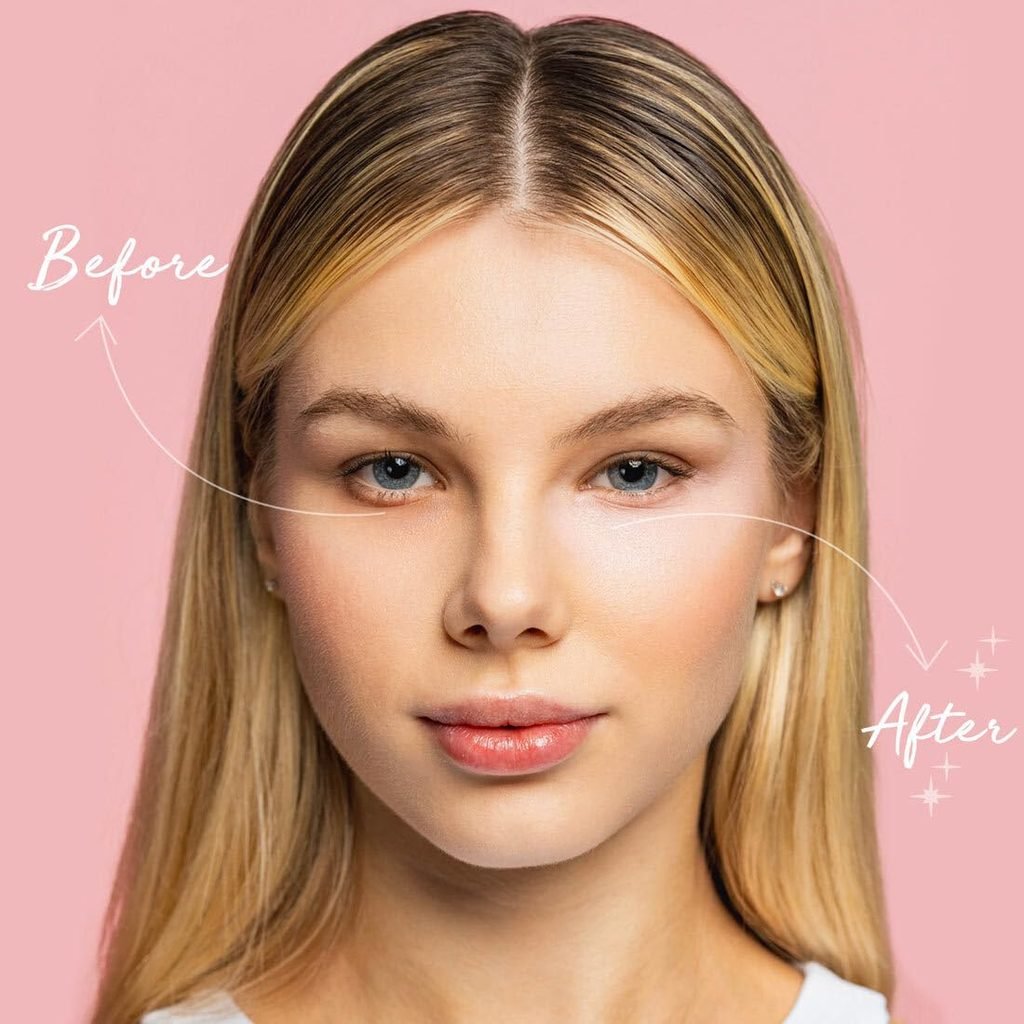
Yes, in the sense that it reduces how dark the area looks while worn. No, in the sense that it won’t lighten the skin over time. The brightening is cosmetic.
How it compares to a “concealer only” routine
People who use concealer alone often over-apply to cancel the dark tone, which leads to a lighter, chalky patch under the Palladio eyes. A corrector lets you use less concealer, which can look more natural.
What would make it better
- A broader shade range for deeper skin tones
- Clear, easy-to-read ingredient information on the listing
- More guidance on how much to use
Who it is likely to satisfy
- People with blue/purple Palladio under-eye circles on light to light-medium skin
- Shoppers who want a low-risk, low-cost corrector
- People who like a layered but lightweight look
Who might be disappointed
- People expecting treatment results from caffeine and peptides
- People with brown-toned circles on medium to deep skin
- Anyone who wants full coverage in one step
Patience matters
Correctors have a learning curve. The first few tries can look off because it takes practice to find the right amount. Many users report improvement once they switch to thin layers and better blending.
Benefits
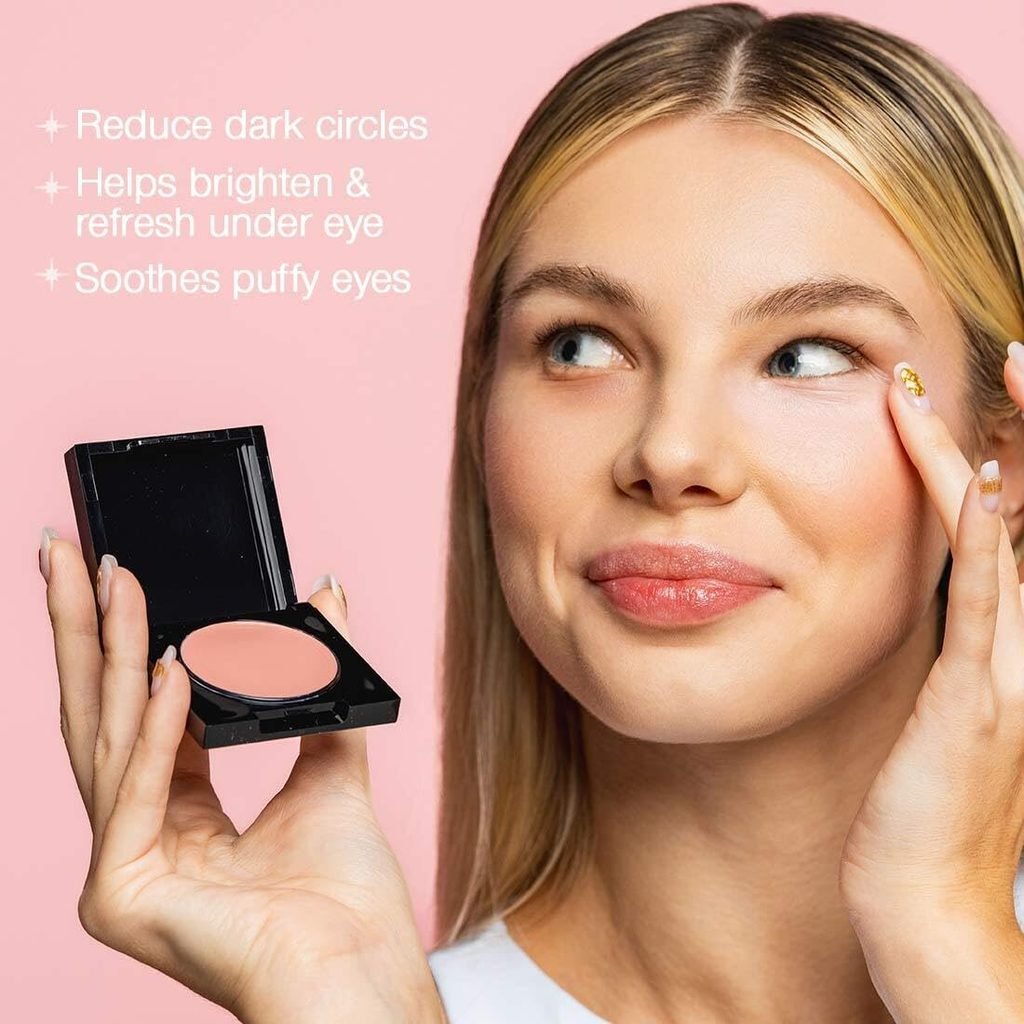
1. Reduces the look of dark circles
The main benefit is color cancellation. When the shade is right, the blue or purple tone looks softer.
2. Helps you use less concealer
Because the corrector handles part of the job, concealer can be applied more lightly. That can reduce cakiness.
3. Brightens the under-eye area visually
A pink-toned base lifts the shadowed look. This is a visual effect, but it can make you look more rested.
4. Adds skin-care-style ingredients to a makeup step
If you like multitasking products, caffeine and peptides add a bit of extra appeal. Just keep expectations modest.
5. Low cost makes experimenting easy
Color correcting is a technique, and techniques take practice. A budget product is a smart way to learn.
6. Simple enough for beginners
You don’t need a full set of tools. Fingers or a small sponge are enough for most people.
7. Works with many makeup routines
It can go under concealer, under foundation, or on its own for a lighter look.
Benefit summary
| Benefit | Strength |
|---|---|
| Color correction | Strong for blue/purple tones on lighter skin |
| Concealer reduction | Moderate to strong |
| Visual brightening | Moderate |
| Skincare ingredients | Modest |
| Price | Strong |
Downsides & Limitations
An honest review needs a clear look at the drawbacks.
1. Shade limitations
Soft pink is not universal. On medium to deep skin, pink can look gray or ashy. Orange, red, or deep peach correctors are usually better for those skin tones.
2. It doesn’t treat the cause of dark circles
Dark circles from genetics, thin skin, or hollows won’t change because of a corrector. Sleep, hydration, allergy management, sun protection, and sometimes professional treatment are separate topics.
3. Skincare claims need perspective
Caffeine and peptides sound impressive, but the product is a makeup item. Any benefit is likely small and short-term.
4. Creasing and settling are possible
If you apply too much or skip skin prep, the product may settle into lines. This is common with Palladio under-eye products.
5. It can look too pink
Without good blending or concealer coverage, a pink cast can show.
6. Information gaps on the listing
Shoppers often want clearer details such as full ingredients, fragrance status, and wear time. If those aren’t clear on the listing, check the packaging or the brand’s site.
7. Not a full-coverage solution
For very dark or deeply pigmented circles, you may still need a stronger concealer on top.
Who Should Buy This?
This product may be a good fit if you:
- Have blue or purple-toned dark circles
- Have fair, light, or light-medium skin
- Want a budget corrector to try color correcting
- Prefer lightweight layers over heavy coverage
- Like the idea of eye-care ingredients in your makeup
- Want to use less concealer for a more natural look
Best use cases
- Everyday makeup for work or school
- Quick touch-ups before photos or events
- A starter product if you’re new to color correction
A simple rule of thumb
If your dark circles look bluish or purplish and your skin is light to medium, a soft pink corrector is worth testing. If they look brown or your skin is deep, look for a peach-orange or orange-red option instead.
Who Should Avoid This?
Skip or be careful with this product if you:
- Have medium-deep to deep skin and want a pink corrector (the tone may not match)
- Have brown-toned dark circles (pink won’t neutralize them well)
- Are very sensitive to Palladio eye-area products and haven’t patch-tested
- Expect medical-grade results from caffeine and peptides
- Want full coverage in one step
- Have persistent swelling, pain, or sudden changes under the Palladio eyes. In that case, talk to a healthcare professional rather than relying on makeup.
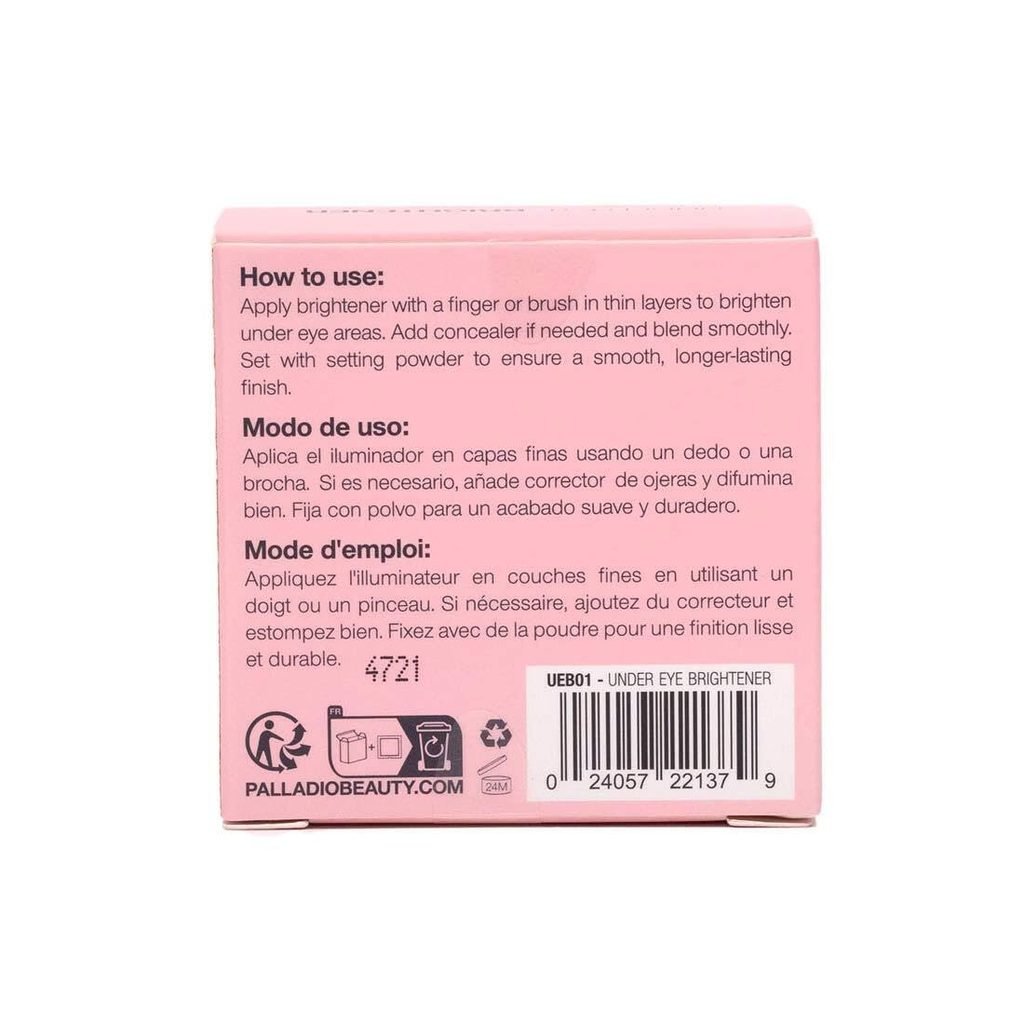
How to Use for Best Results
A simple method that suits most pink correctors:
- Start with clean, moisturized skin. Let your moisturizer or eye cream absorb for a minute.
- Use a very small amount. Dot it on the darkest areas, not the whole under-eye.
- Pat to blend. Use your ring finger or a small sponge. Avoid dragging.
- Blend the edges. A sharp pink line looks worse than the original dark circle.
- Add concealer if needed. Choose a shade close to your skin tone and use a thin layer.
- Set lightly if you’re oily. Use a small amount of translucent powder.
- Check in natural light. Make sure no pink shows around the edges.
Pro tips
- Less is more. Add more only if the dark tone still shows.
- Skip the corrector on lighter areas. Only treat the darkest zones.
- Mix the routine up on easy days. On a low-makeup day, the corrector alone may be enough.
- Remove gently at night. The eye area is delicate, so use a gentle remover.
Pros & Cons
Pros
- Pink tone helps cancel blue/purple discoloration
- Lightweight, blendable feel
- Helps reduce how much concealer you need
- Caffeine and peptides add extra appeal
- Budget-friendly and low risk to try
- Beginner-friendly
Cons
- Soft pink doesn’t suit deeper skin tones
- Won’t fix the underlying cause of dark circles
- Skincare benefits are likely modest
- Can look pink or crease if over-applied
- Listing details may need double-checking
- Not full coverage

Product Comparisons
Palladio vs. drugstore concealer
If you’re weighing Palladio under eye brightener vs drugstore concealer, the main thing to understand is that they do different jobs. A concealer covers. A corrector neutralizes. Many people get the best results using both.
| Factor | Palladio Soft Pink Corrector | Typical Drugstore Concealer | Peach/Orange Corrector | Caffeine Eye Cream |
|---|---|---|---|---|
| Main job | Cancels blue/purple tones | Covers and evens skin tone | Cancels brown/blue tones (deeper skin) | Skincare, not makeup |
| Best for | Light to medium skin | Most skin tones (shade-dependent) | Medium to deep skin | Daily eye care |
| Coverage | Light to medium | Light to full | Medium | None |
| Brightening | Optical | Depends on shade | Optical | Subtle, long-term at best |
| Price range | Budget | Budget to mid | Budget to mid | Budget to premium |
| Works alone? | Sometimes | Usually | Rarely | Yes (not makeup) |
| Works together? | Yes, under concealer | Yes, over corrector | Yes | Yes, as a prep step |
Takeaway
If your dark circles are blue or purple and you want a more natural finish, adding a corrector under a thinner concealer is often better than layering more concealer. If your circles are brown or your skin is deep, a peach-orange option is the better category.
Amazon vs. Walmart: where to buy
The question many shoppers ask is where to buy Palladio under eye brightener. Both retailers are common places to find drugstore-style beauty products. Because stock, shades, and prices change often, check each listing before you decide.
| Factor | Amazon | Walmart |
|---|---|---|
| Availability | Often listed, but stock can vary | Often listed online; in-store stock varies |
| Pricing | Can change frequently | Can change frequently |
| Shipping | Fast shipping common for eligible items | Pickup or delivery options for eligible items |
| Seller type | Check that the seller is the brand or an authorized seller | Check whether it’s sold by Walmart or a third party |
| Returns | Check the current policy for beauty items | Check the current policy for beauty items |
| Reviews | Often has a larger pool of user reviews | May have fewer reviews for niche items |
Tips for buying either way
- Compare the total price, including shipping.
- Make sure the seller is reputable, since counterfeit or old stock can occur with beauty products.
- Check the shade name (Soft Pink) and the product size.
- Look for recent reviews that mention your skin tone.
You can compare the current listing on Amazon or look for it at Walmart to see which has better pricing and availability when you shop.
Buying Guide: How to Choose a Pink Under Eye Corrector
If you’re searching for the best pink under eye corrector for dark circles, these are the criteria that matter most.
1. Check your dark circle color first
- Blue or purple: pink or peach correctors usually work.
- Brown or dark brown: peach-orange or orange correctors usually work better.
- Reddish: a green corrector is often used for redness elsewhere, but under the eyes it can be tricky. Test carefully.
A simple test: pull your under-eye skin gently. If the color shifts, it may be vascular (bluish). If it stays the same, it may be pigmentation (brownish).
2. Match the corrector to your skin tone
- Fair/light skin: soft pink or light peach.
- Medium skin: peach or salmon.
- Tan to deep skin: orange, red-orange, or deep peach.
3. Look at texture
- Thin and fluid: easier to blend, less coverage, less creasing.
- Creamy: more coverage, can be great for deeper circles, but may settle.
- Stick formats: convenient, but use a light hand.
4. Read the ingredient list
Eye-area products should be labeled as suitable for use near eyes. If you have sensitivities, check for fragrance and other irritants.
5. Consider skincare extras honestly
Caffeine, peptides, and similar ingredients are a plus, but not a reason to expect treatment results.
6. Think about your skin type
- Dry: hydrating textures, with a moisturizer prep.
- Oily: thinner layers plus light setting powder.
- Mature: thin layers to avoid settling into lines.
7. Compare value
For a corrector, you only use a small amount. A budget option makes sense for most people while you learn what works.
8. Check reviews smartly
Filter reviews by skin tone or look for photos in natural light. A five-star review from someone with very different skin won’t help you.
Initial Application & Wear Test Results
I haven’t run a lab-style wear test for this review, so I’m not going to invent timestamped results. Instead, here is what a reasonable wear test looks like for this product and what the evidence suggests you’ll see.
A simple home test you can run
- Day 1: Apply the corrector on one eye and nothing on the other. Compare in natural light.
- Hour 4: Check for fading, creasing, and the pink cast.
- Hour 8: Check again. Note whether concealer layered on top held up.
- Evening: Remove gently and check for irritation.
What to look for
| Time | What to check |
|---|---|
| Initial | Is the dark tone softer? Is any pink visible? |
| 2–4 hours | Any creasing or fading? |
| 6–8 hours | Does it still look natural? Is the concealer on top holding? |
| After removal | Any redness, itching, or dryness? |
What available feedback suggests
- Results depend heavily on skin tone and circle color.
- Thin layers wear better than thick ones.
- Prep and setting make a noticeable difference for dry and oily skin.
If you test it, take photos in the same lighting before and after. It’s the easiest way to judge honestly.
FAQ
What is the Palladio Under Eye Brightener?
It is a soft pink color corrector for the under-eye area. It is meant to neutralize dark circles and brighten the look of tired eyes, and it lists caffeine and peptides among its ingredients.
Does Palladio under eye brightener work for dark circles?
It can reduce the look of blue or purple-toned dark circles, especially on lighter skin. It is a cosmetic effect and does not treat the cause. It is less likely to work on brown-toned circles.
What does a pink under eye corrector do?
Pink correctors cancel bluish or purple tones using color theory. They sit under concealer so you need less coverage on top.
Is a pink corrector better than concealer?
They do different jobs. A corrector neutralizes color, while a concealer covers. Many people use both for a more natural result.
Can I use it without concealer?
Possibly, if your circles are mild and the shade suits your skin. For deeper circles, a thin layer of concealer on top usually helps.
What skin tones suit a soft pink corrector?
Fair to light-medium skin is the most common match. Deeper skin tones often look better with peach-orange or orange correctors.
Do caffeine and peptides in makeup really help?
They may offer small, temporary benefits, but a makeup product is not a treatment. Think of them as extras.
Will it crease under my eyes?
It can, especially if applied thickly or if skin is dry. Use thin layers, prep with moisturizer, and blend well.
How do I stop a pink corrector from looking too pink?
Use less product, blend the edges, and cover with concealer close to your skin tone. If it still looks pink, the shade may not suit you.
Is it safe for sensitive eyes?
Check the label to confirm it’s meant for eye-area use, and patch test first. Stop use if irritation appears and ask a doctor if it persists.
How does it compare with a drugstore concealer?
A concealer gives coverage, while this corrector neutralizes color. If you have blue or purple circles, using both often looks more natural than concealer alone.
Where can I buy Palladio under eye brightener?
It is commonly listed on retailers like Amazon and Walmart. Compare current price, seller, and shipping, and make sure you’re buying the Soft Pink shade.
Does it make dark circles go away permanently?
No. The effect lasts only while it’s on your skin. Long-term changes depend on the cause of the dark circles.
How much should I use?
A small dot per eye is usually enough. Add more only if the dark tone still shows.
Final Verdict
So, is it worth it? After weighing the product specs, available user feedback, and comparisons with similar correctors, my Palladio under eye brightener review lands here: it’s a sensible budget corrector for the right person.
It’s a good pick if:
- Your circles look blue or purple
- You have light to light-medium skin
- You want to use less concealer
- You like the idea of caffeine and peptides, without expecting miracles
It’s probably not the right choice if:
- You have medium-deep to deep skin and need an orange or red-toned corrector
- Your circles are mostly brown
- You want a treatment, not a cosmetic fix
- You want full coverage with one product
The soft pink shade is its strength and its limit. It’s a clear, easy approach for the circles it suits, and it is less helpful for the ones it doesn’t.
My recommendation
If your circles fit the profile, it’s a low-risk product to try. Start with a small amount, blend well, and layer a thin concealer over it. If you’re not sure about your undertone, do the pull test from the buying guide first.
You can Check Price on Amazon to see the current listing, size, and shade info, or compare the Walmart listing before you decide.
Last note: if your dark circles are new, worsening, painful, or paired with swelling, it’s worth asking a healthcare professional. Makeup can help with how they look, but it can’t tell you why they’re there.

Who Is Behind Loooknow
Loooknow is founded, written, and managed by Muhammad Owais Khan. I am the founder, author, and site administrator, so every review, guide, and comparison you read here goes through me personally.You can reach me at [owaisu99sony@gmail.com] or through the Contact page. And Review Methodology