
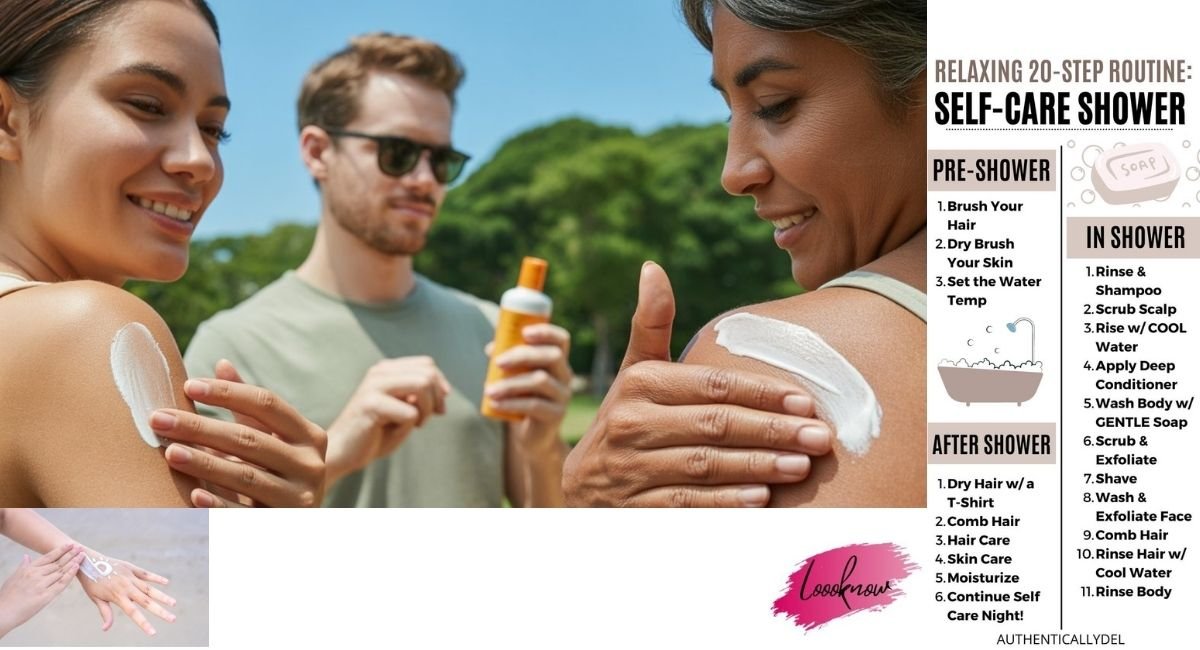
You probably spend more time picking out a face serum than you do thinking about the other 90% of your skin. That’s a problem, because the skin on your body care ages the same way your face does. It just doesn’t get the credit, or the care.
Think about your own bathroom counter for a second. There’s likely a face wash, a moisturizer, maybe a serum or two, and possibly an eye cream that costs more per ounce than good olive oil. Now think about what’s in the shower. A single bottle of body wash, probably the same one you’ve used for years, and a bottle of lotion that may or may not get used depending on how rushed the morning is.
That gap isn’t random. The skincare industry has spent two decades convincing people that facial skin needs a routine and everything below the chin just needs soap. Meanwhile, your arms, legs, back, chest, and hands are exposed to sun, wind, hot water, and friction just as much as your face, sometimes more.
Here’s the good news. Fixing that gap doesn’t require a 12-step routine or a shelf full of $60 bottles. It takes about 10 minutes a day, a handful of the right products, and a little bit of consistency. This guide walks you through exactly how to build a body care routine that holds up, whether you’re dealing with dry winter skin in Minnesota or year-round humidity in Houston.

Why Body Care Deserves the Same Attention as Skincare
Your body has more skin than your face. A lot more. The average adult is covered in about 20 square feet of skin, and most of it gets soap, a towel, and nothing else.
That gap shows up over time. Dry, flaky patches on elbows and shins. Rough, bumpy texture on the backs of arms. Dullness on legs that never quite goes away, no matter how much lotion gets applied in a rush before work. Dark spots on hands and forearms that seem to appear out of nowhere by the time someone hits their late 30s or 40s.
Part of the issue is how most people shower. Hot water strips natural oils from the skin barrier, the thin outer layer that locks moisture in and keeps irritants out. According to the American Academy of Dermatology, hot showers and baths can break down the lipid barrier faster than warm or cool water, which is one reason so many Americans deal with dry, itchy skin, especially once the heat kicks on in colder months.
There’s also a climate factor that’s easy to overlook. The National Institutes of Health notes that low humidity, whether from winter air outdoors or forced-air heating indoors, pulls moisture out of skin faster than it can be replaced. Someone living in Phoenix deals with dry skin for different reasons than someone living in Chicago, but the end result on the skin barrier looks remarkably similar.
The fix isn’t complicated. It’s about working with your skin’s natural barrier instead of against it, and giving it a few extra minutes of attention. Think of it less like a beauty routine and more like basic maintenance, the same way you’d change your car’s oil or replace an air filter. Skip it, and things still work for a while. Keep it up, and everything runs better for longer, with fewer breakdowns along the way.
A dermatologist quoted in a widely cited Journal of Clinical and Aesthetic Dermatology review put it simply: the skin barrier is the body’s first line of defense, and once it’s compromised, everything from moisture retention to irritation sensitivity gets harder to manage. That’s not a marketing line. It’s the actual biological reason a slightly better shower routine and one extra step at the sink can change how your skin behaves.

Step 1: Get the Shower Right
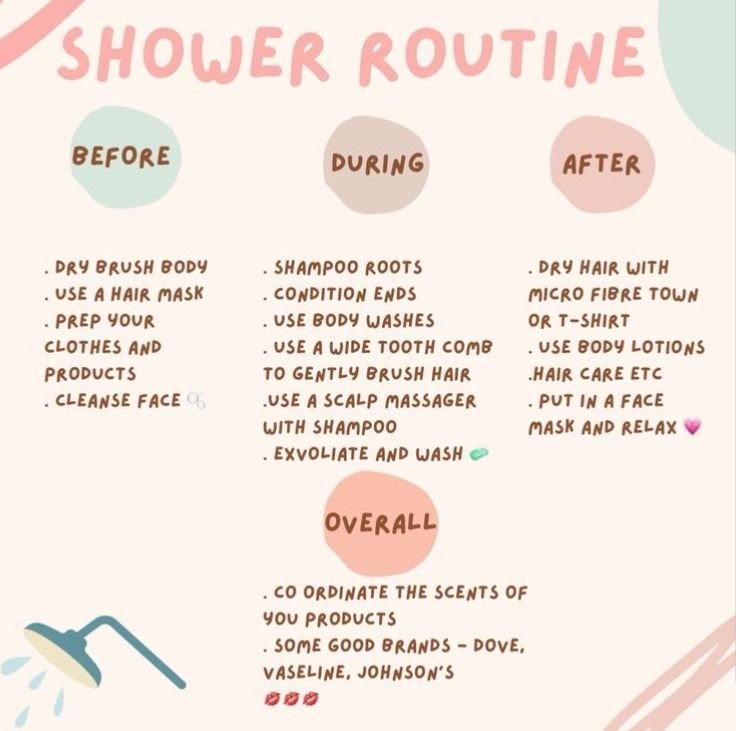
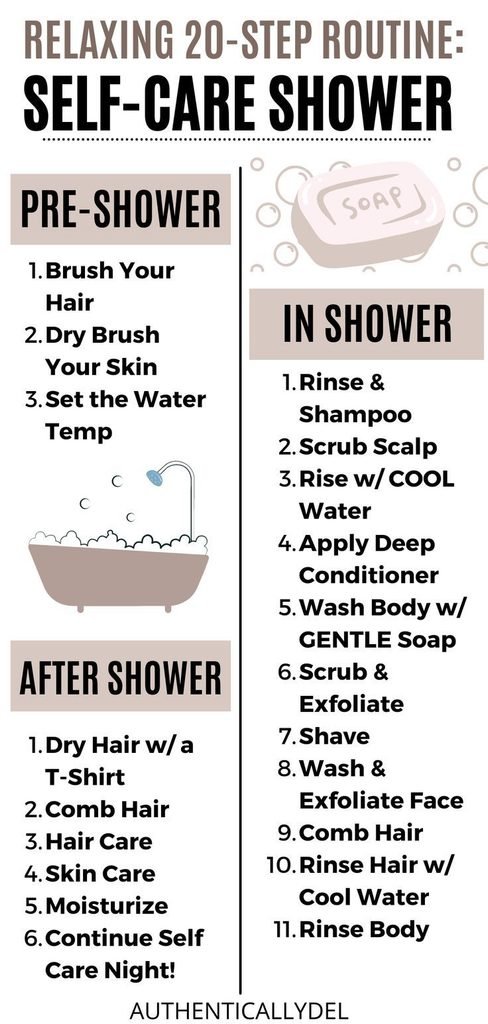
Everything starts here, because your shower routine either supports your skin barrier or slowly damages it, one hot shower at a time.
Keep the water warm, not hot. Dermatologists generally recommend water temperatures around 98 to 105°F for the body. That’s warm enough to feel comfortable but cool enough to avoid stripping natural oils. A simple way to check: if the bathroom mirror fogs up completely and skin turns pink by the time the shower ends, the water is too hot.
Keep showers under 10 minutes. Long showers, especially hot ones, pull more moisture out of skin over time. This is a hard habit to break for a lot of people, especially in winter when a hot shower feels like the best part of the morning. A quick, warm shower does the job without the damage, and a shower timer or a playlist with a 10-minute cutoff can help build the habit without much willpower involved.
Switch to a gentle, fragrance-free cleanser. Traditional bar soap tends to be alkaline, which disrupts skin’s natural pH (usually slightly acidic, around 4.5 to 5.5) and leaves it feeling tight and dry afterward. Look for a body wash labeled “gentle,” “hydrating,” “fragrance-free,” or “for sensitive skin.” Ingredients like glycerin, ceramides, and oat extract clean effectively without stripping the barrier the way old-fashioned bar soap does.
Skip the loofah on irritated or dry skin. Loofahs and rough scrub brushes can create tiny abrasions in already-compromised skin, and they’re also a well-documented breeding ground for bacteria if they don’t dry out fully between uses. If exfoliation is the goal, save it for a dedicated step (covered next) rather than doing it every single day with an abrasive tool.
Here’s a small but telling example. Someone who switches from a hot, 15-minute shower with a heavily fragranced bar soap to a warm, 8-minute shower with a gentle, fragrance-free wash typically notices less post-shower tightness within about a week. It’s not a dramatic transformation, but it’s the kind of change that compounds. Multiply that by 365 showers a year, and the cumulative effect on the skin barrier is significant.
A simple gut check: if a cleanser leaves skin feeling squeaky-clean and tight right after rinsing, that tightness is a sign the barrier just got stripped, not a sign the product is working extra hard. Squeaky clean is not the same as healthy clean, no matter what old soap commercials implied.
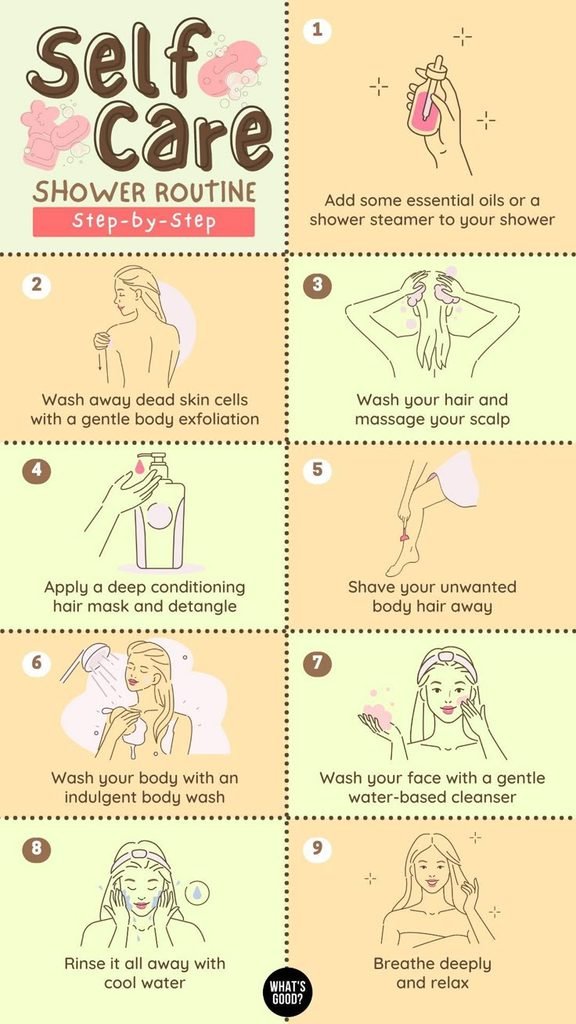
Step 2: Exfoliate, But Don’t Overdo It
Dead skin cells build up on the surface of the body just like they do on the face. Left alone, they make lotion sit on top of skin instead of soaking in, which is a big part of why moisturizer sometimes feels like it’s “not working” even when it’s a good product.
There are two main approaches, and understanding the difference matters more than most people realize.
Physical exfoliation uses a scrub, brush, or textured mitt to manually slough off dead cells. It’s affordable, immediate, and satisfying (there’s a reason body scrubs are a popular gift item), but it’s easy to overdo. Two to three times a week is plenty for most people. Daily physical exfoliation, especially with a rough scrub or stiff brush, tends to cause more irritation than benefit over time.
Chemical exfoliation uses acids like glycolic acid, lactic acid, or salicylic acid to dissolve the bonds between dead skin cells rather than scraping them off. Body lotions and washes with these ingredients have become widely available in the US over the last several years, largely thanks to brands popularizing them for keratosis pilaris and rough skin texture. They tend to be gentler on sensitive areas like the back of the arms while doing a more thorough job on genuinely rough patches like elbows, knees, and feet.
A good rule of thumb: use a body scrub or exfoliating wash two to three times a week, focusing on rough zones like elbows, knees, feet, and the backs of arms. Skip it on days skin feels sensitive, sunburned, or freshly shaved.
One condition worth calling out specifically: keratosis pilaris, the small red or skin-colored bumps that show up on the backs of arms and thighs. Dermatology research estimates it affects roughly 40% of American adults to some degree, and it’s often mistaken for “chicken skin” caused by poor hygiene. It isn’t. It’s a buildup of keratin around hair follicles, and scrubbing harder doesn’t fix it and often makes it worse by irritating the skin further. A chemical exfoliant with lactic or salicylic acid, used consistently over several weeks, tends to help far more than aggressive physical scrubbing ever will. Patience matters here more than pressure.
Step 3: Moisturize While Skin Is Still Damp
This is the single most impactful change most people can make, and it costs nothing extra. It’s also the step with the biggest gap between how many people know about it and how many people actually do it.
Apply body lotion or cream within about three minutes of stepping out of the shower, while skin is still slightly damp, not dripping wet, not fully dry.
Here’s why it matters. Skin absorbs and holds onto water from the shower. A moisturizer applied to damp skin traps that water in, using ingredients called humectants (like glycerin and hyaluronic acid) to pull moisture into the skin and occlusives (like shea butter and dimethicone) to seal it in. Apply the exact same lotion to fully dry skin, and a meaningful chunk of that benefit is lost, simply because there’s less water available to trap in the first place.
This is often the single biggest “aha” moment for people trying to improve dry skin. Someone might have used the same lotion for years with mediocre results, only to find that changing when they apply it, not what they apply, makes the noticeable difference. It sounds too simple to matter, but the timing genuinely changes the outcome.
For most skin types, a lotion with glycerin, hyaluronic acid, and ceramides works well year-round and layers easily under clothing without feeling heavy.
For dry or very dry skin, especially during winter months, a thicker cream or body butter with shea butter, cocoa butter, or squalane makes more sense. These sit heavier on the skin but hold moisture in far longer, which matters when indoor heating is running and outdoor humidity has dropped.
For sensitive or reactive skin, fragrance-free formulas with colloidal oatmeal or ceramides reduce the chance of irritation while still delivering meaningful hydration. Fragrance is one of the most common triggers for contact irritation on the body, particularly on already-compromised skin.
Don’t forget the parts of the body that get skipped the most: the backs of hands, the neck, the feet, and the elbows. These areas have thinner skin, fewer oil glands, or simply take more daily wear from washing, gripping, and friction, which is why they tend to show dryness and visible aging faster than almost anywhere else on the body. Hands in particular take a beating from frequent washing and hand sanitizer, something that became especially noticeable for a lot of people during 2020 and has stuck around as a habit since.
Step 4: Protect Skin From the Sun, Every Single Day
This is the step people skip most often, and it’s arguably the most important one for long-term skin health, both in terms of appearance and in terms of real medical risk.
The Skin Cancer Foundation estimates that one in five Americans will develop skin cancer by age 70, and the vast majority of skin cancers are linked to UV exposure. Sun damage doesn’t just raise cancer risk. It’s also responsible for the majority of visible skin aging on the body, including dark spots, texture changes, thinning skin, and loss of elasticity on the chest, hands, arms, and shoulders.
Most people are fairly consistent about applying sunscreen to their face, largely because facial skincare marketing has drilled that habit in for years. Almost nobody thinks about their chest, forearms, hands, or the tops of their feet, all areas that get regular sun exposure during a normal day of driving, walking the dog, or sitting near a sunny window at work.
Here’s a scenario that plays out constantly: someone diligently applies SPF 30 or higher to their face every single morning for a decade, then looks down one day and notices their hands look noticeably older than their face, with more visible sun spots and thinner-looking skin. That’s not a coincidence. It’s the direct, cumulative result of daily UV exposure with zero protection, day after day, for years, while the face got consistent coverage.
A few practical habits that close that gap without adding much to a morning routine:
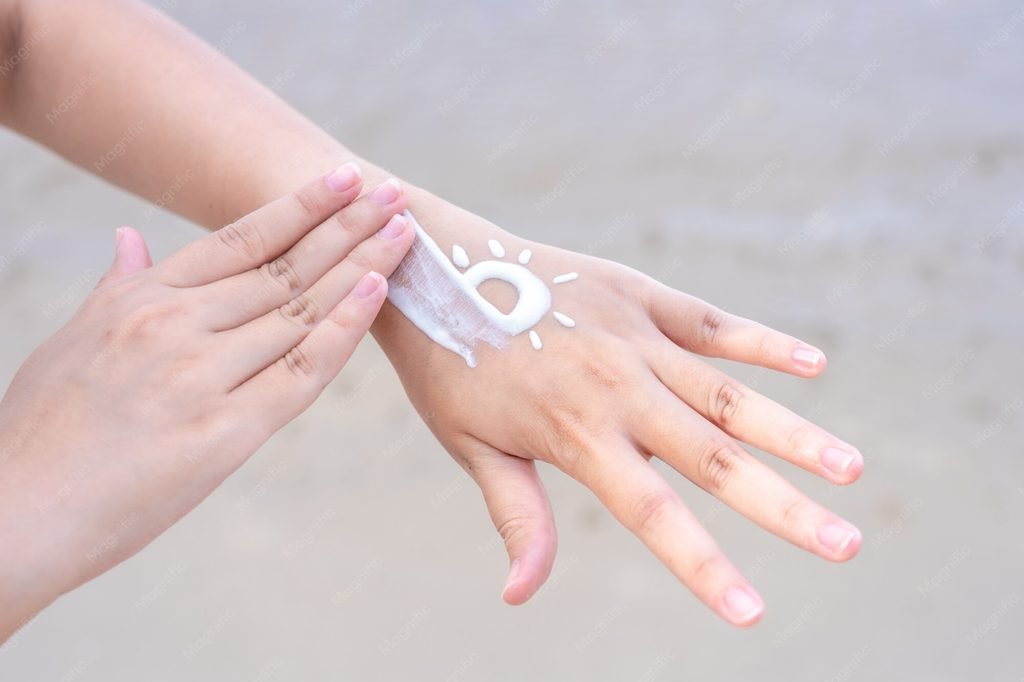
- Apply a broad-spectrum SPF 30 or higher to any exposed skin before heading outside, not just on beach days or vacations
- Reapply every two hours during extended outdoor time, and more often when sweating or swimming
- Pay special attention to hands, forearms, and the back of the neck, areas that get consistent sun exposure during everyday driving and walking, even on cloudy days
- Consider a lightweight, fast-absorbing body sunscreen for daily wear, since heavier, greasier formulas are a big reason people skip this step under clothing or in summer heat
If applying sunscreen every day feels like a lot, start small. Keep a travel-size bottle in the car or in a bag and apply it to hands and forearms before leaving the house, the same way some people keep hand sanitizer within reach out of habit. That one small habit alone protects the areas most exposed to cumulative sun damage over a lifetime, and it takes about 15 seconds.

Step 5: Target Specific Concerns With the Right Ingredients
Once the basics are in place, it makes sense to layer in products for specific issues rather than trying to solve everything with one all-purpose lotion. Here’s a quick reference for common concerns and what actually tends to help with each one.
Rough, bumpy skin (keratosis pilaris): Look for lactic acid, salicylic acid, or urea. These ingredients help dissolve the keratin buildup that causes the bumpy texture, rather than just smoothing the surface temporarily.
Dark spots or uneven tone: Niacinamide and vitamin C can help fade discoloration over time, though results typically take 8 to 12 weeks of consistent use to become noticeable. This is one of the slower-moving concerns, and expecting overnight results tends to lead to giving up on a product that was actually working.
Stretch marks and scars: No topical product fully erases stretch marks, and any claim promising otherwise deserves skepticism. That said, ingredients like centella asiatica, peptides, and retinol-adjacent formulas can improve texture and appearance with consistent use over several months, particularly on newer, still-reddish stretch marks rather than older, fully faded ones.
Cracked heels and rough feet: A thick cream with urea (often in the 10 to 25 percent range) works significantly better than standard body lotion for very dry, callused skin. Regular lotion simply isn’t formulated to break down the thick, hardened skin on feet the way a urea-based cream is.
Body acne (backne and chest acne): A wash with salicylic acid or benzoyl peroxide used a few times a week can help clear existing breakouts and prevent new ones, but it’s worth pairing with a non-comedogenic moisturizer afterward. Skipping moisturizer entirely often backfires, since dried-out skin can overcompensate by producing more oil, which feeds right back into the acne cycle.
Set realistic expectations here, because this is where a lot of people give up too early. Skin cell turnover takes roughly a month, so most active ingredients need at least four to six weeks of consistent use before a meaningful difference shows up. If a product hasn’t done anything after a week, that’s completely normal and not a sign of failure. If it hasn’t done anything after two full months of consistent use, that’s a more reasonable point to consider switching.
Step 6: Adjust for the Season
A body care routine that works in July often falls apart in January, and this is one of the more overlooked pieces of advice out there, mostly because most generic skincare content is written as if the entire country has one climate.
In winter, indoor heating drops humidity levels indoors, sometimes down to levels drier than a desert. This is when a heavier cream or body butter earns its keep, and when it’s worth dialing back exfoliation frequency, since already-stressed winter skin tolerates active ingredients less well. A humidifier in the bedroom, while not a skincare product, does more for overall skin hydration during winter than most people realize.
In summer, heat and sweat change the equation. Lighter, faster-absorbing lotions tend to feel more comfortable, and sunscreen becomes a daily non-negotiable rather than an occasional habit. Humidity in much of the South and Midwest during summer months can actually mean less need for heavy moisturizer, but sun exposure goes up significantly, which shifts the priority toward SPF over hydration.
In transitional seasons like spring and fall, this is often the easiest time to introduce a new active ingredient or step up exfoliation slightly, since skin isn’t dealing with the extremes of either winter dryness or summer sun stress.
Someone living in a place with genuine seasonal swings, say, a Midwestern or Northeastern city with cold winters and humid summers, will likely need two different moisturizers across the year to get consistent results. Someone in a milder, more consistent climate like coastal California might be able to use one formula year-round. Knowing which category applies saves money and frustration.
Step 7: Build a Routine You’ll Actually Stick To
The best body care routine is the one that actually gets followed. A complicated seven-step process that gets abandoned after two weeks does less for skin, long term, than a simple three-step routine followed consistently for a year. This is the part most guides skip, but it’s arguably the most important piece of the whole thing.
Here’s a realistic daily structure that most people can maintain without much friction:
Morning: Quick shower with warm water, gentle cleanser, moisturizer applied while damp, sunscreen on exposed skin. Total time: about 12 to 15 minutes, most of which is the shower itself.
Evening: Cleanser if needed, targeted treatment product (exfoliant or active ingredient) two to three times a week, moisturizer or body oil before bed. Total added time: 2 to 3 minutes.
Weekly: One or two dedicated exfoliation sessions on rough areas like elbows, knees, and feet, ideally worked into an existing shower rather than treated as a separate event.
That’s it. No 10-step routine, no $200 product haul, no guesswork about what order to apply things in or which of six different serums goes on first. Just consistent basics, done reasonably well, most days of the week.
If starting from zero feels overwhelming, focus on two changes first: moisturizing on damp skin right after the shower, and applying SPF to hands and forearms each morning. Those two habits alone address the two biggest gaps in most people’s current routines, and together they take less than 90 seconds. Everything else in this guide can be layered in gradually over the following weeks, once those two habits actually stick.
Common Mistakes That Undo All the Progress
A few habits show up again and again and quietly cancel out an otherwise solid routine.
Skipping moisturizer on non-shower days. Skin doesn’t stop needing hydration just because there wasn’t a shower that day. A quick layer of lotion after washing hands or before bed still counts.
Over-exfoliating in hopes of faster results. More is not better here. Exfoliating daily, or using both a physical scrub and a chemical exfoliant on the same day, tends to damage the barrier faster than it improves texture, leading to redness, sensitivity, and sometimes an actual worsening of rough patches.
Using the same products year-round regardless of season. As covered above, a formula that felt perfect in August can feel completely inadequate by December, and sticking with it out of habit rather than switching to something richer is a common reason winter dryness feels like it “comes out of nowhere” every year.
Treating sunscreen as optional past summer. UV exposure doesn’t disappear in October. Cloud cover blocks a smaller percentage of UV rays than most people assume, and daily habits matter more than seasonal ones for cumulative sun damage.
Expecting overnight results from active ingredients. This one trips up more people than any other mistake on this list. Switching products every one to two weeks because “nothing is happening” almost guarantees nothing ever will, since most actives need four to six weeks minimum to show a visible effect.
Frequently Asked Questions
How long until dry, flaky skin actually improves? Most people notice less tightness and flaking within one to two weeks of fixing the basics (warm showers, damp-skin moisturizing, a gentle cleanser). Deeper texture issues, like rough patches from keratosis pilaris or long-standing dryness on shins and elbows, typically take four to six weeks of consistent care to show a real, lasting change.
Is body oil better than lotion? Neither is universally better. Body oils are occlusive, meaning they seal moisture in but don’t add much water of their own, so they work best layered over a water-based lotion or applied to already-damp skin. Lotions and creams tend to combine both hydration and sealing in one step, which makes them a simpler single-product option for most people.
Does drinking more water fix dry skin? Hydration supports overall health, but skin dryness is mostly a surface-level and barrier issue, not a sign of dehydration from the inside out. Someone can drink plenty of water and still have dry, flaky skin if their shower habits or moisturizing routine aren’t supporting the skin barrier. Topical care makes a far more direct difference than water intake alone.
Can body care products cause breakouts on the chest or back? Yes, and it’s more common than people expect. Heavy, oil-based lotions applied to acne-prone areas like the chest and back can clog pores in the same way a rich face cream might clog facial pores. Look for “non-comedogenic” on the label for those specific areas, even if a richer formula is used elsewhere on the body.
Is it necessary to use different products for different body parts? Not strictly necessary, but it helps in a few specific spots. Feet generally need a thicker, urea-based cream that a standard body lotion won’t match. Hands benefit from a fast-absorbing formula that won’t feel greasy during the day. Everywhere else, one solid, well-formulated lotion can usually do the job.
The Bottom Line
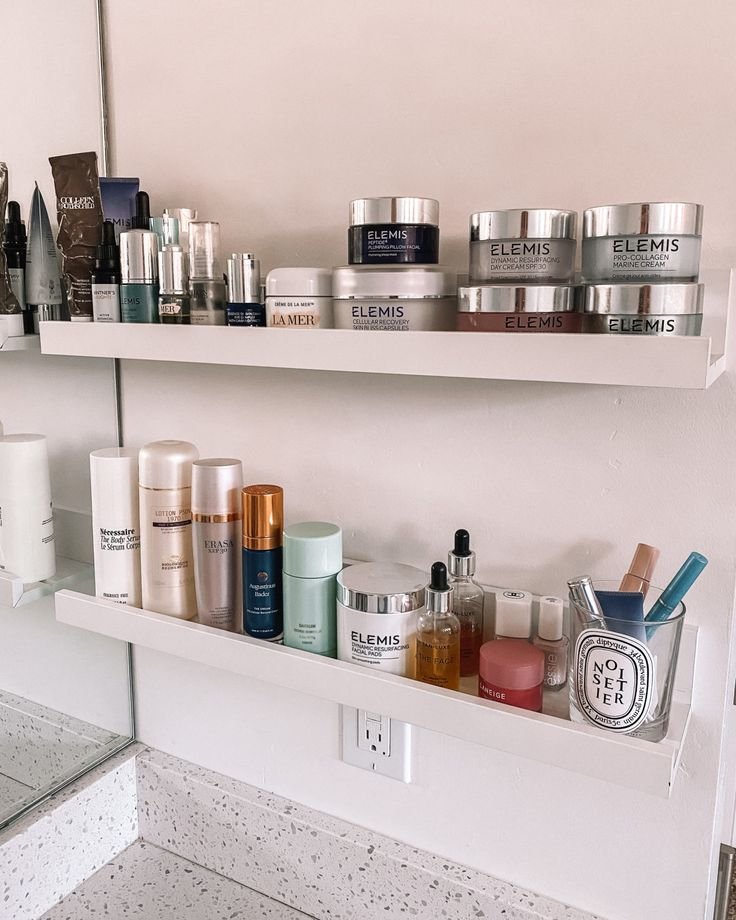
Body care isn’t about chasing trends or building an elaborate routine that looks impressive on a bathroom shelf. It’s about a handful of small, consistent habits: warmer showers, gentle cleansing, exfoliating in moderation, moisturizing while skin is still damp, and protecting exposed skin from the sun every single day, regardless of season.
Give it four to six weeks. That’s roughly how long it takes for new skin cells to cycle through and for a real difference to show up, whether that’s softer elbows, fewer rough patches, more even tone on the arms and legs, or just skin that feels less tight and uncomfortable by the end of the day.
If a simpler way to build this routine without guessing which products actually work well together sounds useful, that’s exactly what a guided body care set or routine bundle can help with. Look for one built around the basics covered here: a gentle, fragrance-free cleanser, a hydrating lotion suited to the season, and a daily SPF that doesn’t feel heavy under clothing. That combination covers the majority of what’s outlined in this guide without requiring five separate purchases from five different brands and a lot of trial and error.
Start tomorrow morning. Warm shower, moisturizer on damp skin, sunscreen on hands and forearms before heading out the door. Small steps, repeated daily, are what actually change skin over time, not a single expensive product or a routine that only survives for a week before life gets in the way.

I’m an SEO content writer and product researcher with experience creating well-researched product reviews, comparisons, buying guides, affiliate articles, and helpful website content. At LoookNow, I focus on researching products, comparing features and value, and creating clear, engaging, search-optimized content to help readers make more informed purchasing decisions. My goal is to provide useful, trustworthy, and easy-to-understand information that saves readers time and reduces confusion when choosing products online.